



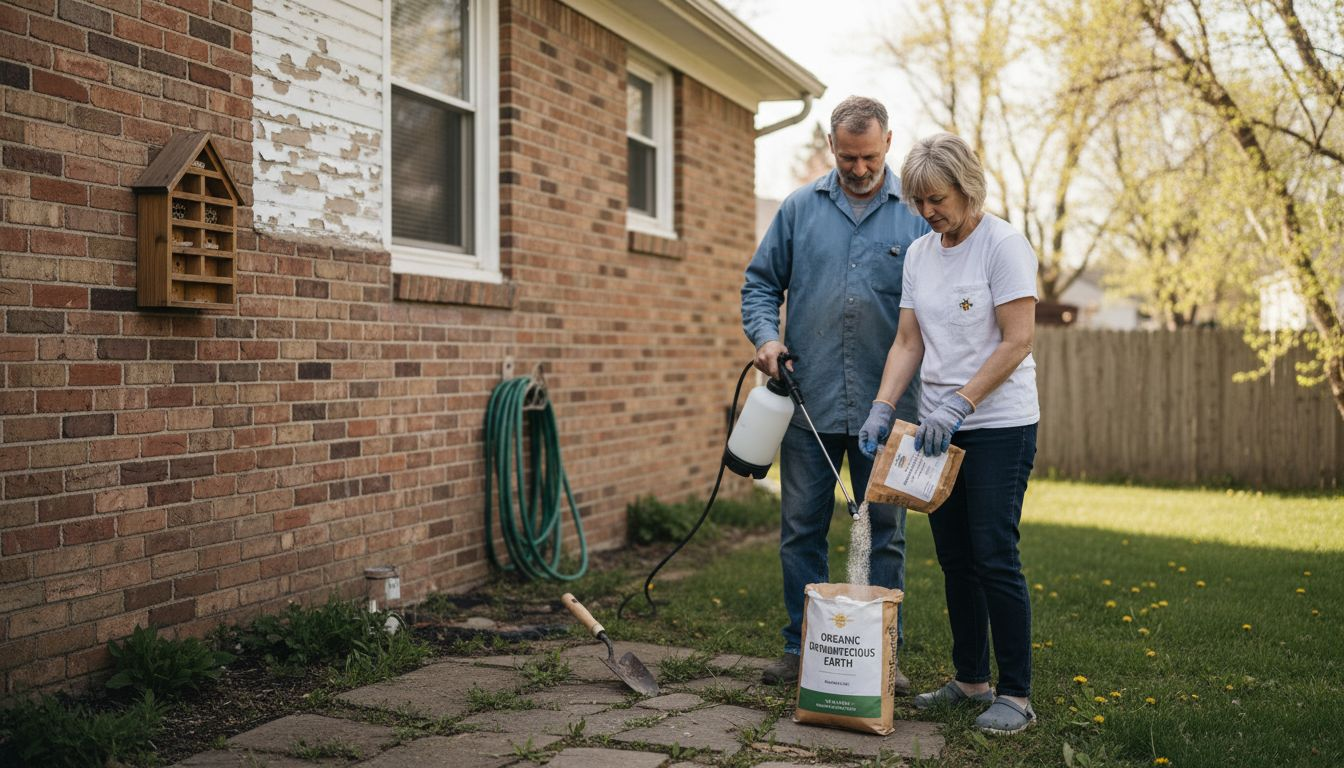
Managing pests in your Parma home doesn’t require harsh chemicals that worry you about family safety. Organic pest control methods protect your loved ones while effectively targeting ants, spiders, cockroaches, and other common Ohio pests. This guide walks you through preparation, treatment application, monitoring, and troubleshooting to achieve lasting pest control using natural, eco-friendly approaches that work.
Table of Contents
- Preparation And Prerequisites Before Starting Organic Pest Control
- Understanding Integrated Pest Management (IPM) For Organic Control
- Natural Pest Control Products And Application Techniques
- Cultural And Mechanical Methods To Supplement Organic Treatments
- Common Mistakes And Troubleshooting In Organic Pest Control
- Expected Outcomes And Success Metrics From Organic Pest Control
- Safety And Environmental Considerations
- Protect Your Home With Expert Organic Pest Solutions
- Frequently Asked Questions
Key takeaways
| Point | Details |
|---|---|
| Preparation reduces pests by 50% | Sealing entry points and removing food sources cuts pest access significantly before treatments begin. |
| IPM guides targeted treatments | Integrated Pest Management emphasizes least-toxic methods and monitoring for effective control. |
| Natural insecticides need reapplication | Products like horticultural oils degrade within days, requiring treatments every 7-10 days during infestations. |
| Expect 50-70% reduction in 2-4 weeks | Most organic regimes achieve significant pest reduction within one month with consistent monitoring. |
| Timing protects beneficial insects | Applying treatments during early morning or late evening reduces pollinator mortality risk by up to 40%. |
Preparation and prerequisites before starting organic pest control
Preparing your home creates the foundation for successful organic pest management. Before applying any treatments, you need to eliminate conditions that attract and sustain pests in the first place.
Start by inspecting your home’s exterior and interior for cracks, gaps around pipes, torn screens, and other entry points. Seal these openings with caulk, weatherstripping, or steel wool to physically block pest access. Prevention can reduce pest incidence by up to 50% before you even begin treatments.
Next, remove food and water sources that sustain pest populations:
- Store pantry items in sealed glass or plastic containers
- Clean up crumbs, spills, and food debris immediately after meals
- Fix leaky faucets, pipes, and eliminate standing water
- Keep garbage in sealed bins and dispose of waste regularly
- Maintain clean counters, floors, and food preparation areas daily
Identify the specific pest species affecting your home. Common Ohio pests include ants, spiders, cockroaches, mice, and aphids on indoor plants. Knowing your target pest helps you choose the most effective organic pest control methods for your situation.
Gather EPA-approved organic products like horticultural oils, insecticidal soaps, diatomaceous earth, and boric acid. You’ll also need application tools such as spray bottles, dusters, and protective gloves. Read all product labels thoroughly before use.
Finally, protect habitats for beneficial insects like ladybugs and lacewings near your home. These natural predators help control pest populations outdoors. Preparing your home for pest treatment creates optimal conditions for organic methods to work effectively.
Understanding integrated pest management (IPM) for organic control
IPM provides a strategic framework that maximizes effectiveness while minimizing risks to your family and environment. This approach reduces reliance on pesticides by emphasizing corrective techniques before chemical use becomes necessary.
Follow these core IPM steps for successful organic pest control:
-
Identify the pest species accurately and look for damage signs like droppings, shed skins, or gnaw marks. Different pests require different control strategies, so correct identification matters.
-
Set action thresholds that define acceptable pest levels before treatment. Not every pest sighting requires immediate intervention. A few ants don’t warrant full-scale treatment, but a trail leading to food sources does.
-
Monitor pest populations regularly using sticky traps, visual inspections, and damage assessments. Track where pests appear, when activity peaks, and how populations change over time.
-
Choose the least toxic control method first. Start with exclusion and sanitation, then move to mechanical controls like traps, and only apply organic pesticides when other methods prove insufficient.
-
Evaluate treatment effectiveness after each intervention. Did pest numbers decline? Did the problem move to a new area? Adjust your approach based on results to improve outcomes.
Integrated pest management gives you a systematic way to target pests without overusing products or harming beneficial organisms. This measured approach prevents pest resistance and protects your home’s ecosystem.
Pro Tip: Keep a simple pest log noting dates, locations, and pest numbers you observe. This record helps you spot patterns and measure your control efforts’ success over weeks.
Natural pest control products and application techniques
Natural insecticides work through physical action rather than synthetic toxins, making them safer for your family while effectively controlling target pests. Understanding proper application ensures you get maximum results from these products.
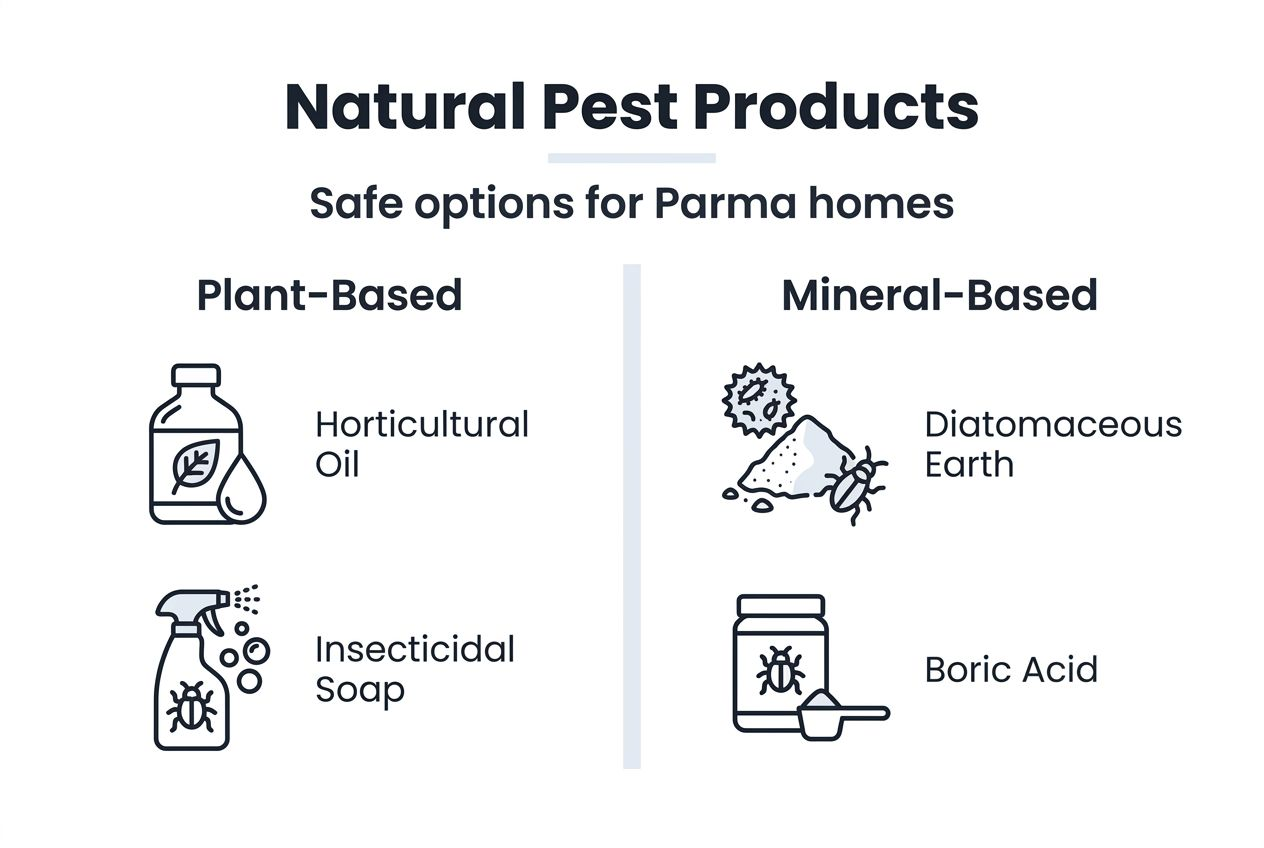
Horticultural oils and insecticidal soaps excel against soft-bodied pests like aphids, mites, whiteflies, and scale insects. These products work by suffocating pests on contact, so thorough coverage of all plant surfaces matters critically. Mix products according to label directions and spray until leaves glisten but don’t drip.
Apply natural pest control products only when you confirm pest presence through monitoring. Preventive applications waste product and potentially harm beneficial insects. Target your treatments to infested areas rather than broadcasting across your entire home.
Key application guidelines for success:
- Spray early morning or late evening when target pests are most active
- Ensure complete coverage of leaf undersides where many pests hide
- Reapply every 7-10 days during active infestations until control achieved
- Avoid spraying on hot, sunny days which can damage treated plants
- Test new products on a small area first to check for plant sensitivity
Diatomaceous earth works mechanically by damaging insect exoskeletons, causing dehydration. Apply thin layers in cracks, crevices, and areas where crawling insects travel. This product loses effectiveness when wet, so reapply after cleaning or moisture exposure.
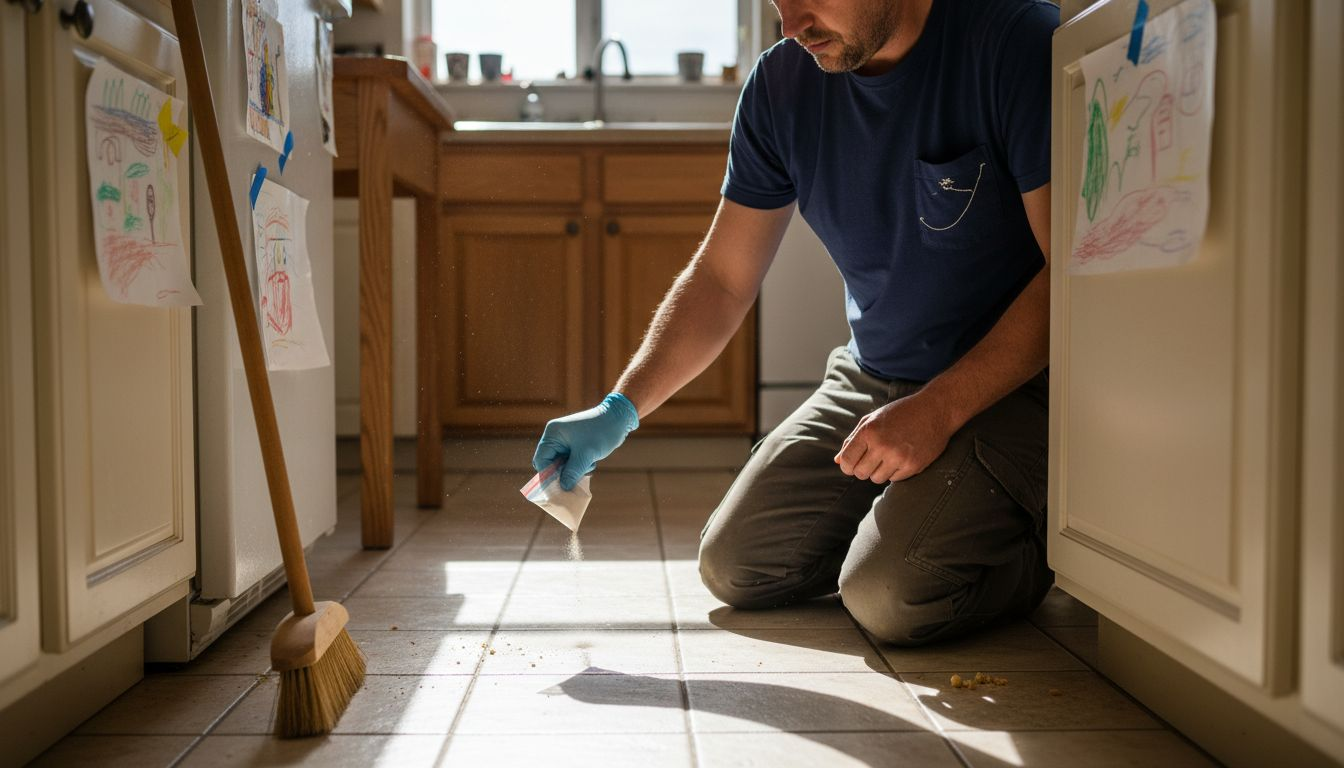
Boric acid baits target ants and cockroaches that carry the product back to nests, affecting entire colonies. Place baits in areas where you observe pest activity but away from children and pets.
Natural insecticides degrade within days, requiring reapplication every 7-10 days during active infestations. This rapid breakdown makes them safer but demands consistent monitoring and follow-up treatments for lasting control.
Pro Tip: Always read and follow product labels exactly. Even organic products can harm plants or beneficial insects when misapplied or over-concentrated.
Cultural and mechanical methods to supplement organic treatments
Beyond natural pesticides, cultural practices and physical controls reduce pest populations sustainably without any chemical input. These methods form the backbone of effective organic pest management at home.
Regular sanitation disrupts pest breeding sites and removes attractants. Vacuum frequently to eliminate insect eggs, larvae, and food debris. Dispose of vacuum bags immediately in sealed outdoor trash. Clean behind appliances and furniture where pests hide and breed undisturbed.
Physical barriers and traps provide non-chemical control options:
- Install door sweeps and window screens to exclude flying and crawling pests
- Use sticky traps to monitor and capture insects in problem areas
- Deploy snap traps or live traps for rodent control
- Create barriers with copper tape around planters to deter slugs and snails
- Remove clutter that provides hiding spots for pests
Maintain plant health through proper watering, fertilizing, and pruning. Healthy plants resist pest damage better than stressed specimens. Strong root systems and vigorous growth help plants tolerate some pest presence without significant harm.
Boost soil microbial activity by adding compost and organic matter. Beneficial soil organisms compete with pest larvae and create unfavorable conditions for pest reproduction. Cultural control practices can reduce pest populations by 20-50% through habitat modification alone.
Rotate indoor plants to different locations periodically. This breaks pest life cycles by separating pests from their preferred host plants. Move heavily infested plants outdoors temporarily if weather permits, allowing natural predators to help control populations.
Eco-friendly pest control methods combine these cultural and mechanical approaches with targeted organic pesticide use for comprehensive pest management that protects your family and environment.
Common mistakes and troubleshooting in organic pest control
Even experienced homeowners make errors that reduce organic pest control effectiveness. Recognizing these pitfalls helps you achieve better results while protecting beneficial insects.
Avoid applying natural insecticides without confirming pest presence first. Frequent, unnecessary application can reduce natural insecticide effectiveness by over 30% and harms beneficial organisms unnecessarily. Always monitor before treating.
Common mistakes to avoid:
- Skipping thorough coverage of all infested surfaces, leaving pest refuges untreated
- Applying products during midday heat when beneficial pollinators are most active
- Using concentrations stronger than label recommendations, risking plant damage
- Failing to reapply products on the correct schedule during infestations
- Mixing incompatible products without checking label compatibility
Protect beneficial insects by timing applications carefully. Ladybugs, lacewings, parasitic wasps, and ground beetles all help control pest populations naturally. Broad spraying during their active periods decimates these allies and can worsen pest problems long term.
Monitor pest levels regularly between treatments. If populations aren’t declining after two applications, reassess your identification and chosen control method. You may be targeting the wrong pest or missing a key breeding site.
Store organic pesticides in original containers in cool, dry locations away from children and pets. Many products degrade with heat or light exposure, losing effectiveness. Dispose of expired or unwanted products at household hazardous waste collection events, never down drains.
Pro Tip: If you’re not seeing results after three weeks of consistent organic treatments, consider consulting a professional. They can identify hidden pest sources or recommend targeted approaches specific to your situation.
Avoiding common organic pest control mistakes ensures your efforts translate into actual pest reduction while maintaining a healthy home environment.
Expected outcomes and success metrics from organic pest control
Setting realistic expectations helps you stay committed to organic methods and recognize when your approach is working. Organic pest control operates differently than conventional treatments, requiring patience and consistent effort.
Most home organic pest control regimes achieve significant pest reduction within the first month when applied correctly. You should expect 50-70% pest reduction within 2-4 weeks of starting your program. Complete elimination may take longer, especially for established infestations.
Consistent monitoring and follow-up treatments prove vital for success. Check treated areas weekly using sticky traps, visual inspections, or other monitoring methods appropriate to your target pest. Track pest numbers to confirm your treatments are working.
| Timeframe | Expected Outcome | Action Required |
|---|---|---|
| Week 1-2 | Initial pest reduction 20-30% | Continue monitoring, first reapplication |
| Week 3-4 | Reduction reaches 50-70% | Evaluate effectiveness, adjust as needed |
| Week 5-6 | Minimal new activity observed | Reduce treatment frequency, maintain prevention |
| Week 7+ | No new pest signs for 2+ weeks | Maintain sanitation and monitoring only |
Success indicators include no new pest signs, droppings, or damage for at least two consecutive weeks. You should observe declining pest numbers on sticky traps and fewer sightings during inspections. Plants show reduced damage and new growth appears healthy.
Maintaining prevention practices sustains long-term control after initial success. Continue sanitation routines, keep entry points sealed, and monitor regularly even when pests seem gone. Populations can rebound quickly if you abandon preventive measures.
Track your organic pest control outcomes in a simple log to identify what works best for your specific situation. This record helps you respond quickly if pests return.
Safety and environmental considerations
Protecting your family, pets, beneficial insects, and local ecosystem remains paramount throughout your organic pest control journey. Even natural products require careful handling to prevent unintended harm.
Apply organic pesticides during early morning or late evening to avoid bees and other pollinators. Misapplication increases pollinator mortality risk by up to 40%, threatening these critical species that support gardens and food production throughout Parma.
Essential safety practices:
- Store all pesticides securely in locked cabinets away from children and pets
- Wear protective gloves and eyewear when mixing and applying products
- Keep treated areas off limits until sprays dry completely per label instructions
- Dispose of leftover products and empty containers according to label directions
- Never pour excess pesticides down drains, toilets, or storm sewers
Avoid broad spraying that contacts beneficial insects, earthworms, and soil organisms. Target your applications precisely to infested areas only. Spot treatments reduce environmental impact while still controlling pests effectively.
Educate family members about pest control safety tips so everyone understands proper handling and storage requirements. Inform neighbors if you’re treating shared areas or outdoor spaces where their children or pets might access.
Rinse application equipment thoroughly after each use and store in designated areas. Cross contamination between products can create unexpected reactions or reduce effectiveness.
Follow all EPA pest control safety guidelines and product label instructions exactly. Labels provide legal requirements for safe use, and deviating from these directions can create liability and health risks.
Respect the Xerces Society organic pesticide safety guidelines that emphasize pollinator protection. Your pest control choices affect the broader ecosystem beyond your property boundaries.
Protect your home with expert organic pest solutions
While DIY organic pest control works for many Parma homeowners, professional services provide expertise and access to commercial-grade organic products that exceed typical home treatments. Licensed technicians understand Ohio pest behavior patterns and can identify problems you might miss.
Apex Pest Control specializes in eco-friendly pest management tailored specifically for Northeast Ohio homes. Our team uses proven organic methods combined with IPM principles to deliver lasting results that protect your family and pets. We monitor treatment effectiveness and adjust approaches based on your specific pest challenges.
Benefit from professional-grade organic products and precision application techniques that maximize effectiveness while minimizing environmental impact. Our technicians provide ongoing monitoring that catches pest issues before they become infestations, saving you time and frustration.
Explore top residential pest solutions to find the service level that matches your needs. Whether you need one-time treatment or ongoing protection, Apex offers transparent pricing and reliable results backed by over 200 five-star reviews.
Connect with local exterminators in Parma who understand regional pest pressures and seasonal patterns. Contact Apex Pest Control today for a free quote and consultation to protect your home with safe, effective organic pest solutions.
Frequently asked questions
What are the most common pests in Parma, Ohio homes?
Parma homes frequently experience issues with ants, spiders, cockroaches, mice, and aphids on indoor plants. Carpenter ants and pavement ants invade kitchens seeking food and moisture, while house spiders build webs in corners and basements. German cockroaches thrive in warm, humid areas like kitchens and bathrooms. Common Ohio pests vary by season, with rodents seeking indoor shelter during fall and winter months.
How often should I reapply natural insecticides during an infestation?
Reapply natural insecticides approximately every 7-10 days while pest activity continues. Natural products degrade rapidly from sunlight, moisture, and microbial action, losing effectiveness within days. Monitor pest populations closely between applications using sticky traps or visual inspections to determine whether additional treatments remain necessary. Once you observe two consecutive weeks without new pest activity, you can stop regular applications and return to monitoring-only mode.
What is the best time to apply organic pesticides to protect pollinators?
Apply during early morning or late evening to avoid bee activity and reduce harm to beneficial pollinators. Bees and other pollinators are least active during these cooler periods, minimizing their exposure to treatments. Never spray flowering plants during midday when pollinator activity peaks. Check pest control safety tips for Ohio homes for additional guidance. The Xerces Society pesticide timing guidelines provide detailed recommendations for protecting beneficial insects.
Can organic pest control completely eliminate severe infestations?
Organic methods can significantly reduce even severe infestations, though complete elimination may require more time and persistence than conventional treatments. Expect 50-70% reduction within the first month, with continued improvement through sustained monitoring and reapplication. Severe infestations often benefit from professional intervention that combines commercial organic products with precision application and ongoing monitoring to achieve complete control.
Are organic pesticides safe around children and pets?
Organic pesticides are generally safer than synthetic alternatives but still require proper handling and application. Always follow label instructions regarding drying times before allowing children or pets into treated areas. Store all products securely in locked cabinets away from curious hands and paws. Some natural products like boric acid and diatomaceous earth can irritate lungs if inhaled, so apply carefully and avoid creating airborne dust. When in doubt, consult product labels or contact a professional for guidance specific to your household situation.
Recommended
- Organic Pest Control Methods for Safe Pest Management
- 7 Essential Pest Control Safety Tips for Ohio Homes
- 7 Integrated Pest Management Examples for Safer Homes
- Effective Pest Removal Safety Tips for Your Home
- Pflanzenschutz bei Bäumen: Verantwortung für gesunde Grünflächen – SPEZ AG – Spezialist im grünen Bereich