



TL;DR:
- Cleveland’s aging infrastructure and climate create ideal conditions for year-round rodent infestations.
- Combining trapping, baiting, and exclusion methods reduces allergens and effectively controls rodents.
- Persistent prevention and property maintenance are essential for lasting rodent control beyond professional treatments.
If you think a few snap traps and some steel wool will keep Cleveland’s rodents at bay, you’re not alone, but you’re also not fully protected. Cleveland’s aging housing stock, harsh winters, and dense urban neighborhoods create near-perfect conditions for mice and rats to move in and stay. The good news is that modern, evidence-based pest management has changed the game. Research shows that combining trapping, baiting, and exclusion can reduce mouse allergen by 85 to 97% compared to older single-method approaches. This guide breaks down why Cleveland properties are so vulnerable, which strategies actually work, how to pick the right provider, and what you can do starting today.
Table of Contents
- Why Cleveland faces ongoing rodent problems
- Evidence-based solutions: What actually works
- Choosing a rodent control provider in Cleveland
- Step-by-step: Safeguarding your property against rodents
- The overlooked truth: Lasting rodent control is about behavior change
- Connect with expert rodent control in Cleveland
- Frequently asked questions
Key Takeaways
| Point | Details |
|---|---|
| Integrated control works best | Combining trapping, baiting, and exclusion can reduce rodent issues by up to 97 percent according to scientific studies. |
| Choose the right provider | Companies with strong reviews and clear methods deliver better long-term value and satisfaction. |
| Prevention is critical | Routine property checks and simple fixes make your home or business far less attractive to rodents. |
| Behavior change matters | Changing how you store food, manage trash, and fix gaps is the hidden key to keeping rodents out for good. |
Why Cleveland faces ongoing rodent problems
Cleveland is not a city that makes rodent control easy. The combination of urban density, aging infrastructure, and a climate that swings from brutal winters to humid summers creates conditions where mice and rats thrive year-round. Understanding these local pressures is the first step toward solving the problem for good.
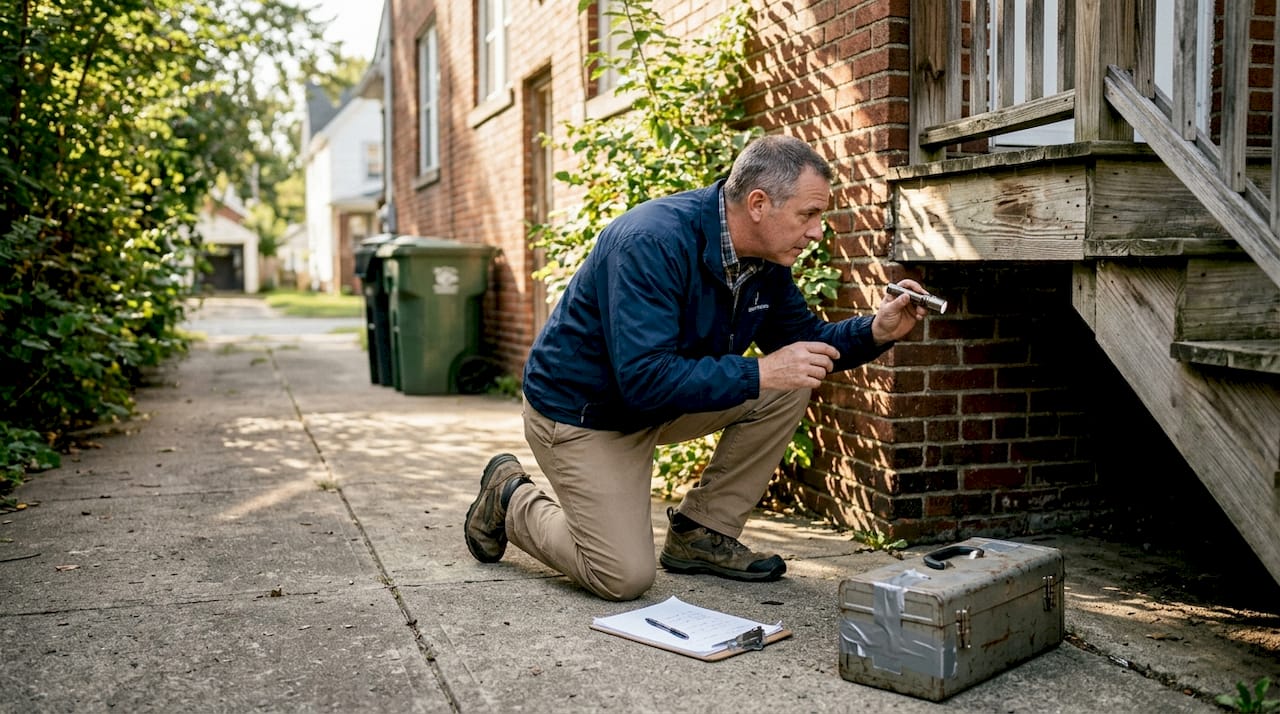
When temperatures drop in late fall, rodents actively seek warmth. A mouse can squeeze through a gap as small as a dime, and Cleveland’s older homes, many built before 1960, are full of these entry points around pipes, foundations, and utility lines. Rats are just as resourceful, burrowing under porches and entering through deteriorating sewer lines. The problem is not random. It is structural.
Here are the most common conditions that make Cleveland properties vulnerable:
- Aging foundations and brick exteriors with cracks that are easy to miss during routine inspections
- Unsecured trash and recycling bins that serve as reliable food sources, especially in densely populated neighborhoods
- Overgrown landscaping and wood piles stored close to the building, which provide ideal nesting spots
- Gaps around HVAC systems, plumbing, and utility entry points that are rarely sealed after installation
- Shared walls in multi-unit buildings where a problem in one unit quickly becomes everyone’s problem
One of the costliest mistakes property owners make is responding only when they see a rodent. By that point, the population is already established. Rodents reproduce fast, with a single female mouse capable of producing up to 10 litters per year. Waiting to act is never the right call.
“Most Cleveland homeowners treat rodent problems reactively. The properties that stay clean are the ones where owners treat prevention as a year-round maintenance task, not a crisis response.”
For local rodent removal that addresses these specific vulnerabilities, you need a strategy built around Cleveland’s actual conditions, not a generic national template. Following Ohio rodent prevention tips tailored to the region’s climate and housing stock makes a measurable difference. And the mouse allergen reduction study confirms that integrated methods reduce allergens by up to 97%, which matters especially for households with children or allergy sufferers.
Evidence-based solutions: What actually works
Understanding the causes helps, but knowing which solutions actually deliver results is what protects your property. The pest control industry has come a long way from placing a few traps and calling it done.
Modern integrated pest management, or IPM, combines multiple strategies that work together. No single method is enough on its own. The scientific pest control data is clear: the combination of trapping, baiting, and physical exclusion outperforms any one approach by a wide margin.

| Method | Effectiveness alone | Effectiveness combined (IPM) |
|---|---|---|
| Trapping only | Moderate | High |
| Baiting only | Moderate | High |
| Exclusion only | Moderate | High |
| All three combined | N/A | 85 to 97% allergen reduction |
Here is a numbered approach you can use to implement evidence-based rodent control at your home or business:
- Inspect thoroughly. Walk the full perimeter of your property and check inside for droppings, gnaw marks, grease trails along walls, and any gaps larger than a quarter inch.
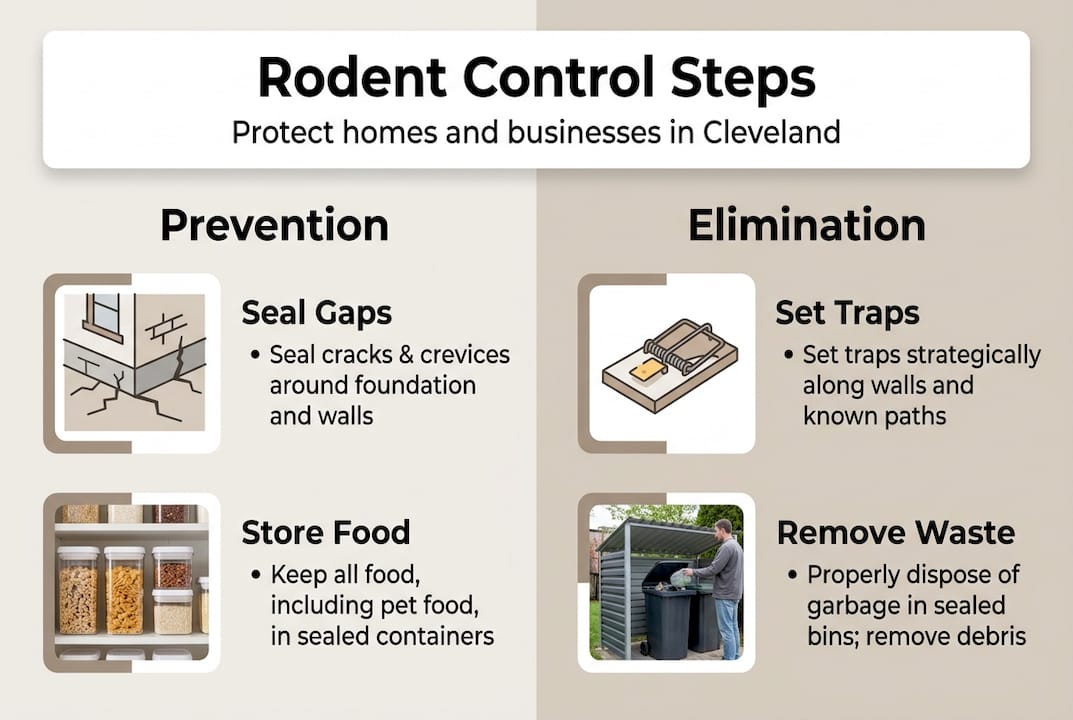
- Seal entry points first. Use steel wool, caulk, or metal flashing to close gaps around pipes, vents, and the foundation before placing any traps.
- Set traps strategically. Place snap traps along walls and behind appliances where rodents travel. Avoid open floor placement, as rodents hug surfaces.
- Add tamper-resistant bait stations. In areas with heavy activity, bait stations add a second layer of control, especially for rats.
- Monitor and adjust. Check traps every 24 to 48 hours. Move them if activity shifts. Rodents learn and adapt, so your approach needs to as well.
- Follow up with sanitation. Remove nesting materials, clean up food debris, and eliminate harborage (shelter) areas that could attract new rodents.
Following safe rodent control steps protects your family and pets while maximizing effectiveness. The rodent prevention checklist is a practical companion to keep these steps organized.
Pro Tip: Exclusion is the most underused step in DIY rodent control. Traps catch what is already inside. Sealing entry points stops the next wave from getting in. Do not skip it.
Choosing a rodent control provider in Cleveland
Once you know the best practices, it is critical to select a skilled and trustworthy professional if you need outside help. Not all providers are equal, and the differences matter more than most people realize.
Cleveland homeowners have options ranging from large national chains to locally focused companies. Cleveland rodent provider reviews show that Orkin rates 4.5 out of 5 and is frequently cited as a top pick for rodent control, while Terminix and local providers like DHS Pest Control and Rodent Control Cleveland, which has earned over 300 five-star reviews, also serve the area well. Each comes with trade-offs.
| Provider | Type | Strengths | Watch out for |
|---|---|---|---|
| Orkin | National | Strong training, proven methods | Some upsell complaints |
| Terminix | National | Wide service area, guarantees | Variable technician quality |
| DHS Pest Control | Local | Personalized service | Smaller coverage area |
| Rodent Control Cleveland | Local | 300+ five-star reviews | Availability during peak season |
| Apex Pest Control | Local/Regional | Ohio-focused, since 1969 | Book early in fall season |
Before you hire anyone, ask these questions:
- Do you use integrated pest management, and can you explain what that means for my property?
- What is included in your guarantee, and what happens if rodents return?
- Are your technicians licensed in Ohio, and how is their training kept current?
- Will you provide a written treatment plan before starting work?
- How do you handle follow-up visits and ongoing monitoring?
For a deeper look at your options, the guide to best pest control Cleveland walks through top providers in detail. You can also review comparing pest control providers to weigh your choices side by side.
Pro Tip: Look for the phrase “integrated pest management” in a company’s service descriptions. If it is not there, ask directly. Providers who cannot explain their multi-step approach are likely relying on outdated single-method tactics.
Step-by-step: Safeguarding your property against rodents
Even with a good provider, creating a rodent-resistant property depends on ongoing action from you or your team. Professional treatments work best when paired with consistent property management habits.
Here is a practical numbered checklist to keep your property protected:
- Schedule a full inspection twice a year. Do this in early spring and late fall, when rodents are most actively searching for food and shelter.
- Audit your sanitation practices. Store all food, including pet food, in sealed containers. Empty indoor trash cans daily and use bins with tight-fitting lids outdoors.
- Seal every gap you find. Pay close attention to where pipes and wires enter the building. Use durable materials like copper mesh or metal flashing, not just foam.
- Set up a monitoring system. Even if you have no active infestation, glue boards or tracking powder in key areas alert you to early activity before it becomes a serious problem.
- Call a professional at the first confirmed sign. A single rodent sighting inside your home is enough. Do not wait for more evidence.
Routinely check these common problem areas:
- Behind and under kitchen appliances, especially the stove and refrigerator
- Inside utility closets and around water heaters
- Along basement walls and near floor drains
- In attic spaces, especially near soffit vents
- Around exterior doors and garage door seals that have worn down
For property managers, assign these checks to a maintenance schedule rather than leaving them to chance. Cleveland rodent control tips specific to multi-unit properties can help you build a system that scales. Pairing these steps with general pest prevention advice keeps your full property protected, not just the areas where you have seen activity.
The overlooked truth: Lasting rodent control is about behavior change
After more than five decades helping Ohio homeowners and property managers, we have seen a pattern repeat itself. A property gets treated, the rodents disappear, and within a season or two, the problem is back. The treatment worked. The habits did not change.
Physical fixes like sealing gaps and setting traps are only half the equation. The other half is what happens between service visits. How trash is stored, how quickly spills are cleaned up, whether landscaping is trimmed back, and whether maintenance requests get addressed promptly. These behavioral factors determine whether a rodent problem comes back.
The uncomfortable truth is that many Cleveland properties stay in a costly cycle because owners focus on eliminating pests rather than eliminating the conditions that attract them. A professional can clear an infestation, but if the food sources and entry points return, so will the rodents.
Our complete pest control guide covers this in detail, but the short version is this: rodent control is a maintenance mindset, not a one-time fix. The properties that stay clean are the ones where prevention is built into the routine, not treated as an emergency response.
Connect with expert rodent control in Cleveland
Apex Pest Control has been protecting Ohio homes and businesses since 1969, and our approach is built on the same evidence-based methods this article covers. Whether you are dealing with an active infestation or want to prevent one before it starts, our team uses integrated pest management to deliver real, lasting results.
Explore your options with our rodent pest extermination services, or review the safe rodent control steps we follow to protect your family and property. If you need help fast, fast rodent removal near you connects you with local service quickly. Call us today for a free quote and take the first step toward a rodent-free property.
Frequently asked questions
What is the most effective rodent control method for Cleveland homes?
A combination of trapping, baiting, and sealing entry points is the most effective approach, with research showing it can reduce rodent allergens by 85 to 97% compared to conventional single-method control.
How do I choose a reliable rodent control company in Cleveland?
Look for companies with strong local reviews, clear explanations of their methods, and documented use of integrated pest management. Cleveland provider ratings show Orkin, DHS, and Rodent Control Cleveland among the most reviewed options in the area.
Can DIY rodent control work or should I always hire professionals?
DIY prevention steps like sealing gaps and removing food sources are genuinely effective for early-stage problems, but established or recurring infestations need a professional using proven multi-step methods to get lasting results.
Are rodent problems worse in older Cleveland neighborhoods?
Yes. Older buildings with more cracks, aging foundations, and outdated utility penetrations give rodents far more ways to enter, making control more difficult and prevention even more important.