



TL;DR:
- Termites cause internal wood damage and leave subtle signs like mud tubes and frass.
- DIY inspections and professional treatment are key to preventing costly home repairs.
- Regular pest control habits help Ohio homeowners avoid long-term termite-related damage.
Termites are working right now in homes across Ohio, and most homeowners have no idea. These insects eat wood from the inside out, meaning the damage is well underway before you ever see a single bug. By the time you notice sagging floors or crumbling baseboards, repairs can run into tens of thousands of dollars. The good news is that termites do leave clues. You just need to know where to look. In this article, we’ll walk you through the most common warning signs, how to tell termites apart from other pests, the subtle signals people miss, and exactly what to do if you suspect an infestation.
Table of Contents
- Most common signs of termite infestation in Ohio homes
- How to distinguish termite damage from other pests
- Early warning signs: Subtle clues homeowners often miss
- What to do if you see signs of termite activity
- A pest professional’s perspective: What Ohio homeowners should really focus on
- Need help? Fast action on termites saves money and stress
- Frequently asked questions
Key Takeaways
| Point | Details |
|---|---|
| Common warning signs | Mud tubes, hollow wood, and termite droppings are major red flags homeowners should check. |
| Early detection matters | Spotting the issue early can prevent extensive, costly home repairs. |
| Know the differences | Termite signs can look like other pests—learning to tell them apart is crucial. |
| Professional help | Calling a pest expert ensures proper inspection and long-term protection for your home. |
Most common signs of termite infestation in Ohio homes
Termites rarely announce themselves. They work quietly inside walls, floors, and foundations, sometimes for years before the damage becomes obvious. That’s what makes them so dangerous. Termites cause billions in property damage annually across the U.S., and Ohio homeowners are not immune to that threat.
Here are the most common signs to watch for:
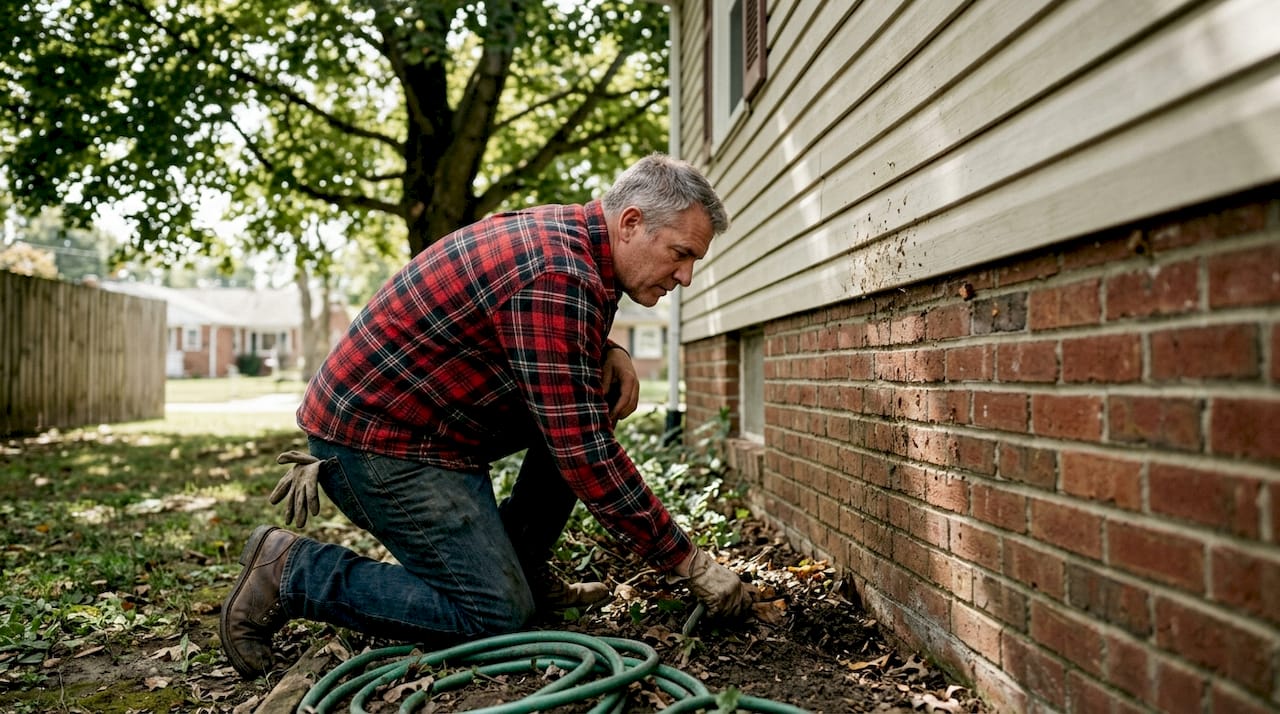
- Mud tubes along your foundation. Subterranean termites, the most common type in Ohio, build pencil-thin tunnels made of soil and wood particles. You’ll often find them running up concrete foundation walls, basement supports, or crawl space beams. These tubes protect termites from open air and are one of the clearest signs of an active colony.
- Hollow-sounding or damaged wood. Tap on wooden beams, floors, or door frames with your knuckle. If it sounds hollow or papery instead of solid, termites may have eaten through it from the inside. You might also notice blistered paint that looks like water damage, or floors that feel soft and springy underfoot.
- Frass near baseboards or entry points. Drywood termites leave behind tiny pellets called frass, which is basically their droppings. It looks like fine sawdust or coffee grounds and often piles up near baseboards, windowsills, or small holes in wood.
- Discarded wings near windows and doors. Termites swarm in spring to start new colonies. After swarming, they shed their wings. Finding small, equal-length wings piled on a windowsill or near a light source is a strong indicator that a swarm happened recently nearby. Check out signs of termites for a detailed visual guide.
- Clicking sounds inside walls. Soldier termites bang their heads against wood to signal danger to the colony. If you press your ear to a wall and hear faint clicking or rustling, that’s worth investigating.
Knowing the difference between ants and termites is also essential, since swarms of both insects can look similar at first glance.
| Sign | Where to look | Urgency level |
|---|---|---|
| Mud tubes | Foundation, basement walls | High |
| Hollow wood | Floors, beams, door frames | High |
| Frass (droppings) | Baseboards, windowsills | Medium |
| Discarded wings | Near windows, doors, lights | Medium |
| Clicking sounds | Interior walls | High |
If you want to get ahead of a potential problem, our DIY termite inspection tips can walk you through a thorough self-check of your property.
How to distinguish termite damage from other pests
Not all wood damage comes from termites. Here’s how to sort out what you’re really dealing with.
Carpenter ants are a common culprit that gets confused with termites. Ants and termites are commonly misidentified due to their similar behaviors and appearances, but the damage they leave behind is actually quite different. Termites consume wood as food, so their tunnels are packed with soil and fecal material. Carpenter ants only excavate wood for nesting, so their galleries are clean, smooth, and almost polished-looking.
Here’s a quick comparison to help you tell them apart:
| Feature | Termites | Carpenter ants | Wood-boring beetles |
|---|---|---|---|
| Tunnels | Packed with soil/frass | Clean and smooth | Round exit holes |
| Wings | Equal length | Front wings longer | Rarely seen |
| Droppings | Tiny pellets (frass) | Coarse sawdust | Fine powder near holes |
| Wood damage | Eaten from inside | Hollowed galleries | Surface exit holes |
Visual cues that point specifically to termites:
- Wood that looks layered or honeycombed inside
- Mud-packed tunnels inside or on the surface of wood
- Paint that bubbles or warps without any water source nearby
- Structural wood that crumbles when pressed
For guidance on pest management for Ohio homes, it helps to understand which pest you’re dealing with before taking any action.
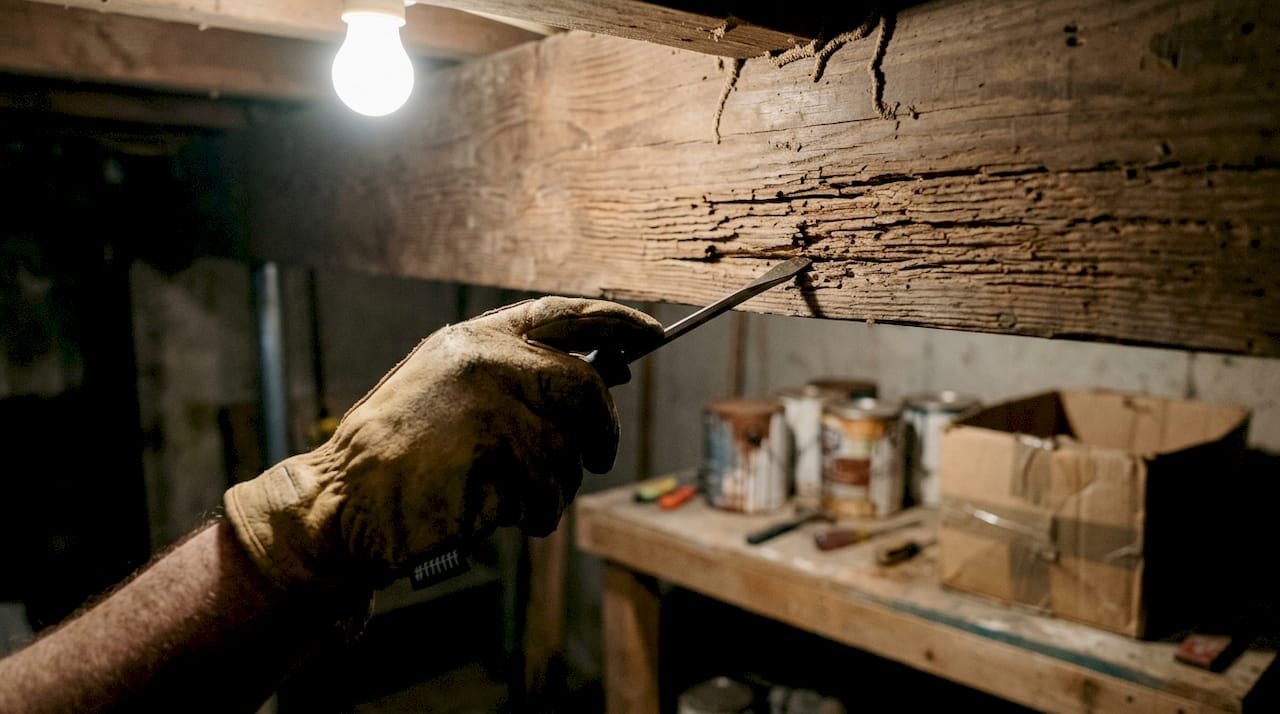
Pro Tip: Press a flathead screwdriver gently into suspicious wood. If it sinks in with little resistance or the wood crumbles, termite damage is likely. Carpenter ant damage will feel more like a hollow cavity rather than a soft, deteriorated structure.
The EPA termite identification resource also provides useful guidance on telling different wood-destroying insects apart.
Early warning signs: Subtle clues homeowners often miss
While dramatic damage grabs attention, smaller clues can signal termites just as clearly, if you know what to look for.
Many Ohio homeowners don’t realize they have a termite problem until the damage is severe. That’s because the early signs are easy to dismiss as normal wear or seasonal shifts in your home. Sagging floors and tight-fitting doors are often the first indicators of termite infestation, yet most people chalk them up to humidity or settling.
Here are the subtle clues worth taking seriously:
- Doors and windows that suddenly stick. Termites produce moisture as they eat through wood, which causes frames to warp. If a door that used to swing freely now drags against the frame, that’s a red flag.
- Unexplained hairline cracks in drywall. As termites damage the wood structure behind walls, the surface material can shift and crack. These cracks often appear near corners of door frames or ceilings.
- Paint that looks distorted or bubbled. Termite activity below the surface creates moisture and pressure that pushes paint outward. It can look identical to water damage, which is why it’s so often misread.
- Floors that feel soft or bounce slightly. Subfloor damage from termites can make solid floors feel spongy. Walk slowly through your basement or first floor and pay attention to any unusual give underfoot.
- Tiny holes in drywall or wood surfaces. Drywood termites sometimes create small exit holes when swarming. These can be easy to miss unless you’re specifically looking for them.
“The most dangerous termite infestations are the ones homeowners explain away. A sticking door, a soft floor, a little paint bubbling. These aren’t random. They’re a pattern, and that pattern has a cause.”
The benefits of regular pest inspections become clear when you consider how many of these subtle signs go unnoticed for months or years. For a broader picture of what these clues look like in real homes, Orkin’s signs of termites resource is worth reviewing.
What to do if you see signs of termite activity
If you spot even one warning sign, knowing your next steps can save you time, money, and stress.
The worst thing you can do is ignore it or immediately start tearing into walls. Acting without a plan can disturb the colony, scatter termites, and make a professional inspection harder. Here’s what to do instead:
- Document everything first. Take clear photos and short videos of every suspicious area before touching anything. Note where you found the sign, what it looks like, and when you noticed it.
- Avoid disturbing the area. Don’t spray chemicals, seal holes, or remove damaged wood before a professional has seen it. Disturbing the site can mask evidence and make accurate identification harder.
- Check nearby areas carefully. If you find mud tubes in one corner of your basement, inspect the rest of the perimeter. Termites rarely stay in one spot.
- Write down your observations. Note any sounds, smells, or patterns. A pest professional will ask you these questions, and your notes can speed up the inspection process.
- Call a licensed pest control professional. Prompt professional inspection is crucial in preventing extensive termite damage. Don’t wait to see if the problem gets worse.
Pro Tip: Take photos in good lighting and include something for scale, like a coin or ruler next to the damage. This helps the inspector assess severity before they even arrive.
Before the inspection, review methods to keep termites out so you understand what conditions may have attracted them. You can also use an expert termite treatment comparison to understand your options before committing to a service.
Safety matters too. Keep children and pets away from any areas where you’ve found signs of activity, and follow pest removal safety tips if you’re doing any preliminary checks yourself. For a clear picture of what happens during a professional visit, what to expect in a termite inspection breaks it down step by step.
A pest professional’s perspective: What Ohio homeowners should really focus on
After decades of treating termite infestations across Ohio, the pattern we see most often isn’t dramatic structural collapse. It’s quiet neglect. Homeowners wait too long, not because they don’t care, but because they don’t realize what they’re looking at.
Ohio’s climate, with its wet springs and humid summers, creates ideal conditions for subterranean termites. Ground-level wood contact is one of the biggest risk factors we see, things like wood mulch piled against siding, deck posts sitting directly in soil, or firewood stacked against the house. These aren’t dramatic mistakes. They’re just habits that invite termites in.
The importance of regular inspections cannot be overstated. An annual check by a licensed professional costs a fraction of what repairs cost after the damage is done. The homeowners who avoid expensive surprises aren’t lucky. They’re consistent. Prevention is not a one-time fix. It’s a habit, and in Ohio’s climate, it’s one that pays for itself every single year.
Need help? Fast action on termites saves money and stress
If you’ve spotted any of the signs covered in this article, don’t wait to see if they go away on their own. Termites don’t stop eating. At Apex Pest Control, we’ve been protecting Ohio homes since 1969, and we know exactly what to look for and how to stop it. You can compare termite treatment options to understand what approach fits your situation, or browse our residential pest control guide for a broader look at protecting your home. When you’re ready to take action, get a free termite quote and let our local experts give you a clear picture of what’s happening in your home.
Frequently asked questions
How do I check my home for termites myself?
Use a flashlight to inspect exposed wood in your basement and crawl spaces for mud tubes or soft spots, and look for piles of tiny wings or droppings near windows and doors. Our DIY termite inspection guide walks you through the full process.
Are termites common in Ohio homes?
Yes, termites are a year-round threat in Ohio due to the region’s humid climate and abundance of wood-frame homes. Learn more about the termite threat in Ohio and why it affects both homes and businesses.
What time of year are termites most active in Ohio?
Spring through summer is peak termite swarming season in Ohio, but colonies can remain active within structures year-round. Termite swarming season occurs mainly in spring and early summer according to Ohio State University Extension.
Are termite treatment services worth the cost?
Yes, professional termite treatment can prevent thousands of dollars in structural damage and gives you reliable peace of mind. Given that termites cause billions in U.S. property damage each year, early treatment is almost always the smarter financial decision.