



TL;DR:
- Proper pest management in Ohio restaurants requires risk assessment, documentation, and staff involvement.
- Consistent prevention habits like sanitation, sealing entry points, and monitoring are essential.
- Seasonal adjustments and professional support help maintain compliance and prevent infestations.
Essential restaurant pest management steps for Ohio compliance
One failed health inspection can shut your doors, damage your reputation, and cost thousands of dollars in lost revenue before you ever serve another meal. Ohio restaurants face real pressure to stay compliant, and pest management is one of the most scrutinized areas on any inspector’s clipboard. The good news is that effective pest control is not a mystery. It follows a clear, repeatable process that any owner or manager can implement and maintain. This guide walks you through each step, from initial risk assessment through documentation and response, so you can protect your business, your customers, and your license.
Table of Contents
- Assessing risks and preparing for pest management
- Implementing operational prevention steps
- Targeted pest-proofing and seasonal strategies
- Monitoring, documentation, and responding to pest risks
- Why most restaurants miss the mark on pest management (and how to avoid their mistakes)
- Take the next step with professional pest support
- Frequently asked questions
Key Takeaways
| Point | Details |
|---|---|
| Start with risk assessment | Assess your restaurant’s unique pest risks and check all compliance requirements before you act. |
| Prevention is critical | Effective sanitation, waste control, and entry sealing keep pests out and satisfy inspectors. |
| Seasonal strategies matter | Adapt your pest management to Ohio’s changing pest pressures for year-round protection. |
| Document and respond | Regular monitoring and timely, well-documented responses ensure rapid compliance and safety. |
Assessing risks and preparing for pest management
Before you treat anything, you need to know what you are dealing with. A thorough risk assessment is the foundation of every successful pest management plan, and skipping it is one of the most expensive mistakes a restaurant can make.
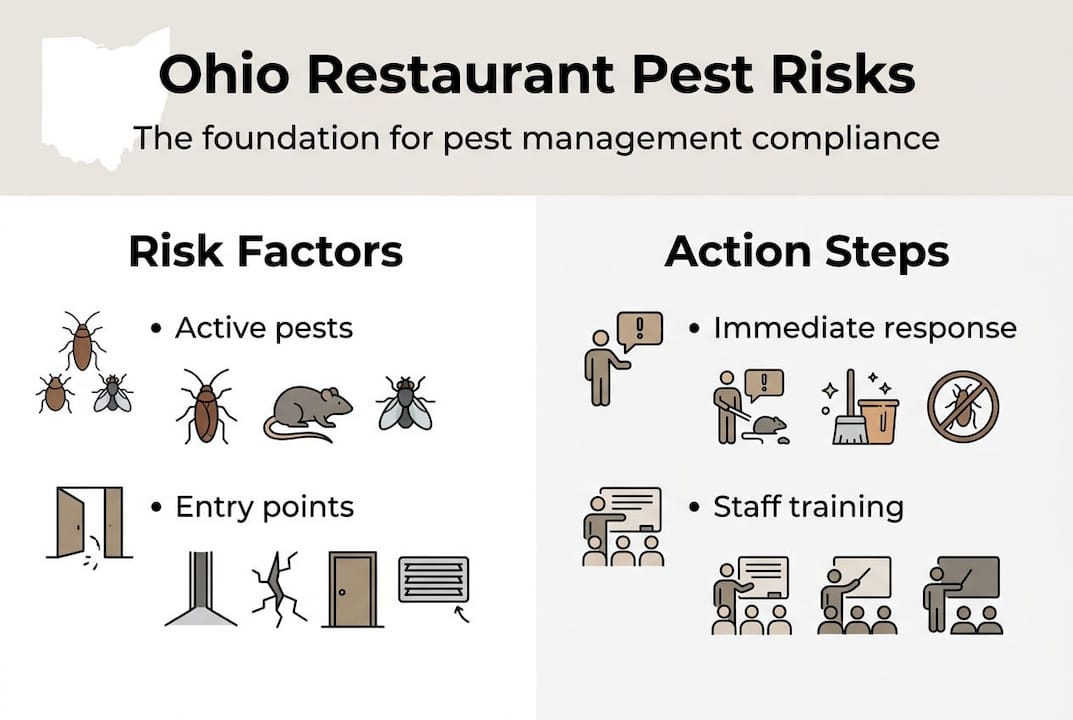
Start with a visual inspection. Walk your entire facility, including storage rooms, utility areas, restrooms, and the exterior perimeter. Look for droppings, gnaw marks, grease trails, live or dead insects, and damaged packaging. Pay close attention to moisture sources. Leaking pipes, condensation buildup under equipment, and poorly draining floor drains are among the top attractants for cockroaches, flies, and rodents. Note every gap, crack, or opening you find, especially around utility penetrations, door frames, and loading dock areas. A solid restaurant checklist for Ohio makes this process faster and more consistent.
Know what compliance requires. Ohio food service establishments operate under state and local health regulations that include specific pest management expectations. Local Ohio regulations cover licensing and recordkeeping requirements that vary by county, so confirming requirements with your local health department is essential. As county and city public-health offices confirm local requirements alongside state-wide expectations, you need documentation showing ongoing pest monitoring and any treatments applied. Inspectors want evidence that your program is active, not reactive.
Build your materials checklist. Before you can prevent pests, you need the right tools on hand. Common essentials include:
- Flashlights and inspection mirrors for hard-to-see areas
- Sticky traps and glue boards for monitoring insect activity
- Door sweeps and weatherstripping for entry point control
- Non-toxic sealants for small gaps and cracks
- Drain brushes and enzymatic drain cleaners
- A pest sighting log with date, location, and pest type fields
Involve your staff from day one. Your team are your eyes and ears during every shift. Train kitchen staff, dishwashers, and even front-of-house employees to recognize early signs of pest activity and report them immediately. A single employee spotting a cockroach near the prep line and saying nothing can turn a minor issue into a major violation. Review the broader pest control guide to help staff understand what they are watching for and why it matters.
| Risk factor | Severity | Action priority |
|---|---|---|
| Active pest sighting | High | Immediate response required |
| Entry point identified | Medium | Seal within 48 hours |
| Moisture source found | Medium | Repair within 72 hours |
| Harborage area found | High | Remove and sanitize immediately |
| Documentation gap | Medium | Update records same day |
Pro Tip: Build a direct relationship with your local health department contact. Ask them what the most common pest-related violations look like in your county. That conversation alone can save you from a surprise citation.
Implementing operational prevention steps
Once you understand your risks and compliance obligations, daily prevention habits become your most powerful tool. No single treatment will protect your restaurant if the underlying operational conditions invite pests back in.
Follow these core prevention steps in order:
- Sanitation control. Deep clean all food prep surfaces, cooking equipment, and floors at the end of every shift. Pay special attention to grease traps, behind equipment, and under shelving. According to a complete restaurant cleaning guide, operational prevention must include sanitation control, moisture management, entry point sealing, waste management, and monitoring of high-risk areas working together as a system, not as isolated tasks.
- Moisture and leak management. Fix dripping faucets, slow drains, and condensation issues immediately. Standing water is a breeding ground for drain flies and cockroaches. Check refrigeration units for condensate drip pan overflow, which is a problem that gets missed in most weekly walkthroughs.
- Sealing entry points. Use food-safe caulk or expanding foam to close gaps around pipes, conduits, and structural openings. Install door sweeps on all exterior-facing doors, especially loading dock doors that stay open during deliveries.
- Waste control. Assign a specific staff member to manage trash removal before and after each shift. Lined, covered bins inside the kitchen and tight-fitting lids on outdoor dumpsters reduce odor and pest attraction significantly. Review dumpster pad cleaning tips to keep your waste area from becoming a pest magnet.
- Monitoring high-risk zones. Place sticky traps behind equipment, near drains, and inside dry storage rooms. Check them on a set schedule so you catch early activity before it becomes an infestation.
| Prevention method | Effectiveness | Relative cost | Frequency |
|---|---|---|---|
| Daily sanitation | Very high | Low | Daily |
| Sticky trap monitoring | High | Low | Weekly review |
| Door sweeps/seals | High | Low/one-time | Install once, inspect monthly |
| Drain cleaning (enzymatic) | High | Low | Weekly |
| Exterior dumpster management | Medium-high | Low | Every shift |
| Professional inspection | Very high | Moderate | Quarterly minimum |
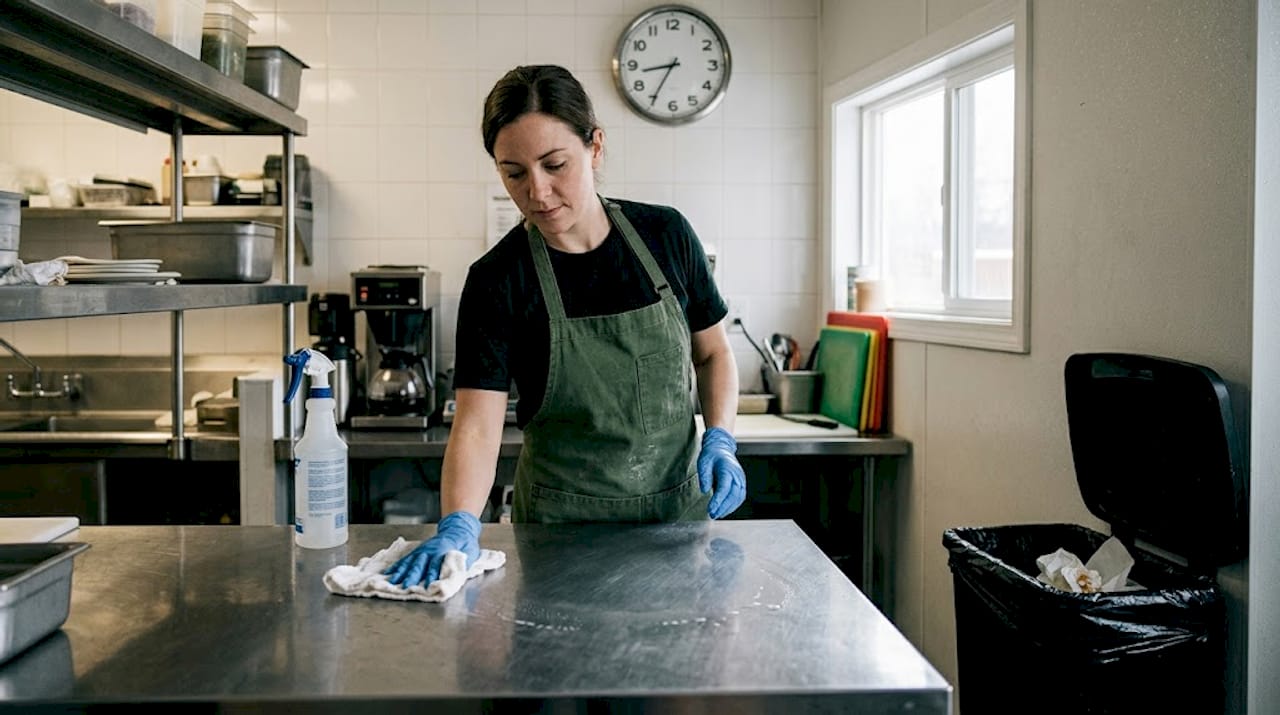
For a broader view of what good prevention looks like, review the must-have steps that commercial kitchens use to stay ahead of violations. Keeping your Ohio food safety compliance record clean depends on these habits being consistent, not occasional.
Pro Tip: Schedule drain checks and trash area inspections at two specific times: right before you open and immediately after you close. These are the windows when pest activity is easiest to detect and fix before service begins or overnight populations grow.
Targeted pest-proofing and seasonal strategies
Basic prevention covers the fundamentals, but Ohio’s climate means your pest pressure changes throughout the year. Rodents push indoors as temperatures drop in fall. Flies and cockroaches peak through summer heat. Ants surge in spring. A static pest plan will always be a step behind.
Inspect and seal structural and utility penetrations. Every pipe, conduit, and vent that passes through your exterior wall is a potential entry route. Walk the building exterior at least once per quarter and probe every penetration point. Use a screwdriver to test whether aging caulk or foam has cracked or pulled away. Even a gap the diameter of a pencil is large enough for a young mouse to enter.
Areas often missed during pest-proofing:
- The gap between your floor drain cover and the drain housing
- Gaps behind wall-mounted equipment like prep tables and shelving units
- Utility chases running vertically between floors
- Roof vents and exhaust fan openings without intact screens
- The seal where walk-in cooler panels meet the floor
- Door threshold gaps on delivery entrances that staff prop open
Adapt your monitoring for Ohio seasonality. Rather than applying treatments on a fixed calendar, increase monitoring around structural and utility penetrations during seasonal transitions and respond to what the traps actually show. This approach, confirmed by kitchen pest control research, focuses on monitoring over unnecessary chemical treatment and saves money while keeping treatments targeted and effective.
“More monitoring, not more chemicals, is the right response to seasonal pest pressure. A trap showing zero activity in November tells you your exclusion work is holding. A trap showing activity tells you exactly where to focus next.”
For ongoing protection between professional visits, following a monthly pest maintenance schedule keeps your team accountable and your facility consistent.
Pro Tip: Use non-toxic silicone sealant and commercial-grade door sweeps as your first line of exclusion. They outlast foam, hold up to cleaning chemicals, and do not require any special licensing to apply. The upfront cost is minimal compared to a single pest-related violation.
Monitoring, documentation, and responding to pest risks
Even the most airtight prevention plan will eventually face a pest event. How you respond in the next 24 to 48 hours determines whether it becomes a footnote in your records or a pattern that draws regulatory attention.
Set up daily and weekly monitoring routines. Assign specific staff to check traps and log results every day in food prep and storage areas. Restrooms and garbage rooms should be checked twice daily. The goal is to detect pressure early, before a single pest sighting becomes a population. A consistent schedule also gives you documentation that proves your program is active, which matters enormously during inspections.
| Zone | Monitoring frequency | What to check | Action threshold |
|---|---|---|---|
| Food prep area | Daily | Traps, droppings, gnaw marks | Any activity triggers report |
| Dry storage | Daily | Traps, damaged packaging | Any activity triggers report |
| Waste/dumpster area | Twice daily | Odor, activity, lid integrity | Any gap or spillage fixed same shift |
| Restrooms | Twice daily | Drain flies, cockroach activity | Any sighting triggers full check |
| Utility/mechanical room | Weekly | Traps, moisture, entry gaps | Trap activity or moisture triggers repair |
Health inspectors look hard at harborage conditions and entry points, and preventing repeat incidents requires fixing the root conditions, not just treating symptoms. Use your audit checklist after any pest event to make sure every corrective step is captured.
When a pest event occurs, follow these steps:
- Isolate the area immediately to prevent cross-contamination with food or food-contact surfaces.
- Identify and fix the root cause: Is there a new entry point? A food spillage that was not cleaned? A drain backup?
- Document everything: date, time, location, pest type, quantity, and what action was taken.
- Contact a licensed pest control professional if the issue goes beyond what your in-house prevention tools can handle.
- Follow up within 48 hours to confirm the corrective action worked and update your pest log accordingly.
Your pest protocols for compliance documentation should include every one of these steps for every event, no matter how minor it seems at the time. Reference your cleaning checklist as part of the corrective action to confirm sanitation was addressed alongside the pest response.
“Inspectors are not just checking whether you have pests. They are checking whether you have a system. Documentation proves you do.”
Why most restaurants miss the mark on pest management (and how to avoid their mistakes)
After decades of working with Ohio food service operations, we have seen the same pattern repeat: a restaurant gets cited, schedules a one-time treatment, checks the box, and considers the problem solved. Six months later, the same issue returns because nothing about the underlying conditions changed.
The real difference maker is not which product you use. It is whether your team executes the same prevention habits every single day, on every shift, regardless of how busy service gets. That requires clear standard operating procedures (SOPs) that every employee understands, not just the manager. If your dishwasher does not know why the drain cover matters, it will be left off. If your prep cook does not know what a cockroach egg case looks like, they will not report finding one.
Building a positive, ongoing relationship with your local health department also pays off in ways most operators ignore. Inspectors respond differently to operators who are proactive versus those who only engage when there is a problem. Sharing your pest management logs voluntarily during routine inspections signals that you run a tight program.
Over-investing in chemical treatments while ignoring structural fixes is another common trap. Chemicals treat symptoms. Sealing entry points, fixing leaks, and enforcing sanitation SOPs address the causes. For a step-by-step framework that brings all of these elements together, the universal steps for restaurant pest success are worth reviewing with your entire management team.
Take the next step with professional pest support
Managing pest control in a busy Ohio restaurant takes more than good intentions. It takes a structured program backed by expertise, documentation, and the right professional support. At Apex Pest Control, we have been helping Ohio food service businesses stay compliant and pest-free since 1969. Our commercial programs are built around your specific facility, your local regulations, and the seasonal pest pressures that affect Ohio kitchens. Whether you need rodent control, ant management, or a customized commercial protocol, we have the tools and track record to deliver results. Start with our commercial pest control checklist or contact us today for a free quote and let us build a program your health inspector will appreciate.
Frequently asked questions
What are the most common pest entry points in restaurants?
The most common entry points are gaps around doors, windows, utility pipes, and foundation cracks that get overlooked during routine cleaning. Sealing these entry points is one of the first operational prevention steps any restaurant should complete.
How often should Ohio restaurants review and update their pest management plan?
Plans should be reviewed at minimum once per season and immediately following any pest event or regulatory update. Seasonal pest spikes require adjusted monitoring intensity rather than fixed treatment schedules.
Does the law require Ohio restaurants to keep pest control records?
Yes. Ohio regulations and most local health departments require documented pest control actions, treatment records, and sighting logs. Local health offices can confirm the exact recordkeeping requirements for your county.
What should staff do first if they spot pests during a shift?
Staff should immediately isolate the affected area, notify the manager, and log the sighting with the date, time, and location for follow-up. Fixing the root conditions that allowed the pest to appear is just as important as the immediate response.