



TL;DR:
- Home prevention in Bedford Heights involves sealing entry points and managing attractants before colonies establish, especially in spring. Common stinging insects include paper wasps, yellowjackets, bald-faced and European hornets, with activity peaking from July to October. Safe nest removal should be done at night with proper protective gear, and household members must be prepared for allergic reactions with emergency supplies and education.
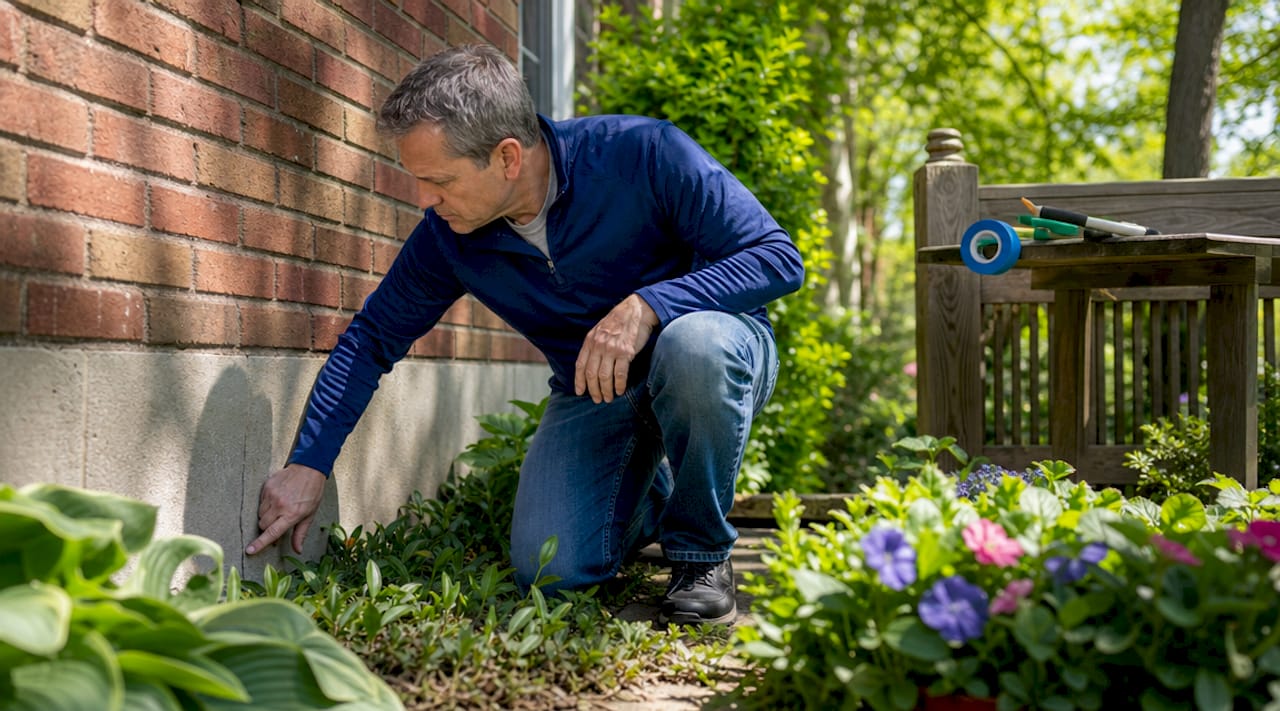
Home stinging insect prevention is the practice of eliminating attractants, sealing entry points, and safely managing nests to reduce sting risks on your Ohio property. Bedford Heights homeowners face a real seasonal challenge: yellowjackets, paper wasps, and hornets become aggressive from late summer through fall, and the older ranch-style and split-level homes common in the area offer dozens of hidden nesting opportunities. Knowing how to control stinging insects before a colony establishes itself is far more effective than reacting after the fact. This guide covers everything from species identification to safe nest treatment, with specific attention to the housing types and climate patterns that define life in Bedford Heights.
What are the common stinging insects in Bedford Heights, Ohio?
Correct insect identification is the foundation of any effective prevention plan. Bedford Heights homeowners most commonly encounter four species: paper wasps, yellowjackets, bald-faced hornets, and European hornets. Each behaves differently, nests in different locations, and requires a different response.
Paper wasps build open, umbrella-shaped nests under eaves, porch ceilings, and behind shutters. They are relatively docile unless the nest is disturbed directly. Yellowjackets are the most aggressive species in Ohio. They nest underground, inside wall voids, and in hollow trees, which makes them especially dangerous because homeowners often stumble onto nests while mowing or gardening. Bald-faced hornets construct large, gray paper nests in trees and shrubs, sometimes reaching the size of a basketball by late summer. European hornets prefer hollow trees and wall cavities in older homes.
Ohio’s climate drives a predictable seasonal cycle. Queens emerge in April and May to establish new colonies. Activity peaks from July through September, when colonies reach maximum size and food competition intensifies. By October, most colonies die off except for newly mated queens seeking overwintering sites, often inside your walls or attic. Bedford Heights homes near the Cuyahoga Valley corridor and wooded residential streets along Northfield Road see higher activity because of the dense tree canopy and proximity to natural foraging areas.
Understanding that stinging insects follow consistent flight paths between nests and food sources is critical. Targeting those routes with exclusion and removal is more effective than random spraying.
How do I prepare my home and yard to prevent stinging insects?
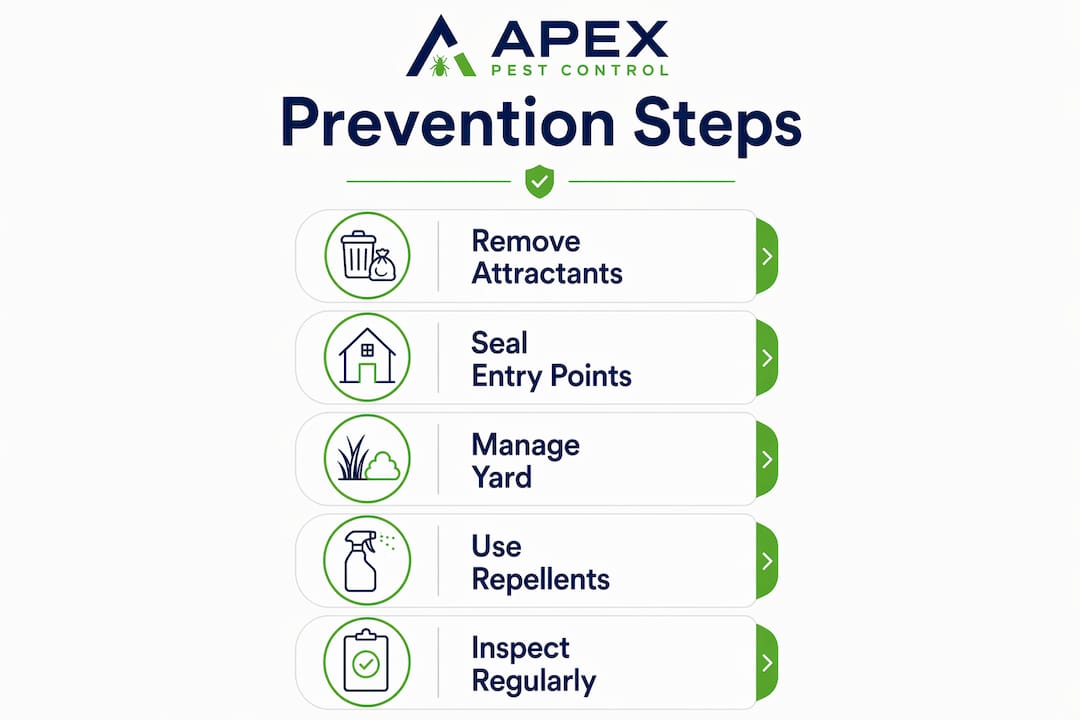
The U.S. EPA identifies prevention as the most effective first step, specifically removing food, water, and shelter sources and securing entry points. A system approach built on physical exclusion and attractant reduction outperforms piecemeal insecticide sprays every time.
Physical exclusion: sealing your home
Sealing entry points with caulk, steel wool, and wire mesh is the single most reliable home pest prevention strategy. Focus on these areas first: gaps around window frames and door trim, openings where utility pipes and wires enter the foundation, deteriorating soffit panels, and the space between siding and the top of the foundation. Bedford Heights homes built in the 1950s and 1960s often have original wood soffits that have shrunk and cracked over decades. Those gaps are prime nesting real estate for paper wasps and European hornets.
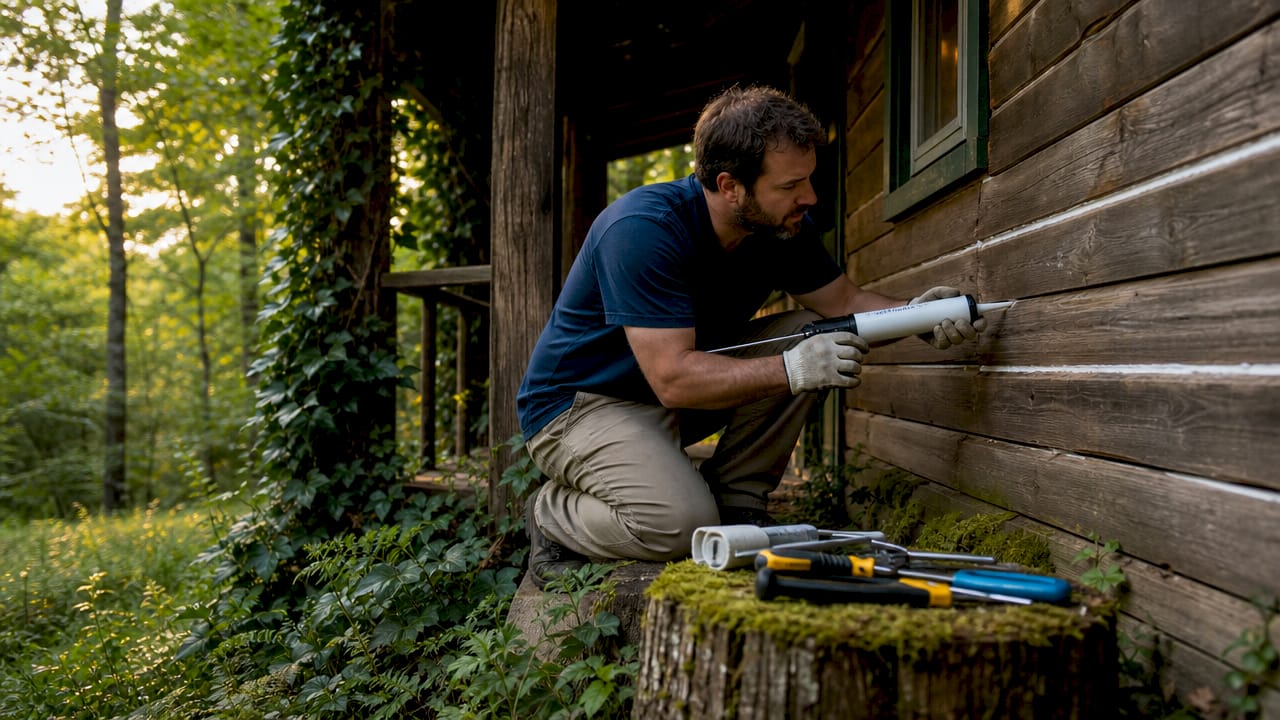
Use paintable exterior caulk for gaps under 1/4 inch. Pack steel wool into larger gaps before caulking, since insects can chew through caulk alone. Install fine-mesh hardware cloth over attic vents and crawl space openings. Check your seasonal pest entry points every spring before queens begin scouting in April.
Yard and waste management
The table below summarizes the key preparation tasks and the best time to complete each one.
| Task | Best timing | Why it matters |
|---|---|---|
| Seal cracks and gaps in siding, soffits, and foundation | March to April | Stops queens from establishing nests before colonies form |
| Trim shrubs, hedges, and tree branches near the home | April and August | Removes nesting sites and reduces insect approach corridors |
| Secure trash cans with tight-fitting lids | Year-round, especially June to October | Yellowjackets are strongly attracted to food waste and sugary residue |
| Remove standing water from gutters, birdbaths, and planters | May through September | Eliminates water sources that attract foraging insects |
| Clear woodpiles, unused equipment, and clutter from yard | Spring and fall | Reduces sheltered nesting sites for ground-nesting yellowjackets |
Remove pet food bowls from the yard each evening. Yellowjackets are scavengers and will exploit any protein or sugar source within their foraging range, which can extend up to 1,000 feet from the nest.
Pro Tip: Move flowering plants like lavender, salvia, and black-eyed Susans at least six feet from doorways and windows. Blooms directly beside entry points create a natural funnel that draws foraging wasps toward your home.
What are safe methods to manage stinging insect nests on my property?
Safe nest management follows a specific sequence. Skipping steps, especially the observation and timing steps, is how homeowners end up in the emergency room.
- Observe the nest from 10 to 15 feet away during daylight to confirm the species and locate the entry point. Never approach closer until you are ready to treat.
- Plan your work for after dark. Working at night reduces sting risk because insects are less active and cluster inside the nest. Avoid using bright flashlights pointed at the nest since light draws insects toward you.
- Choose the right insecticide formulation. Aerosol sprays with a jet stream work for exposed paper wasp nests under eaves. Dust formulations (such as Delta Dust or Tempo Dust) penetrate wall voids and ground nests more effectively. Insecticides with residual action reduce reinfestation risk for large colonies.
- Dress for protection. Thick, loose clothing, gloves, eye protection, and a hat with a veil reduce sting penetration. Tuck pants into socks and seal sleeve cuffs with tape.
- Apply the insecticide directly into the nest opening. For aerosols, use the full can in a single application. For dusts, use a hand duster to puff product into the entry point.
- Plan your escape route before you start. Know exactly which direction you will move if insects emerge. Never stand directly in front of a nest entry point.
- Wait 48 hours before removing the nest. Residual insecticide continues working after the initial application.
When to call a professional: Large yellowjacket colonies inside wall voids, nests in crawl spaces, or any nest larger than a softball near high-traffic areas should be handled by a licensed pest control technician. Penn State Extension advises reading insecticide labels to confirm target pests and allowed application methods. Misapplication inside wall voids can drive insects deeper into living spaces.
Pro Tip: Never seal a ground nest entry point without treating it first. Trapping live insects inside forces them to chew through drywall or flooring to escape, creating a far worse problem inside your home.
How do repellents and natural deterrents help with stinging insect control?
Repellents serve a specific role in stinging insect control: they protect you during outdoor activities and inspections, but they do not eliminate nests or colonies. Understanding that distinction prevents misplaced reliance on repellents as a standalone solution.
DEET is the gold standard insect repellent, with recommended concentrations between 20% and 50% providing several hours of protection during outdoor work near active stinging insect areas. The CDC and WHO both recognize DEET’s broad-spectrum efficacy. Apply it to exposed skin and clothing before inspecting your yard perimeter or treating nests.
Natural deterrents play a supporting role. Peppermint oil, citronella, geranium oil, and cedar are commonly cited as repellents that reduce wasp approach when applied to surfaces near nest-prone areas. They work by masking the chemical signals wasps use to identify suitable nesting sites, but their effect is temporary and requires frequent reapplication.
| Repellent or deterrent | Duration of effect | Best use case | Safety notes |
|---|---|---|---|
| DEET (20 to 50%) | 4 to 8 hours | Personal protection during yard work and inspections | Avoid contact with eyes; safe for adults and children over 2 months |
| Picaridin (20%) | 4 to 8 hours | Alternative to DEET with less skin irritation | Equally effective, odorless, and safe for most users |
| Peppermint oil | 30 to 60 minutes | Applying to eaves and window frames as a deterrent | Dilute before applying; can irritate skin at full concentration |
| Citronella | 30 to 45 minutes | Outdoor seating areas to reduce wasp approach | Effective as area deterrent, not personal protection |
| Cedar chips or oil | Passive, weeks | Mulching near foundation to reduce ground nesting | Low efficacy alone; best combined with exclusion methods |
For Bedford Heights homeowners doing yard work near wooded areas or along fence lines, combining DEET-based personal protection with peppermint oil applied to eaves creates a layered defense. Neither replaces nest removal, but both reduce incidental contact during the peak season.
What emergency preparedness should Ohio homeowners know about stings?
Most sting reactions are localized: pain, swelling, and redness at the site that resolve within hours. Treat these by removing the stinger (if present, as with honeybees) by scraping sideways with a credit card rather than pinching, applying ice for 10 minutes, and using an over-the-counter antihistamine or hydrocortisone cream for itching.
The serious risk is anaphylaxis. Epinephrine is life-saving for individuals with known sting allergies, and anyone with a diagnosed allergy must carry an auto-injector at all times during outdoor activity. Signs of anaphylaxis include throat tightening, difficulty breathing, rapid pulse, and dizziness. Call 911 immediately and administer epinephrine without waiting to see if symptoms worsen.
Key preparedness steps for Ohio households:
- Stock a first-aid kit with antihistamines (diphenhydramine), hydrocortisone cream, and cold packs specifically for sting season from May through October.
- Educate all household members about the location of epinephrine auto-injectors and the signs of severe allergic reaction.
- Avoid swatting at stinging insects. Swatting triggers defensive stinging and releases alarm pheromones that recruit other colony members.
- Wear closed-toe shoes when walking in grass during peak season. Ground-nesting yellowjackets are responsible for the majority of accidental stings in Ohio yards.
Important: If a household member has never been stung before, that does not mean they are not allergic. Allergic sensitization develops after the first sting, meaning a severe reaction can occur on the second or third exposure. Discuss sting allergy testing with a physician if you live in a high-activity area.
Key takeaways
Effective home stinging insect prevention in Bedford Heights requires physical exclusion in spring, targeted nest management at night, and personal protection during outdoor activity throughout the peak season.
| Point | Details |
|---|---|
| Seal entry points in spring | Use caulk, steel wool, and wire mesh before April to stop queens from nesting inside your home. |
| Target nests at night | Working after dark reduces sting risk because insects cluster inside and are less reactive. |
| Use DEET for personal protection | Concentrations of 20 to 50% provide reliable protection during inspections and yard work. |
| Know when to call a professional | Wall void nests and large colonies require licensed treatment to avoid driving insects into living spaces. |
| Prepare for allergic reactions | Keep epinephrine auto-injectors accessible and educate all household members on emergency protocols. |
Why prevention timing matters more than most homeowners realize
I have seen the same pattern repeat itself in Bedford Heights every summer. A homeowner notices a small paper wasp nest under the eave in June, decides it is not a problem yet, and by August they have a colony of 200 insects directly above their back door. The window for low-risk DIY prevention is narrow. It opens in late March when queens are still solitary and closes fast once a colony reaches 30 or 40 workers.
The housing stock in Bedford Heights creates specific vulnerabilities that I do not see as often in newer construction. The original aluminum soffits on 1960s-era homes develop small separations at the seams. The gap is often less than a quarter inch, which is exactly the size paper wasps prefer for nest entry. Walking your roofline with a flashlight in late March takes 20 minutes and can prevent a $300 professional removal in August.
My honest observation is that most homeowners underestimate how much attractant management matters. Yellowjackets are not just drawn to nests. They are drawn to your yard first because of food. A single uncovered trash can or a dog bowl left out overnight can establish a foraging route that leads directly back to a wall void. Fixing that before a colony establishes is the kind of home pest prevention that actually works.
For large nests, especially anything inside a wall or underground, I always recommend calling a professional. The risk of driving a colony deeper into your home’s structure is real, and the cost of remediation far exceeds the cost of a single professional treatment.
— Dushan
How Apexpestcontrol can protect your home from stinging insects
Apexpestcontrol has served Ohio homeowners since 1969, and the team brings that experience directly to Bedford Heights properties. If you have found a nest, suspect insects are entering your walls, or want a professional inspection before peak season hits, Apexpestcontrol offers stinging insect control services with free estimates and label-approved treatment methods. The technicians identify species, locate hidden nests, and apply the right formulation for the nest size and location. For homeowners who want year-round coverage, the preventative pest treatment program includes seasonal inspections timed to Ohio’s pest calendar. Call 1-800-684-2284 to schedule your free estimate today.
FAQ
What stinging insects are most common in Bedford Heights, Ohio?
Yellowjackets, paper wasps, bald-faced hornets, and European hornets are the most common species in Bedford Heights. Yellowjackets are the most aggressive and are responsible for the majority of sting incidents in Ohio yards.
When should I start preventing stinging insects around my home?
Start in late March or early April before queens begin scouting for nest sites. Sealing entry points and removing attractants at this stage prevents colony establishment entirely.
Can I remove a stinging insect nest myself?
Small, exposed nests with fewer than 20 insects can be treated safely at night using a jet-stream aerosol insecticide. Large nests, wall void nests, and ground nests with aggressive yellowjackets should be handled by a licensed pest control professional.
Does DEET repel stinging insects like wasps and yellowjackets?
DEET at concentrations of 20 to 50% provides personal protection during outdoor activity near stinging insects. It reduces contact risk but does not eliminate nests or deter colony activity from your property.
How do I know if someone in my household is allergic to stings?
Allergic sensitization develops after the first sting, so a previous sting without reaction does not rule out future allergy. Consult a physician about allergy testing if your household has regular exposure to stinging insects, and keep an epinephrine auto-injector accessible during peak season.