



TL;DR:
- Bed bug bites are itchy, red papules that appear in clusters or lines on exposed skin after sleep. Identifying an infestation requires inspecting mattress seams, furniture, and environmental clues, as bites alone are unreliable. Prompt treatment involves hygiene measures, professional pest control, and preventative strategies like luggage checks and encasements.
Bed bug bites are defined as itchy, red papules or welts that appear on exposed skin after nighttime feeding by Cimex lectularius, the common bed bug. Understanding bed bug bites means recognizing their characteristic pattern: small red bumps, often arranged in a line or cluster, on areas like the face, neck, arms, and hands. According to the NHS, bites can take up to two weeks to appear after initial exposure, which makes connecting them to a specific source genuinely difficult. For Oakwood homeowners dealing with unexplained skin reactions, that delay is exactly why so many cases go undiagnosed for weeks.
What do bed bug bites look like and how do you identify them?
Bed bug bites produce small red lesions that may blister and are often clustered in a linear sequence. Pest professionals and dermatologists refer to this pattern informally as “breakfast, lunch, and dinner” because the bugs feed at multiple points along a single path across your skin. The bites typically appear on the face, neck, hands, and feet. Any skin left uncovered while you sleep is a potential feeding site.
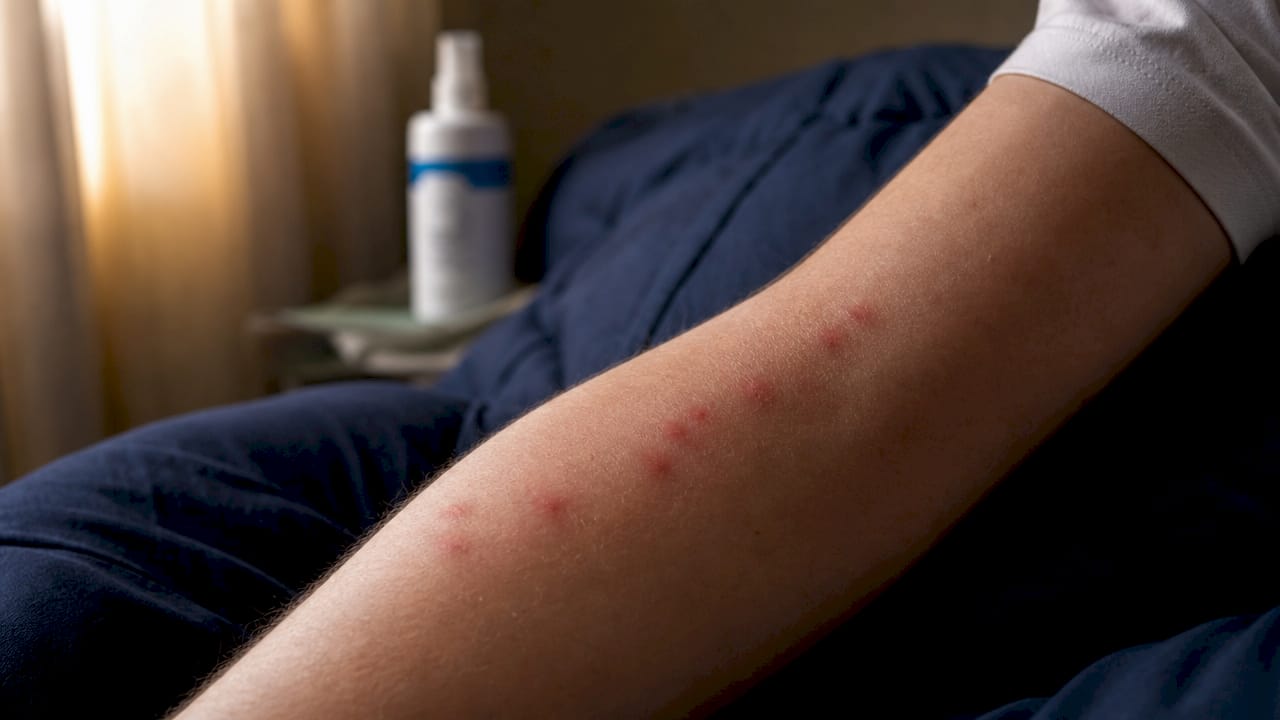
The clinical term for the skin reaction is urticarial papules, though most people simply call them welts or bite marks. What makes identifying bed bug bites tricky is that the appearance varies significantly from person to person. Some people develop a raised wheal with a darker red center. Others see flat red spots. A small number show no visible reaction at all, even after repeated exposure.
One detail that separates bed bug bites from other insect bites is location and timing. Mosquito bites appear randomly and at any hour. Bed bug bites concentrate on exposed skin and show up after sleep. If you are waking up with new itchy marks that were not there the night before, that timing is a strong early warning sign worth investigating further.
How to confirm a bed bug infestation beyond bite marks
Bite appearance alone is unreliable for diagnosis and can mimic mosquito bites, flea bites, hives, or contact dermatitis. Clinicians consistently recommend focusing on physical evidence in the environment rather than skin reactions alone. That means you need to inspect your bedroom, not just your body.
Here is a step-by-step inspection process for Oakwood homeowners:
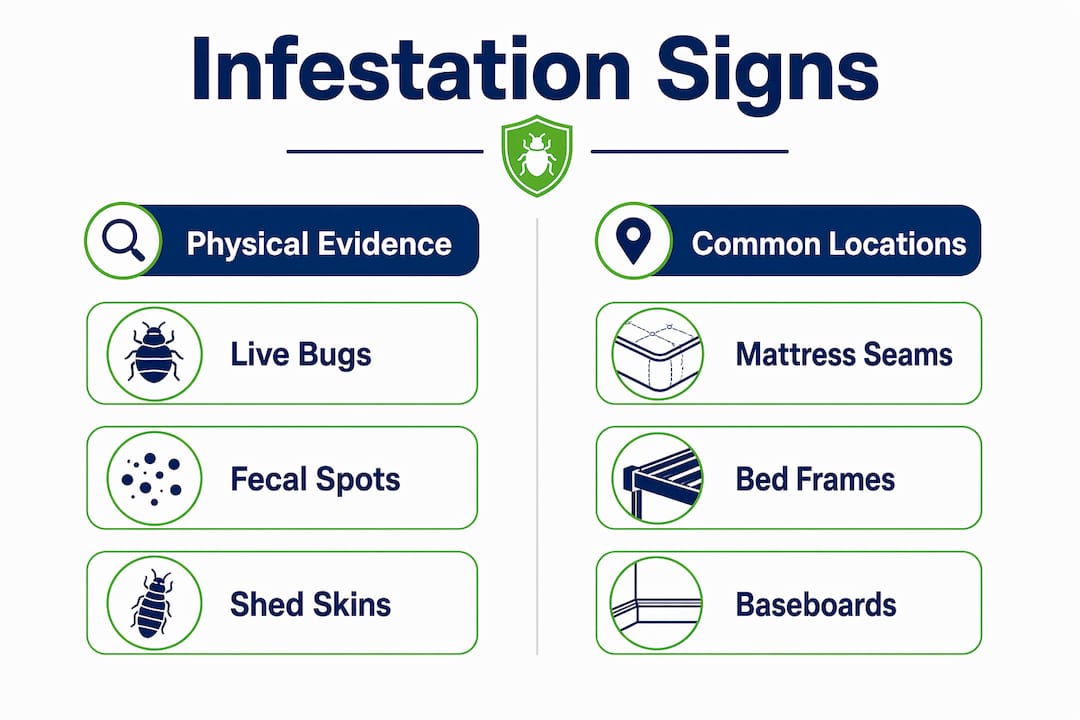
- Check the mattress seams first. Pull back the fitted sheet and run a flashlight along every seam and fold. Look for live bugs (apple-seed shaped, reddish-brown), shed skins, or tiny white eggs.
- Inspect the box spring and bed frame. Older wood-frame homes common in Oakwood’s established neighborhoods often have wooden bed frames with joints and crevices that bed bugs exploit heavily.
- Examine baseboards and wall-to-floor gaps. Bed bugs travel up to 10 to 15 feet from their harborage to feed, so they are not always on the mattress itself.
- Test suspicious dark spots with a damp tissue. Fecal spots smear rusty-brown when wiped with a damp tissue. Dirt does not smear the same way. This single test can confirm bed bug activity in under 30 seconds.
- Time your inspection strategically. Bed bugs are most active between 2 and 5 a.m., so a pre-dawn inspection with a flashlight gives you the best chance of spotting live activity.
Pro Tip: When returning from travel, place your luggage directly into a smooth-surfaced bathtub before bringing it into the bedroom. Bed bugs struggle to climb porcelain, which stops hitchhiking bugs before they reach your home.
| Evidence type | What it looks like | Where to find it |
|---|---|---|
| Live bugs | Reddish-brown, flat, apple-seed size | Mattress seams, box spring joints |
| Fecal spots | Dark brown dots, smear rusty when wet | Mattress tags, baseboards, headboard |
| Shed skins | Pale, hollow bug-shaped casings | Mattress folds, furniture crevices |
| Blood stains | Rusty red smears | Pillowcases, sheets |
For a more detailed room-by-room inspection guide, Apexpestcontrol has published a resource on identifying bed bugs naturally for Ohio homeowners that covers common hiding spots specific to this region.
What are the symptoms of bed bug bites and who is most affected?
Bed bug bite symptoms range from no reaction at all to a significant allergic response, and the same person can react differently to bites over time. The most common symptoms are redness, localized swelling, and intense itching that worsens when scratched. Some individuals develop blistering or larger wheals that resemble hives.
The secondary risk that most people overlook is infection. Scratching breaks the skin barrier, and bacteria like Staphylococcus aureus can enter through the wound. Signs of a secondary infection include increasing redness, warmth, pus, or a bite that is not improving after several days. At that point, a visit to a physician is warranted.
The psychological dimension of bed bug exposure is real and documented. A 2026 systematic review found that approximately 9.5% of affected individuals report psychological effects including anxiety and sleep disturbance. That number may undercount the actual impact, since many people do not report emotional symptoms to a doctor. For Oakwood residents dealing with a prolonged infestation, disrupted sleep compounds the stress of the situation considerably.
“Bed bug bites generally resolve within about a week with proper symptomatic care, but the psychological toll of knowing bugs are present in your sleeping space can persist long after the bites heal.” — NHS clinical guidance, 2026
Most bites are benign and resolve within a week with hydrocortisone cream and oral antihistamines. The goal of treatment is to reduce itching and prevent scratching, not to cure an underlying condition.
How to treat bed bug bites and eliminate the infestation
Treating the bites themselves is straightforward. Managing the infestation behind them requires a more structured approach.
For bite relief:
- Apply over-the-counter 1% hydrocortisone cream directly to the bite to reduce inflammation and itching.
- Take an oral antihistamine such as diphenhydramine (Benadryl) or cetirizine (Zyrtec) to manage systemic itching.
- Keep the affected skin clean and dry to prevent secondary bacterial infection.
- Avoid scratching. Trim fingernails short if nighttime scratching is a problem.
For infestation control, Integrated Pest Management (IPM) is the standard approach recommended by HealthyChildren.org and most pest management professionals. IPM prioritizes nonchemical methods before pesticides:
- Launder all bedding, curtains, and clothing in hot water (at least 120°F) and dry on high heat for 30 minutes.
- Vacuum mattresses, box springs, bed frames, and surrounding floor areas thoroughly. Seal and discard the vacuum bag immediately after.
- Install mattress and box spring encasements rated specifically for bed bugs. These trap any remaining bugs and prevent new ones from establishing.
- Seal cracks in baseboards and around electrical outlets with caulk to eliminate harborage sites.
Pro Tip: One critical fact that changes how you approach treatment: bed bugs can survive up to six months without feeding. Vacating a room for a few weeks does not solve the problem. Treatment must be thorough and sustained.
For Oakwood homes, particularly the older wood-frame construction found near neighborhoods like Patterson Park, professional heat treatment is often the most effective single intervention. Heat treatment raises the entire room to a temperature that kills bugs at all life stages, including eggs. Chemical treatments alone frequently miss eggs, which is why re-infestation after DIY spraying is so common.
When bites are spreading, physical evidence is widespread, or DIY methods have not worked after two weeks, professional intervention is the right call. Apexpestcontrol’s bed bug control guide outlines what to expect from a professional treatment visit, including how to prepare your home beforehand.
Prevention strategies for Oakwood homeowners
Bed bugs are not a hygiene problem. A spotless home in Oakwood can develop an infestation just as easily as a cluttered one, because bed bugs enter as hitchhikers through luggage, used furniture, and clothing. Recognizing that fact removes the stigma and focuses your energy on the right prevention behaviors.
Practical prevention steps for Oakwood residents:
- Inspect any secondhand furniture, especially upholstered pieces, before bringing them inside. Run a flashlight along seams and joints before the item crosses your threshold.
- After traveling, inspect your luggage outside or in the bathtub before unpacking in the bedroom.
- Install bed bug-rated encasements on all mattresses and box springs in your home. These are a one-time investment that eliminates two major hiding spots permanently.
- Reduce clutter around bed frames and baseboards. Fewer hiding spots mean faster detection if bugs do enter.
- During Oakwood’s warmer months from May through September, bed bug activity typically increases as people travel more and purchase more secondhand items at garage sales and estate sales. This is the highest-risk window for introduction.
| Prevention method | Bed bug bites | Mosquito bites |
|---|---|---|
| Mattress encasements | Highly effective | No effect |
| DEET repellent | No proven effect | Highly effective |
| Luggage inspection | Highly effective | No effect |
| Window screens | No effect | Highly effective |
| Clutter reduction | Reduces harborage | No effect |
Regular bedroom inspections are your most reliable early warning system. Catching an infestation at two or three bugs is a very different problem from catching it at two hundred. For a full prevention checklist tailored to Ohio homes, Apexpestcontrol’s resource on preventing bed bugs in Ohio covers seasonal timing and housing-specific risks in detail.
Key takeaways
Effective bed bug bite management requires accurate identification, physical infestation confirmation, prompt symptom treatment, and sustained prevention practices specific to your home and region.
| Point | Details |
|---|---|
| Bites alone do not confirm bed bugs | Physical evidence like fecal spots, shed skins, or live bugs is required for a reliable diagnosis. |
| Symptom timing varies widely | Bites can take up to two weeks to appear, making it hard to trace the source without a room inspection. |
| IPM is the treatment standard | Combine laundering, vacuuming, encasements, and heat treatment before reaching for chemical pesticides. |
| Bugs survive months without feeding | Vacating a room does not eliminate an infestation. Sustained treatment over weeks is required. |
| Prevention is behavioral, not chemical | Luggage inspection, encasements, and secondhand furniture checks stop most introductions before they start. |
What I have learned after years of bed bug calls in Oakwood
After seeing hundreds of bed bug cases across Oakwood and surrounding Ohio communities, the pattern I notice most is how long people wait before acting. They assume the bites are mosquitoes. They blame dry skin. They try one round of store-bought spray and declare victory. By the time they call a professional, the infestation has had months to spread from one bedroom to the entire house.
The stigma around bed bugs is the real enemy here. People feel embarrassed, as if the bugs reflect something about their housekeeping. They do not. I have seen bed bugs in immaculate homes owned by careful, clean people who simply stayed at the wrong hotel or bought a beautiful vintage dresser at an estate sale. The bugs do not care about your cleaning schedule.
What I tell every homeowner is this: the moment you find a fecal spot or a shed skin, treat it as confirmed. Do not wait for a live bug sighting. Start the IPM process that same day and call a professional if you are not seeing improvement within two weeks. The psychological toll of a prolonged infestation, the disrupted sleep, the constant checking, is genuinely significant. Getting ahead of it fast is always worth it.
Oakwood’s warmer months are when I see the most new cases. People travel, attend garage sales, and bring items into their homes without inspection. A two-minute luggage check in the bathtub when you get home from a trip is the single easiest habit you can build. It costs nothing and stops the most common introduction route cold.
— Dushan
Dealing with bed bugs in Oakwood? Apexpestcontrol can help
If you have confirmed bed bug activity in your Oakwood home or you are still unsure what you are dealing with, Apexpestcontrol has been serving Ohio residents since 1969 with proven extermination methods. The team uses heat treatment, targeted chemical applications, and IPM protocols designed for the housing types and seasonal conditions specific to this region. You do not have to manage this alone. Review the best bed bug treatments for homeowners to understand your options before your consultation. Call 1-800-684-2284 for a free quote and get a professional assessment of your home as the first step toward a bed-bug-free bedroom.
FAQ
What do bed bug bites look like on skin?
Bed bug bites appear as small, red, raised bumps or welts, often arranged in a line or cluster on exposed skin areas like the arms, neck, and face. Some bites develop a darker red center or blister, though appearance varies significantly between individuals.
How is a bed bug bite different from a mosquito bite?
Mosquito bites appear randomly across the body at any time of day, while bed bug bites concentrate on skin exposed during sleep and show up in linear or clustered patterns. Location, timing, and pattern are the three most reliable distinguishing factors.
How long does it take for bed bug bites to heal?
Most bed bug bites resolve within about a week with hydrocortisone cream and oral antihistamines to control itching. Bites that show signs of infection, increasing redness, warmth, or pus, require medical attention.
Can you have bed bugs without visible bites?
Yes. Some people show no skin reaction to bed bug bites at all, even after repeated exposure. Physical evidence in the room, including fecal spots, shed skins, or live bugs, is a more reliable indicator of infestation than bite marks alone.
When should you call a pest professional for bed bugs?
Call a professional when bites are spreading, physical evidence is found in multiple rooms, or two weeks of DIY treatment have not resolved the problem. Bed bugs survive up to six months without feeding, so incomplete treatment leads directly to re-infestation.