



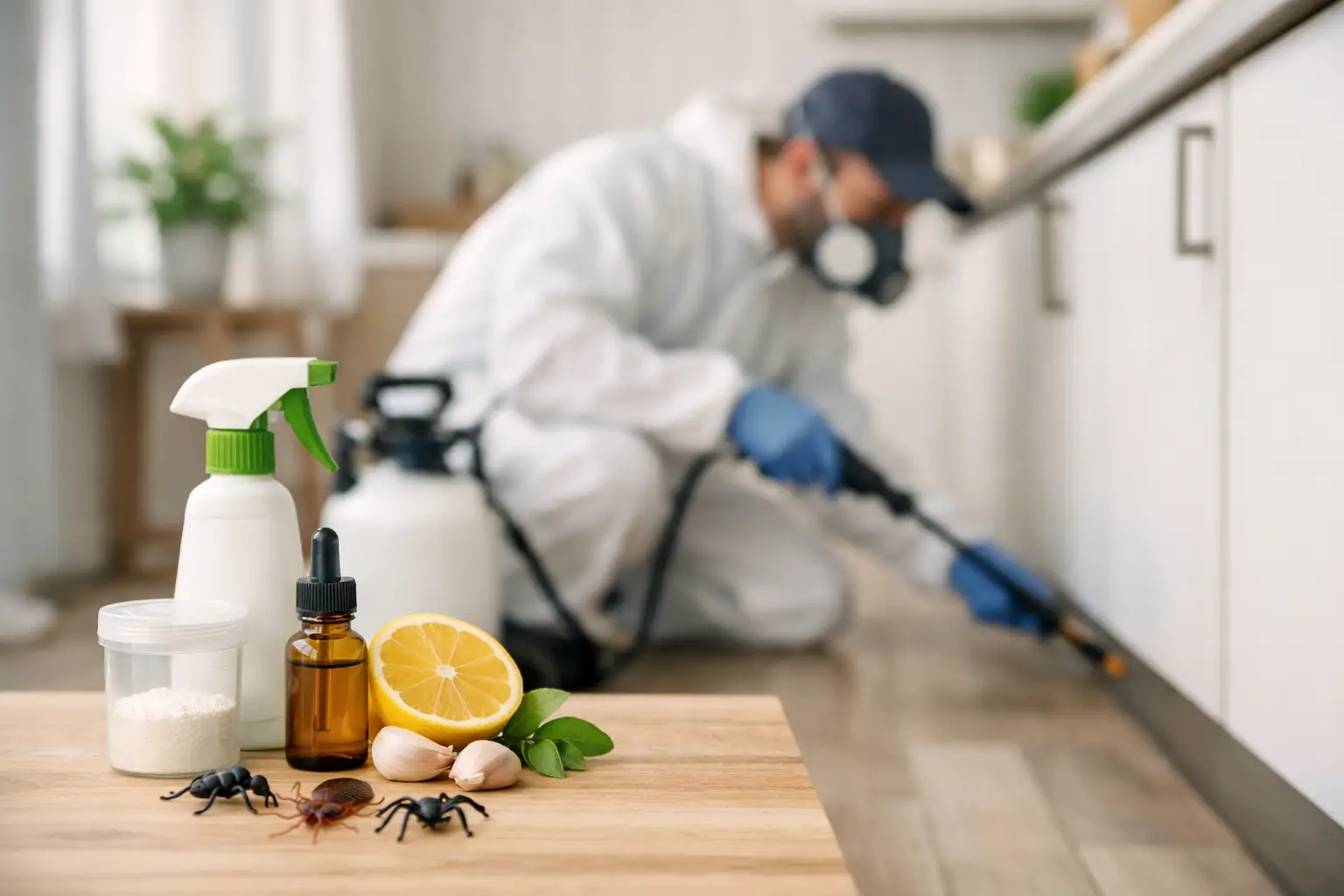
A pest problem can make your home feel less safe overnight. Whether you are finding ants along the kitchen counter, hearing rodents in the walls, or worrying about a wasp nest near a play area, the goal is clear: eliminate the problem without creating a new risk for your family, pets, or property. This guide to safe pest treatments explains what responsible pest control looks like, when a targeted treatment is necessary, and how professional planning protects the people and places that matter most.
Safe Pest Treatment Starts With Identification
Safe treatment is not simply about choosing a product labeled “natural” or using the smallest possible amount of pesticide. It starts with identifying the pest correctly, confirming the extent of the activity, and understanding why it is happening.
Ant trails can point to a food or moisture source. Rodent droppings may reveal an entry point around a utility line, garage door, or foundation gap. Bed bugs require a very different response than fleas, and a termite concern demands a thorough inspection rather than a surface spray. Treating the wrong pest wastes time, increases exposure to unnecessary products, and can allow the infestation to grow.
A qualified technician begins with an inspection. That means looking beyond the obvious activity for nesting areas, harborage sites, entry points, moisture conditions, food sources, and structural vulnerabilities. For commercial facilities, it also means reviewing receiving areas, waste handling, storage practices, exterior conditions, and any compliance requirements that affect the treatment plan.
The Safest Approach Uses Layers, Not Guesswork
The most dependable pest management plans combine prevention, exclusion, sanitation, monitoring, and carefully selected treatments. This approach is often called integrated pest management, or IPM. It reduces reliance on broad pesticide applications while still delivering effective control when pests threaten a home or facility.
Prevention Removes What Pests Need
Pests enter buildings for food, water, warmth, and shelter. Removing those conditions can prevent a small issue from becoming a recurring infestation. Store pantry foods in sealed containers, clean spills promptly, keep trash contained, and avoid leaving pet food out overnight when possible. Repair leaking pipes, improve drainage near the foundation, and reduce standing water that can support mosquitoes.
Outside, keep mulch, leaves, stacked firewood, and other debris away from the structure. Trim shrubs and tree limbs that touch the building, as they can create travel paths for ants, rodents, and other pests. These measures will not solve every infestation on their own, but they make professional treatment more effective and more durable.
Exclusion Stops Repeat Entry
Exclusion is one of the safest and most valuable pest-control tools because it physically blocks access. Sealing cracks, screening vents, repairing weather stripping, closing gaps around pipes, and fixing damaged door sweeps can make a major difference. Rodents can fit through surprisingly small openings, while insects can exploit cracks that are easy to overlook.
For wildlife, bats, birds, and squirrels, exclusion must be handled with care. Sealing an opening at the wrong time can trap animals inside or separate young from their mothers. Professional timing and humane methods matter, especially when protected species or seasonal activity are involved.
Monitoring Shows Whether Treatment Is Working
Monitoring devices, inspections, and documented observations help determine where activity is occurring and whether it is declining. This is particularly useful for restaurants, warehouses, healthcare settings, multifamily properties, and other commercial operations where a single sighting can have serious operational consequences.
Monitoring also prevents over-treatment. Instead of applying products everywhere “just in case,” a professional can focus efforts on confirmed activity and adjust the plan based on results.
When Pesticide Treatment Is Necessary
There are times when exclusion and sanitation are not enough. Stinging insects near entrances, active bed bugs, cockroach infestations, termites, and heavy rodent activity often require direct intervention. The question is not whether a pesticide is always good or bad. The question is whether it is the right tool, applied in the right location, at the right time, by someone trained to use it safely.
Targeted applications are generally preferable to routine, widespread spraying. Depending on the pest and environment, a technician may use crack-and-crevice applications, bait stations, insect growth regulators, dusts placed in inaccessible voids, traps, or exterior perimeter treatments. Each method has different strengths, limitations, and safety procedures.
Baits, for example, can be highly effective for ants and cockroaches because they allow the pest to carry the active ingredient back to the colony or harborage area. But bait placement must be protected from children, pets, moisture, and competing food sources. Rodent bait stations should be tamper-resistant and positioned according to the property’s needs, while trapping may be the better option for certain indoor situations.
Organic and reduced-risk options can be useful in some circumstances, but they are not automatically the best choice for every pest. A treatment labeled organic may still require careful handling, and some severe infestations need a conventional product or combination of methods for reliable control. The safest plan is the one that effectively resolves the pest pressure while minimizing unnecessary exposure.
Protecting Children, Pets, and Sensitive Areas
Before treatment, tell your pest control provider about children, pets, aquariums, food-preparation areas, health concerns, and any residents with heightened sensitivities. This information helps the technician select appropriate methods and provide clear preparation instructions.
Follow those instructions exactly. You may need to clear items from a treatment area, cover or remove fish tanks, keep pets away until a treated surface is dry, or leave the property for a specified period. Do not assume that more ventilation, extra cleaning, or reentering early is safer. Your technician’s directions are based on the treatment being used and the conditions of your property.
After service, do not wash treated cracks, baseboards, or other designated areas unless instructed. Cleaning too soon can remove the treatment before it has time to work. At the same time, wipe down food-contact surfaces if they were not part of the treatment area, and keep all pest control products stored in their original containers and out of reach of children.
Never mix household chemicals or apply multiple store-bought pesticides in the same area without professional guidance. Combining products can create unnecessary exposure, make identification harder, and interfere with the effectiveness of bait-based treatments.
A Guide to Safe Pest Treatments for Businesses
Commercial pest control has additional stakes. A facility manager may be protecting food, inventory, tenant satisfaction, employee safety, regulatory standing, and brand reputation at the same time. Safe pest treatment in a business setting requires consistent documentation, defined service intervals, rapid reporting, and clear communication between the pest management provider and on-site staff.
A strong commercial program identifies trends before they become crises. Repeated fruit fly activity near drains, rodent evidence around a loading dock, or stored product pests in a warehouse can signal a broader issue with sanitation, inventory rotation, building maintenance, or vendor deliveries. The right response may include treatment, but it should also include corrective actions that prevent the same conditions from returning.
For multi-location operations, standardized reporting and quality assurance are especially valuable. They give decision-makers a clear record of inspections, findings, treatments, and recommendations across properties. That level of visibility supports audit readiness and helps keep small pest issues from becoming expensive disruptions.
Questions to Ask Before Choosing a Provider
Safe results depend on the company as much as the product. Ask whether the provider will inspect before treating, explain the pest and contributing conditions, and provide preparation and reentry instructions in writing. You should also ask how treatments will be tailored for children, pets, food areas, or sensitive environments.
Look for trained, licensed professionals who can explain the plan in plain language. A reliable provider should be willing to discuss the expected timeline, because not every pest issue disappears after one visit. Bed bugs, German cockroaches, termites, and rodents may require follow-up service, monitoring, or property repairs to achieve lasting control.
Apex Pest Control builds treatment plans around the specific pest, the property, and the people using the space. That may mean a one-time response for an urgent concern or an ongoing prevention program designed to keep activity from returning.
Know When to Call for Immediate Help
Do not delay when pests present a direct safety or property risk. Seek professional assistance promptly for suspected termites, active stinging insect nests near occupied areas, bat activity, rodent infestations, bed bugs, cockroaches in food-service areas, or wildlife inside a structure. These situations can worsen quickly, and improvised treatment may push pests deeper into walls, voids, or neighboring units.
The right pest treatment should give you more than short-term relief. It should give you a clear plan, careful service, and the confidence that your home or facility is being protected with proven methods. When pests appear, act early, follow professional guidance, and choose a solution designed to solve the cause as well as the visible problem.