



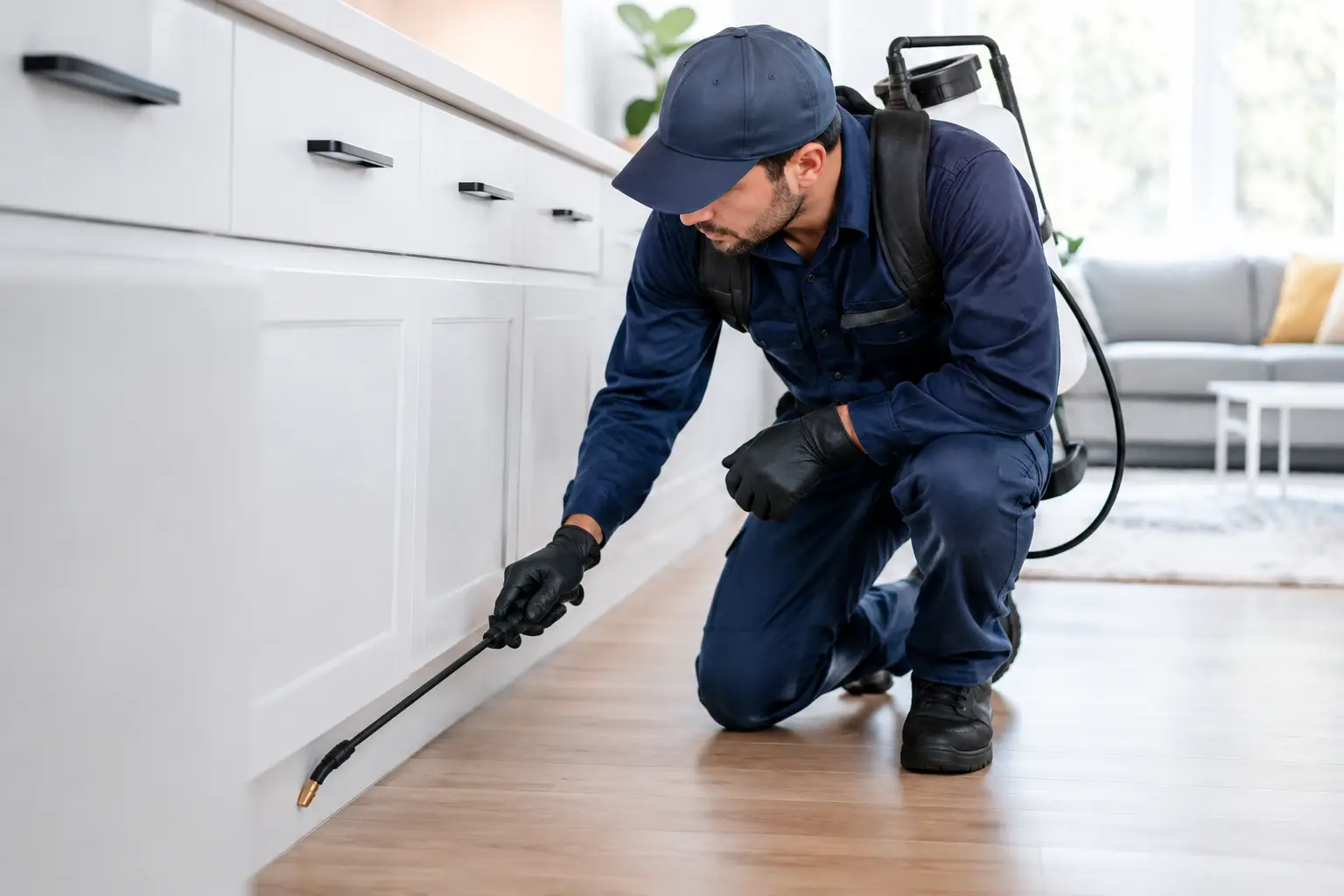
A mouse in the kitchen, a wasp nest over the patio, or ants tracking across the counter calls for action now. A one time pest treatment can deliver fast, targeted relief when the problem is limited and the source can be addressed in a single service. But one visit is not the right answer for every pest or every property.
The difference matters. Treating visible activity without correcting the conditions that allowed it to develop can leave homeowners and facility managers facing the same issue weeks later. A professional inspection identifies the pest, the extent of the activity, likely entry points, and the treatment approach needed to restore control safely.
What a One Time Pest Treatment Includes
A one-time service is a focused professional response to a current pest issue. It is not a generic spray around the building. The technician should assess the affected areas, confirm the pest involved, determine where activity is concentrated, and select treatment methods suited to the situation.
Depending on the pest, service may include precisely placed products, baiting, crack-and-crevice treatments, nest removal, trapping, exclusion recommendations, or sanitation guidance. The goal is to eliminate active pressure while minimizing unnecessary exposure around people, pets, inventory, and sensitive areas of the property.
A quality treatment also includes clear expectations. Some pests respond immediately, while others require time for baits or targeted materials to work through a colony or population. You should know what activity is normal after treatment, what cleanup or preparation is required, and when to call if the issue continues.
When One Visit Is Often the Right Choice
One-time treatment is often effective when the infestation is isolated, recently noticed, and tied to a clear source. For example, a single stinging insect nest on a home, occasional ants entering through one identifiable gap, or a small outdoor mosquito issue before an event may be good candidates for a targeted service.
It can also make sense for property owners who need professional help with a specific, nonrecurring problem. A technician can address the immediate concern and provide practical steps to reduce the chance of another occurrence, such as sealing a gap, repairing a screen, correcting moisture conditions, or moving food storage away from pest access points.
For commercial facilities, a one-time response may be appropriate after an isolated pest sighting or a localized issue that does not indicate an established population. Even then, documentation and a careful inspection are essential. A single fly issue in a loading area is different from repeated sightings near food handling, production, or storage areas.
When Ongoing Pest Control Is the Better Investment
Some pests are rarely a one-visit problem. Rodents, German cockroaches, bed bugs, termites, and persistent ant activity can involve hidden harborages, multiple entry points, eggs, satellite colonies, or conditions that require repeat monitoring. In these cases, stopping at the first treatment can create false confidence.
Rodent control is a clear example. Removing or trapping the rodents currently inside is only part of the job. If openings around utility lines, foundations, rooflines, or doors remain accessible, new rodents can enter. Ongoing service gives technicians the opportunity to monitor activity, adjust placements, and verify that exclusion work is holding.
Bed bug service also commonly requires follow-up. These pests can hide in seams, cracks, furniture, wall voids, and adjoining rooms. Treatment plans may involve scheduled inspections and additional services to address newly emerged bugs and confirm the infestation has been eliminated.
For Ohio homeowners, recurring seasonal pest pressure is another consideration. Ants, spiders, stinging insects, mosquitoes, and rodents tend to follow predictable patterns as temperatures and weather conditions change. A preventive program can establish a protective barrier and identify conditions early, before a small issue becomes a disruptive infestation.
Commercial properties often need ongoing service because pest prevention is part of operations, not simply an occasional repair. Restaurants, healthcare facilities, warehouses, food distribution sites, multifamily communities, and manufacturing operations may need routine inspections, detailed reporting, corrective action support, and audit-ready documentation. Consistent prevention protects the facility, its reputation, and the people who rely on it.
The Pest Determines the Treatment Plan
The best service frequency depends heavily on the pest. A one-time wasp nest removal and a termite management plan should not be approached the same way.
Stinging insects are often a straightforward single-service issue when there is one accessible nest and no broader recurring activity. Wildlife removal may also begin with a focused response, but successful results depend on finding and securing entry points afterward. Without exclusion, raccoons, squirrels, bats, or birds may return to the same attractive shelter.
Ants are more variable. A one-time treatment may handle a seasonal trail or minor outdoor intrusion, particularly when food and moisture sources are corrected. Persistent activity, carpenter ants, or recurring trails near structural areas deserve a more thorough evaluation and potentially follow-up service.
Termites require a specialized strategy based on the species, construction of the building, evidence of damage, moisture conditions, and the treatment method selected. Termite protection is not a situation to treat casually or only when insects are visible. By the time swarming occurs or damage is noticed, activity may have been developing out of sight.
Stored product pests can be particularly challenging for businesses and homes with pantries, dry-goods storage, or inventory. Eliminating the source product is often central to control, but inspection of adjacent items, storage conditions, and delivery or receiving practices may be necessary to prevent reinfestation.
What to Expect Before and After Service
Preparation improves treatment results. Before your appointment, avoid moving evidence of activity if possible. Photos, droppings, damaged packaging, insect sightings, nesting material, and location details help the technician understand where to focus the inspection.
You may be asked to clear items from targeted areas, secure food and pet dishes, vacuum certain spaces, or make rooms accessible. Preparation varies by pest and treatment method, so follow the instructions provided for your specific service rather than relying on general advice.
After treatment, keep an eye on the level and location of activity. It is common to see increased pest movement briefly after some treatments as pests leave hidden areas or encounter bait. That does not automatically mean treatment failed. However, new activity in different areas, continued sightings beyond the expected timeframe, or signs of property damage should be reported promptly.
Good pest control also depends on prevention between visits. Keep food in sealed containers, repair plumbing leaks, reduce cardboard and clutter in storage areas, maintain door sweeps, and address exterior gaps. These steps do not replace professional treatment, but they make treatment more effective and help prevent future pressure.
Questions to Ask Before Choosing One-Time Service
The right provider should be able to explain why one visit is appropriate or why a follow-up plan is recommended. Ask what pest has been identified, whether the activity appears isolated or established, what treatment methods will be used, and what results you should expect.
It is also reasonable to ask about safety procedures for children, pets, customers, employees, and sensitive environments. Certified professionals should tailor treatment to the property rather than applying the same approach to every home or facility.
At Apex Pest Control, recommendations are built around the actual pest pressure and conditions on site. That means a one-time treatment is available when it is the responsible solution, while ongoing programs are recommended when long-term prevention and verification are needed.
A fast response can stop a pest problem from becoming a larger disruption. If you are seeing activity now, arrange a professional inspection and choose the level of service that gives your property lasting peace of mind.