



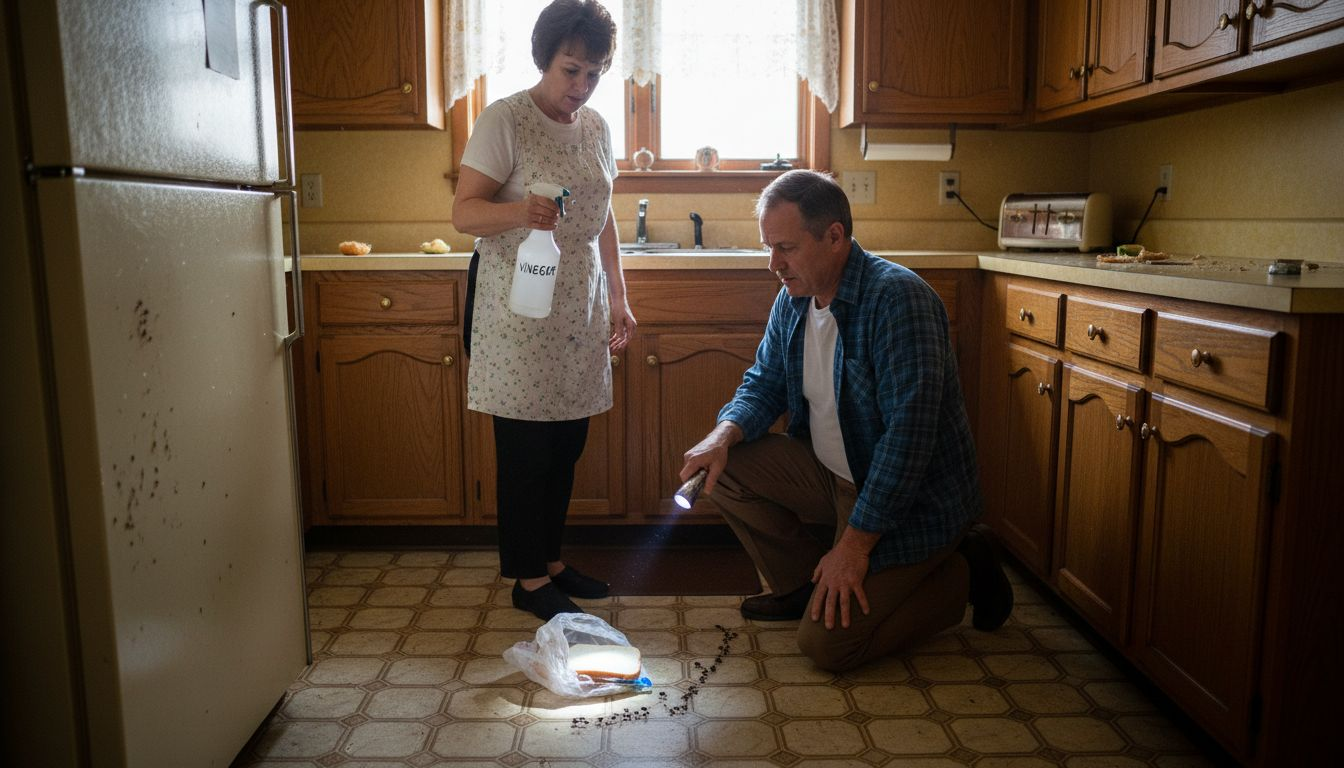
Over 30% of Northeast Ohio homes experience unwanted ant invasions each year, often beginning through tiny foundation cracks you might never notice. These silent entries mark just the beginning of potential pest problems that affect Mayfield Heights homeowners. This guide walks you through understanding common pests, recognizing how infestations develop, and implementing eco-friendly control methods that protect your family and property.
Table of Contents
- Introduction To Common Household Pests In Northeast Ohio
- How Pest Infestations Begin And Progress Inside Homes
- Common Misconceptions About Pest Infestations And Treatments
- Eco-Friendly Pest Control Solutions And Their Effectiveness
- Taking Action: Step-By-Step Guide For Homeowners
- Health And Property Risks Of Pest Infestations
- Conclusion And Next Steps For Sustainable Pest Management
- Protect Your Mayfield Heights Home With Expert Eco-Friendly Pest Control
- Frequently Asked Questions About Pest Infestation Basics
Key takeaways
| Point | Details |
|---|---|
| Common entry points | Foundation cracks, door gaps, and utility openings allow pests like ants and rodents into Ohio homes. |
| Infestation stages | Pest problems progress from initial entry to established colonies if left unchecked. |
| Eco-friendly solutions | Integrated Pest Management reduces pesticide use by 30-50% while maintaining control effectiveness. |
| Early detection value | Regular inspections and habitat modification prevent large-scale infestations. |
| Professional advantage | Expert services achieve over 90% success rates compared to DIY methods. |
Introduction to common household pests in northeast Ohio
Understanding which pests target your home helps you recognize threats early and respond effectively. In Ohio, prevalent household pests include ants, rodents, termites, and bed bugs that exploit structural vulnerabilities to establish indoor populations. Each species follows seasonal patterns influenced by Ohio’s climate, with activity peaks varying throughout the year.
Ants typically surge during spring and summer months when colonies expand rapidly. Rodents seek indoor shelter as temperatures drop in fall, making October through December critical months for prevention. Termites remain active year-round but swarm during spring, while bed bugs show no seasonal preference and infest homes continuously.
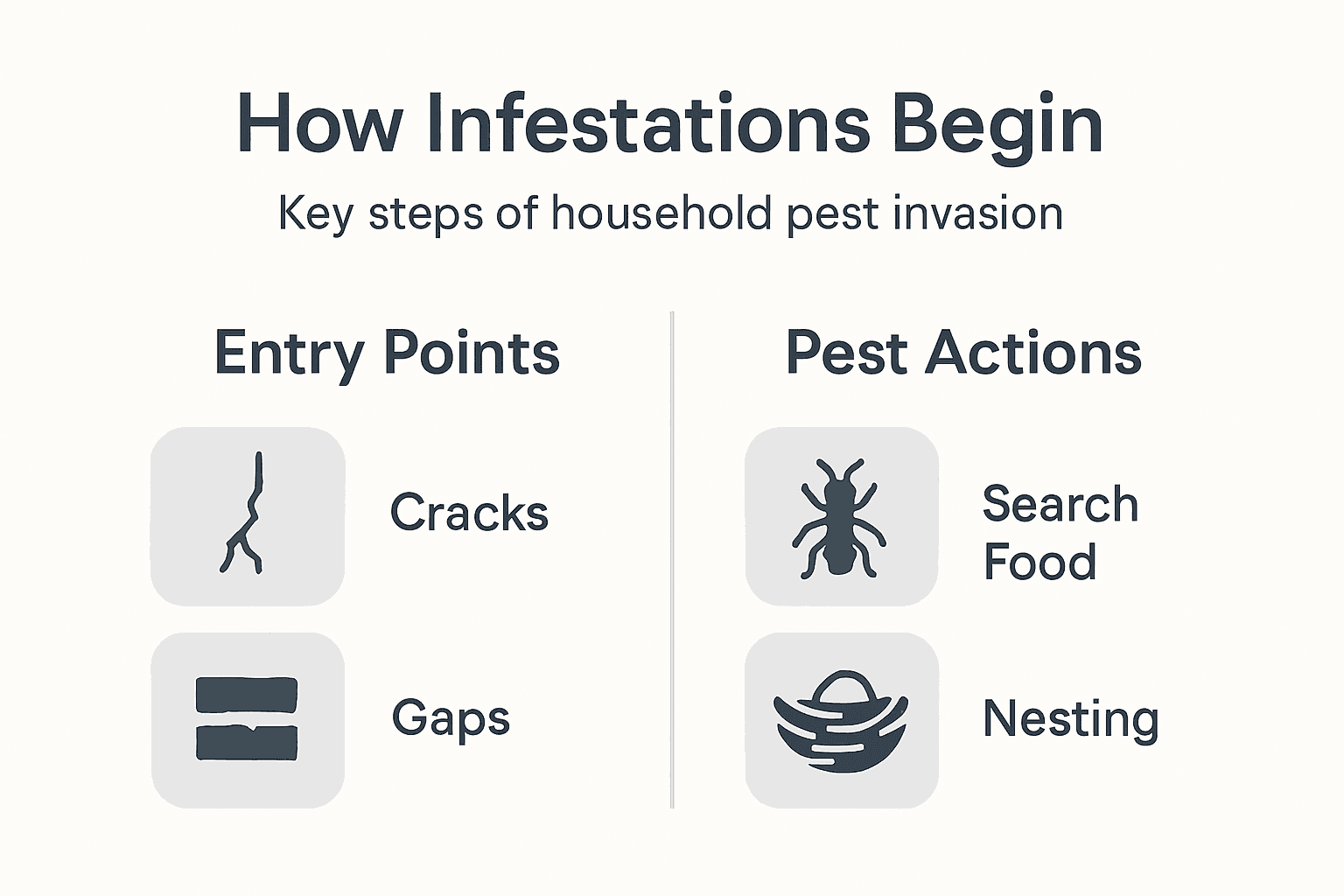
These pests enter through predictable pathways:
- Foundation cracks and gaps in exterior walls
- Poorly sealed doors and windows
- Utility line entry points and pipe penetrations
- Ventilation openings and roof gaps
- Damaged screens and weather stripping
Recognizing these entry points allows you to implement targeted prevention strategies before infestations develop. Learning residential pest control tips strengthens your defense against seasonal invasions. Temperature fluctuations and moisture levels directly influence pest survival rates indoors, making environmental control essential.
Implementing fall pest prevention steps before cold weather arrives blocks rodent access during their most active invasion period. The Ohio State University pest facts database provides detailed identification guides for regional species.
How pest infestations begin and progress inside homes
Pest invasions follow predictable patterns that escalate from minor intrusions to established colonies without intervention. Initial entry occurs through structural weaknesses you might overlook during routine home maintenance. Integrated Pest Management (IPM) involves inspection, identification, prevention, treatment, and monitoring, creating a systematic approach to understanding and controlling infestations.
Infestation development typically unfolds in these stages:
- Scout phase where individual pests explore your home for resources
- Establishment stage as pests locate food, water, and nesting sites
- Population growth when breeding begins and numbers multiply
- Colony maturation resulting in visible activity and widespread presence
- Satellite expansion as populations spread to additional home areas
Environmental factors accelerate or slow this progression significantly. High humidity levels support many pest species by providing necessary moisture. Warm temperatures speed up reproductive cycles, causing populations to explode faster. Accessible food sources sustain colonies and encourage permanent establishment.
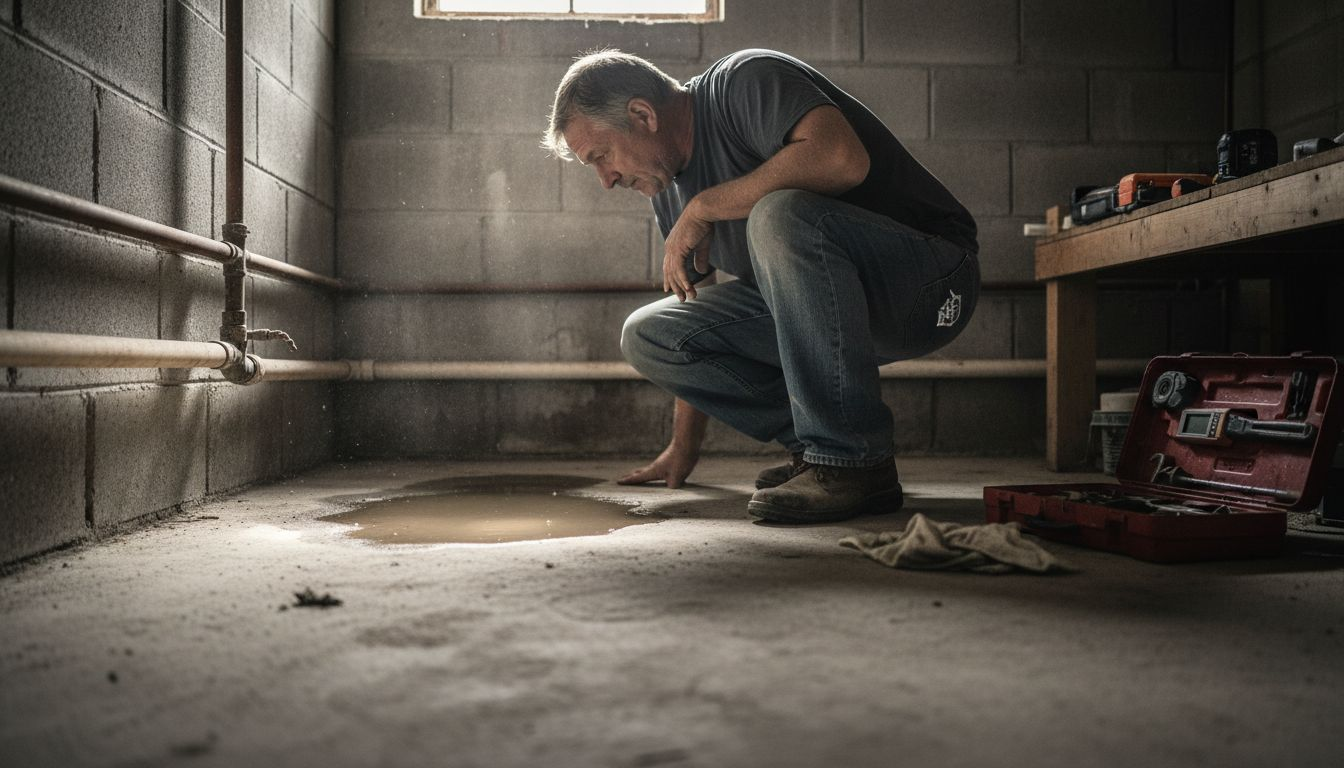
Pro Tip: Check your basement and crawl spaces monthly for moisture accumulation and early pest activity signs before populations grow.
The IPM framework starts with thorough inspection to identify pest types, entry points, and conducive conditions. Accurate identification determines which control methods work best for specific species. Prevention focuses on removing access and resources through structural repairs and sanitation improvements.
Targeted treatment applies control measures only where needed, minimizing chemical exposure. Ongoing monitoring tracks effectiveness and detects new activity early, preventing recurrence. This EPA IPM framework has proven successful across residential and commercial settings.
Understanding your specific situation requires consulting the Ohio home pest guide for regional insights. Recognizing signs of pest infestation early gives you time to act before problems escalate.
Common misconceptions about pest infestations and treatments
Many homeowners hold outdated beliefs about pest control that lead to ineffective treatments and unnecessary chemical exposure. Clearing these misconceptions helps you make informed decisions about protecting your Mayfield Heights property.
Myth number one suggests you must immediately apply harsh chemicals when you spot a single pest. Reality shows that targeted habitat modification and exclusion methods often eliminate problems without heavy pesticide use. IPM programs reduce pesticide use by 30-50% while maintaining excellent control results.
Another widespread myth claims DIY pest control matches professional effectiveness. Statistics reveal that professional treatments achieve over 90% long-term success compared to roughly 40-60% for DIY attempts. Professionals access commercial-grade products, advanced application methods, and species-specific knowledge that homeowners typically lack.
Many people believe visible pest activity represents the start of an infestation. In truth, you typically spot pests weeks or months after initial entry when populations have already grown substantially. Early warning signs like droppings, damage patterns, and unusual odors appear before you see live pests.
Key misconceptions include:
- More pesticide always means better results
- One treatment permanently solves all pest problems
- All pest control methods harm pets and children equally
- Infestations only happen in dirty or poorly maintained homes
- Winter eliminates outdoor pest threats completely
Pro Tip: Document pest sightings with photos and notes about location and time to help professionals identify patterns and entry points accurately.
Proper detection timing dramatically improves treatment outcomes by catching problems before they spread. Understanding eco-friendly pest control myths prevents you from dismissing effective sustainable methods. Research on professional pest control effectiveness demonstrates clear advantages over DIY approaches for persistent problems.
Eco-friendly pest control solutions and their effectiveness
Sustainable pest management protects your family and environment while delivering results that match or exceed traditional chemical-heavy approaches. Modern eco-friendly methods combine biological understanding with strategic interventions that target pests specifically.
Integrated Pest Management forms the foundation of effective sustainable control. This approach prioritizes inspection to understand your unique situation, identifies exact pest species and their behavior patterns, and modifies habitats to make your home less hospitable. Treatment applies only when necessary using the least toxic effective option. Continuous monitoring ensures treatments work and catches new activity quickly.
Exclusion techniques physically prevent pest entry by sealing common access points. Caulking foundation cracks, installing door sweeps, repairing screens, and closing gaps around utilities stops pests before they enter. These permanent solutions require no ongoing chemical applications.
| Method | Pesticide Use | Family Safety | Long-Term Cost | Effectiveness |
|---|---|---|---|---|
| Traditional Chemical | High | Moderate concerns | Medium to high | 75-85% success |
| Eco-Friendly IPM | 30-50% reduction | Excellent | Low to medium | 85-95% success |
| DIY Chemical | Variable | High concerns | Low initial | 40-60% success |
| Professional Eco | Minimal targeted use | Excellent | Medium | 90-95% success |
Eco-friendly methods maintain high effectiveness because they address root causes rather than just killing visible pests. Removing food sources, eliminating moisture problems, and blocking entry points creates lasting protection. When treatments are needed, professionals use targeted baits, botanical insecticides, and biological controls that break down quickly without harming non-target organisms.
Local Northeast Ohio pest control providers now offer advanced eco-friendly options with proven success records. These services combine modern technology with sustainable products to deliver results homeowners can trust. Understanding integrated pest management principles helps you evaluate service providers effectively.
Exploring sustainable pest control methods reveals options suited to your specific pest challenges and environmental priorities. The EPA IPM benefits documentation outlines verified advantages of this approach.
Taking action: step-by-step guide for homeowners
Implementing effective pest management requires a systematic approach that addresses current problems and prevents future invasions. Follow these steps to protect your Mayfield Heights home using proven sustainable methods.
- Conduct thorough home inspections quarterly, examining basements, attics, crawl spaces, and exterior perimeters for pest signs and structural vulnerabilities.
- Seal all identified entry points using appropriate materials like steel wool for large gaps, caulk for cracks, and weather stripping for doors and windows.
- Remove pest habitats by eliminating standing water, storing food in sealed containers, managing trash properly, and clearing debris from around your foundation.
- Deploy eco-friendly control measures including non-toxic baits, snap traps for rodents, diatomaceous earth barriers, and botanical repellents as first-line treatments.
- Monitor treatment effectiveness weekly by checking bait stations, inspecting trap placements, and watching for new pest activity or damage.
- Document your observations including pest types spotted, locations of activity, and dates to identify patterns and assess whether problems persist.
- Contact professional pest control services if infestations continue despite your efforts, populations grow rapidly, or you face health-threatening pests like bed bugs.
Integrated Pest Management involves inspection, identification, prevention, targeted treatment, and monitoring as interconnected steps that build comprehensive protection. Each element strengthens the others, creating a defense system greater than individual actions.
Regular maintenance prevents most pest problems before they require intensive treatments. Simple habits like fixing leaky pipes promptly, storing firewood away from your house, and trimming vegetation back from exterior walls eliminate conditions pests need to thrive.
Applying residential pest control tips consistently throughout the year maintains your defenses. Understanding when to engage professional pest control saves time and money by preventing small problems from becoming major infestations. The EPA IPM guidelines provide detailed instructions for implementing each step effectively.
Health and property risks of pest infestations
Allowing pest problems to persist creates serious threats to both your family’s wellbeing and your home’s structural integrity. Understanding these risks motivates prompt action when you detect early warning signs.
Rodents pose multiple dangers beyond the obvious discomfort of sharing your space. Mice and rats gnaw through electrical wiring to wear down constantly growing teeth, creating fire hazards that insurance companies cite in thousands of claims annually. Their droppings and urine spread diseases including hantavirus, salmonella, and leptospirosis through contaminated surfaces.
Termites cause billions in structural damage across the United States each year, with colonies consuming wood 24 hours daily. These hidden destroyers weaken floor joists, wall studs, and roof supports before homeowners notice obvious signs. Repair costs often reach tens of thousands when infestations go undetected.
Health impacts extend beyond direct disease transmission:
- Cockroach allergens trigger asthma attacks, especially in children
- Bed bug bites cause severe allergic reactions and secondary infections from scratching
- Rodent dander and droppings contaminate indoor air quality
- Pest-related stress and sleep disruption affect mental health
- Cross-contamination spreads bacteria from pests to food preparation surfaces
Property value declines measurably when inspection reports reveal active or past infestations. Potential buyers negotiate lower prices or walk away entirely from homes with pest histories. Real estate disclosure laws in Ohio require sellers to reveal known pest problems, making early treatment essential for protecting your investment.
Prompt control measures protect your family’s health and preserve your home’s structural integrity and market value. Learning about health and property risks of pests reinforces why vigilance matters.
Conclusion and next steps for sustainable pest management
Mastering pest infestation basics empowers you to protect your Mayfield Heights home using safe, effective methods that align with environmental values. You now understand which pests threaten Northeast Ohio homes, how they enter and establish populations, and why eco-friendly Integrated Pest Management delivers superior long-term results.
Key principles to remember:
- Local pests exploit predictable entry points that regular inspections can identify
- Infestations progress through recognizable stages where early intervention prevents escalation
- Sustainable IPM methods reduce chemical use while improving effectiveness
- Professional expertise significantly outperforms DIY approaches for persistent problems
- Ongoing monitoring and habitat modification create lasting protection
Implementing these strategies requires commitment to regular inspection, prompt repairs, and evidence-based treatments. Early detection through consistent monitoring gives you time to address problems before they require intensive interventions. Combining your vigilance with professional expertise when needed creates the strongest defense.
Partnering with experienced local providers ensures you access proven eco-friendly solutions tailored to your specific situation. Professional services bring specialized knowledge, commercial-grade products, and guaranteed results that justify their investment. Your home deserves protection that safeguards both your family’s health and your property’s value.
Commit to sustainable practices that address root causes rather than just treating symptoms. Exploring eco-friendly pest control in Ohio connects you with resources and services designed for lasting results.
Protect your Mayfield Heights home with expert eco-friendly pest control
Apex Pest Control brings decades of experience and over 200 five-star reviews to homeowners throughout Northeast Ohio who value safe, effective pest solutions. Our licensed technicians specialize in Integrated Pest Management techniques that minimize chemical exposure while delivering proven results against ants, rodents, bed bugs, termites, and other common pests.
We start every service with comprehensive inspections to identify your specific pest challenges and structural vulnerabilities. Our customized treatment plans address current infestations while implementing prevention strategies that stop future problems. Ongoing monitoring ensures treatments work and catches new activity before it escalates.
Our eco-friendly pest control services in Ohio combine modern technology with sustainable products your family can trust. When you need professional pest control near you, our local team responds quickly with solutions that protect your property and peace of mind. Request a free pest control quote today to start experiencing the Apex difference.
Frequently asked questions about pest infestation basics
What are the first signs of a pest infestation?
Early indicators include droppings or urine stains in cabinets and along baseboards, gnaw marks on food packaging or structural wood, unusual odors that smell musty or ammonia-like, and scratching sounds inside walls or ceilings at night. You might also notice grease marks along walls where rodents travel repeatedly or find shed insect skins near windows and doors.
How often should I inspect my home for pests?
Conduct thorough inspections quarterly, focusing on basements, attics, crawl spaces, and exterior perimeters where pests typically enter. Increase inspection frequency to monthly during peak pest seasons like fall when rodents seek indoor shelter and spring when ant colonies expand rapidly. Quick visual checks of problem-prone areas weekly help catch new activity before populations establish.
Are eco-friendly pest control methods effective in Ohio?
Yes, Integrated Pest Management approaches achieve 85-95% success rates in Northeast Ohio homes while reducing pesticide use by 30-50% compared to traditional methods. These sustainable techniques work by addressing root causes through habitat modification, exclusion, and targeted treatments rather than relying solely on chemicals. Professional eco-friendly services deliver results that match or exceed conventional approaches.
When is it necessary to hire a professional exterminator?
Contact professionals when DIY methods fail after two weeks, infestations spread rapidly despite your efforts, or you face health-threatening pests like bed bugs, aggressive wasps, or large rodent populations. Professional intervention also makes sense for termite inspections, recurring problems that return seasonally, and situations where you need guaranteed results to protect property value.
Can I prevent pest infestations year-round?
Year-round prevention combines regular inspection, prompt repairs of structural vulnerabilities, consistent sanitation practices, and environmental modifications that make your home less attractive to pests. Seasonal adjustments like sealing entry points before fall and managing moisture during humid summer months strengthen your defenses. Professional preventive treatments create additional protection during high-risk periods.