



Bed bugs invade one in five American homes at some point, making them a persistent concern across the country. These tiny insects can silently hitchhike into bedrooms and quickly multiply, turning peaceful nights into stressful battles. Knowing how to inspect, prepare, and treat your living spaces early can make a real difference. This step by step guide empowers you with practical tips and proven strategies so an American household can detect and stop bed bugs before they become a full infestation.
Table of Contents
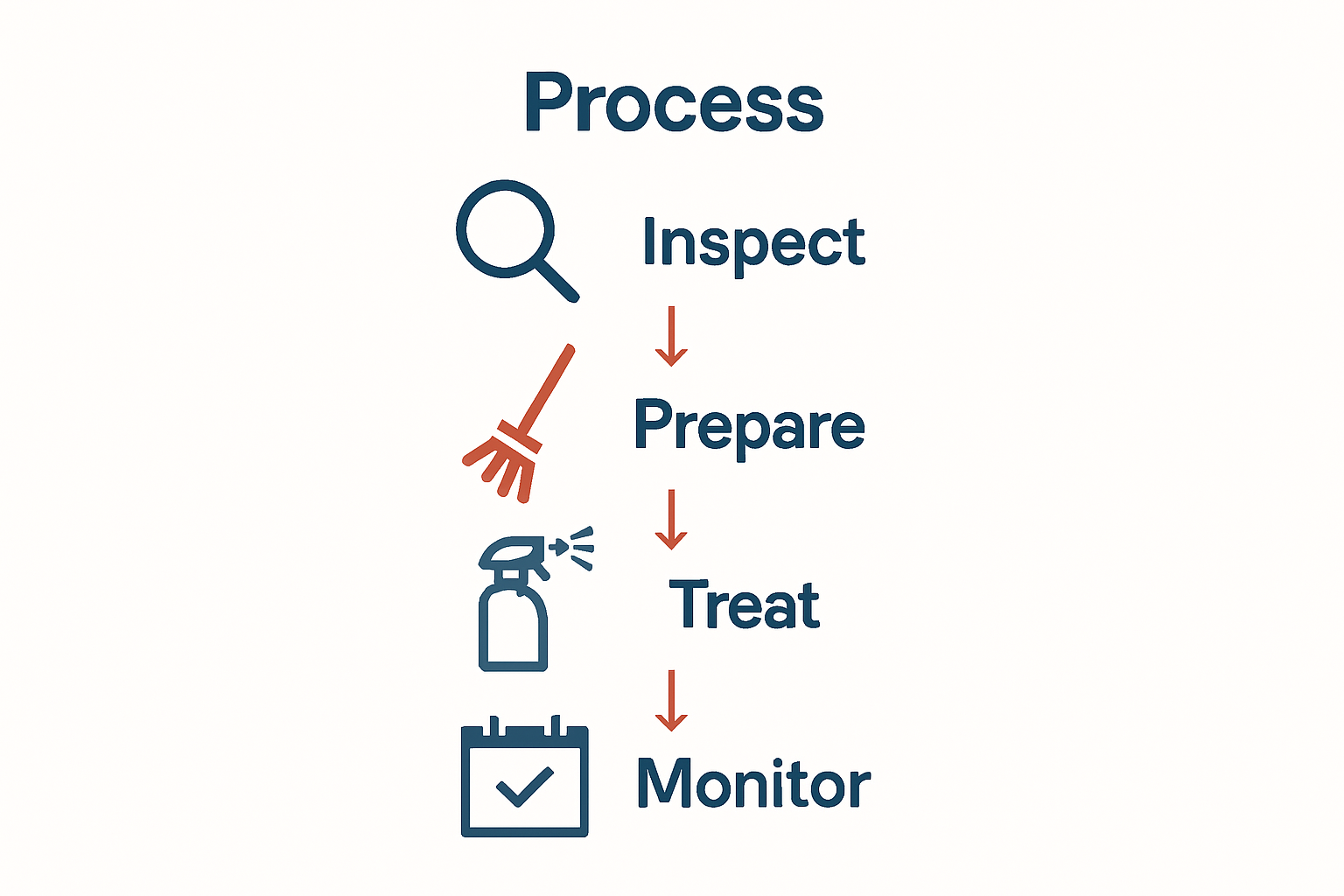
- Step 1: Inspect Living and Sleeping Areas for Bed Bugs
- Step 2: Prepare Spaces to Maximize Treatment Effectiveness
- Step 3: Apply Safe and Targeted Bed Bug Treatments
- Step 4: Monitor Results and Reapply as Needed
- Step 5: Implement Ongoing Prevention Strategies
Quick Summary
| Key Point | Explanation |
|---|---|
| 1. Thoroughly Inspect Living Areas | Regular inspections of beds and nearby furniture are crucial for early detection of bed bugs and preventing infestations. |
| 2. Prepare Spaces for Treatment | Clear clutter and remove items from treatment areas to help pest control professionals access all hiding spots effectively. |
| 3. Use Multiple Treatment Strategies | Employ a combination of heat and chemical treatments to effectively eliminate bed bugs at all life stages while ensuring safety. |
| 4. Monitor for Ongoing Activity | Conduct inspections every 7-10 days after treatment to catch any signs of reinfestation early and reapply treatments if necessary. |
| 5. Implement Preventive Measures | Keep your home organized and regularly inspect for potential bed bug invasions, especially when acquiring secondhand items or traveling. |
Step 1: Inspect Living and Sleeping Areas for Bed Bugs
Detecting bed bugs early requires a thorough and systematic inspection of your living spaces. Your goal is to identify signs of these tiny invaders before they establish a significant population in your home.
Start by stripping down your bed completely, removing all sheets, pillowcases, and mattress covers. Carefully examine the seams and corners of your mattress for telltale signs like rusty reddish stains, dark spots of excrement, and tiny pale yellow eggs. Pay special attention to box springs, bed frames, and headboards where bed bugs frequently hide. Use a bright flashlight to illuminate dark crevices and examine each surface meticulously.
Expand your inspection beyond the bed. Check nearby furniture including nightstands, dressers, and upholstered chairs. Look for signs of bed bugs in cracks of wood floors and behind wallpaper, as these pests can spread quickly to surrounding areas. If you spot any suspicious evidence like small rust colored stains or actual bugs, take immediate action to prevent a full scale infestation.
Pro Tip: Wear light colored clothing during inspection to easily spot tiny bed bugs that might crawl onto you during the search.
If you discover potential bed bug indicators, contact a professional pest control service immediately for a comprehensive assessment and treatment plan.
Step 2: Prepare Spaces to Maximize Treatment Effectiveness
Successful bed bug elimination requires meticulous preparation of your living spaces. Your goal is to create an environment that enables pest control professionals to access and treat every potential hiding spot effectively.

Reduce clutter and remove items from potential treatment areas to give technicians clear access. Start by emptying dresser drawers, nightstands, and closets completely. Carefully remove all bedding, curtains, and fabric items like throw pillows and area rugs. Bag these items in sealed plastic containers to prevent bed bugs from spreading during transportation.
Prepare for laundering by sorting fabric items into hot water wash cycles. Temperatures above 120 degrees Fahrenheit will kill bed bugs and their eggs. Move furniture away from walls to create space for thorough inspection and treatment. Vacuum floors, baseboards, and any cracks meticulously before the professional treatment to remove loose bugs and eggs.
Pro Tip: Use clear plastic bags for storing items so you can easily inspect for bed bugs before returning them to the room.
Once you have completed preparation, your space will be ready for comprehensive pest control treatment. Professional technicians can now systematically eliminate bed bugs from your home.
Step 3: Apply Safe and Targeted Bed Bug Treatments
Effective bed bug elimination requires a strategic and carefully planned approach. Your goal is to implement treatments that comprehensively target these resilient pests while ensuring the safety of your household.
Integrate multiple treatment methods for maximum effectiveness, starting with targeted heat and chemical interventions. Begin by using steam cleaning on furniture and fabrics where bed bugs potentially hide. Heat treatments at temperatures above 120 degrees Fahrenheit can kill bed bugs instantly in all life stages. When selecting pesticides, choose only EPA registered products specifically designed for bed bug control, applying them precisely according to manufacturer instructions.
Prioritize comprehensive coverage by treating all potential hiding spots. Vacuum thoroughly after treatment to remove dead insects and eggs. Encase mattresses and box springs in specialized protective covers to prevent reinfestation and trap any remaining insects. Wash all fabric items in hot water and dry them at high temperatures to eliminate any lingering bed bugs.
Pro Tip: Always wear protective gloves and ventilate the area thoroughly when applying chemical treatments.
After completing treatment, continue monitoring your space for any signs of recurring bed bug activity. Professional follow up inspections can help ensure complete eradication.
Step 4: Monitor Results and Reapply as Needed
Successful bed bug elimination requires ongoing vigilance and strategic follow up. Your mission is to confirm treatment effectiveness and catch any potential reinfestation early.
Conduct systematic inspections every 7 to 10 days after your initial treatment. Use specialized bed bug traps and monitoring devices in key areas like bedrooms and living spaces to detect any remaining or returning insects. Look for telltale signs such as small rust colored stains, tiny dark spots, shed skin, or live bugs during these detailed examinations.
If you discover new signs of bed bugs during monitoring, prepare to reapply targeted treatments immediately. Focus on the specific areas showing renewed activity, using the same heat and chemical interventions from your initial treatment. Consider consulting a professional pest control service if the infestation appears persistent or spreads to multiple areas.
Pro Tip: Take photographs of any evidence during your inspections to track changes and help professionals assess the situation if needed.
Consistent monitoring is your best defense against bed bug resurgence. Stay patient and thorough throughout the elimination process.
Step 5: Implement Ongoing Prevention Strategies
Preventing future bed bug infestations requires a proactive and comprehensive approach. Your goal is to create an environment that minimizes the risk of these persistent pests returning to your home.
Reduce potential hiding spots by minimizing clutter and sealing cracks in walls, floors, and furniture. Conduct regular inspections of sleeping areas, luggage, and secondhand furniture to catch potential invasions early. When traveling, carefully inspect hotel rooms and keep luggage elevated and away from beds. Use protective mattress and box spring encasements to create an additional barrier against potential infestations.
Be extremely cautious when acquiring used furniture, clothing, or other fabric items. Thoroughly inspect and clean any secondhand items before bringing them into your home. Wash and dry clothing from trips or secondhand purchases on high heat to eliminate any potential bed bugs. Maintain a clean and organized living space, as clutter provides more hiding spots for these resilient insects.
Pro Tip: Consider using bed bug interceptor traps under furniture legs to detect and prevent potential infestations early.
Staying vigilant and implementing these preventive measures can significantly reduce the likelihood of future bed bug problems in your home.
Take Control of Your Home with Expert Bed Bug Solutions
Dealing with bed bugs can feel overwhelming because these pests hide in the tiniest cracks and multiply quickly. The article highlights how important it is to thoroughly inspect, prepare your spaces, and apply targeted treatments to claim back your home. If you are struggling to find every hiding place or worried about re-infestation, professional help can make all the difference. Don’t let bed bugs disrupt your peace anymore.
Apex Pest Control offers reliable service tailored to your unique needs whether for a one-time treatment or ongoing protection. Serving Ohio, Michigan, Pennsylvania, and Georgia, our team prioritizes your safety and uses proven, eco-friendly methods to eliminate bed bugs and prevent their return. Ready to take the next step? Visit our Uncategorized Archives – Apex Pest Control to learn more about pest control strategies and get a free quote today. Your bed bug-free home is just one call away.
Frequently Asked Questions
How can I inspect my living areas for bed bugs?
Start by thoroughly stripping your bed and checking the seams and corners of your mattress for signs of bed bugs, such as rusty stains and dark spots of excrement. Examine nearby furniture and other potential hiding spots using a bright flashlight to ensure you identify any indicators early.
What steps should I take to prepare my home for bed bug treatment?
Reduce clutter and remove items from treatment areas to provide pest control professionals with clear access. Empty drawers, bag fabric items in sealed plastic containers, and move furniture away from walls to create an ideal environment for effective treatment.
What types of treatments are effective for eliminating bed bugs?
Integrate multiple treatment methods, including heat treatments above 120 degrees Fahrenheit and EPA registered pesticides. Apply these treatments precisely according to the instructions to cover all potential hiding spots, such as furniture and fabrics, ensuring thorough eradication.
How often should I monitor for bed bugs after treatment?
Conduct systematic inspections every 7 to 10 days to check for any signs of returning bed bugs. Use specialized traps and thoroughly examine all areas, noting any new evidence that may indicate a reinfestation.
What preventative measures can I implement to avoid future bed bug infestations?
Minimize clutter and seal cracks in walls and furniture to reduce hiding spots for bed bugs. Regularly inspect sleeping areas and used items, and wash clothing from trips on high heat to eliminate any potential pests before bringing items into your home.