


Every year, over **60% of American homeowners in Ohio face recurring pest problems that threaten family comfort and pet safety. When unwanted insects or rodents find their way inside, the risks go far beyond inconvenience. Ongoing pest service offers reliable protection built on eco-friendly strategies that outlast quick fixes. Discover smarter, sustainable solutions for keeping your home safe, healthy, and free from seasonal infestations.
Table of Contents
- What Is Ongoing Pest Service?
- Types of Ongoing Pest Programs Offered
- How Ongoing Service Prevents Infestations
- Safety and Eco-Friendly Pest Solutions
- Comparing Costs and One-Time Treatments
- Avoiding Common Pest Control Mistakes
Key Takeaways
| Point | Details |
|---|---|
| Ongoing Pest Service | This proactive strategy focuses on continuous monitoring and prevention to maintain a pest-free environment, rather than relying solely on one-time treatments. |
| Customized Service Plans | Pest management professionals create tailored plans based on each home’s unique conditions, ensuring effective pest control throughout the year. |
| Cost-Effectiveness | While ongoing services may require higher upfront costs, they prevent significant pest-related damages, offering long-term savings for homeowners. |
| Common Mistakes | Homeowners often undermine their pest management efforts by ignoring preventative measures or misapplying treatments, which can lead to larger infestations. |
What Is Ongoing Pest Service?
Ongoing pest service represents a proactive approach to maintaining a pest-free environment in Ohio homes. Unlike traditional one-time treatments, this strategy focuses on continuous monitoring, prevention, and targeted intervention to protect residential spaces from unwanted pests. Integrated Pest Management (IPM) principles guide these comprehensive services, emphasizing long-term control rather than reactive solutions.
The core philosophy of ongoing pest service involves regular inspections, strategic treatments, and preventative measures designed to interrupt pest reproduction and entry cycles. Professional technicians conduct systematic assessments of your property, identifying potential vulnerabilities such as foundation cracks, moisture zones, and entry points that could attract insects or rodents. By addressing these factors consistently, homeowners can significantly reduce the likelihood of substantial infestations.
Pest management professionals typically develop customized service plans tailored to each home’s unique environmental conditions. These plans often include seasonal treatments that account for Ohio’s specific climate and pest behaviors, ensuring protection throughout the year. Sustainable pest management practices help minimize environmental impact while providing effective long-term protection against common household pests like ants, spiders, mice, and seasonal insects.
Pro tip: Schedule your initial ongoing pest service inspection during seasonal transitions to catch potential pest migration patterns early and prevent larger infestations before they take hold.
Types of Ongoing Pest Programs Offered
Pest control professionals in Ohio offer multiple specialized ongoing service programs designed to address the diverse challenges homeowners face with different types of pest infestations. Integrated pest management approaches encompass comprehensive strategies that go beyond simple extermination, focusing on prevention, monitoring, and sustainable control methods.
These ongoing programs typically include several key approaches tailored to specific pest challenges. Residential services often feature seasonal treatments targeting common Ohio pests like ants, spiders, mice, and seasonal insects. Specialized programs might include targeted rodent control, comprehensive termite prevention, mosquito reduction services, and exterior barrier treatments that create protective zones around residential properties. Each program is customized based on the home’s unique environmental conditions, potential entry points, and specific regional pest pressures.
The most effective ongoing pest management programs incorporate multiple control strategies. Sustainable pest control methods blend biological, cultural, mechanical, and chemical interventions to create a holistic approach to pest management. This might involve using natural predators, modifying environmental conditions to discourage pest habitation, implementing physical barriers, and applying targeted treatments only when necessary to minimize environmental impact.
Pro tip: Request a comprehensive property inspection during your initial consultation to develop the most effective, personalized ongoing pest management strategy for your specific home and landscape.
How Ongoing Service Prevents Infestations
Preventive pest management strategies are critical in stopping pest populations before they become unmanageable. By implementing systematic monitoring and early intervention, pest control professionals can identify and address potential infestations long before they develop into significant problems for Ohio homeowners. This proactive approach allows for targeted treatments that disrupt pest breeding cycles and eliminate vulnerabilities in residential environments.
Ongoing service programs focus on multiple layers of prevention. Technicians conduct regular property inspections to identify potential entry points, moisture issues, and conditions that might attract pests. These inspections help seal potential access routes, remove potential food sources, and create protective barriers around the home. By understanding the specific environmental factors that contribute to pest attraction, professionals can develop customized strategies that address each property’s unique characteristics and potential risk factors.
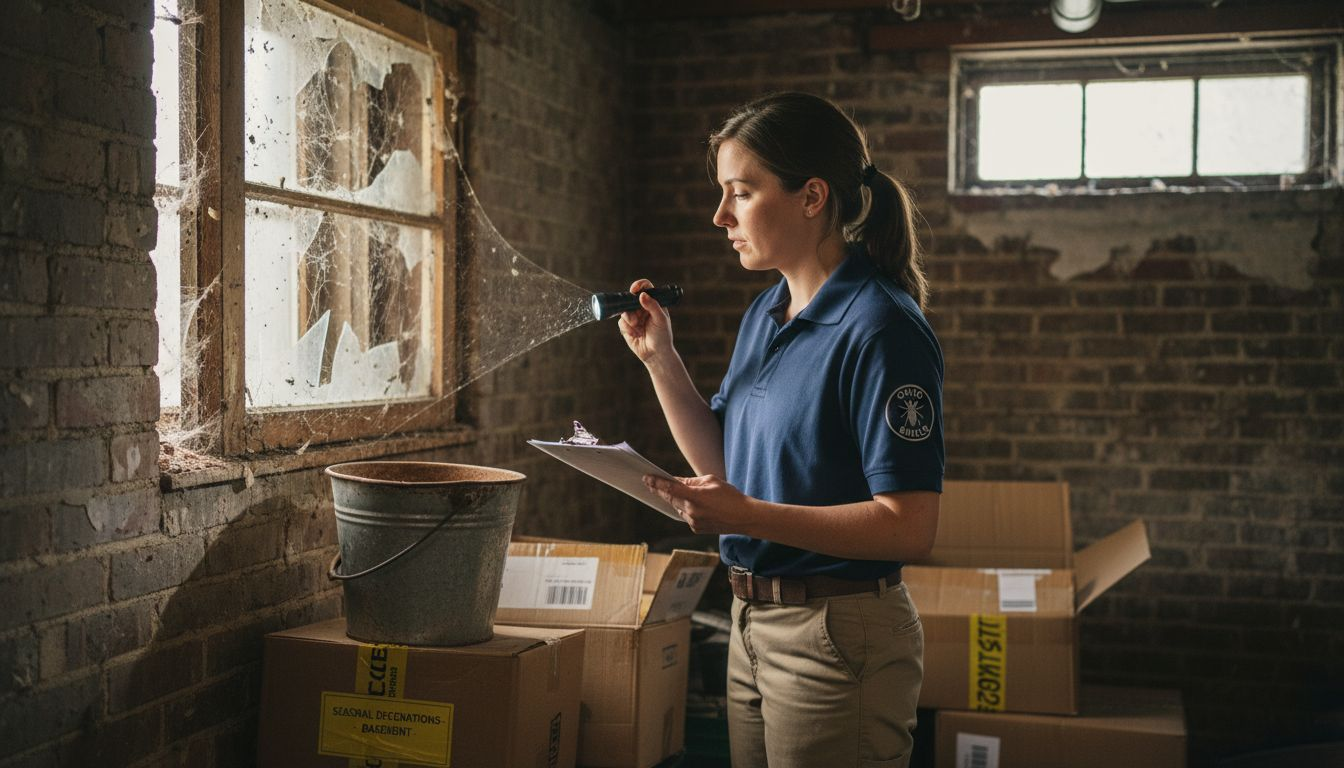
The core of effective infestation prevention lies in understanding pest behavior and ecosystem management. Integrated pest control techniques emphasize creating inhospitable environments for pests while maintaining a balanced approach to treatment. This means applying interventions only when necessary, using targeted methods that minimize environmental impact, and continuously monitoring pest activity to prevent population growth. For Ohio homes, this might involve seasonal treatments, exterior barrier applications, and strategic modifications to landscaping and home maintenance practices.
Pro tip: Maintain a detailed log of pest observations and treatment activities to help your pest control professional develop the most effective, personalized prevention strategy for your home.
Safety and Eco-Friendly Pest Solutions
Ecological pest management strategies represent a modern approach to controlling pest populations while minimizing environmental and health risks. These innovative solutions prioritize prevention and natural balance, moving beyond traditional chemical-heavy treatments that can harm beneficial organisms and ecosystem health. By focusing on comprehensive, holistic methods, pest control professionals can effectively manage pest populations while protecting Ohio homes and surrounding environments.
The core principles of eco-friendly pest solutions involve understanding and disrupting pest habitats through intelligent, targeted interventions. This approach includes identifying potential pest entry points, reducing moisture and food sources, and creating natural barriers that discourage infestation. Technicians utilize strategies like introducing beneficial predator species, improving landscape drainage, and sealing potential access points without relying solely on chemical treatments. These methods not only address current pest issues but also prevent future infestations by creating less hospitable environments for unwanted insects and rodents.
Organic and sustainable pest control methods emphasize plant and soil health as fundamental to long-term pest management. By maintaining robust ecosystem balance, pest control professionals can reduce the need for aggressive chemical interventions. This might involve using targeted biological controls, promoting natural predator populations, and implementing strategic landscape modifications that make residential properties less attractive to pests. For Ohio homeowners, this means a comprehensive approach that protects both their living spaces and the broader environmental ecosystem.
Pro tip: Request a comprehensive property assessment that includes recommendations for natural pest prevention strategies specific to your home’s unique environmental conditions.
The table below summarizes eco-friendly pest control methods and their advantages:
| Method | Description | Environmental Impact | Longevity of Effect |
|---|---|---|---|
| Biological Controls | Encourage natural predator species | Maintains ecosystem balance | Sustained over time |
| Physical Barriers | Seal home entry points | No chemical residue | Long-lasting |
| Landscape Modification | Improve drainage, reduce attractants | Low impact, enhances habitat | Year-round benefit |
| Targeted Organic Treatments | Use natural pesticides selectively | Minimal risk to non-targets | Moderately durable |
Comparing Costs and One-Time Treatments
Pest management economics reveal significant differences between one-time treatments and ongoing service programs for Ohio homeowners. While one-time treatments might appear more affordable initially, they often prove less cost-effective in the long run. These isolated interventions typically address immediate pest visibility without preventing future infestations, potentially leading to recurring and increasingly expensive pest control challenges.
The financial comparison between one-time and ongoing pest services extends beyond simple treatment costs. Ongoing programs provide comprehensive protection through regular inspections, preventative strategies, and targeted interventions that stop pest problems before they escalate. Homeowners benefit from consistent monitoring that identifies potential vulnerabilities, seals entry points, and maintains a protective barrier around the property. This approach reduces the likelihood of extensive damage that can result from untreated or intermittent pest challenges, which could lead to costly home repairs and structural issues.
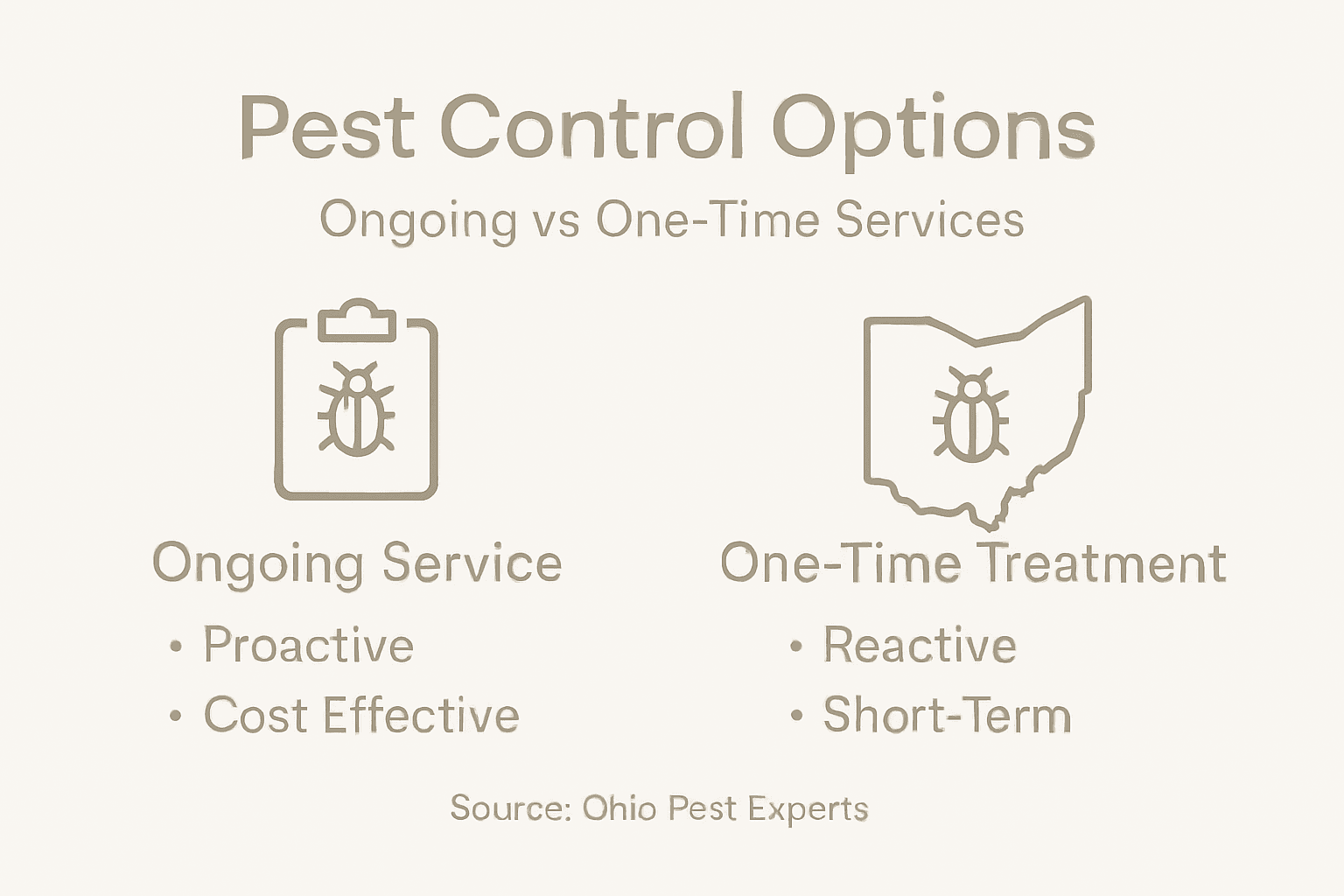
Integrated Pest Management strategies demonstrate that long-term pest control investments yield substantial economic advantages. While ongoing service contracts might have higher upfront costs, they provide comprehensive protection that prevents expensive pest-related damages. These programs typically include multiple service visits, detailed property assessments, customized treatment plans, and guaranteed results that adapt to seasonal pest behaviors specific to Ohio’s changing environmental conditions. The cumulative savings from preventing significant infestations far outweigh the initial investment in continuous pest management.
Pro tip: Request a detailed cost comparison and potential damage prevention analysis from your pest control provider to understand the long-term financial benefits of ongoing service programs.
Here’s a quick comparison of one-time pest treatments versus ongoing pest service programs in Ohio:
| Aspect | One-Time Treatment | Ongoing Pest Service |
|---|---|---|
| Cost Effectiveness | Potentially more expensive long term | Consistent savings from prevention |
| Infestation Prevention | Only addresses visible issues | Proactively stops issues before they start |
| Property Protection | May not prevent structural damage | Reduces risk of costly repairs |
| Service Scope | Single visit, limited follow-up | Regular inspections, adaptive strategies |
Avoiding Common Pest Control Mistakes
Pest control errors can quickly transform a manageable situation into a significant home protection challenge for Ohio residents. Homeowners frequently make critical mistakes that compromise their pest management efforts, often stemming from incomplete understanding or reactive approaches. These missteps can range from misidentifying pest species to applying treatments without strategic planning, ultimately undermining the effectiveness of pest control interventions.
One of the most prevalent errors involves inappropriate treatment selection and application. Many homeowners rely too heavily on over-the-counter pesticides without understanding the specific pest biology, potential resistance mechanisms, or environmental impacts. Integrated pest management principles emphasize the importance of targeted, informed interventions that consider the entire ecosystem. This means identifying precise pest species, understanding their behavioral patterns, and selecting treatments that address root causes rather than merely treating surface-level symptoms.
Successful pest management requires a comprehensive, proactive approach that goes beyond sporadic treatments. Common mistakes include ignoring preventative measures, failing to seal potential entry points, and neglecting regular property inspections. Ohio homeowners should focus on creating inhospitable environments for pests by maintaining proper sanitation, reducing moisture zones, trimming vegetation near structures, and understanding seasonal pest migration patterns. Professional pest control technicians can provide invaluable insights into developing a holistic strategy that prevents infestations before they become established.
Pro tip: Maintain a detailed log of pest sightings, treatment attempts, and environmental conditions to help pest control professionals develop a more targeted and effective management strategy.
Protect Your Ohio Home with Expert Ongoing Pest Services
Ongoing pest service is essential for Ohio homeowners who want lasting protection against recurring infestations. If you are frustrated by pests returning again and again despite one-time treatments you have tried, it is time to consider a proactive, customized program that focuses on prevention, regular inspections, and eco-friendly solutions. Apex Pest Control understands the unique pest challenges of Ohio homes and offers tailored ongoing service programs that use integrated pest management principles to create safe and pest-free living spaces for you and your family.
Don’t let pest problems drain your time, energy, or finances. With comprehensive options including mosquito prevention, exterior rodent control, and stinging insect management, our experts build a protective barrier around your home all year long. Start now by visiting our Uncategorized Archives – Apex Pest Control page to learn more about how we address ongoing pest concerns. Take the first step toward lasting pest relief by requesting a personalized quote at Apex Pest Control Free Quote today. Your home deserves continuous care that stops pests before they start.
Frequently Asked Questions
What is ongoing pest service?
Ongoing pest service is a proactive approach to pest management that focuses on continuous monitoring, prevention, and targeted treatments to maintain a pest-free environment in homes.
How does ongoing service prevent infestations?
Ongoing service prevents infestations by conducting regular inspections, identifying potential entry points, and implementing preventative measures that disrupt pest breeding cycles before significant problems develop.
What are the benefits of eco-friendly pest solutions?
Eco-friendly pest solutions prioritize prevention and natural balance, minimizing environmental and health risks by using targeted interventions like beneficial predators and physical barriers instead of traditional chemical treatments.
How does ongoing pest service compare to one-time treatments?
Ongoing pest service offers comprehensive protection through regular monitoring and preventative strategies, proving to be more cost-effective in the long run compared to one-time treatments that address immediate issues without preventing future infestations.
Recommended
- Ohio Home Pest Guide 2025: Eradicate Pests Effectively
- Complete Guide to Common Ohio Pest Species
- 7 Advantages of Professional Pest Services for Ohio Homes
- Preventive Pest Services: Complete Guide for Ohio Homes
- Maximize Your Security Investment: Essential Preventive Maintenance Strategies – 247 CCTV Security Ltd