



Most homeowners think a quick spray or a few traps are enough to keep pests out permanently. The truth is, creating a genuinely pest proof home requires understanding how pests infiltrate your space and implementing safe, strategic prevention methods that work year round. Ohio’s climate and diverse pest populations make this especially important in 2026, as warmer winters and increased humidity create ideal conditions for rodents, termites, ants, and bed bugs. This guide will walk you through what a pest proof home really means and how to achieve it using safe, effective strategies tailored to Northeast Ohio.
Table of Contents
- Understanding What Makes A Home Pest Proof
- Core Strategies For Creating A Pest-Proof Home In Ohio
- Comparing Safe Pest Proofing Methods And Products For Your Home
- Maintaining Your Pest-Proof Home: Inspections And Ongoing Prevention
- Explore Professional Pest Solutions For Ohio Homes
- Frequently Asked Questions
Key takeaways
| Point | Details |
|---|---|
| Pest proof definition | A home designed to prevent pest entry and eliminate conditions that support infestations. |
| Effective methods | Sealing entry points, maintaining sanitation, and using physical barriers work best. |
| Safe approaches | Eco-friendly solutions protect your family, pets, and environment without sacrificing results. |
| Ohio-specific needs | Regional pests like rodents and termites require tailored prevention strategies. |
| Professional support | Expert assessments and treatments complement DIY efforts for complete protection. |
Understanding what makes a home pest proof
A pest proof home is specifically designed to prevent pests from entering and establishing themselves inside your living space. This goes far beyond occasional treatments or reactive measures. It means creating an environment where pests cannot find easy access, food, water, or shelter. In Ohio, common invaders include mice, rats, carpenter ants, termites, bed bugs, and wasps. Each species exploits different vulnerabilities in your home’s structure and environment.
Pests typically enter through surprisingly small openings. Mice can squeeze through gaps as narrow as a dime, while ants follow scent trails through microscopic cracks in foundations. Common entry points include gaps around doors and windows, utility line penetrations, foundation cracks, roof vents, and damaged weatherstripping. Even properly constructed homes develop these vulnerabilities over time due to settling, temperature fluctuations, and normal wear.
Safe pest proofing prioritizes exclusion and environmental management over chemical dependence. Effective pest removal safety tips emphasize sealing entry points and maintaining them regularly. This approach protects your family from exposure to harsh pesticides while addressing the root causes of infestations. Chemical treatments may kill visible pests temporarily, but without proper exclusion, new invaders simply replace them.
Regular inspections and maintenance form the backbone of long-term success. Your home’s exterior changes with seasons, weather events, and age. What was sealed last year might have gaps this year. Establishing a routine inspection schedule helps you catch vulnerabilities before they become full-blown infestations. Key areas to monitor include:
- Foundation perimeter and basement walls
- Attic spaces and roof line junctions
- Crawl spaces and floor joists
- Plumbing and electrical penetrations
- Door thresholds and window frames
Core strategies for creating a pest-proof home in Ohio
Building a truly pest proof home requires a systematic approach that addresses multiple vulnerability points. These five core strategies work together to create comprehensive protection against Ohio’s most common household pests.
-
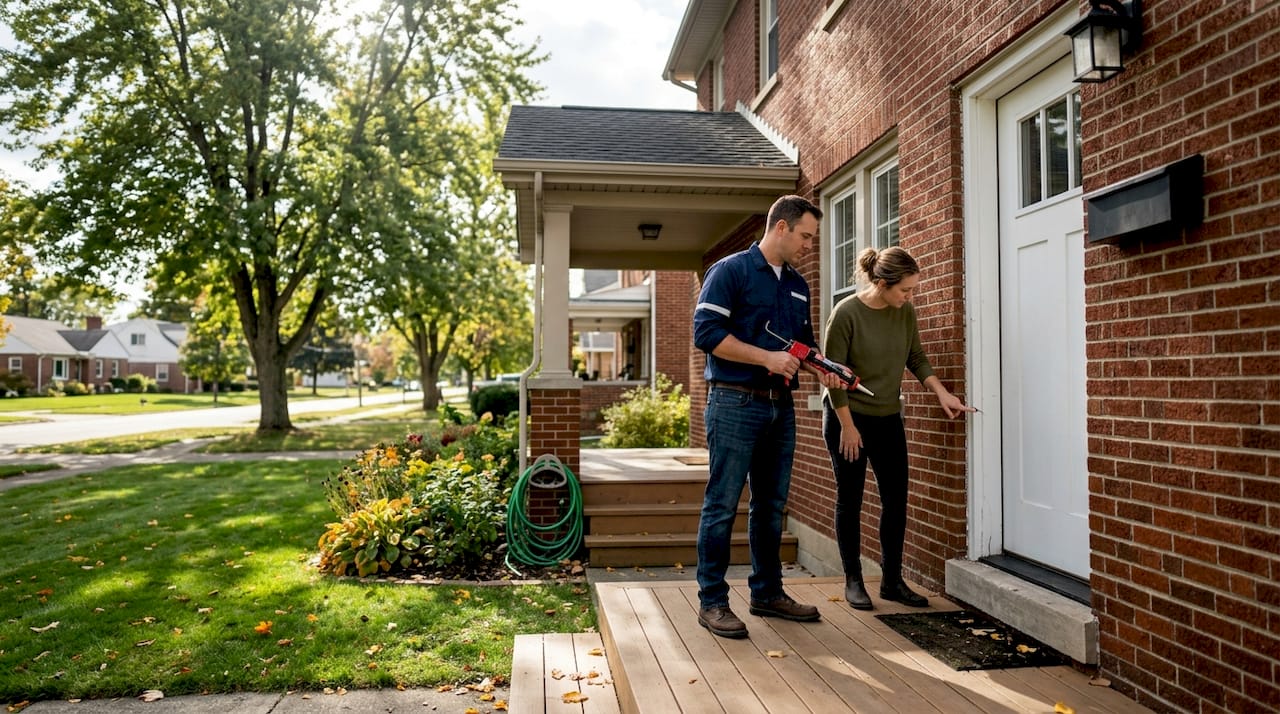
Seal all cracks, gaps, and openings throughout your property. Use steel wool for holes larger than a quarter inch, as rodents cannot chew through it. Apply weatherproof caulk around window frames, door jambs, and foundation cracks. Install door sweeps on all exterior doors, ensuring no gap exists between the sweep and threshold. Check where utility lines enter your home and seal these penetrations with expanding foam or copper mesh.
-
Maintain rigorous sanitation to eliminate food and water sources. Store all food in airtight containers, including pet food and birdseed. Clean up spills immediately and wipe down counters daily. Fix leaky faucets and pipes promptly, as moisture attracts many pest species. Empty trash regularly and use bins with tight-fitting lids. Remove standing water from plant saucers, gutters, and yard containers.
-
Manage your landscaping to reduce pest harborage near the house. Trim tree branches so they do not touch your roof or siding, as these create highways for rodents and insects. Keep mulch at least six inches away from your foundation to prevent moisture buildup and termite access. Remove leaf litter, woodpiles, and debris from around your home’s perimeter. Maintain a gravel or rock barrier between soil and siding.
-
Install physical barriers at vulnerable entry points. Use fine mesh screens on vents, chimneys, and crawl space openings. Replace damaged window screens immediately. Install chimney caps to prevent bird and rodent entry. Add door sweeps to garage doors and basement entries. Consider installing pest-proof vent covers in attics and crawl spaces.
-
Conduct regular pest inspections to catch problems early. Walk your property’s perimeter monthly, looking for new cracks, gaps, or signs of pest activity. Check attics and basements for droppings, nesting materials, or damage. Inspect stored items in garages and sheds. Monthly pest maintenance significantly reduces pest infestations when combined with sealing and sanitation.
Pro Tip: Schedule seasonal checks before spring and fall, when pest activity peaks in Ohio. These preventive inspections let you address entry points before rodents seek winter shelter or ants begin their spring foraging.
Comparing safe pest proofing methods and products for your home
Choosing the right pest proofing approach depends on your specific situation, budget, and safety priorities. Understanding how different methods compare helps you make informed decisions that protect your family while effectively preventing pests.
| Method | Effectiveness | Safety Level | Cost | Ease of Use |
|---|---|---|---|---|
| Physical barriers | Very high | Completely safe | Low to moderate | Moderate |
| Natural repellents | Moderate | Very safe | Low | Easy |
| Chemical deterrents | High short-term | Varies widely | Moderate | Requires caution |
| Professional exclusion | Very high | Safe when done right | Higher upfront | Minimal homeowner effort |
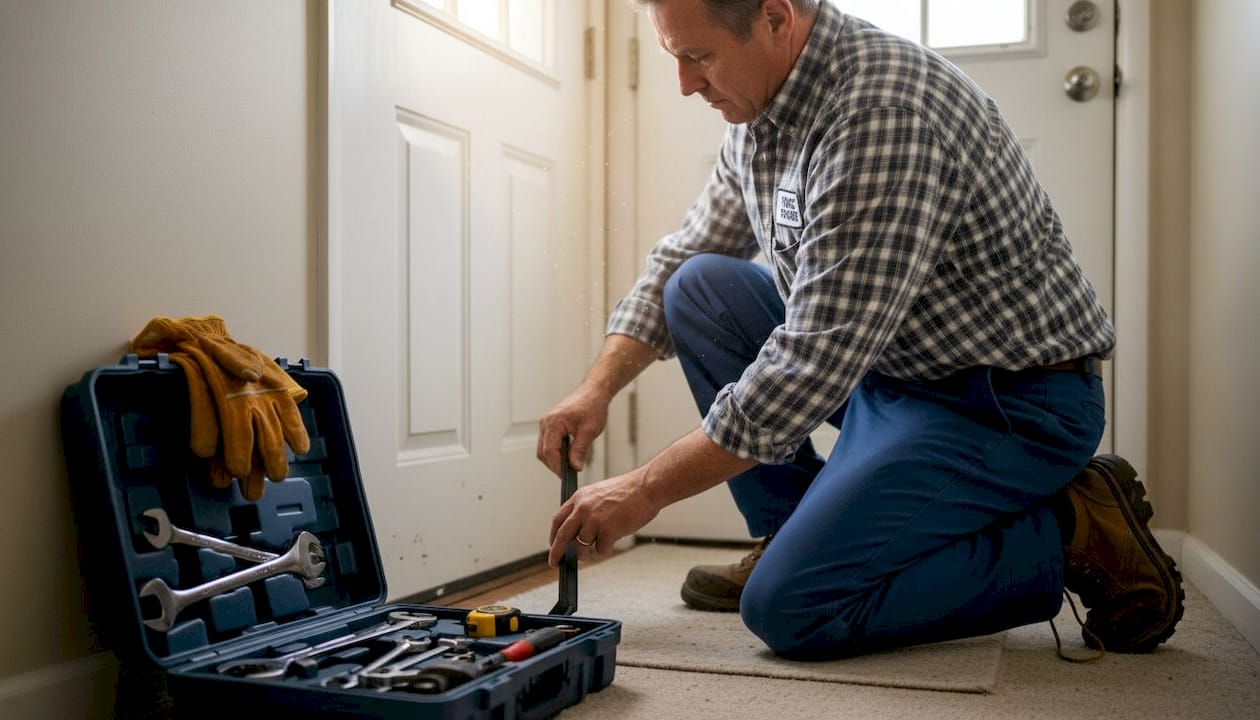
Physical barriers like door sweeps, screens, and sealed cracks provide the most reliable long-term protection. They work continuously without degrading or requiring reapplication. Installation requires some effort and basic tools, but once in place, these barriers need only periodic inspection and minor maintenance. They pose zero health risks to children, pets, or the environment.
Natural repellents including peppermint oil, diatomaceous earth, and cedar products offer safe supplemental protection. While less effective than physical exclusion, they help deter pests in areas where complete sealing is impractical. These products work best when combined with other methods rather than as standalone solutions. They require regular reapplication but create no toxic exposure concerns.
Chemical deterrents range from relatively safe boric acid to more hazardous synthetic pesticides. Eco-friendly pest control methods protect families and the environment without sacrificing effectiveness. When chemicals are necessary, choose products specifically labeled for indoor residential use and follow all application instructions precisely. Never apply pesticides in food preparation areas or where children and pets frequent.
Professional exclusion services provide expert assessment and implementation of comprehensive pest proofing measures. Trained technicians identify vulnerabilities you might miss and have access to commercial-grade materials and tools. While more expensive initially, professional work often proves more cost effective long-term by preventing recurring infestations and avoiding trial-and-error with DIY methods.
Pro Tip: Combine multiple safe methods for the most effective pest proofing. Use physical barriers as your primary defense, supplement with natural repellents in problem areas, and reserve chemical options for targeted treatment of active infestations only.
What most homeowners miss is avoiding over-reliance on chemical sprays alone. Pesticides kill existing pests but do nothing to prevent new ones from entering. Without addressing entry points and environmental factors, you create a cycle of repeated treatments that expose your family to unnecessary chemicals while never solving the underlying problem.
Maintaining your pest-proof home: inspections and ongoing prevention
Creating a pest proof home is not a one-time project. Maintaining that protection requires regular inspections and proactive maintenance to address new vulnerabilities before they become serious problems. Ohio’s seasonal weather changes create ongoing challenges that demand consistent attention.
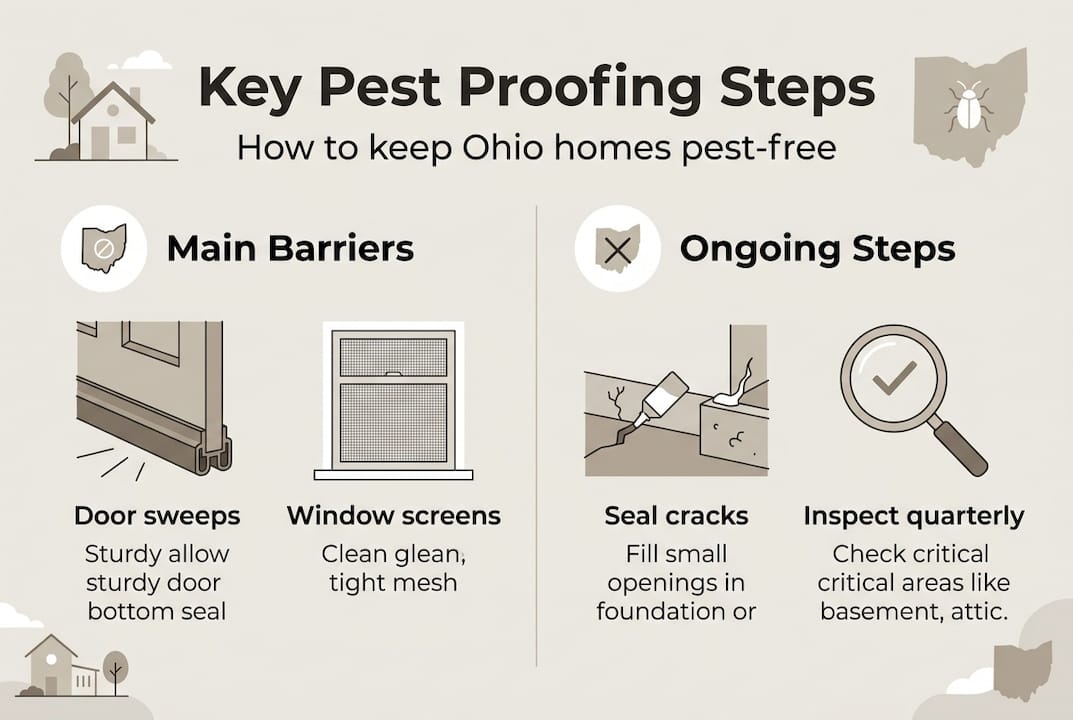
Schedule comprehensive inspections quarterly or at minimum seasonally. Regular pest inspections are critical to early detection and effective prevention. Spring inspections should focus on foundation cracks that may have developed during winter freeze-thaw cycles. Summer checks should examine screens, weatherstripping, and areas where increased humidity might attract pests. Fall inspections are crucial for identifying gaps before rodents seek winter shelter. Winter checks should monitor attics, basements, and crawl spaces for signs of pest activity.
Inspect common entry points and pest-prone areas systematically during each check. Walk your home’s entire perimeter, examining the foundation for new cracks or gaps. Check all door and window seals, replacing worn weatherstripping immediately. Inspect the roof line, soffits, and fascia for damage or openings. Examine utility penetrations for gaps around pipes, wires, and vents. Look inside attics and crawl spaces for droppings, nesting materials, gnaw marks, or other pest evidence.
| Season | Primary Pest Risks | Inspection Frequency | Focus Areas |
|---|---|---|---|
| Spring | Ants, termites, wasps | Monthly | Foundation, wood structures, outdoor nesting sites |
| Summer | Mosquitoes, flies, spiders | Monthly | Screens, standing water, entry points |
| Fall | Rodents, stink bugs, ladybugs | Bi-weekly | Gaps, attic, basement, weatherstripping |
| Winter | Mice, rats, overwintering insects | Monthly | Interior spaces, stored items, warm areas |
Maintain cleanliness and repair damages promptly. Small problems become big infestations when ignored. A tiny crack in your foundation can admit thousands of ants. A loose vent cover provides easy rodent access. Fix these issues immediately upon discovery. Keep detailed records of repairs and treatments to track problem areas and identify patterns over time.
Use a maintenance checklist to ensure nothing gets overlooked:
- Check and clean gutters to prevent water damage and mosquito breeding
- Trim vegetation away from the house perimeter
- Inspect and replace damaged screens
- Test door sweeps and weatherstripping
- Examine stored items for pest damage
- Clean and organize storage areas to eliminate hiding spots
- Check for moisture issues in basements and crawl spaces
- Verify all vents have intact screens or covers
Consider following a 7 step seasonal pest control checklist to stay organized and thorough. Consistent maintenance takes less time and money than dealing with established infestations. Most homeowners spend 30 minutes monthly on preventive inspections, far less than the hours required to address serious pest problems.
Explore professional pest solutions for Ohio homes
While DIY pest proofing provides excellent protection, professional services offer expertise and resources that take your home’s defense to the next level. Licensed technicians bring years of training in identifying vulnerabilities and implementing solutions tailored to Ohio’s specific pest challenges. They spot problems the average homeowner might miss and have access to commercial-grade materials that provide superior durability and effectiveness.
Professional assessments provide comprehensive evaluations of your entire property. Experts examine not just obvious entry points but also subtle environmental factors that attract pests. They identify conditions you may not recognize as problematic and recommend targeted improvements. This thorough approach addresses current issues while preventing future ones.
Comparing your options helps you choose the right level of professional support. A top residential pest solutions comparison reviews safety and effectiveness for 2026 services. Some homeowners benefit from one-time exclusion work, while others prefer ongoing monitoring and maintenance plans. Professional treatments use advanced techniques and products unavailable to consumers, often achieving faster, more complete results.
Access to local exterminators ensures rapid response when you discover active infestations. Quick action prevents small problems from becoming expensive disasters. Local professionals understand Northeast Ohio’s pest patterns and seasonal challenges, allowing them to provide relevant, effective solutions.
Pro Tip: Combining professional expertise with your own diligent maintenance yields the best long-term results. Professionals handle complex exclusion work and treat active infestations, while you maintain daily vigilance and address minor issues promptly. Ready to protect your home with expert help? Contact pest control professionals for a thorough assessment and customized protection plan.
Frequently asked questions
What is pest proofing, and why is it important for my Ohio home?
Pest proofing involves making your home resistant to pest intrusion through physical barriers, environmental management, and regular maintenance. It matters because Ohio’s climate supports diverse pest populations including rodents, termites, ants, and bed bugs that threaten your health, safety, and property value. Effective pest proofing prevents infestations before they start, saving you money on treatments and repairs while protecting your family from pest-borne diseases and allergens. Unlike reactive pest control that addresses existing problems, pest proofing creates lasting protection by eliminating the conditions pests need to survive.
Which pests are most common in Ohio homes, and how do I prevent them?
Rodents, termites, carpenter ants, and bed bugs rank as Ohio’s most prevalent household pests. Mice and rats seek indoor shelter during fall and winter, entering through gaps as small as a quarter inch. Termites damage wooden structures year round, particularly in areas with moisture problems or wood-to-soil contact. Carpenter ants excavate wood for nesting, often indicating existing moisture damage. Bed bugs hitchhike on luggage, furniture, and clothing, spreading rapidly once established. Prevent these pests by sealing all entry points, eliminating moisture sources, maintaining proper sanitation, and conducting regular inspections to catch problems early.
Are chemical pesticides safe to use inside my home?
Chemical pesticides must be used cautiously to protect your family and pets from harmful exposure. Many conventional pesticides contain ingredients that pose health risks, particularly to children, pregnant women, and individuals with respiratory conditions. Safe alternatives include physical exclusion methods, improved sanitation, and eco-friendly products made from natural ingredients. When chemical treatments are necessary, choose products specifically labeled for indoor residential use, follow all application instructions precisely, and keep treated areas inaccessible to children and pets until completely dry. Professional pest control services often use lower-toxicity products applied with precision to minimize exposure while maximizing effectiveness.
How often should I inspect my home to keep it pest proof?
Quarterly inspections provide adequate monitoring for most Ohio homes, though monthly checks offer better protection during peak pest seasons. Focus your inspections on common entry points including foundations, door and window frames, utility penetrations, attics, and basements. Spring and fall deserve extra attention as pests become more active during these transition periods. Increase inspection frequency if you live near wooded areas, have experienced past infestations, or notice signs of pest activity. Regular monitoring lets you identify and address vulnerabilities before they become serious problems, maintaining your home’s pest proof status year round with minimal effort and expense.