


Every American business, whether large or small, faces the threat of pests disrupting daily operations and damaging reputation. More than 45 percent of companies report losing business due to pest problems each year. Keeping work environments free from infestations matters not only for health and safety but also for legal compliance and customer trust. Understanding pest management strategies gives decision-makers the knowledge to protect assets and maintain smooth business operations.
Table of Contents
- What Is Pest Management In Business?
- Types Of Pest Management Services Offered
- Integrating Pest Control Into Business Operations
- Legal And Safety Responsibilities For Companies
- Risks And Costs Of Poor Pest Control Practices
Key Takeaways
| Point | Details |
|---|---|
| Strategic Approach to Pest Management | Effective pest management combines prevention, monitoring, and tailored interventions to protect business assets and ensure operational integrity. |
| Importance of Professional Services | Licensed commercial applicators provide expertise and compliance with regulations, critical for maintaining safe environments in various business sectors. |
| Integration Into Operations | Businesses must adopt systematic protocols for pest management, including regular inspections and staff training, to prevent infestations before they occur. |
| Risks of Poor Practices | Neglecting pest control can lead to financial losses, health hazards, and legal consequences, underscoring the necessity of proactive management strategies. |
What Is Pest Management in Business?
Pest management in business represents a strategic approach to controlling and preventing unwanted organisms that can threaten commercial environments. At its core, pest management is a systematic process designed to minimize pest populations while protecting human health, property, and environmental safety. Organizations across Ohio rely on professional pest control services to maintain clean, healthy workspaces and prevent potential disruptions.
The Integrated Pest Management (IPM) approach offers businesses a comprehensive solution that goes beyond traditional extermination methods. This scientifically-driven strategy combines multiple tactics to address pest challenges effectively. By utilizing biological, cultural, physical, and chemical interventions, IPM focuses on long-term prevention and minimal environmental impact. Professional commercial applicators understand that each business environment requires a unique pest control strategy tailored to specific industry needs.
Key Components of Business Pest Management:
- Comprehensive site inspections
- Identification of potential pest entry points
- Risk assessment for specific industry environments
- Targeted treatment protocols
- Ongoing monitoring and preventative strategies
Commercial pest management isn’t just about eliminating current infestations. Licensed commercial applicators play a critical role in developing proactive strategies that prevent future pest problems. These professionals undergo rigorous training to understand complex pest behaviors, local ecosystem dynamics, and industry-specific regulations. Their expertise ensures that businesses receive safe, effective, and environmentally responsible pest control solutions that protect both human occupants and property assets.
Types of Pest Management Services Offered
Businesses in Ohio require diverse pest management solutions tailored to their specific operational needs. Commercial pest control services encompass a wide range of specialized treatments designed to address different environments and pest challenges. From restaurants and food processing facilities to office complexes and industrial plants, each sector demands a unique approach to maintaining a pest-free environment.
The commercial pesticide applicators in Ohio offer comprehensive services across multiple categories. These professionals are extensively trained to handle pest control in various settings, ensuring safe and effective management strategies. Their expertise covers critical areas such as:
-
Residential Pest Control
- Single-family home treatments
- Apartment complex management
- Rental property pest prevention
-
Commercial Facility Services
- Office building pest management
- Industrial plant pest control
- Food handling establishment treatments
-
Specialized Sector Solutions
- Healthcare facility pest prevention
- Educational institution pest management
- Retail space pest control
Professional pest management goes beyond simple extermination. Category 10a—General Pest Control guidelines highlight the importance of comprehensive, environmentally responsible approaches. These services integrate advanced techniques like integrated pest management (IPM), which focuses on long-term prevention, targeted interventions, and minimal environmental impact. Businesses benefit from customized strategies that not only address immediate pest concerns but also implement proactive measures to prevent future infestations.
Integrating Pest Control Into Business Operations
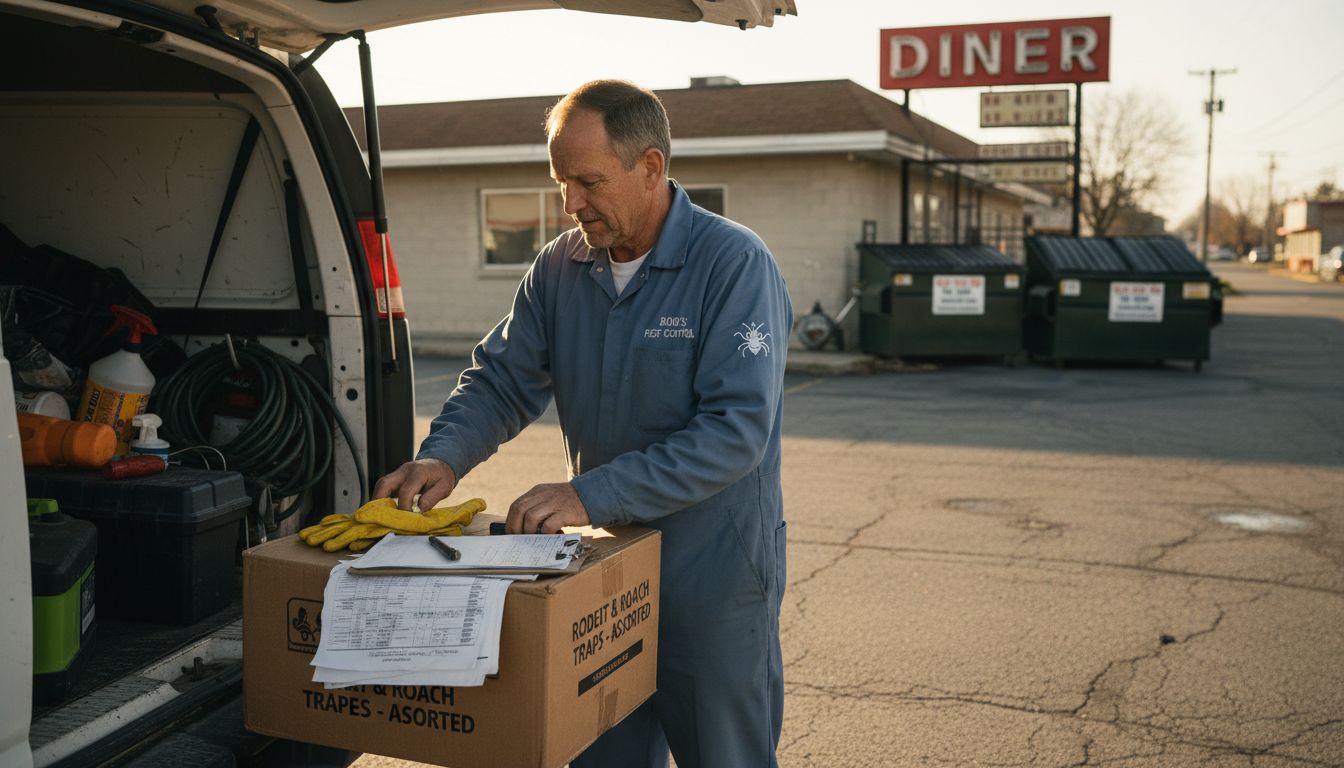
Successful pest management requires a strategic and proactive approach that goes beyond occasional treatments. Business pest control integration demands a comprehensive system that addresses potential vulnerabilities across entire organizational environments. Companies must develop systematic protocols that prevent pest issues before they become significant operational challenges.
The Ohio IPM Standard provides critical guidelines for businesses seeking to implement robust pest management strategies. These standards outline specific components and activities designed to protect both consumer interests and organizational infrastructure. Effective integration involves multiple strategic elements:
-
Preventative Assessment
- Regular facility inspections
- Identifying potential pest entry points
- Documenting environmental risk factors
-
Operational Protocols
- Staff training on pest prevention
- Establishing cleaning and maintenance standards
- Creating reporting mechanisms for potential pest sightings
-
Continuous Monitoring
- Scheduled professional evaluations
- Data tracking of pest-related incidents
- Adapting strategies based on assessment results
Integrated Pest Management (IPM) approaches demonstrate how businesses can systematically manage pest risks. By utilizing biological, cultural, physical, and chemical tactics, organizations can minimize environmental impact while maintaining rigorous pest control standards. Successful integration means creating a holistic system where prevention, early detection, and targeted intervention work together seamlessly to protect business assets and maintain professional standards.
Legal and Safety Responsibilities for Companies
Navigating the complex landscape of pest management requires businesses to understand their legal and safety obligations. Corporate pest control compliance involves more than simply addressing pest issues—it demands a comprehensive approach that protects employees, customers, and the broader environment while adhering to strict regulatory standards.
Commercial pesticide applicators in Ohio must obtain specific licenses that validate their professional competence and commitment to safe pest management practices. These licensing requirements ensure that companies applying pesticides for hire or on publicly accessible sites meet rigorous professional standards. Key legal responsibilities include:
-
Licensing Requirements
- Obtaining valid commercial applicator credentials
- Ensuring all staff are properly certified
- Maintaining up-to-date professional documentation
-
Safety Protocol Obligations
- Implementing comprehensive risk management strategies
- Providing mandatory employee safety training
- Documenting all pest control interventions
-
Regulatory Compliance
- Following state and federal pesticide regulations
- Maintaining accurate application records
- Protecting public health and environmental standards
Professional pest management demands ongoing education and skill development. Commercial recertification requirements mandate that applicators complete 5 hours of continuing education credits every 3 years. These structured training programs ensure that pest control professionals remain current with the latest safety protocols, technological advancements, and regulatory changes, ultimately protecting businesses from potential legal risks and ensuring the highest standards of pest management practice.
Risks and Costs of Poor Pest Control Practices
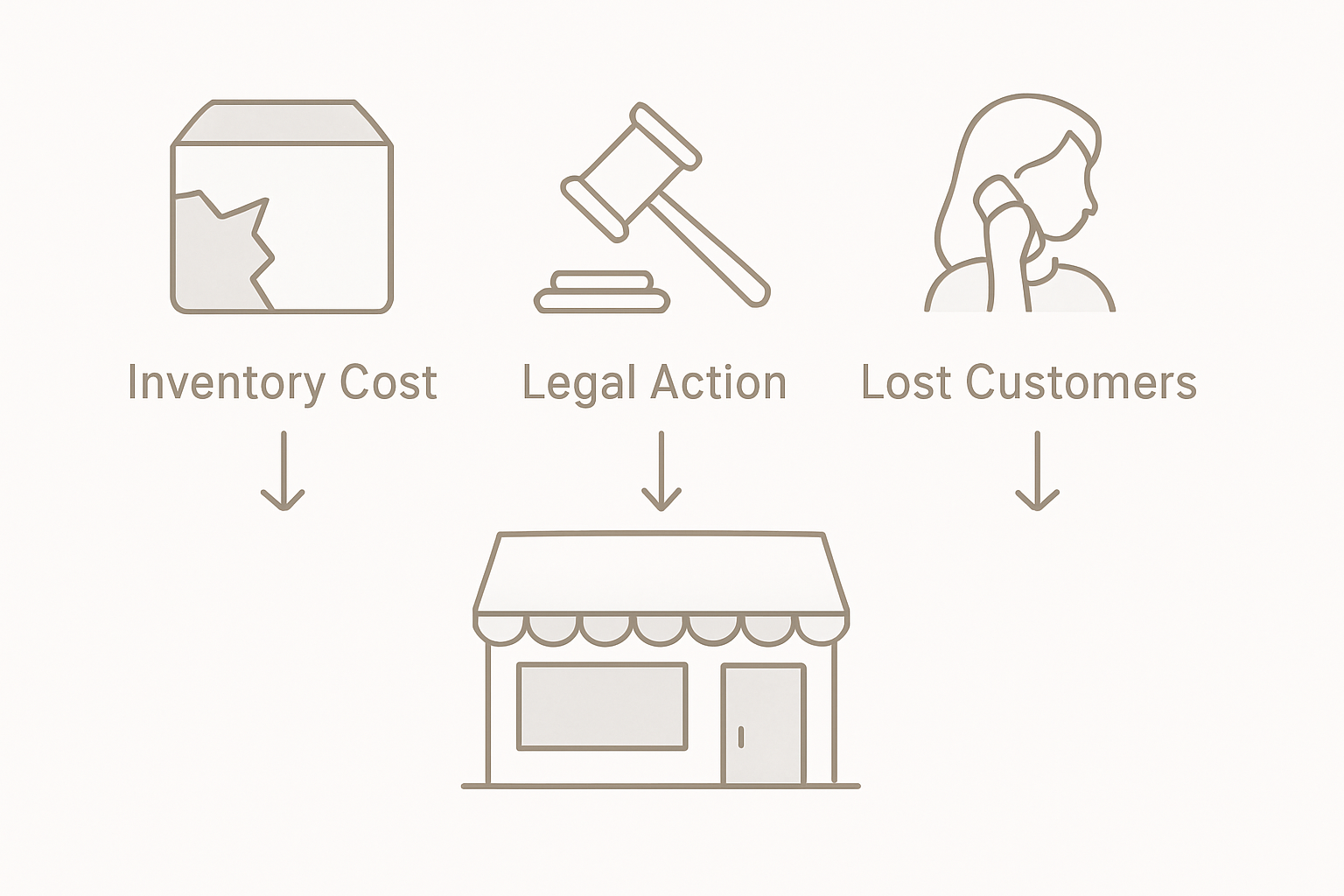
Business pest control failures can result in catastrophic consequences that extend far beyond simple nuisance issues. Companies that neglect professional pest management strategies expose themselves to significant financial, health, and legal risks that can potentially devastate their operational stability and reputation.
Commercial pest control regulations highlight the critical importance of implementing systematic pest management approaches. Businesses face multiple potential risks when failing to maintain rigorous pest control standards:
-
Financial Consequences
- Property damage from unchecked pest infestations
- Potential business interruption costs
- Expensive emergency remediation expenses
-
Health and Safety Risks
- Potential disease transmission
- Employee and customer health hazards
- Workplace contamination scenarios
-
Legal and Regulatory Exposures
- Potential litigation from health violations
- Regulatory compliance penalties
- Loss of business licenses or operational permits
Ohio’s Integrated Pest Management (IPM) Standard emphasizes that businesses can face legal action for false claims or inadequate pest management practices. The potential costs of poor pest control extend beyond immediate financial implications—they can fundamentally compromise an organization’s reputation, customer trust, and long-term operational sustainability. Professional, proactive pest management is not an optional expense but a critical investment in protecting business assets and maintaining professional standards.
Protect Your Ohio Business with Expert Pest Management Solutions
Pests can threaten your business’s reputation, safety, and profitability if not managed proactively. This article highlights the importance of tailored pest control strategies using Integrated Pest Management (IPM) principles to prevent costly infestations and ensure regulatory compliance. If you want to safeguard your commercial space with targeted treatments and ongoing monitoring, professional pest management is essential.
Trust Apex Pest Control for comprehensive services designed to meet the unique needs of Ohio businesses. Whether you manage an office, industrial plant, or food facility, our licensed commercial applicators deliver environmentally responsible solutions that prioritize safety for people, pets, and property. Learn more about our approach in the Uncategorized Archives – Apex Pest Control or take the first step by requesting a personalized service plan with a free quote. Protect your investment today and experience peace of mind from expert pest control tailored for your business.
Frequently Asked Questions
What are the key components of pest management in businesses?
Key components of pest management in businesses include comprehensive site inspections, identifying potential pest entry points, risk assessments for specific industry environments, targeted treatment protocols, and ongoing monitoring and preventative strategies.
How does Integrated Pest Management (IPM) differ from traditional pest control methods?
Integrated Pest Management (IPM) differs from traditional pest control by emphasizing a comprehensive approach that combines biological, cultural, physical, and chemical interventions for long-term prevention, rather than just extermination.
Why is it important for businesses to integrate pest control into their operations?
Integrating pest control into business operations is important because it helps prevent pest issues before they become significant challenges, protects organizational infrastructure, ensures compliance with regulations, and maintains employee and customer health.
What are the risks associated with poor pest control practices in a business?
Poor pest control practices in a business can lead to financial consequences such as property damage and business interruption, health risks including disease transmission and workplace contamination, as well as legal and regulatory exposures, potentially resulting in health violations and a loss of business licenses.