


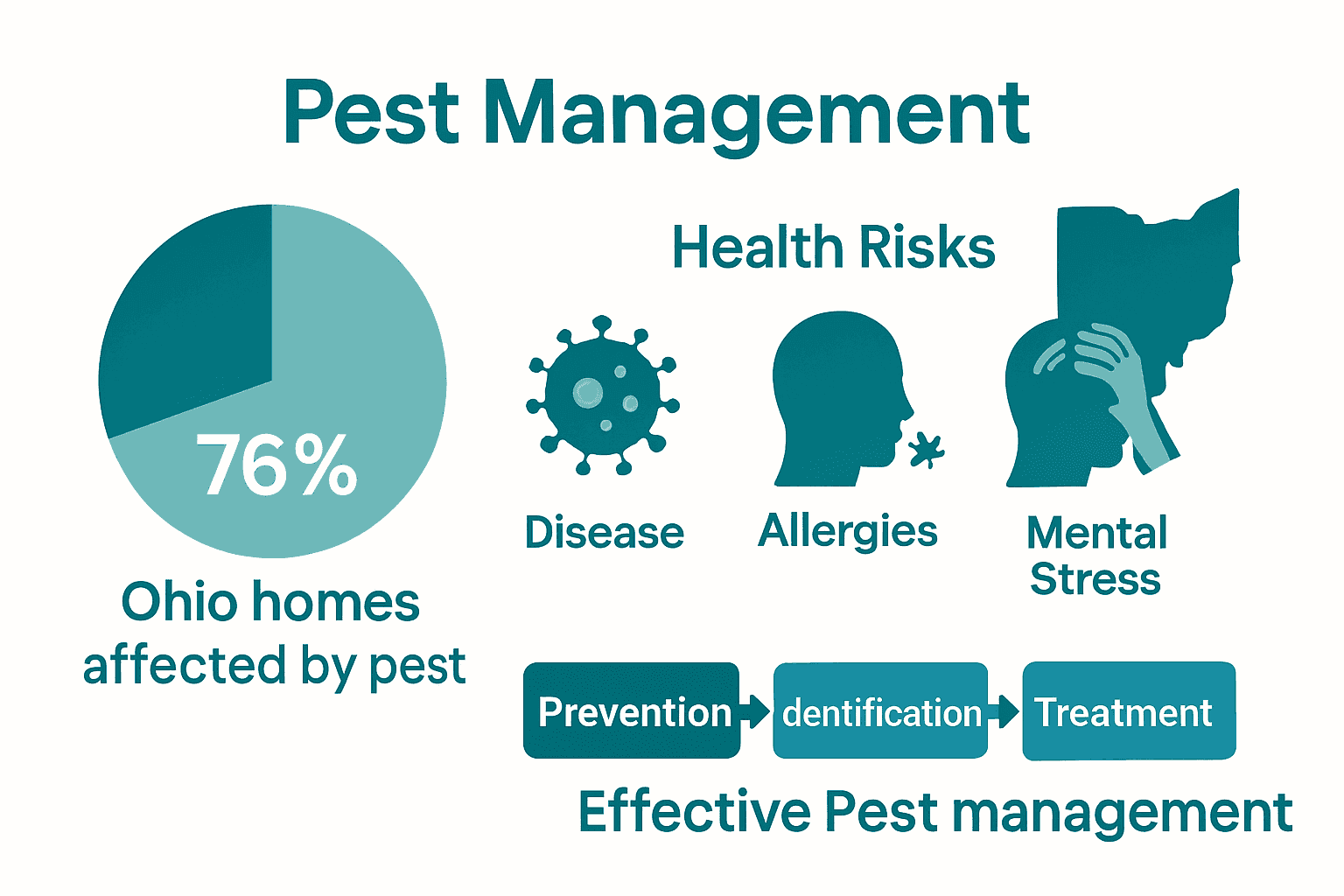
Over 30 percent of Ohio homes face pest issues each year, making unwanted insects and critters an all too common problem. Pests can do more than disrupt your comfort—they can threaten your health by spreading bacteria or cause costly damage to your property. Understanding what household pest control really means prepares you to keep your living space safe, healthy, and protected against risks you may not even see coming.
Table of Contents
- Defining Household Pest Control and Its Importance
- Common Household Pests Found in Ohio Homes
- Health and Safety Risks of Unchecked Infestations
- Legal Requirements and Ohio Pest Control Standards
- Effective Pest Management: Best Practices and Pitfalls
Key Takeaways
| Point | Details |
|---|---|
| Importance of Pest Control | Effective household pest control protects health, property, and hygiene by preventing unwanted intrusions of harmful pests. |
| Common Pests in Ohio | Ohio homeowners face various pests like ants, ticks, and cockroaches that can cause health risks and property damage. |
| Health Risks of Infestations | Unchecked infestations can lead to disease transmission, food contamination, and structural damage, affecting overall quality of life. |
| Best Practices for Management | Implement regular inspections, seal entry points, and consult professionals to create an effective pest management strategy. |
Defining Household Pest Control and Its Importance
Household pest control represents a critical strategy for maintaining healthy, safe living environments by systematically managing and preventing unwanted insect and animal intrusions. At its core, pest control goes far beyond simple annoyance elimination – it’s about protecting human health, preserving property integrity, and maintaining hygienic living spaces.
Pests aren’t merely unsightly nuisances. According to research from flinthills.k-state.edu, certain household pests like cockroaches can pose significant health risks. These creatures are capable of transmitting dangerous bacterial pathogens including Salmonella, Shigella, and Streptococcus that can cause serious conditions like food poisoning, diarrhea, and typhoid. Moreover, cockroaches produce indoor allergens through their body parts, saliva, and fecal matter, potentially triggering respiratory issues for sensitive individuals.
Effective household pest control involves comprehensive strategies that address multiple dimensions:
- Prevention: Sealing entry points and removing attractive environmental conditions
- Identification: Understanding specific pest species and their behavioral patterns
- Treatment: Applying targeted, safe interventions to eliminate current infestations
- Ongoing Monitoring: Implementing regular inspections to catch potential issues early
By proactively managing household pests, homeowners can protect their families, preserve property value, and maintain a clean, healthy living environment.
 Keeping your home safe from pests requires consistent effort and strategic approaches tailored to Ohio’s unique pest challenges.
Common Household Pests Found in Ohio Homes
Ohio’s diverse climate and landscape create an ideal environment for a wide variety of household pests that can challenge homeowners throughout the year. According to pestworld.org, the state experiences significant pest activity across multiple species that pose unique risks to residential properties.
The most prevalent household pests in Ohio include:
- Ants: Small but persistent invaders that can quickly colonize kitchen and bathroom areas
- Centipedes: Moisture-loving creatures that often appear in damp basement spaces
- Ticks: Dangerous parasites that can transmit serious diseases like Lyme disease
- Stink Bugs: Seasonal pests that become especially problematic during fall and winter months
- Spotted Lanternflies: Invasive insects that can cause significant agricultural and property damage
- Fleas: Tiny parasites that threaten both human and pet health
- Stinging Insects: Including yellow jackets, wasps, and hornets that create significant safety risks
Each of these pests presents unique challenges for Ohio homeowners.
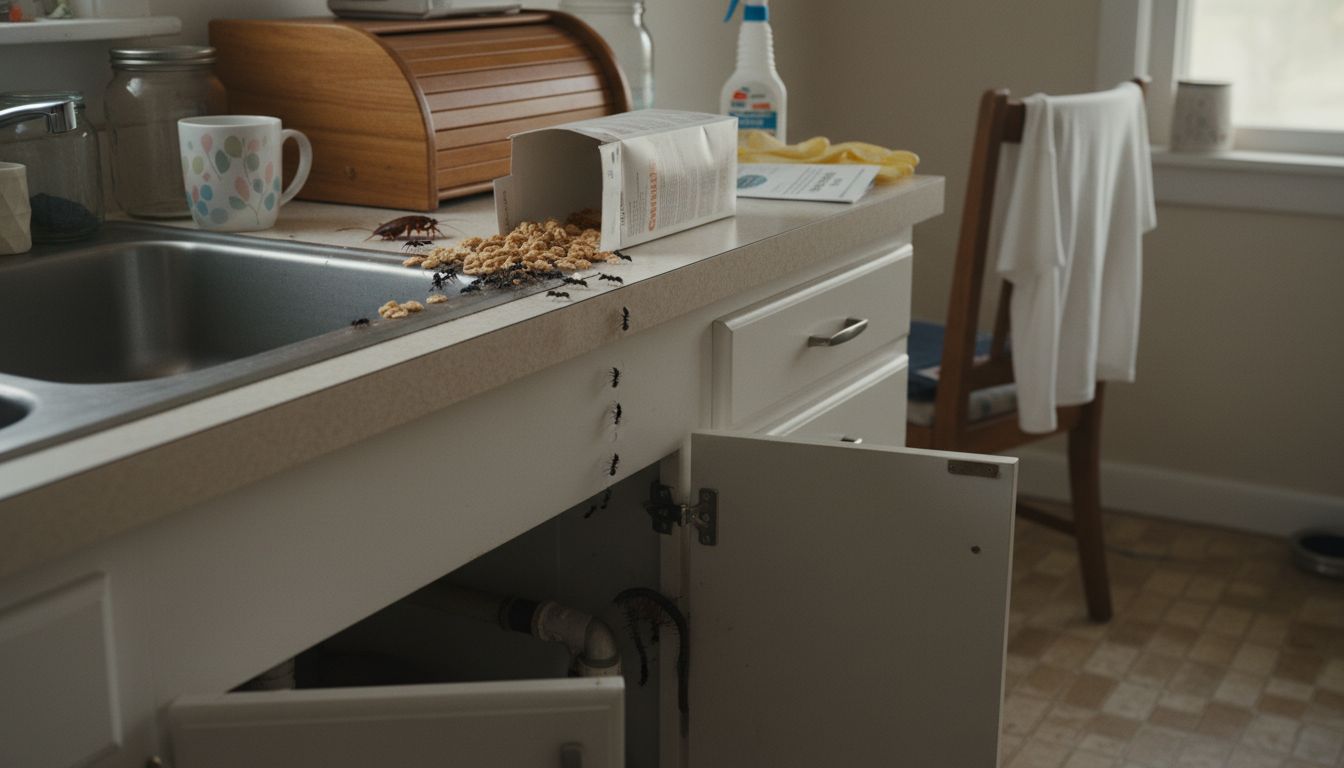 Ants can contaminate food supplies, centipedes indicate potential moisture problems, and stinging insects pose immediate physical dangers. Pest control in Ohio requires a comprehensive approach that addresses both prevention and targeted intervention strategies.
Understanding these common household pests is the first step in developing an effective pest management plan. Homeowners should remain vigilant, recognizing early signs of infestation and implementing proactive control measures to protect their living spaces from potential damage and health risks.
Health and Safety Risks of Unchecked Infestations
Unchecked pest infestations represent far more than a simple nuisance – they pose significant threats to human health, property integrity, and overall living quality. These unwelcome guests can transform seemingly safe living spaces into potential hazard zones, compromising the well-being of residents in ways many homeowners fail to recognize.
According to research from flinthills.k-state.edu, certain pests like cockroaches are particularly dangerous. These insects are capable of transmitting multiple bacterial pathogens that can cause serious health conditions, including food poisoning, diarrhea, and typhoid. Moreover, cockroaches produce indoor allergens through their body parts, saliva, and fecal matter, which can trigger respiratory issues and allergic reactions in sensitive individuals.
The health and safety risks associated with pest infestations extend across multiple critical domains:
- Disease Transmission: Pests can carry and spread dangerous bacteria, viruses, and parasites
- Allergic Reactions: Pest droppings, skin particles, and secretions can trigger severe respiratory issues
- Food Contamination: Rodents and insects can directly contaminate food supplies and preparation areas
- Structural Damage: Termites, carpenter ants, and other pests can compromise building foundations and wooden structures
- Mental Health Impact: Persistent infestations can cause significant stress and anxiety for residents
Tick exterminators in Ohio understand that proactive pest management is crucial. By addressing infestations early, homeowners can prevent these potential health risks from escalating, protecting their families, properties, and overall quality of life from the serious consequences of unchecked pest populations.
Legal Requirements and Ohio Pest Control Standards
Pest control in Ohio is governed by a complex framework of regulations designed to protect public health, agricultural resources, and environmental safety. Homeowners and businesses must navigate a detailed landscape of legal requirements that ensure responsible pest management practices across the state.
According to the National Pesticide Information Center, pest control involves critical considerations of toxicology, environmental chemistry, and pesticide safety. The collaboration between Oregon State University and the United States Environmental Protection Agency provides scientific guidance for implementing pest control standards that protect both human health and ecological systems.
Specific legal considerations for Ohio pest control include:
- Licensing Requirements: Professional pest control operators must obtain state-specific certifications
- Chemical Regulations: Strict controls on pesticide application, storage, and disposal
- Invasive Species Management: Mandatory reporting and control of destructive species
- Environmental Protection: Regulations limiting ecological impact of pest control methods
- Public Health Compliance: Standards preventing disease transmission through pest management
Pest control services in Columbus recognize the critical importance of understanding these legal standards. As pestworld.org highlights, Ohio faces unique challenges like the potential expansion of spotted lanternflies, which require specific reporting and containment protocols. Residents and businesses must stay informed about these evolving legal requirements to maintain compliance and protect their properties effectively.
Effective Pest Management: Best Practices and Pitfalls
Successful pest management requires a strategic, comprehensive approach that goes beyond simple reactive treatments. Homeowners and property managers must develop a nuanced understanding of pest behavior, prevention techniques, and targeted intervention strategies to effectively protect their living and working spaces.
According to research from flinthills.k-state.edu, pests like cockroaches thrive in specific environmental conditions. They prefer warm, undisturbed areas with high humidity and proximity to food sources. Understanding these preferences is crucial for developing effective prevention strategies, as cockroaches can easily spread through common areas like apartment complex plumbing systems or shared building infrastructure.
Key best practices for comprehensive pest management include:
- Regular Inspections: Conducting thorough, systematic property assessments
- Environmental Control: Managing humidity, sealing entry points, and removing food sources
- Targeted Treatment: Using specific interventions based on pest species and infestation severity
- Preventative Maintenance: Implementing ongoing strategies to discourage pest populations
- Professional Consultation: Seeking expert advice for complex or persistent pest challenges
Integrated pest management strategies emphasize a holistic approach that addresses root causes rather than simply treating symptoms. By understanding pest behaviors, maintaining clean environments, and employing strategic interventions, property owners can significantly reduce the risk of infestations and protect their health, property, and peace of mind.
Protect Your Ohio Home with Expert Pest Control Solutions
Dealing with household pests like ants, ticks, and cockroaches can feel overwhelming and pose serious health risks to your family. As the guide reveals, unchecked infestations lead to disease transmission and allergies while threatening your property’s safety. You need a reliable partner who understands these unique challenges and offers tailored services to keep your home pest-free.

Take control today by exploring our Uncategorized Archives – Apex Pest Control for insights and solutions customized for Ohio homeowners. At Apex Pest Control, we provide professional, courteous pest management options from one-time treatments to ongoing prevention plans. Don’t wait for pests to take over. Protect your loved ones and property now with expert help you can trust.
Frequently Asked Questions
What are the main health risks associated with household pests?
Unchecked pest infestations can lead to health risks such as disease transmission, food contamination, allergic reactions, and respiratory issues, particularly from pests like cockroaches that can carry harmful pathogens.
How can I prevent household pests from entering my home?
Preventing household pests involves sealing entry points, removing food sources, managing humidity, and maintaining cleanliness. Regular inspections can help identify potential issues early.
What are effective pest control methods for common household pests?
Effective methods include targeted treatments based on the specific pest species, regular maintenance, and environmentally safe practices that focus on prevention rather than just elimination.
When should I consider hiring a professional pest control service?
Consider hiring a professional if you face persistent infestations, if there are health risks involved, or if the infestation is beyond your ability to manage effectively. Professionals can provide tailored strategies and ensure compliance with safety standards.
Recommended
- Effective pest control in ohio | Reliable Extermination Solutions
- Best Pest Control Tips for Columbus Homeowners
- Ant Removal Ohio – Call Apex Pest Free Estimate 1-800-684-2284
- Home Pest Prevention Ohio – Call Apex Pest 1-800-684-2284