


Finding ants in the kitchen or spotting damage to your favorite Maple tree can disrupt life for any Ohio homeowner. Year-round pest prevention is more than just a quick fix, especially when families and pets are involved. By combining regular monitoring with Integrated Pest Management practices, you gain peace of mind knowing your home stays protected all year without compromising the health of your loved ones or the local environment.
Table of Contents
- Year-Round Pest Protection Defined and Debunked
- Seasonal Pest Threats Unique to Ohio Homes
- Residential Versus Commercial Pest Solutions
- Eco-Friendly Pest Control Approaches Explained
- Risks of Diy Pest Control and Missed Treatments
- Choosing a Qualified Pest Management Partner
Year-Round Pest Protection Defined and Debunked
| Point | Details |
|---|---|
| Proactive Pest Management | Implementing continuous monitoring and preventative strategies is essential for effective pest control throughout the year. |
| Understand Seasonal Threats | Recognizing seasonal pest patterns in Ohio enables targeted prevention and reduces the risk of infestations. |
| Professional Expertise Matters | DIY pest control can lead to complications; partnering with qualified pest management professionals ensures effective and safe treatments. |
| Eco-Friendly Approach | Adopting environmentally responsible pest management practices balances effectiveness with ecological preservation. |
Year-Round Pest Protection Defined and Debunked
Pest control isn’t a one-time solution but a comprehensive strategy designed to protect your Ohio home throughout every season. Integrated pest management represents a dynamic, ecosystem-based approach that goes beyond traditional extermination methods.
At its core, year-round pest protection means understanding and preventing pest populations before they become full-blown infestations. This approach requires more than just reactive treatments – it demands a proactive, strategic mindset. Effective pest management integrates multiple techniques:
- Continuous monitoring of potential entry points
- Understanding local pest migration patterns
- Implementing preventative structural modifications
- Using targeted, environmentally responsible interventions
Many homeowners mistakenly believe pest control is simply about eliminating visible insects or rodents. However, true protection involves a holistic strategy that addresses underlying environmental factors attracting pests. This means examining moisture levels, sealing potential entry points, and maintaining landscapes that don’t inadvertently invite unwanted guests.
Chemical treatments alone are not enough. Sustainable pest management requires a comprehensive approach that balances biological, physical, and minimal chemical interventions. Pest management techniques must be carefully applied to maintain ecosystem balance while protecting your home.
Pro tip: Schedule a professional home pest assessment twice yearly to identify and address potential vulnerabilities before they become significant problems.
Seasonal Pest Threats Unique to Ohio Homes
Ohio’s diverse landscape and seasonal variations create a complex ecosystem that harbors unique pest challenges for homeowners. Invasive spotted lanternflies represent one of the most significant seasonal threats, dramatically impacting local agricultural and residential environments.
The state experiences distinct pest populations that emerge during specific seasonal windows, making year-round vigilance critical. These seasonal invaders include multiple species that target different aspects of Ohio’s residential and natural landscapes:
- Spring pests: Emerging after winter hibernation
- Summer insects: Proliferating during warm months
- Fall invaders: Seeking shelter before winter
- Winter survivors: Hibernating in protected spaces
Cankerworm populations pose a particularly noteworthy challenge for Ohio homeowners. Spring and fall cankerworm species systematically defoliate trees like maples, oaks, and hickories, creating significant landscape damage during their active seasons. These inchworm varieties demonstrate how pest challenges in Ohio are not just about individual insects, but about understanding complex ecological interactions.
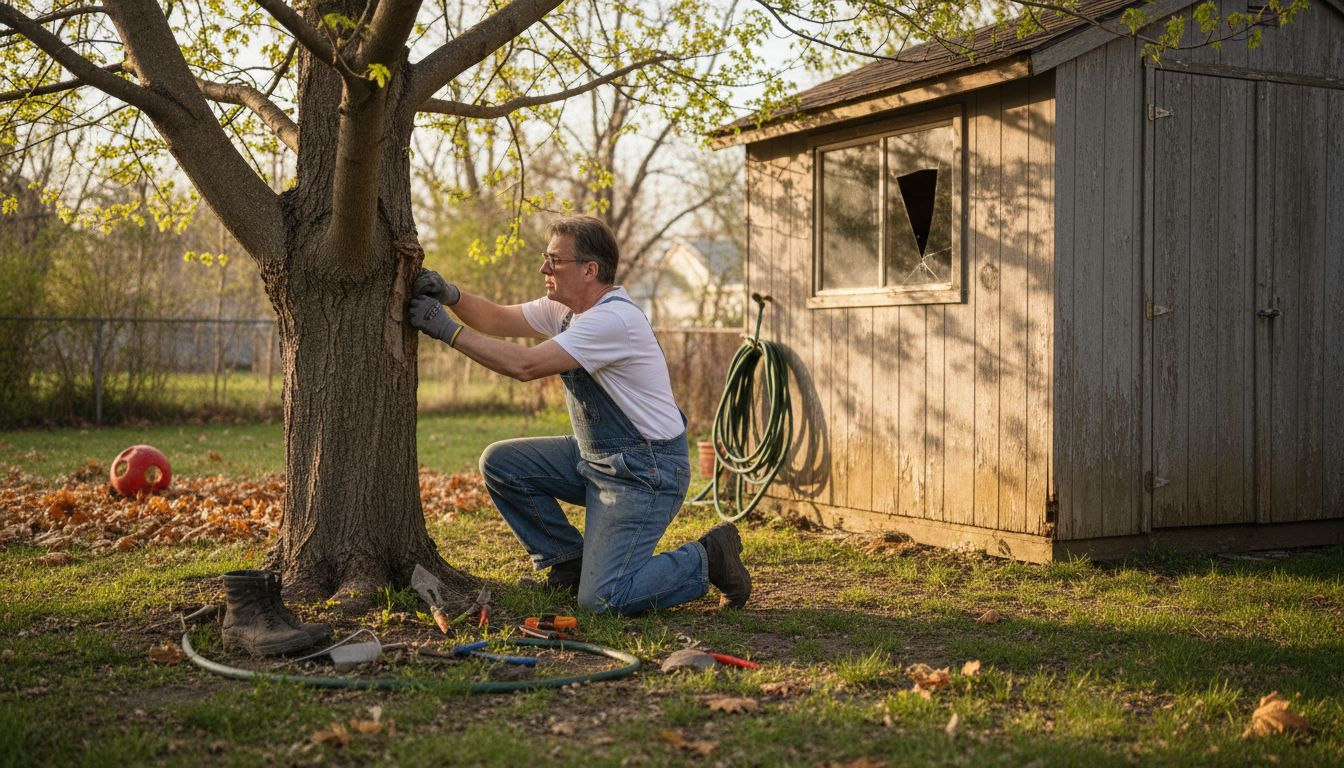
Understanding these seasonal patterns allows homeowners to develop targeted prevention strategies. Recognizing when specific pests are most active helps implement proactive measures that protect homes before infestations become established.
The following table highlights how common Ohio household pests vary by season, helping you anticipate and prepare throughout the year.
| Season | Typical Ohio Pest Activity | Key Prevention Focus |
|---|---|---|
| Spring | Cankerworms, sugar ants, termites | Tree care, seal foundations |
| Summer | Mosquitoes, wasps, ants | Eliminate water, trim bushes |
| Fall | Stink bugs, mice, boxelder bugs | Seal cracks, store firewood |
| Winter | Spiders, rodents, cluster flies | Insulate, check attics |
Pro tip: Create a seasonal pest tracking calendar that maps out expected pest activity in your specific Ohio region to anticipate and prevent potential invasions.
Residential Versus Commercial Pest Solutions
Pest management strategies differ dramatically between residential and commercial environments, each requiring specialized approaches tailored to unique challenges. Integrated Pest Management tactics demonstrate these critical distinctions in addressing pest control needs.
The fundamental differences between residential and commercial pest solutions encompass multiple critical dimensions:
- Scale: Commercial settings involve larger spaces and more complex ecosystems
- Regulatory Requirements: Commercial environments face stricter compliance standards
- Treatment Intensity: Professional interventions vary based on specific environment
- Risk Management: Different liability and safety considerations
Residential pest control prioritizes family safety and minimal chemical intervention. Homeowners typically seek targeted, low-impact solutions that protect living spaces without disrupting daily life. Commercial pest management strategies conversely demand comprehensive monitoring programs, detailed documentation, and customized intervention plans that address complex organizational requirements.
Commercial clients often require robust documentation, regular inspections, and systematic prevention protocols that go beyond typical residential treatments. These programs must account for industry-specific regulations, potential health risks, and the potential economic impact of pest infestations.
Here is a comparison of residential and commercial pest control priorities to clarify their distinct focuses.
| Aspect | Residential Focus | Commercial Focus |
|---|---|---|
| Safety | Family and pet well-being | Employee/visitor liability |
| Chemical Use | Low-impact, minimal treatments | Documentation, regulatory limits |
| Monitoring | Spot checks, seasonal assessments | Scheduled inspections, logs |
| Intervention Frequency | As-needed, targeted | Routine, programmatic |
Pro tip: Request a comprehensive site assessment that evaluates your specific residential or commercial environment to develop a precisely tailored pest management strategy.
Eco-Friendly Pest Control Approaches Explained
Eco-friendly pest management represents a sophisticated approach that goes beyond traditional extermination methods, focusing on sustainable and holistic solutions. Sustainable agricultural practices demonstrate how targeted interventions can protect both human environments and broader ecological systems.
The core principles of environmentally responsible pest control include multiple interconnected strategies:
- Biological Control: Introducing natural predators
- Habitat Management: Reducing pest-friendly conditions
- Targeted Interventions: Using minimal chemical treatments
- Ecosystem Preservation: Protecting beneficial species
- Preventative Monitoring: Regular comprehensive assessments
Integrated Pest Management transforms pest control from a reactive process into a proactive, strategic approach. This method emphasizes understanding pest behaviors, identifying root causes of infestations, and implementing targeted solutions that minimize environmental impact. Chemical interventions become a last resort, used only when absolutely necessary and applied with precision.
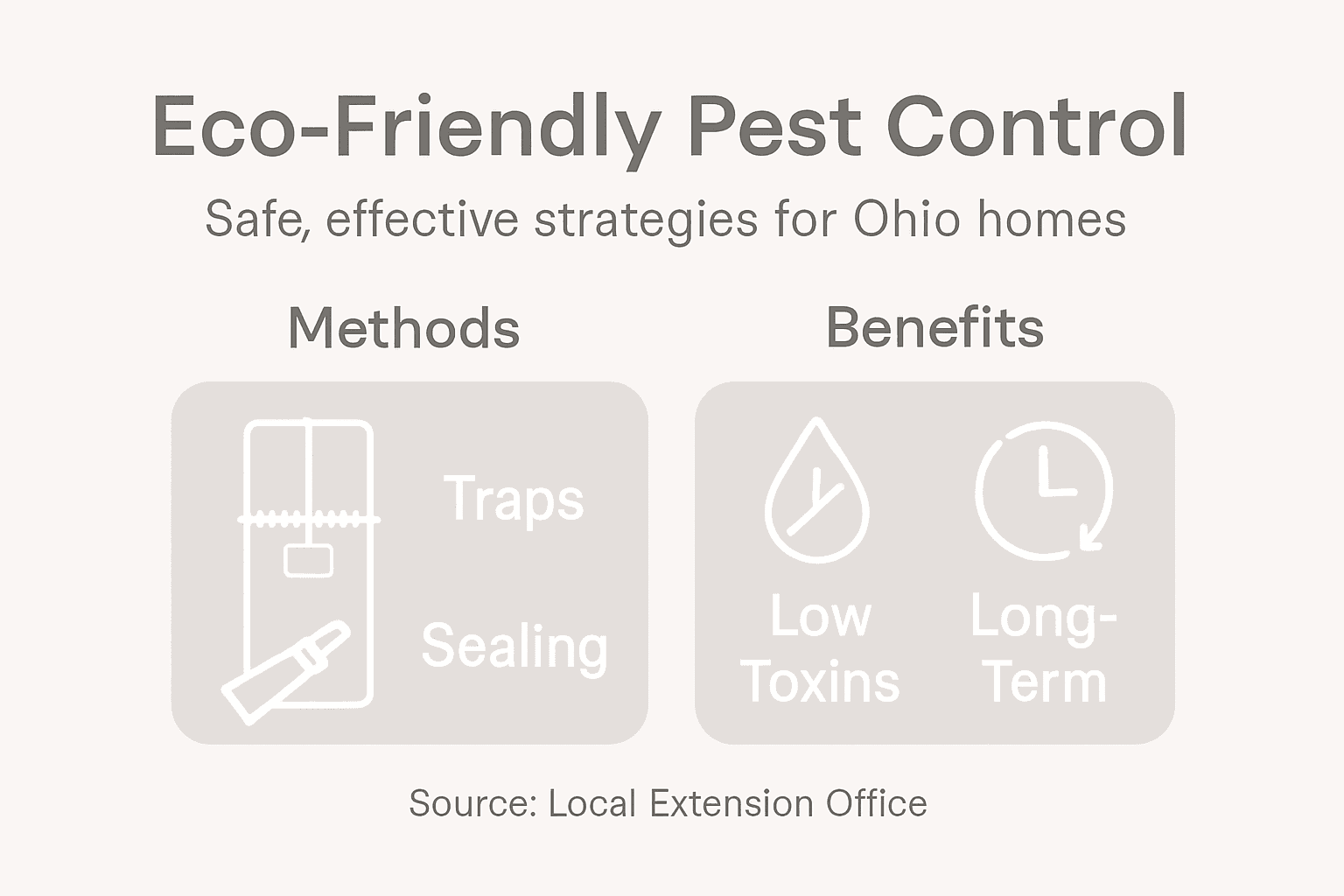
Successful eco-friendly pest management requires a comprehensive understanding of local ecosystems, pest migration patterns, and environmentally sensitive intervention techniques. Homeowners and businesses can significantly reduce their ecological footprint while maintaining effective pest control by adopting these holistic strategies.
Pro tip: Conduct quarterly landscape assessments to identify and eliminate potential pest habitats before they become problematic.
Risks of DIY Pest Control and Missed Treatments
Attempting to manage pest problems without professional expertise can create more complications than solutions. DIY pest control risks extend far beyond simple ineffectiveness, potentially exposing families to significant health and safety challenges.
The most critical dangers of amateur pest management include:
- Chemical Mishandling: Incorrect product application
- Health Hazards: Potential toxic exposure
- Incomplete Elimination: Recurring pest populations
- Property Damage: Unaddressed structural vulnerabilities
- Long-Term Cost Increases: Compounded treatment expenses
Pesticide application requires specialized knowledge that most homeowners do not possess. Improper pesticide usage can lead to dangerous contamination, ineffective treatment, and potential harm to humans and pets. Professional exterminators understand precise dosage, application techniques, and targeted interventions that minimize risks while maximizing pest control effectiveness.
Missed or incomplete treatments create additional challenges, allowing pest populations to develop resistance and rapidly reproduce. What might seem like a small, manageable problem can quickly escalate into a significant infestation when DIY methods fail to address root causes and comprehensive elimination strategies.
Pro tip: Always document any pest activity and keep detailed records of previous treatment attempts to help professionals understand your home’s unique pest management history.
Choosing a Qualified Pest Management Partner
Selecting the right pest management partner requires careful consideration beyond simple price comparisons. National pest management credentials represent critical indicators of professional competence and reliability in protecting your Ohio home.
Key qualifications to evaluate in a pest control professional include:
- Licensing and Certifications: State-approved credentials
- Industry Affiliations: Membership in professional organizations
- Experience with Local Pest Challenges: Understanding Ohio-specific issues
- Comprehensive Service Approach: Integrated Pest Management strategies
- Transparent Communication: Clear explanation of treatment plans
Professional certifications provide concrete evidence of a technician’s expertise. Associate Certified Entomologist credentials demonstrate advanced knowledge in pest biology, control strategies, and safety protocols. These certifications ensure that professionals understand complex pest behaviors and can develop targeted, effective treatment plans specific to Ohio’s unique environmental conditions.
A truly qualified pest management partner will offer more than just chemical treatments. They should provide comprehensive assessments, preventative strategies, and ongoing education about protecting your home from potential pest invasions.
Pro tip: Request and verify a pest control professional’s credentials, asking specifically about their training, certifications, and experience in managing Ohio’s regional pest challenges.
Protect Your Ohio Home with Expert Year-Round Pest Solutions
Year-round pest protection requires more than occasional treatments. The article highlights the need for a strategic, proactive pest management plan that understands local pest behaviors and seasonal threats unique to Ohio. If you want to stop pests like cankerworms, mosquitoes, rodents, and invasive species before they cause damage or health risks, you need a partner who knows how to deliver integrated pest management with safety and environmental care in mind.
At Apex Pest Control, we specialize in providing customized residential and commercial pest solutions designed around Ohio’s specific challenges. Our services include eco-friendly applications, mosquito prevention, rodent control, and stinging insect management that protect your home all year long. Take control of your pest problems today by visiting our Uncategorized Archives to learn more about our expert methods. Don’t wait for pests to invade—request your free quote now to get a personalized plan created just for you. Protect your family, pets, and property with trusted professionals who understand the complexities of year-round pest protection.
Frequently Asked Questions
What is year-round pest protection?
Year-round pest protection is a comprehensive strategy to guard your home against pests throughout all seasons. It involves proactive measures such as continuous monitoring, understanding local pest patterns, and implementing preventative modifications to keep pests at bay.
How can I prevent pest infestations in my home?
Preventing pest infestations involves several strategies, including sealing potential entry points, managing moisture levels, and maintaining your landscape to eliminate habitats that attract pests. Regular home assessments can also help identify vulnerabilities.
What are the main seasonal pests I should be aware of?
Common seasonal pests include cankerworms in spring, mosquitoes and wasps in summer, stink bugs and mice in fall, and spiders and rodents in winter. Understanding these patterns helps you to apply targeted prevention strategies.
How does eco-friendly pest control work?
Eco-friendly pest control focuses on sustainable methods to manage pests. It includes strategies like biological control, habitat management, and the minimal use of chemical treatments, all aimed at preserving the ecosystem while effectively addressing pest issues.