




Many homeowners in Cuyahoga Falls worry about protecting their families and pets from harmful chemicals while still keeping pests out of their homes. You want effective pest control without risking your loved ones’ health or damaging the environment around your property. This guide walks you through practical, safe, and sustainable eco-friendly pest control northeast ohio guide methods you can implement at home to eliminate pests responsibly.
Table of Contents
- Understanding Eco-Friendly Pest Control
- Step 1: Adopt Integrated Pest Management
- Step 2: Habitat Modification And Prevention
- Step 3: Use Biological And Mechanical Controls
- Step 4: Apply Responsible Low-Toxicity Treatments
- Step 5: Maintain And Monitor For Long-Term Success
- Troubleshooting And Common Mistakes
- Expected Results And Outcomes
- Looking For Professional Eco-Friendly Pest Control In Cuyahoga Falls?
- Frequently Asked Questions
Key takeaways
| Point | Details |
|---|---|
| Eco-friendly pest control uses targeted, low-toxicity methods | Combines habitat modification, monitoring, and safe treatments to manage pests effectively. |
| Integrated Pest Management (IPM) prioritizes monitoring and prevention | Sets action thresholds and applies progressive controls from least to most invasive. |
| Habitat modification reduces pest access and need for treatments | Sealing entry points and removing attractants prevent infestations long-term. |
| Biological and mechanical controls offer safe pest reduction | Natural predators and physical barriers control pests without chemical exposure. |
| Consistent maintenance ensures long-term pest control success | Regular inspections and early detection reduce treatment frequency and pesticide use. |
Understanding eco-friendly pest control
Eco-friendly pest control represents a smarter approach to managing unwanted pests in your Cuyahoga Falls home. Eco-friendly pest control uses low-toxicity products combined with habitat modification, monitoring, trapping, and exclusion to manage pests effectively while minimizing exposure risks. This method prioritizes accurate pest identification before any treatment begins, ensuring you target the right problem with the right solution.
The approach focuses on long-term prevention rather than quick chemical fixes. You modify pest habitats and behavior patterns to make your home naturally less inviting to unwanted visitors. This protects your family and pets by drastically reducing chemical exposure in your living spaces.
Key principles include:
- Emphasizing monitoring and targeted treatments over broad chemical applications
- Using habitat changes to remove food, water, and shelter that attract pests
- Applying treatments only after confirming pest presence exceeds safe thresholds
- Selecting products specifically designed to minimize health and environmental risks
The benefits extend beyond immediate pest reduction. You create a healthier indoor environment, protect local ecosystems, and reduce the risk of chemical-related health issues. Your children can play safely, and your pets can roam freely without exposure to dangerous residues.
Pro Tip: Start by identifying exactly which pests you’re dealing with before choosing any control method. Misidentification wastes time and money on ineffective treatments.
Step 1: adopt integrated pest management
Integrated Pest Management (IPM) provides the structured framework that makes eco-friendly pest control work effectively. IPM principles emphasize setting action thresholds, pest identification, monitoring, prevention, and choosing minimally hazardous control methods, applied progressively from least to most invasive. This systematic approach helps you make smart decisions about when and how to act.
Action thresholds determine when pest populations warrant intervention. Not every bug sighting requires treatment. You set specific levels based on pest type and location that trigger action only when necessary. This prevents unnecessary chemical use and saves you money.
IPM prioritizes these steps in order:
- Regular monitoring to detect pest activity early before populations explode
- Accurate identification to ensure you’re targeting the actual pest correctly
- Prevention methods like habitat modification and exclusion as first defenses
- Mechanical and biological controls before considering any pesticide use
- Low-toxicity treatments only when other methods prove insufficient
The integrated pest management ohio approach transforms how you think about pest control. Instead of reacting with chemicals at the first sign of trouble, you follow a logical progression that keeps your home safe while effectively managing pests.
Pro Tip: Keep a simple pest activity log noting where and when you spot pests. This tracking helps you identify patterns and determine if you’ve actually crossed action thresholds.
Step 2: habitat modification and prevention
Preventing pests from entering and thriving in your home represents your strongest defense. Smart habitat modifications eliminate the conditions that attract pests in the first place. These changes provide long-term control without ongoing chemical applications.
Start by conducting a thorough inspection of your home’s exterior and interior:
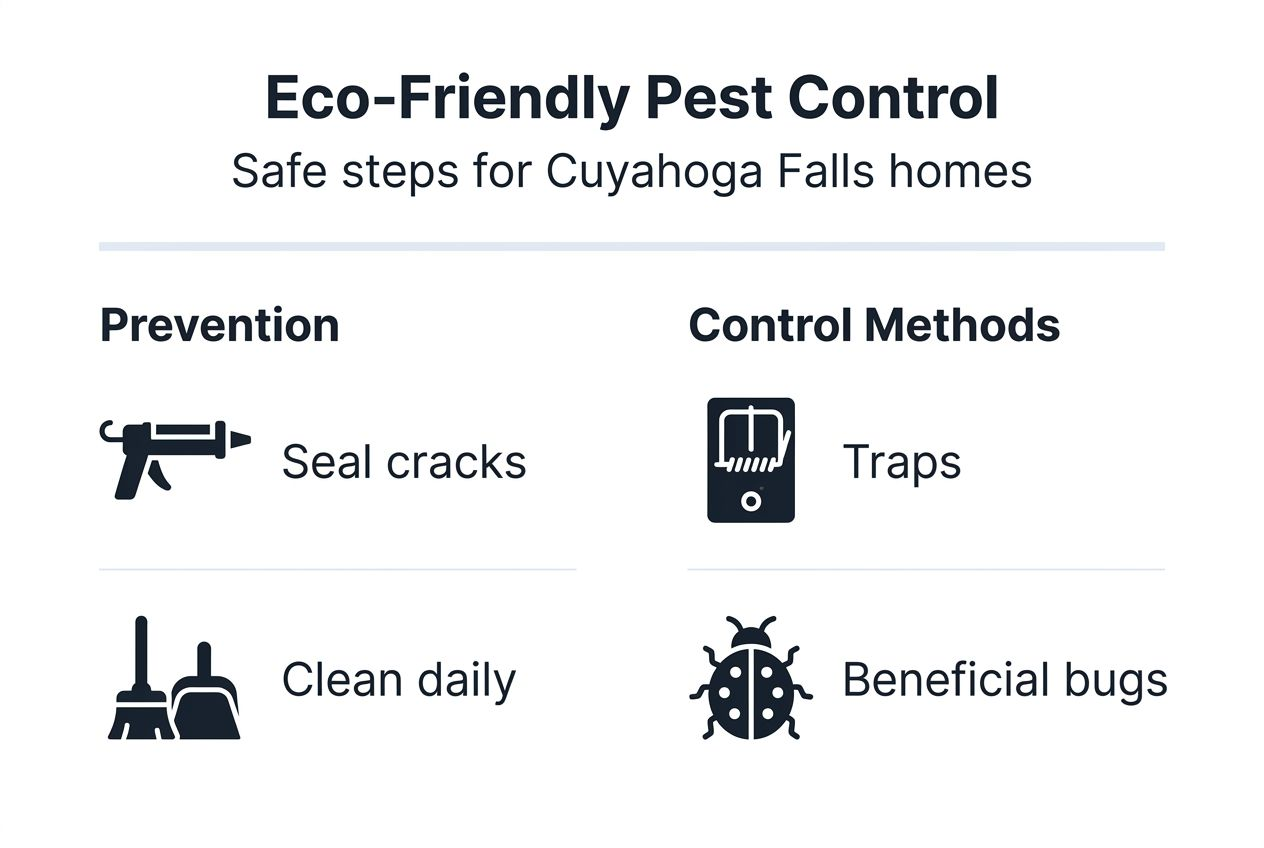
- Seal all cracks, gaps, and openings where pests can enter, including foundation cracks, gaps around pipes, and spaces under doors
- Install or repair window screens and door sweeps to create physical barriers
- Store all food in airtight containers and clean up spills immediately to remove attractants
- Eliminate standing water in gutters, flower pots, and low spots where mosquitoes breed
- Keep indoor and outdoor areas clean by removing clutter that provides pest shelter
- Trim vegetation away from your home’s foundation to reduce pest highways
- Fix leaky pipes and improve ventilation in damp areas like basements and crawl spaces
Your kitchen and bathrooms require special attention. Wipe counters daily, vacuum regularly, and take garbage out frequently. These simple habits dramatically reduce pest food sources and breeding sites.

Outside your home, maintain your landscape strategically. Keep mulch at least six inches away from your foundation. Store firewood elevated and away from the house. Remove yard debris where pests hide and breed.
Pro Tip: Schedule seasonal inspections of your home’s exterior, especially before winter when pests seek warm shelter. Small gaps you seal now prevent major infestations later.
These safe pest removal steps at home create an inhospitable environment for pests while maintaining a safe, healthy space for your family.
Step 3: use biological and mechanical controls
Biological and mechanical controls offer powerful pest management without chemical risks. These methods use natural predators and physical barriers to reduce pest populations safely and effectively.
Biological controls harness nature’s own pest management systems. Introduce beneficial insects like ladybugs that prey on aphids and other garden pests. Nematodes control soil-dwelling larvae naturally. Birds and bats consume massive quantities of flying insects. Creating habitats that attract these natural predators turns your yard into a self-regulating ecosystem.
Mechanical controls create physical barriers and traps. Mechanical barriers like screens and traps help prevent pest entry and capture existing pests safely without chemical exposure risks. Window screens keep flying insects out. Door sweeps block crawling pests. Snap traps and glue boards capture rodents without poison.
Key mechanical methods include:
- Installing copper mesh in gaps and holes to permanently exclude rodents
- Using row covers in gardens to protect plants from insect damage
- Deploying sticky traps to monitor and catch crawling insects
- Setting up pheromone traps that lure specific pest species
| Control Type | Application | Advantages | Limitations |
|---|---|---|---|
| Biological | Introduce natural predators | Self-sustaining, zero chemicals, targets specific pests | Slower results, requires habitat support |
| Mechanical | Install barriers and traps | Immediate physical exclusion, reusable, no toxicity | Requires maintenance, labor-intensive setup |
Combining both approaches maximizes effectiveness. Install screens and door sweeps while encouraging beneficial insects in your garden. This layered defense reduces pest pressure from multiple angles.
The monthly pest maintenance guide helps you maintain these controls consistently throughout the year for optimal results.
Step 4: apply responsible low-toxicity treatments
When monitoring confirms pest populations exceed your action thresholds, responsible pesticide application becomes necessary. Choosing and using these products correctly protects your family while effectively managing pests.
Select only EPA-approved, low-toxicity products specifically labeled safe for residential use around children and pets. Look for botanical insecticides like pyrethrin, insecticidal soaps, diatomaceous earth, and boric acid formulations. These options break down quickly and pose minimal environmental risks.
Proper application timing and dosage of eco-friendly pesticides are critical; misuse can diminish effectiveness and increase pest resistance risks. Follow these guidelines:
- Read and follow all label instructions exactly, including dosage, application method, and safety precautions
- Apply treatments only to affected areas rather than broadcasting throughout your home
- Time applications when pests are most active and vulnerable to treatment
- Wear recommended protective equipment like gloves and masks during application
- Keep children and pets away from treated areas for the specified waiting period
Safety Warning: Never exceed recommended pesticide doses or application frequencies. More product does not mean better results and can harm your family, pets, and the environment. Always store pesticides in original containers away from children.
Apply treatments strategically based on pest behavior. Treat ant trails directly, apply dust formulations in wall voids where pests hide, and use baits in protected stations. Targeted application minimizes chemical use while maximizing effectiveness.
Before treating, prepare your home properly by following preparing for pest treatment safely guidelines to ensure optimal results and safety.
Step 5: maintain and monitor for long-term success
Sustained pest control requires ongoing vigilance and maintenance. Your initial efforts establish control, but consistent monitoring prevents reinfestation and reduces future treatment needs.
Implement a regular inspection schedule:
- Conduct weekly visual inspections of common pest entry points and activity areas
- Check traps and monitors you’ve installed to track pest presence and population trends
- Inspect your home’s exterior monthly for new cracks, gaps, or habitat changes
- Review and update your pest activity log to identify emerging problems early
- Reapply treatments only when monitoring indicates pest numbers exceed action thresholds again
Regular inspection and early detection are critical to preventing full infestations and help reduce the volume and frequency of pest control treatments needed. Catching problems early means smaller interventions with less chemical use.
Maintain your habitat modifications continuously. Seals and caulking deteriorate over time. Weather strips wear out. Vegetation grows back toward your foundation. Schedule quarterly maintenance checks to refresh these preventive measures.
Your cleaning and sanitation practices must remain consistent. One week of neglected dishes or uncovered garbage can restart pest problems you worked hard to eliminate. Make these habits permanent parts of your household routine.
Track what works and what doesn’t. Notice which methods effectively controlled specific pests. Document seasonal patterns in pest activity around your home. This knowledge helps you anticipate and prevent future problems more efficiently.
The pest control workflow safe effective results framework provides structure for maintaining your long-term pest management success.
Troubleshooting and common mistakes
Even well-intentioned homeowners make mistakes that undermine eco-friendly pest control efforts. Understanding these pitfalls helps you avoid wasted time, money, and frustration.
Common mistakes include premature pesticide use, neglecting exclusion, and inconsistent monitoring, which reduce pest control success and may cause reinfestation. Recognizing these errors early lets you correct course quickly.
Frequent mistakes to avoid:
- Applying pesticides without confirming pest identification and verifying action thresholds have been exceeded
- Treating visible pests while ignoring entry points, allowing continuous reinfestation
- Using excessive pesticide amounts thinking more product delivers better results
- Stopping monitoring once initial pest reduction occurs, missing early signs of returning populations
- Choosing control methods based on convenience rather than pest-specific effectiveness
- Neglecting habitat modifications that provide long-term prevention
When treatments fail, resist immediately applying more chemicals. Instead, reassess your identification, check if you’ve truly addressed habitat modifications, and verify your application technique matched label instructions. Treatment failure usually signals a gap in your approach, not a need for more pesticide.
Inconsistent effort produces inconsistent results. Sporadic monitoring and maintenance create windows where pest populations rebuild. Establish simple routines that fit your schedule rather than attempting intensive efforts you can’t sustain.
Pro Tip: Set monthly calendar reminders for pest inspections and quarterly reminders for maintenance tasks like resealing gaps. Consistent small efforts prevent major problems that require intensive interventions.
Review the safe pest removal steps at home periodically to ensure you’re following best practices throughout your pest management journey.
Expected results and outcomes
Understanding realistic timelines and outcomes helps you stay committed to eco-friendly pest control methods. These approaches work effectively but often require patience compared to aggressive chemical treatments.
Results from eco-friendly pest treatments typically show measurable pest population reductions within 2-4 weeks with consistent monitoring and intervention. The exact timeline depends on pest type, infestation severity, and how thoroughly you implement all IPM steps.
| Pest Type | Initial Reduction Timeline | Full Control Timeline | Key Success Factors |
|---|---|---|---|
| Ants | 1-2 weeks | 4-6 weeks | Eliminate food sources, seal entry points, bait stations |
| Cockroaches | 2-3 weeks | 6-8 weeks | Remove moisture, apply boric acid, consistent sanitation |
| Rodents | 1-2 weeks | 3-4 weeks | Seal all gaps, set traps strategically, remove attractants |
| Spiders | 1 week | 2-3 weeks | Remove webs, reduce other insects, seal entry points |
| Flies | 3-7 days | 2-3 weeks | Eliminate breeding sites, improve sanitation, use traps |
Beyond pest reduction, you’ll notice significant environmental and health benefits. Your home’s indoor air quality improves without persistent chemical residues. Children and pets can safely access all areas without exposure risks. You contribute to protecting beneficial insects and local ecosystems.
Long-term success requires maintaining your prevention measures and monitoring routines. Homes that consistently apply IPM principles experience fewer pest problems over time, requiring less frequent and less intensive interventions. This creates a positive cycle where your efforts become easier and more effective.
Some situations may still require professional expertise, especially for severe infestations or structural pest problems. Knowing when to seek help prevents small issues from becoming overwhelming.
The residential pest management guide ohio provides additional context for managing common pests in Northeast Ohio’s specific climate and conditions.
Looking for professional eco-friendly pest control in Cuyahoga Falls?
While DIY eco-friendly methods work well for many situations, some pest problems require professional expertise and specialized equipment. Complex infestations, structural issues, or persistent pest populations often benefit from trained technicians who understand advanced IPM strategies.
Apex Pest Control specializes in family-safe, eco-friendly pest management throughout Cuyahoga Falls and Northeast Ohio. Our licensed technicians combine low-toxicity treatments with comprehensive habitat modifications and monitoring programs tailored to your specific pest challenges. We protect your family and pets while delivering effective, lasting results.
Explore our top residential pest solutions comparison to understand different service options. Review top local exterminators 2026 to see why Cuyahoga Falls homeowners trust our proven track record. Ready to solve your pest problem safely? Contact pest control apex today for a customized eco-friendly solution that works.
Frequently asked questions
What is eco-friendly pest control and is it really safe for children and pets?
Eco-friendly pest control uses targeted low-toxicity products combined with habitat modifications and behavior changes, minimizing chemical exposure risks significantly. When properly applied according to label instructions, these methods are substantially safer for children and pets than conventional broad-spectrum pesticides. The focus on prevention and monitoring means you use fewer chemicals overall.
How long does it typically take to see results from eco-friendly pest control methods?
Noticeable pest reduction often occurs within 2-4 weeks after consistent application of eco-friendly methods, though timelines vary by pest type and infestation severity. Initial population decreases appear quickly, but achieving full control and preventing reinfestation requires ongoing maintenance. Long-term prevention is continuous, not a one-time fix.
Can I rely solely on natural predators and mechanical controls for pest management?
Natural predators and mechanical barriers effectively reduce pest populations and prevent entry in many situations. However, they typically need combination with other IPM strategies like habitat modification and occasional low-toxicity treatments for complete control. Severe infestations often require a layered approach using multiple methods simultaneously.
What common mistakes should I avoid when implementing eco-friendly pest control at home?
Avoid treating pests without proper identification and confirming action thresholds have been exceeded, which leads to unnecessary chemical use. Never neglect sealing cracks and maintaining consistent monitoring, as these oversights allow reinfestation regardless of treatment effectiveness. Always follow recommended doses and timing for low-toxicity products to prevent resistance and ensure safety.