



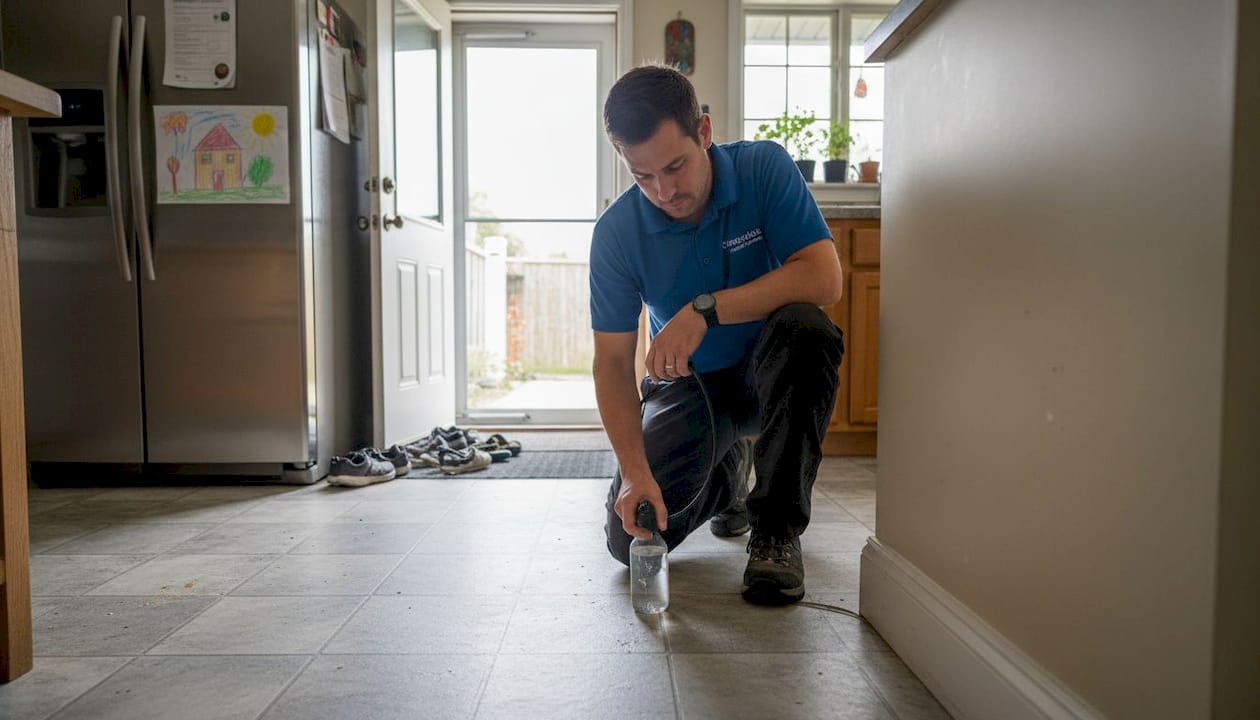
You spent money on pest control, followed the instructions, and thought the problem was solved. Then two weeks later, you spot another mouse or line of ants marching across your kitchen counter. It’s frustrating and confusing, especially when you did everything right. The reality is that pest recurrence stems from several factors including incomplete treatment coverage, rapid pest reproduction, and environmental conditions that invite pests back. Understanding why pests return and how to prevent it gives Northeast Ohio homeowners the knowledge to break the cycle and protect their homes long term.
Table of Contents
- Key takeaways
- Common reasons pests return after treatment
- The role of pest biology and environmental factors in reinfestation
- Best practices for homeowners to prevent pest return
- Comparing pest control treatments: effectiveness and limitations
- Find expert pest control solutions in Northeast Ohio
- Frequently asked questions
Key Takeaways
| Point | Details |
|---|---|
| Incomplete treatment coverage | Missed harborages and hidden nests allow pests to reinfest after treatment, so access to all areas is essential. |
| Environmental conditions matter | Food, water, and shelter sources like crumbs, leaks, and clutter invite pests back, so eliminating attractants is critical. |
| Integrated pest management | A combination of exclusion, sanitation, monitoring, and targeted treatments delivers longer lasting control than pesticides alone. |
| Homeowner preparation matters | Proper preparation such as moving furniture and cleaning ensures pesticides reach target areas and improves treatment effectiveness. |
Common reasons pests return after treatment
Pest treatments fail to provide lasting results for several interconnected reasons. Pests return due to incomplete treatment, environmental factors, and pest biology, making it critical to address all contributing elements rather than relying solely on chemical applications. Many homeowners assume a single treatment eliminates every pest, but reality is more complex.
Missed harborages represent one of the most common causes of pest recurrence. Technicians can’t always access every wall void, crawl space, or hidden nest during initial treatments. Pests surviving in these protected areas quickly repopulate treated zones. Mice living in wall cavities, for example, may avoid bait stations placed in open areas and continue breeding undisturbed.
Environmental conditions play an equally important role in reinfestation. Your home provides three essentials that pests need: food, water, and shelter. Crumbs under appliances, leaky pipes, cardboard boxes in the basement, and gaps around utility lines create ideal conditions for pest survival. Even after successful treatment, these attractants invite new pests from outside to colonize your property.
Pest biology complicates control efforts significantly. Species like German cockroaches can produce 30,000 offspring in a single year under favorable conditions. Bed bugs lay eggs that resist many pesticides and hatch weeks after treatment. Mice reach sexual maturity in six weeks and produce five to ten litters annually. This reproductive capacity means that even a few surviving pests can rebuild populations rapidly.
Homeowner preparation directly impacts treatment success. Failing to move furniture, clean thoroughly, or remove clutter prevents pesticides from reaching target areas. Pets and children may need temporary relocation during treatment, and skipping this step forces technicians to use reduced application rates. The pest control workflow depends on proper preparation to deliver safe, effective results.
Key factors contributing to pest return:
- Incomplete coverage of all pest harborages and entry points during initial treatment
- Persistent environmental conditions providing food, moisture, and shelter
- Rapid pest reproduction cycles requiring multiple treatment rounds
- Inadequate homeowner preparation reducing pesticide contact with target pests
- Lack of follow-up monitoring and maintenance after initial service
Understanding these limitations helps set realistic expectations. No single treatment guarantees permanent pest elimination when underlying conditions remain unchanged.
The role of pest biology and environmental factors in reinfestation
Pest biology creates inherent challenges for lasting control. Different species have evolved survival strategies that help them withstand treatment attempts and quickly rebuild populations. Recognizing these biological realities explains why integrated pest management and exclusion methods deliver better long-term outcomes than pesticides alone.
Reproductive rates vary dramatically by species but consistently favor rapid population growth. A single female mouse produces 25 to 60 offspring annually. Carpenter ants establish satellite colonies that survive even when the main nest is treated. Termites swarm in spring, with each reproductive pair potentially founding a new colony containing thousands of individuals within months. These biological facts mean that missing even a small number of pests during treatment can lead to full reinfestation.
Environmental factors in Northeast Ohio create seasonal pest pressure that homeowners must anticipate. Cold winters drive rodents indoors seeking warmth and food. Spring thaw brings carpenter ants and termites. Summer heat increases fly and wasp activity. Fall triggers boxelder bugs and Asian lady beetles to seek overwintering sites inside homes. Understanding these patterns helps you prepare for predictable pest invasions rather than reacting after problems develop.
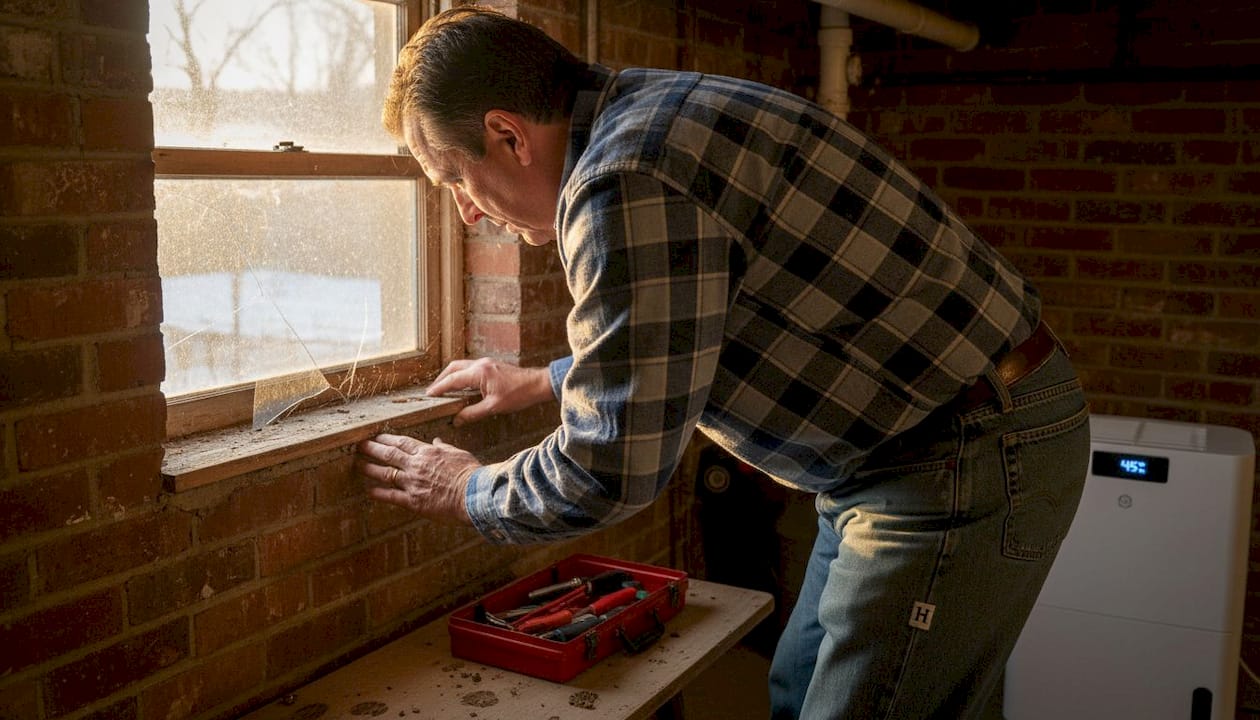
Exclusion forms a critical defense layer that prevents pests from entering your home regardless of outdoor populations. Sealing gaps around pipes, installing door sweeps, repairing damaged screens, and filling foundation cracks eliminates entry routes. This physical barrier works continuously without requiring reapplication like chemical treatments. Combining exclusion with other control methods addresses both existing infestations and prevents new invasions.
Integrated pest management combines multiple strategies for sustainable prevention. This approach uses inspection to identify pest species and contributing factors, then applies the least toxic methods first. Cultural controls like sanitation and exclusion reduce pest habitat. Mechanical controls like traps target specific individuals. Chemical controls serve as a last resort when other methods prove insufficient. This layered strategy reduces reliance on pesticides while improving overall effectiveness.
Steps for biology-based pest prevention:
- Identify specific pest species to understand their reproduction cycles and behavior patterns
- Eliminate environmental conditions that support pest survival including food sources and moisture
- Install physical barriers at all potential entry points to exclude pests from the structure
- Monitor regularly for early signs of pest activity before populations become established
- Apply targeted treatments only where needed based on inspection findings
Pro Tip: Track pest sightings by date and location throughout the year. Patterns often emerge showing seasonal peaks that let you schedule preventive treatments before problems start rather than after pests invade.
Environmental management works hand in hand with biological understanding. Addressing both factors simultaneously creates conditions where pest populations can’t establish or persist.
Best practices for homeowners to prevent pest return
Homeowner actions between professional treatments determine whether pests stay gone or return quickly. Simple maintenance habits and environmental modifications significantly reduce pest survival rates and make your home less attractive to new invaders. Homeowner preparation and maintenance significantly impact treatment outcomes and long-term pest control success.
Cleanliness eliminates the food and shelter pests need to survive. Wipe counters daily, sweep floors regularly, and store food in sealed containers. Don’t leave pet food out overnight. Clean behind and under appliances where crumbs accumulate. Reduce clutter in basements, attics, and garages where pests hide and nest. Cardboard boxes provide both shelter and food for many insects, so switch to plastic storage containers.
Moisture control addresses another critical pest attractant. Fix leaky pipes, faucets, and roof damage immediately. Use dehumidifiers in damp basements. Ensure gutters drain properly away from your foundation. Standing water attracts mosquitoes, and moisture damage invites carpenter ants and termites. Many pests require water daily, so eliminating sources forces them to seek it elsewhere.
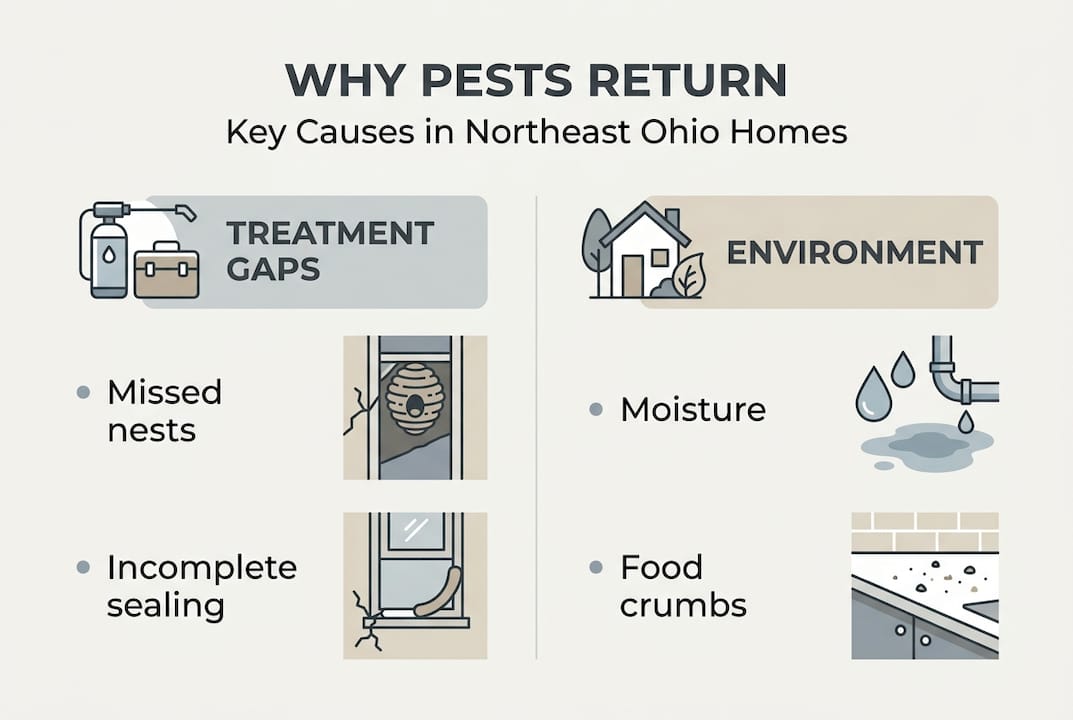
Sealing entry points creates a physical barrier that prevents pest access regardless of outdoor populations. Inspect your home’s exterior for gaps around utility lines, damaged weatherstripping, foundation cracks, and torn screens. Use caulk for small gaps, expanding foam for larger openings, and steel wool for areas where rodents might chew through softer materials. Pay special attention to where different building materials meet, as these junctions often develop gaps.
Monthly pest maintenance tasks keep your defenses strong between professional visits. Check bait stations and traps, replace as needed. Inspect for new pest signs like droppings or damage. Verify that previous exclusion work remains intact. Trim vegetation away from your home’s exterior. These small regular efforts prevent minor issues from becoming major infestations.
Schedule regular professional inspections tailored to Northeast Ohio’s seasonal pest patterns. Spring inspections catch termite swarms and carpenter ant activity. Summer checks monitor for wasp nests and fly breeding sites. Fall visits prepare for rodent invasions as temperatures drop. Winter inspections verify that exclusion work is holding and no pests have established indoor harborages.
Essential homeowner prevention actions:
- Maintain strict kitchen sanitation with daily cleaning and proper food storage
- Eliminate moisture sources through repairs and humidity control
- Seal all structural gaps, cracks, and openings larger than one-quarter inch
- Perform monthly self-inspections for early pest detection
- Schedule seasonal professional inspections before peak pest activity
Pro Tip: Coordinate home improvement projects with pest control efforts. If you’re renovating a basement or attic, have a technician inspect and treat before closing up walls. This prevents sealing pests inside where they’ll be impossible to reach later.
Consistent homeowner maintenance creates an environment where pests struggle to survive. These efforts complement professional treatments rather than replacing them, forming a comprehensive defense system.
Comparing pest control treatments: effectiveness and limitations
No single pest control method works perfectly for every situation. Different treatment methods vary in application, longevity, and pest targeting, affecting reinfestation likelihood and overall success rates. Understanding the strengths and weaknesses of common approaches helps homeowners set realistic expectations and choose appropriate solutions.
Chemical treatments provide rapid pest reduction but have important limitations. Liquid pesticides applied to baseboards and entry points create barriers that kill pests on contact. These treatments work quickly, often showing results within hours or days. However, most pesticides break down over time due to UV exposure, cleaning, and environmental factors. Residual effectiveness typically lasts 30 to 90 days, requiring reapplication for ongoing protection. Some pest species have also developed resistance to commonly used chemicals, reducing treatment effectiveness.
Baiting systems target specific pests through food-based attractants mixed with slow-acting pesticides. Rodent bait stations, ant gel baits, and cockroach bait stations allow pests to consume poison and return to nests before dying, spreading the toxin to other colony members. This method works well for social insects and rodents but requires correct placement based on pest behavior. Baits lose effectiveness if alternative food sources are available or if pests learn to avoid them.
Non-chemical methods like exclusion and habitat modification provide longer-lasting control without pesticide applications. Sealing entry points prevents pest access indefinitely unless damage occurs. Removing food, water, and harborage eliminates conditions that support pest populations. These approaches require more initial labor but maintain effectiveness without reapplication. They work best as part of comprehensive residential pest management programs rather than standalone solutions.
Combination approaches deliver superior results by addressing multiple aspects of pest biology and behavior simultaneously. Using exclusion to prevent entry, sanitation to remove attractants, monitoring to detect activity early, and targeted pesticide applications only where needed reduces pest resistance while improving overall outcomes. This integrated strategy adapts to changing conditions and pest populations rather than relying on a single control method.
| Treatment Type | Primary Application | Typical Duration | Best For | Limitations |
|---|---|---|---|---|
| Liquid pesticides | Barrier sprays, crack and crevice treatment | 30 to 90 days | Fast knockdown of active infestations | Requires reapplication, potential resistance |
| Baiting systems | Stations placed near pest activity | 3 to 6 months | Social insects, rodents | Needs proper placement, competing food sources reduce effectiveness |
| Exclusion work | Sealing entry points, structural repairs | Indefinite with maintenance | Preventing new pest entry | Doesn’t address existing infestations |
| Habitat modification | Removing food, water, shelter | Ongoing | Long-term prevention | Requires consistent homeowner effort |
| Integrated approach | Multiple methods combined | Varies by component | Comprehensive control and prevention | Higher initial cost, more complex implementation |
Treatment effectiveness depends heavily on proper application, pest species, infestation severity, and environmental conditions. A method that works perfectly for carpenter ants may fail completely against bed bugs. Severe infestations typically require more aggressive treatments than minor pest problems.
Understanding these differences helps you evaluate treatment recommendations and recognize why multiple visits or varied approaches may be necessary. The goal is sustainable pest control that adapts to your specific situation rather than a one-size-fits-all solution.
Find expert pest control solutions in Northeast Ohio
Breaking the cycle of recurring pest problems requires expertise, proven methods, and local knowledge of Northeast Ohio pest patterns. Apex Pest Control combines all three to deliver lasting results for homeowners throughout Oakwood, Bedford Heights, Maple Heights, and surrounding communities. Our licensed technicians understand the specific challenges Northeast Ohio homes face and tailor solutions accordingly.
We use comprehensive inspections to identify not just current pest activity but also conditions that invite future infestations. Our integrated pest management approach combines exclusion, sanitation recommendations, monitoring, and targeted treatments to address root causes rather than just symptoms. This strategy reduces the likelihood of pest return while minimizing pesticide use in your home.
Whether you’re dealing with persistent rodent problems, seasonal ant invasions, or discovering pests shortly after treatment, our experienced local exterminators provide fast, effective solutions backed by over 200 five-star reviews. We offer free inspections and quotes so you can understand your pest problem and available solutions before making any commitment. Contact Apex Pest Control today to schedule your free evaluation and take the first step toward a pest-free home.
Frequently asked questions
Why do pests keep coming back after treatment?
Pests return when treatments miss hidden harborages, environmental conditions remain favorable, or rapid reproduction allows survivors to rebuild populations. Many species reproduce quickly enough that even a few missed individuals can cause reinfestation within weeks. Incomplete coverage of all pest entry points and nesting sites allows survival and continued activity.
How can I prepare my home before pest treatment?
Clean thoroughly, remove clutter, and repair any water leaks before your scheduled treatment. Move furniture away from walls so technicians can access baseboards and potential pest hiding spots. Store food in sealed containers and relocate pets according to professional preparation guidelines to ensure treatments reach target areas safely and effectively.
What ongoing steps should I take to prevent pests from returning?
Maintain consistent cleanliness, seal new cracks or gaps as they appear, and perform monthly maintenance checks for early pest signs. Schedule seasonal professional inspections to catch problems before they become severe. Regular monitoring and quick response to minor issues prevents major infestations from developing.
How long should pest control treatments last?
Most chemical treatments provide 30 to 90 days of residual protection depending on the product, application method, and environmental conditions. Physical exclusion work lasts indefinitely if properly maintained. Baiting systems typically remain effective for three to six months. Ongoing prevention requires combining multiple methods rather than relying on single treatments.
Are multiple pest control treatments always necessary?
Severe infestations, fast-reproducing species, and homes with significant structural issues typically require multiple treatments for complete control. Single treatments may work for minor problems caught early, but most pest situations benefit from follow-up visits to ensure complete elimination. Treatment frequency depends on pest species, infestation severity, and property conditions.