



Termites are not a distant threat for Ohio homeowners. They are active, destructive, and often invisible until serious damage is already done. Termites cause over $5 billion in property damage across the US every year, and Ohio’s climate puts local homes squarely in the danger zone. The good news is that most termite damage is preventable. This guide walks you through exactly what you need to know, from understanding your risk to choosing the right barriers and building habits that keep termites out for good.
Table of Contents
- Know your termite threat: Why Ohio homes are vulnerable
- Materials and tools for termite prevention
- Step-by-step guide: How to make your home termite-proof
- Chemical vs. non-chemical termite prevention: Pros, cons & when to call a pro
- Maintenance & ongoing protection: Keeping termites out for good
- Our take: Why the best termite defense in Ohio is proactive, not reactive
- Get expert help to protect your home from termites
- Frequently asked questions
Key Takeaways
| Point | Details |
|---|---|
| Ohio homes face high termite risk | The region’s climate makes termite prevention essential for all homeowners. |
| Prevention is cost effective | Simple steps save thousands in potential property damage repairs. |
| Regular inspections are critical | Annual professional checks catch hidden colonies before costly problems arise. |
| Combine multiple strategies | Integrated use of barriers, moisture control, and expert advice gives the best results. |
Know your termite threat: Why Ohio homes are vulnerable
Ohio sits in a region where subterranean termites thrive thanks to humid summers and moist soil near foundations. These are the most destructive termite species in North America, and they are the ones most likely targeting your home right now. They live underground in colonies that can number in the millions, tunneling up through soil to reach wood in your foundation, walls, and floor joists.
What makes subterranean termites so dangerous is how quietly they work. They avoid open air, so they build mud tubes to travel between soil and wood. By the time you see visible damage, a colony may have been feeding on your home for years. Knowing the difference between ants and termites is a critical first step, since swarmers are often mistaken for flying ants during spring.
Here are the most common warning signs Ohio homeowners should watch for:
- Mud tubes running along your foundation or basement walls
- Wood that sounds hollow when tapped
- Discarded wings near windows or doors in spring
- Bubbling or uneven paint on walls
- Tight-fitting doors or windows that were not a problem before
“Termites cause structural damage that is often hidden behind walls and under floors, making early detection critical for minimizing repair costs.”
Ohio’s combination of older housing stock, wooded lots, and seasonal moisture creates ideal conditions for termite activity. Understanding the pest risk factors for Ohio homes helps you see your property through a termite’s eyes, and that perspective is where smart prevention starts.
Materials and tools for termite prevention
Now that you understand the threat, let’s review the essential tools and materials you’ll need to guard your home. Prevention is not just about what you spray. It is about creating physical and chemical barriers that make your home far less appealing to termites in the first place.
Key materials for termite prevention:
- Borate-treated wood: Ideal for framing, decks, and any wood near soil. Borate-treated wood resists termites for over 10 years when properly applied, making it one of the best long-term investments for new builds or renovations.
- Steel mesh barriers: Installed beneath slabs or around pipes, these physically block termite entry without chemicals.
- Coarse sand barriers: A layer of coarse sand (particle size 10 to 16 mesh) around the foundation deters tunneling because termites cannot move the larger particles.
- Moisture barriers and vapor retarders: Installed in crawl spaces to reduce humidity that attracts termites.
- Proper drainage tools: French drains, downspout extensions, and grading tools to direct water away from your foundation.
| Material | Estimated cost | Best use | DIY friendly? |
|---|---|---|---|
| Borate-treated wood | $1.50 to $3/board ft | New framing, decks | Yes, during construction |
| Steel mesh barrier | $0.50 to $1.50/sq ft | Foundation, pipe entry | Moderate |
| Coarse sand barrier | $50 to $150 total | Foundation perimeter | Yes |
| Vapor retarder | $0.10 to $0.50/sq ft | Crawl spaces | Yes |
| Liquid termiticide | $200 to $900+ | Soil treatment | Pro recommended |
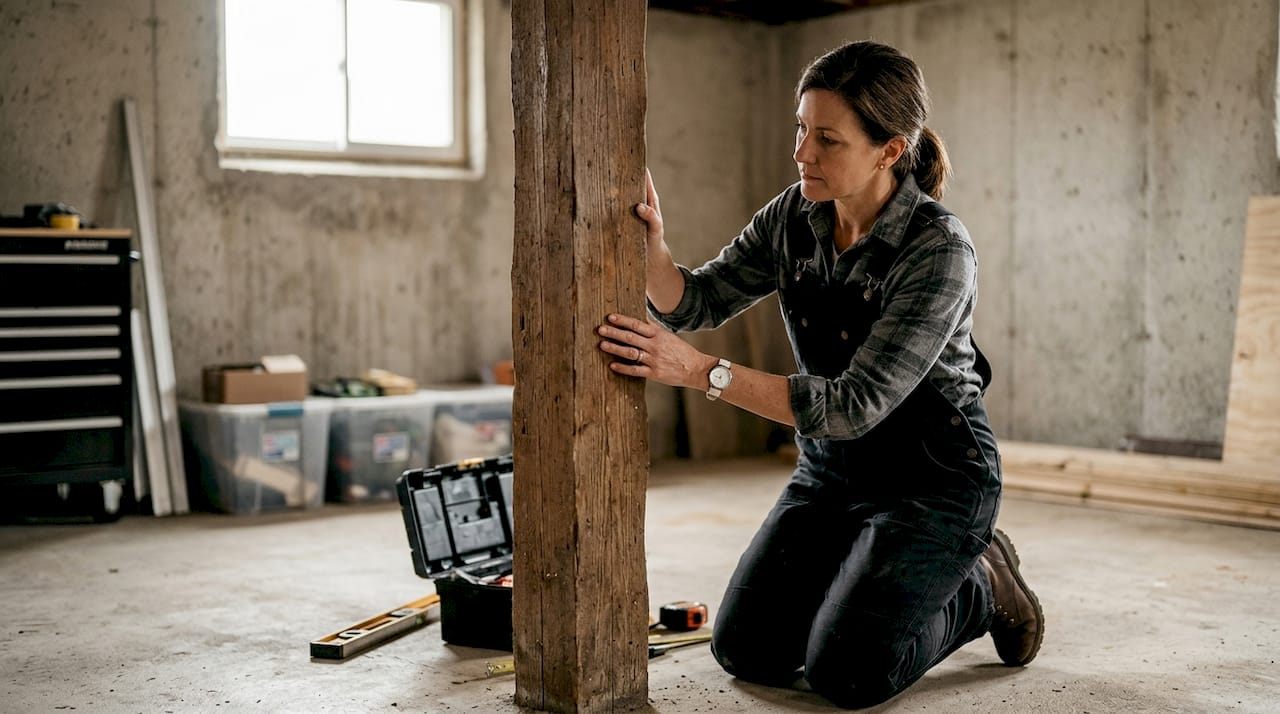
Pro Tip: Check your crawl space and basement for any wood that contacts soil directly. Even a small piece of scrap lumber left against the foundation gives termites a free invitation inside.
For more practical guidance, our DIY pest prevention tips cover a range of affordable steps Ohio homeowners can take on their own. Before buying materials, it also helps to run through a DIY termite inspection guide so you know exactly what you are dealing with.
Step-by-step guide: How to make your home termite-proof
With the right materials at hand, you’re ready to apply the prevention methods step by step. Follow this sequence to systematically reduce every major entry point and attractant around your home.
- Inspect your exterior foundation. Walk the full perimeter and look for mud tubes, cracks, or wood-to-soil contact. Do this every spring and fall.
- Eliminate wood-to-soil contact. Raise deck posts onto concrete footings. Replace any buried wood scraps or stumps near the house.
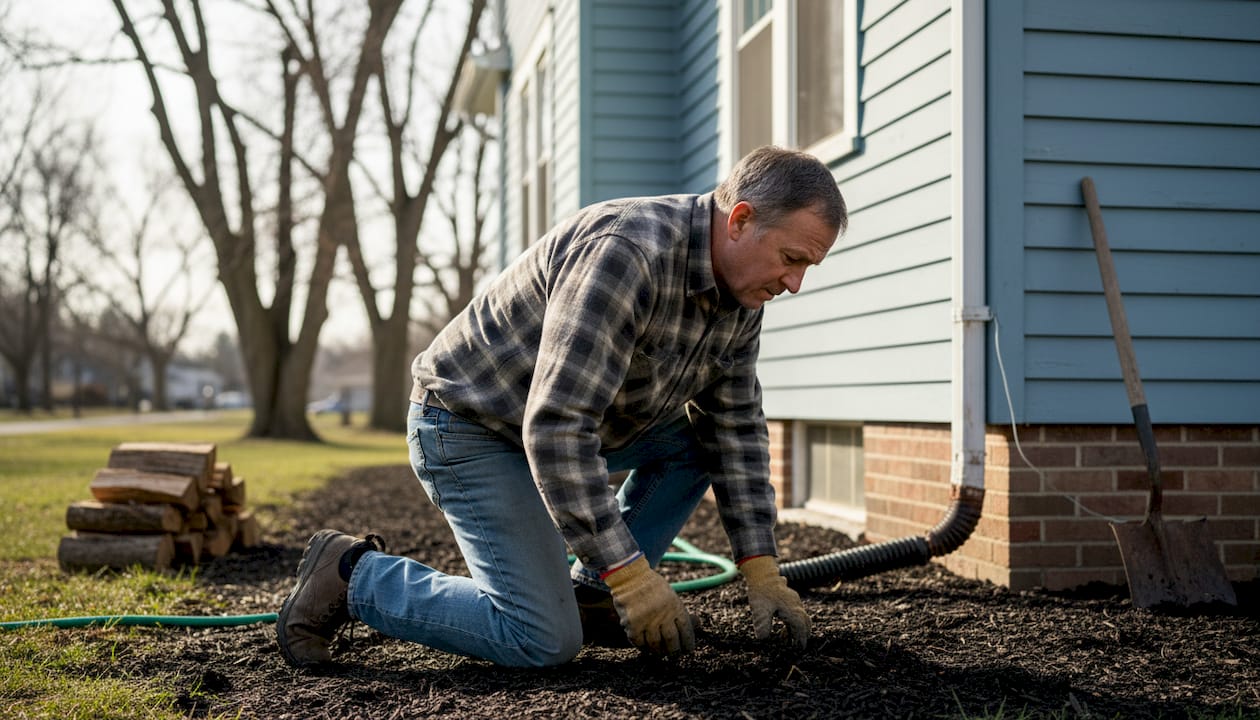
- Manage your mulch and landscaping. Keep mulch 4 to 6 inches away from your foundation, wood piles at least 20 feet back, and siding at least 6 inches above soil level.
- Fix moisture problems. Repair leaky gutters, extend downspouts away from the foundation, and ensure your yard slopes away from the house. Install a vapor retarder in your crawl space if you do not have one.
- Seal entry points. Caulk gaps around utility pipes, wiring, and where wood meets concrete. Use steel wool or copper mesh in larger gaps before sealing.
- Treat vulnerable wood. Apply borate solution to exposed wood in crawl spaces, attics, and basements. This is especially important in older Ohio homes.
- Consider a physical barrier. For homes under renovation or new additions, install steel mesh or sand barriers before pouring concrete.
Pro Tip: Termites are most active in spring when swarmers emerge. Schedule your annual exterior check in March or April to catch any new activity before it becomes a problem.
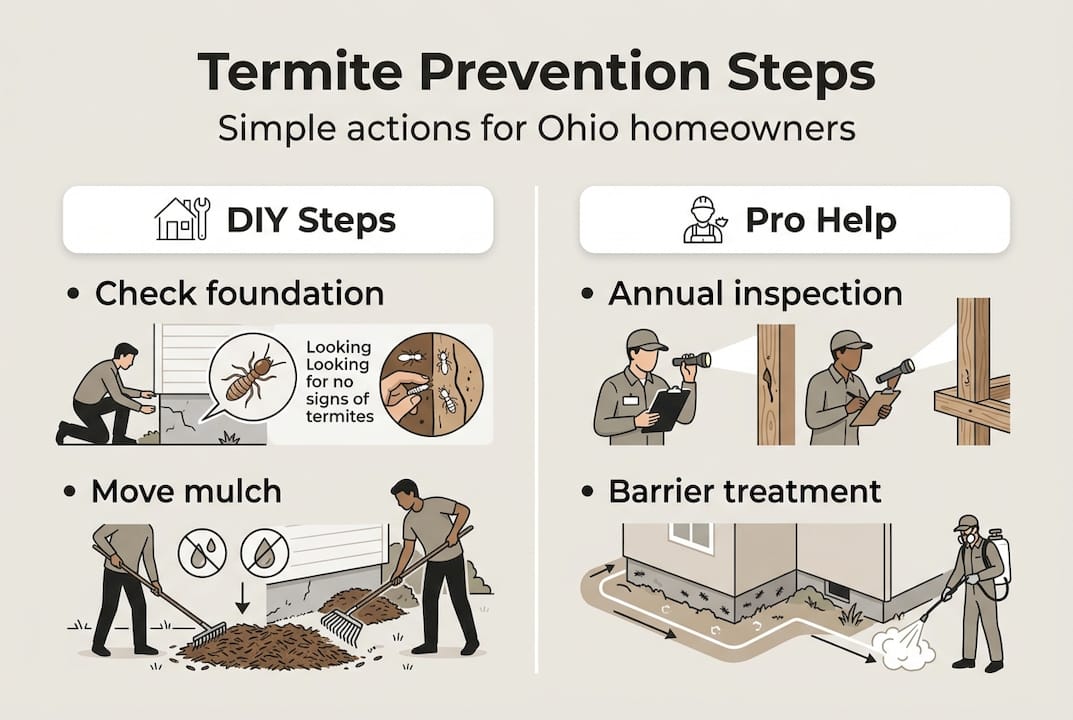
| Action | DIY or pro | Frequency |
|---|---|---|
| Foundation inspection | DIY | Twice yearly |
| Mulch and wood management | DIY | Annually |
| Moisture and drainage fixes | DIY or pro | As needed |
| Borate wood treatment | DIY | Every 5 to 10 years |
| Professional soil treatment | Pro | Every 5 to 10 years |
For seasonal timing, our pest prevention steps for fall and tips on natural pest maintenance are worth bookmarking.
Chemical vs. non-chemical termite prevention: Pros, cons & when to call a pro
Once basic prevention is established, it is important to weigh your options for advanced or ongoing protection. Not every situation calls for the same solution, and understanding your choices helps you spend wisely.
How the main options compare:
| Method | Speed of action | Duration | Eco impact | Cost range |
|---|---|---|---|---|
| Liquid termiticide (soil) | Fast (days) | 5 to 10 years | Moderate | $400 to $900+ |
| Bait stations | Slow (3 to 6 months) | Ongoing | Low | $800 to $2,500/year |
| Borate wood treatment | Preventive | 10+ years | Very low | $100 to $500 DIY |
| Physical barriers | Preventive | Permanent | None | $200 to $1,000+ |
Liquid termiticides protect homes for 5 to 10 years, while bait systems take 3 to 6 months to eliminate colonies but carry less environmental impact. Neither is universally better. The right choice depends on your home’s age, construction type, and current risk level.
“Bait systems work by allowing foraging termites to carry a slow-acting toxicant back to the colony, eventually collapsing it from within. They are excellent for long-term management but are not a quick fix.”
Here is when you should stop relying on DIY and call a licensed pest professional:
- You find active mud tubes or live termites anywhere on your property.
- You see structural damage to wood beams, joists, or sills.
- Your home has not had a professional inspection in more than a year.
- You are buying or selling a home in Ohio.
Understanding the importance of pest inspections can help you see why skipping professional checks is a costly gamble. And if you own commercial property, the termite threats for Ohio businesses are just as serious as residential risks.
Maintenance & ongoing protection: Keeping termites out for good
True protection goes beyond first steps. Lasting defense means regular maintenance and vigilance, not a one-time fix.
What to monitor on an ongoing basis:
- Mud tubes along the foundation, basement walls, or crawl space
- New cracks in the foundation or exterior walls
- Moisture buildup in the crawl space or basement
- Condition of borate treatments and physical barriers
- Any new wood added to the structure or landscaping
Annual professional inspections ensure hidden colonies and problem areas are detected early, preventing costly damage. This is not optional for Ohio homes. It is the single most reliable safety net you have.
Seasonal maintenance checklist:
- Spring: Check for swarmers, inspect foundation, clear mulch from walls
- Summer: Monitor crawl space humidity, check downspouts and drainage
- Fall: Remove wood debris from yard, inspect wood near soil contact
- Winter: Check basement and crawl space for moisture, review vapor barriers
Pro Tip: Keep a simple log of your inspections and any treatments applied. If you ever sell your home, this record is valuable proof of responsible maintenance and can speed up the real estate inspection process.
Older Ohio homes need more frequent checks because aging wood, settled foundations, and outdated construction methods create more entry points. New construction should include pre-treatment and physical barriers from day one. Our residential pest control tips and guide to reduce pest risk at home are practical resources to keep your plan current.
Our take: Why the best termite defense in Ohio is proactive, not reactive
After more than 50 years serving Ohio homeowners, we have seen the same pattern repeat itself. A homeowner notices soft wood or a mud tube, calls us, and we find a colony that has been active for two, three, sometimes five years. The damage is real. The repair bill is painful. And almost all of it was preventable.
Here is the uncomfortable truth: most people treat termite prevention like car insurance. They know they need it, but they wait until something goes wrong to act. By then, the colony is established and the damage is done.
DIY prevention is genuinely valuable. Fixing moisture problems, managing mulch, and treating wood with borate are all smart moves. But they are not a substitute for professional inspection. The two work together. Think of your own habits as the daily defense and a licensed inspector as the annual audit that catches what you miss.
The homeowners who fare best are the ones who reduce pest risks now before any sign of trouble appears. Prevention is not just cheaper than repair. It is the only strategy that actually works.
Get expert help to protect your home from termites
If you have followed the steps in this guide, you are already ahead of most Ohio homeowners. But prevention has limits, and there is no substitute for a trained eye. At Apex Pest Control, we have been protecting Ohio homes since 1969, and we know exactly what to look for in our region’s specific soil, climate, and housing conditions.
When you are ready to go beyond DIY, you can compare residential pest solutions to find the right fit for your home. Our local termite exterminators are available across Ohio and ready to assess your risk. The easiest first step is to request a free inspection and get a clear picture of where your home stands today.
Frequently asked questions
How often should I get my home inspected for termites in Ohio?
Annual professional inspections are strongly recommended for Ohio homes to catch hidden termite activity before it becomes costly structural damage.
Does mulch attract termites to my house?
Yes, mulch placed against your foundation retains moisture and provides cover for termites. Always keep mulch 4 to 6 inches away from exterior walls.
Is DIY termite prevention enough or should I hire a pro?
DIY steps are effective for prevention, but pros are needed for treatment and colony elimination. Annual inspections give you the confidence that nothing is being missed.
Are bait systems or chemical barriers better for termite prevention?
Bait systems take several months but have less environmental impact, while chemical barriers act faster and last up to 10 years. The best choice depends on your home’s specific situation.
Do new Ohio homes need termite protection?
Absolutely. New construction in Ohio requires pre-treatment and ongoing vigilance, since termites do not distinguish between old and new wood.