


TL;DR:
- Asking about licensing, experience, and safety measures ensures effective and safe pest control.
- Post-treatment follow-up and ongoing communication prevent recurring infestations and build trust.
- Considering eco-friendly options and verifying warranties contribute to safer, long-term pest management.
Choosing the wrong exterminator in Ohio can cost you far more than the initial service fee. Recurring infestations, unsafe chemical exposure, and wasted time are real consequences of hiring without asking the right questions first. Ohio’s climate creates year-round pressure from pests like rodents, bed bugs, cockroaches, and stinging insects, which means your choice of provider matters more than most people realize. This guide gives you a practical, prioritized list of questions to ask before, during, and after any pest control service, so you can hire with confidence and protect your home or business for the long term.
Table of Contents
- Why asking the right questions is critical before hiring an exterminator
- Top questions to ask before your first appointment
- What to expect during and after your pest treatment
- Evaluating safety, eco-friendliness, and ongoing support
- What most people overlook when hiring an exterminator
- Protect your Ohio home or business with Apex
- Frequently asked questions
Key Takeaways
| Point | Details |
|---|---|
| Question checklist | A good list of questions helps you avoid inadequate service or unsafe chemical use. |
| Prepare in advance | Ready your property and clarify safety steps with the exterminator before treatment begins. |
| Prioritize safety | Opt for eco-friendly and licensed providers for safe, lasting pest control. |
| Follow up | Don’t forget to ask about warranties and ongoing support after treatment. |
Why asking the right questions is critical before hiring an exterminator
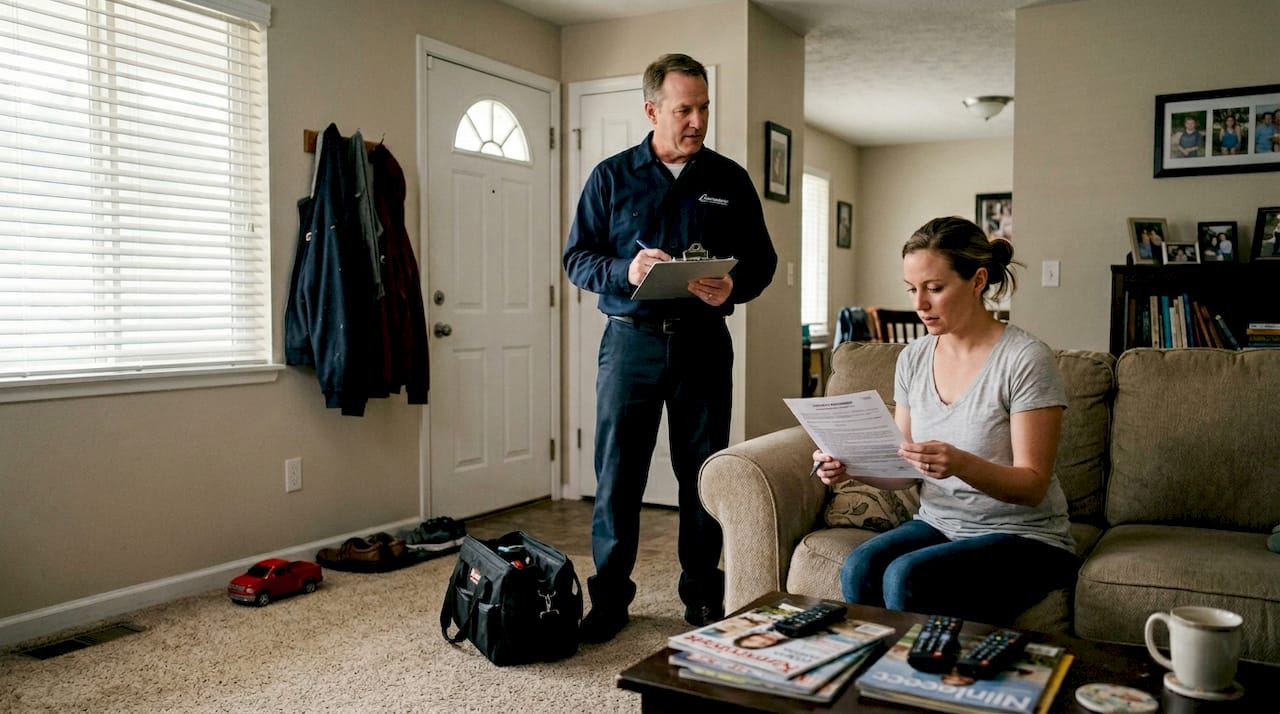
Most homeowners and business owners in Ohio make the same mistake when dealing with a pest problem: they call the first company they find online, get a quote, and book the service without asking a single follow-up question. That approach feels efficient, but it often leads to disappointment. You might end up with a technician who uses products unsafe for your pets, or a company that offers no follow-up if the first treatment fails.
Ohio has specific licensing requirements for pest control operators. The Ohio Department of Agriculture regulates commercial pesticide applicators, meaning any legitimate exterminator must hold a valid license. If you skip asking about credentials, you could be letting an unlicensed operator into your home with chemicals you know nothing about. That’s a risk no one should take.
Ohio’s geography and climate also create a unique pest environment. Cold winters push rodents indoors. Wet springs trigger ant and termite activity. Hot summers bring stinging insects. A provider with real Ohio experience understands these seasonal patterns and adjusts their methods accordingly. A national chain with no local knowledge may apply a one-size-fits-all approach that simply doesn’t work here.
Here’s what skipping the vetting process typically costs you:
- Repeat service calls that you pay for out of pocket
- Exposure to pesticides not appropriate for your household composition
- No recourse if the treatment fails
- Wasted time scheduling follow-up visits with an unresponsive company
Structured vetting, on the other hand, pays off. Proper vetting is linked with higher client satisfaction and effective pest elimination. When comparing pest control companies, a checklist of questions gives you a consistent framework to evaluate every provider on the same terms.
“The single most important step before signing any pest control contract is asking questions you actually want answers to, not just the ones that feel polite.”
If you’re new to dealing with pest issues, a solid home pest control guide can help you understand what professional services actually involve. The EPA pest control selection tips also outline what consumers should look for when evaluating providers.
Top questions to ask before your first appointment
Now that you know why vetting matters, here’s exactly what to ask. These questions are ordered by priority, starting with the non-negotiables.
- Are you licensed and insured in Ohio? Ask for the license number and verify it with the Ohio Department of Agriculture. Insurance protects you if anything goes wrong during treatment.
- What experience do you have with my specific pest? A company that handles ants every day may not have deep expertise in bed bug heat treatments. Specificity matters.
- What products will you use, and are they safe for children and pets? Request the product names so you can look them up. A good exterminator will not hesitate to share this information.
- What preparation do I need to do before treatment? Preparation guidance and transparent safety practices distinguish top providers from average ones. Ask for written instructions.
- What happens if the treatment doesn’t work? Find out if follow-up visits are included or if they cost extra. This is where many companies fall short.
- Do you offer a warranty or guarantee? Get the terms in writing. A verbal promise means nothing if the infestation returns.
- What is the expected timeline for results? Some pests take days to eliminate; others take weeks. Knowing this upfront prevents frustration.
- What aftercare steps should I follow? Post-treatment instructions protect both your household and the effectiveness of the treatment. Review pest removal safety tips to know what’s standard.
Pro Tip: Always ask for answers in writing, whether by email or a printed service agreement. If a company refuses to put their promises on paper, that tells you everything you need to know.
The BBB pest control hiring tips also recommend checking for complaint history and verifying business credentials before committing to any provider.
What to expect during and after your pest treatment
Once you have your answers, here’s what you’ll encounter on treatment day. Understanding the process removes the anxiety and helps you spot any red flags in real time.
A professional exterminator should begin with a thorough walkthrough of your property. They assess entry points, nesting areas, and the severity of the infestation before applying anything. This assessment shapes the entire treatment plan, so a technician who skips it and goes straight to spraying is cutting corners.
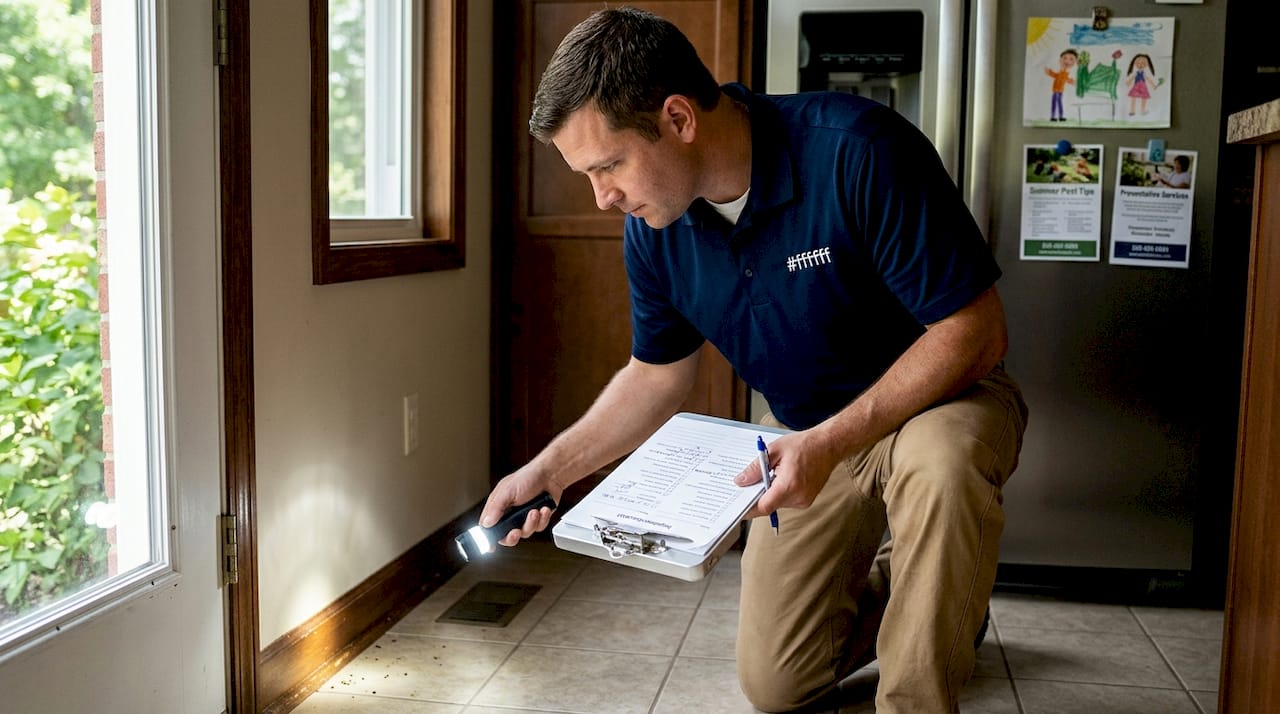
During treatment, methods vary widely depending on the pest. Chemical sprays, bait stations, heat treatment, and physical exclusion are all common approaches. The technician should explain what they’re doing and why as they work through your space. If they can’t or won’t explain their methods, ask again. You have every right to understand what’s happening in your home.
Here’s a quick reference for common treatments:
| Pest | Common method | Estimated duration | Key precaution |
|---|---|---|---|
| Cockroaches | Gel bait and spray | 1 to 2 hours | Stay out 2 to 4 hours |
| Bed bugs | Heat treatment | 6 to 8 hours | Remove heat-sensitive items |
| Rodents | Bait stations and traps | Ongoing monitoring | Keep pets away from bait areas |
| Ants | Perimeter spray and bait | 1 hour | Avoid mopping treated areas |
| Stinging insects | Nest removal and spray | 30 to 60 minutes | Stay indoors during treatment |
After treatment, your actions matter just as much as the exterminator’s. Sanitizing after pest removal is critical for health and prevents recurring infestations, especially after rodent or bed bug control. Dead pests, droppings, and nesting materials left behind can attract new pests or spread bacteria.
Key post-treatment steps to follow:
- Vacuum and wipe down surfaces once the safe re-entry window has passed
- Seal food in airtight containers to remove attractants
- Fix any moisture issues that contributed to the infestation
- Follow your treatment preparation checklist for any follow-up appointments
The CDC pest prevention advice reinforces that sanitation and exclusion are just as important as chemical treatment for long-term pest control success.
Evaluating safety, eco-friendliness, and ongoing support
Safety and sustainability matter, and here’s how to probe deeper when interviewing potential providers. Many Ohio families are now asking about chemical exposure risks, especially in homes with young children, elderly residents, or pets.
The good news is that eco-friendly pest control options have advanced significantly. Integrated pest management, commonly called IPM, combines physical, biological, and chemical controls to minimize chemical use while maintaining effectiveness. Eco-friendly and integrated pest management solutions can reduce chemical risk by up to 70%, which is a meaningful difference for sensitive households.
Here’s how traditional and eco-friendly approaches compare:
| Factor | Traditional chemical treatment | Eco-friendly or IPM approach |
|---|---|---|
| Chemical exposure | Higher residue levels | Significantly reduced |
| Effectiveness | Fast-acting | Comparable with proper application |
| Cost | Often lower upfront | May cost slightly more initially |
| Long-term results | Requires repeat applications | Prevention-focused, fewer retreats |
| Safety for kids and pets | Requires extended re-entry time | Shorter or no re-entry window |
Ask your provider these specific questions to gauge their commitment to safety:
- Do you use least-toxic products as a first option?
- Can you provide the Safety Data Sheets for any chemicals used?
- Do you offer sustainable pest management plans with regular preventative visits?
- How do you monitor for reinfestation between treatments?
Pro Tip: Ask specifically if the company is trained in IPM practices. Providers who understand IPM will focus on why pests are entering your property and fix those conditions, not just spray and leave.
For additional guidance on what separates strong providers from weak ones, the National Pest Management Association offers a useful breakdown of what professional standards look like in this industry.
What most people overlook when hiring an exterminator
Here’s an uncomfortable truth we’ve seen play out over decades of working in Ohio pest control: most people ask great questions before the first treatment, then go completely silent afterward. They assume the job is done, the pest is gone, and life moves on. That assumption is exactly how recurring infestations happen.
The questions you ask after treatment are just as important as the ones you ask before. Did the treatment work as expected? Are there signs of new activity? Is the company honoring its warranty? These follow-up conversations are where real accountability lives. When comparing local providers, the ones worth keeping are the ones who proactively reach out after treatment, not just when it’s time to renew a contract.
Our editorial advice: schedule a property inspection two to three months after your initial treatment. This isn’t about distrust. It’s about catching early signs of reinfestation before they become full-blown problems. Clear, ongoing communication with your pest control provider is the single most underrated factor in long-term pest management success.
Protect your Ohio home or business with Apex
At Apex Pest Control, we’ve been answering homeowners’ and business owners’ questions since 1969, and we welcome every single one of them. Whether you’re dealing with a rodent problem that keeps coming back or a bed bug situation that needs immediate attention, we believe an informed client is our best client. Explore our rodent control services and bed bug treatment options to understand exactly what we offer and how we approach each situation. Ready to take the first step? Request a free quote today and let our Ohio-based team walk you through a customized plan built around your specific pest pressures and property needs.
Frequently asked questions
What should I do to prepare my home for an exterminator visit?
Remove clutter, vacuum floors, and follow any written instructions from your exterminator. Preparation improves both treatment effectiveness and household safety during the process.
Are eco-friendly pest control methods effective?
Yes, eco-friendly treatments work well against many common pests and are generally safer for children and pets. Integrated and eco-friendly methods cut chemical risk while remaining effective for most Ohio pest situations.
Should I leave my home during pest treatment?
For certain chemical treatments, temporary evacuation may be required; always ask your exterminator directly. Review pest removal safety tips to understand what safety protocols are standard for your specific treatment type.
What warranties or guarantees should I expect from a pest control company?
Reputable companies typically offer warranties or free follow-up visits if pests return. Warranties vary widely and should always be confirmed in writing before you sign any service agreement.
How soon will pests be gone after treatment?
Timelines depend on the pest species, treatment method, and your property conditions, so ask your exterminator for a specific estimate. Treatment timelines vary significantly between pest types and extermination approaches.
Recommended
- DIY Pest Control vs. Exterminator Near Me: Hidden Costs & Best Solutions
- 7 Clear Reasons to Hire Pest Professionals for Your Home
- 7 Integrated Pest Management Examples for Safer Homes
- Why Choose Licensed Exterminators for Safe Pest Control
- Antimicrobial Fogging: What It Does and When a Homes Need It