



TL;DR:
- Pesticide use can harm beneficial insects, soil health, and water quality in Ohio.
- Integrated Pest Management focuses on prevention, monitoring, and targeted treatments to reduce environmental impact.
- Proactive practices and eco-friendly controls help homeowners maintain healthy, pest-resistant landscapes sustainably.
Most homeowners assume that if a pesticide is legal and labeled for use, it’s safe for their yard, their family, and their neighborhood. That assumption deserves a second look. Ohio’s mix of high humidity, dense suburban landscapes, and rich agricultural surroundings makes it a place where pest control choices ripple outward in ways that are easy to miss. The methods you choose today can affect your soil health, your garden’s pollinators, and even your home’s long-term pest resistance. This guide walks you through the real environmental stakes, explains how smarter approaches like Integrated Pest Management (IPM) work, and gives you practical steps you can apply right now.
Table of Contents
- Why environmental pest impact matters in Ohio
- Integrated Pest Management: Ohio’s smarter approach
- Hidden pitfalls: Secondary outbreaks, resistance, and health risks
- Practical steps: Reducing pest impact at your property
- Our take: Why pest control success means thinking beyond chemicals
- Need smarter pest solutions? Get expert help in Ohio
- Frequently asked questions
Key Takeaways
| Point | Details |
|---|---|
| Modern pesticides still carry risks | Even newer formulas may harm pollinators and beneficial insects if misused. |
| IPM is the smart solution | Integrated Pest Management minimizes chemical use and balances pest control with ecosystem health. |
| Prevention is more effective | Early action, resistant plants, and regular monitoring cut pest problems and lower risks to your environment. |
| Broad-spectrum sprays can backfire | Preventative or mixed pesticide use may cause secondary outbreaks and even health concerns. |
| Ohio-specific advice is key | Tailor your pest management to local pest types and weather for best long-term results. |
Why environmental pest impact matters in Ohio
Ohio homeowners deal with a wide range of pests: ants, stinging insects, rodents, cockroaches, and seasonal invaders that thrive in our wet springs and humid summers. The instinct is to reach for a pesticide and solve the problem fast. But even products marketed as “modern” or “low-toxicity” carry consequences that go well beyond your property line.
Here’s what the research actually shows. Even modern pesticides degrade faster but still harm beneficial insects, disrupt pollinators, and contribute to resistance buildup over time. That means the bees visiting your garden, the ground beetles eating slug eggs in your mulch beds, and the parasitic wasps keeping caterpillar populations in check are all collateral damage from routine pesticide applications.
The soil impact is particularly striking. Neonicotinoids combined with fungicides decrease soil invertebrate abundance by 43% and richness by 20%. These invertebrates include earthworms, beetle larvae, and microorganisms that keep your soil aerated and nutrient-rich. Lose them and your landscaping pays a long-term price.
“The most overlooked environmental cost of pest control isn’t what you spray. It’s what you lose in the process.”
Ohio’s landscape patterns add another layer of risk. Our state has a patchwork of farm fields, suburban yards, and wetland corridors. Pesticides applied in residential areas can drift into those corridors, affecting wildlife and water quality. High humidity also speeds up the spread of some chemical residues into soil and surface water.
Here’s a quick breakdown of what’s at risk:
- Pollinators: Bees, butterflies, and other pollinators that are essential to Ohio gardens and local food systems
- Natural predators: Ground beetles, ladybugs, and parasitic wasps that naturally suppress pest populations
- Soil biology: The microbial networks and invertebrates that make healthy soil function
- Water quality: Runoff carrying pesticide residue into local streams and drainage systems
- Pest resistance: Overuse of the same active ingredients accelerates resistance, making future control harder
When pesticides are used without careful consideration, they can also interact in unexpected ways. Mixing or sequentially applying certain products carries synergistic pesticide risks that no single product warning label accounts for. Understanding that is the first step toward making smarter decisions for your property.
With the stage set on why pest control’s environmental cost matters, let’s examine how science-backed solutions offer a better way.
Integrated Pest Management: Ohio’s smarter approach
IPM stands for Integrated Pest Management. It’s a decision-making framework, not just a product swap. Instead of defaulting to a spray schedule, IPM starts with understanding the pest, its lifecycle, and whether action is even needed yet. That distinction alone prevents a lot of unnecessary chemical use.
The Ohio State University Extension actively promotes IPM and regular scouting as critical tools for minimizing environmental impact. And beyond Ohio, IPM is the primary recommended methodology for reducing pesticide use and protecting ecosystems at the home level.
Here’s how IPM works in practice, step by step:
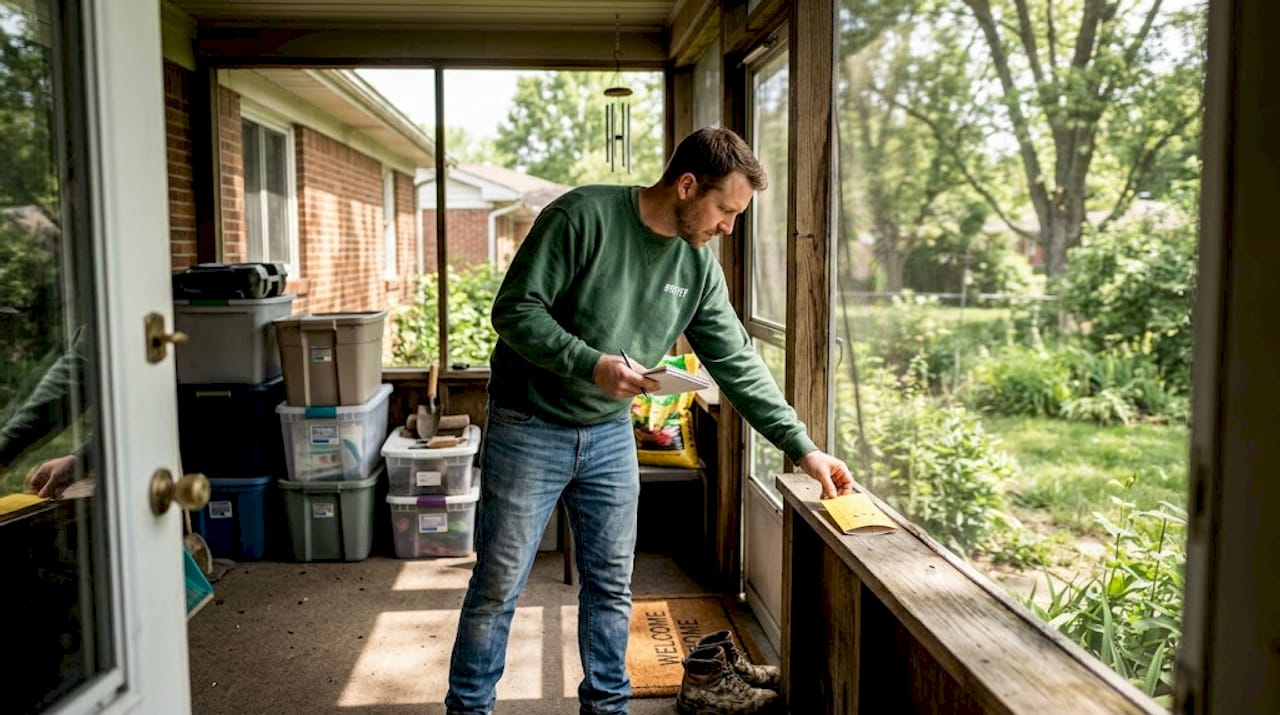
- Scout regularly: Walk your property weekly. Look at leaves, soil, entry points, and moisture-prone areas for early signs of pest activity.
- Set action thresholds: Not every pest sighting requires treatment. Decide in advance what level of damage or population warrants a response.
- Choose resistant plants: Select plant varieties that naturally resist common Ohio pests, reducing the need for chemical protection.
- Use biological controls first: Introduce or support natural predators. Encourage beneficial insects by planting native flowers.
- Apply targeted treatments: When chemicals are necessary, choose the least-toxic option for the specific pest, and apply it only where needed.
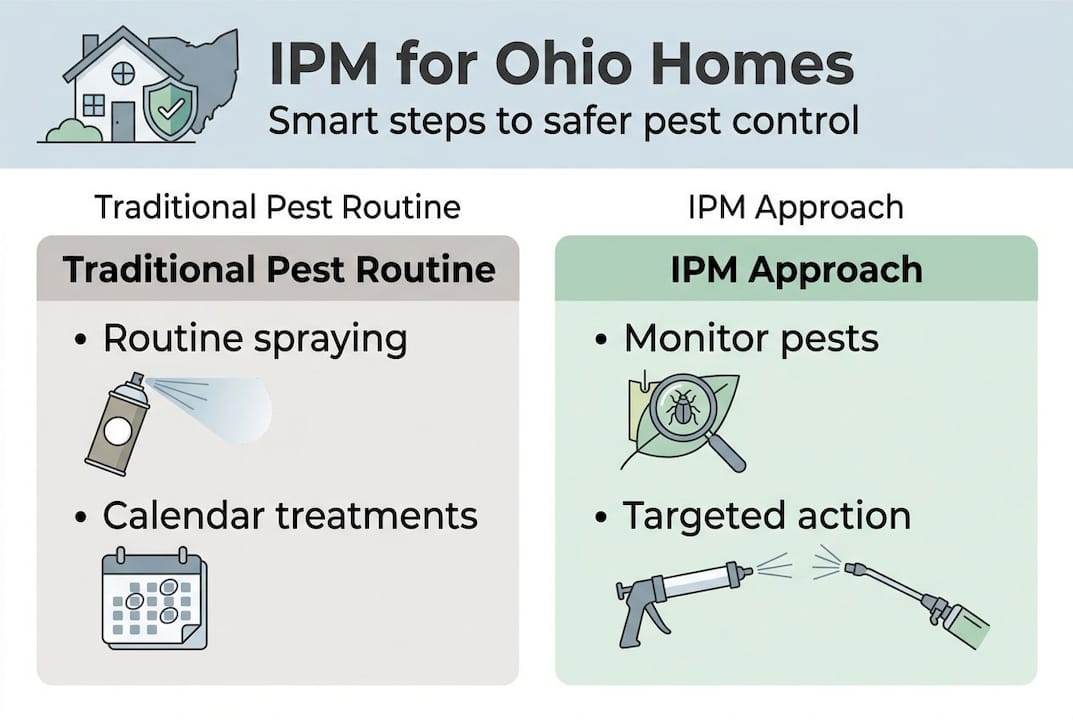
How does this compare to traditional pest routines? Take a look:
| Factor | Traditional pesticide routine | IPM approach |
|---|---|---|
| Trigger for treatment | Calendar schedule | Pest threshold reached |
| Scope of application | Broadcast (whole yard) | Targeted (specific areas) |
| Impact on beneficial insects | High | Low |
| Long-term resistance risk | High | Low |
| Cost over time | Often increases | Often decreases |
For IPM for safer homes, the core idea is that prevention and monitoring do most of the heavy lifting. Chemicals become a last resort, not a first response.
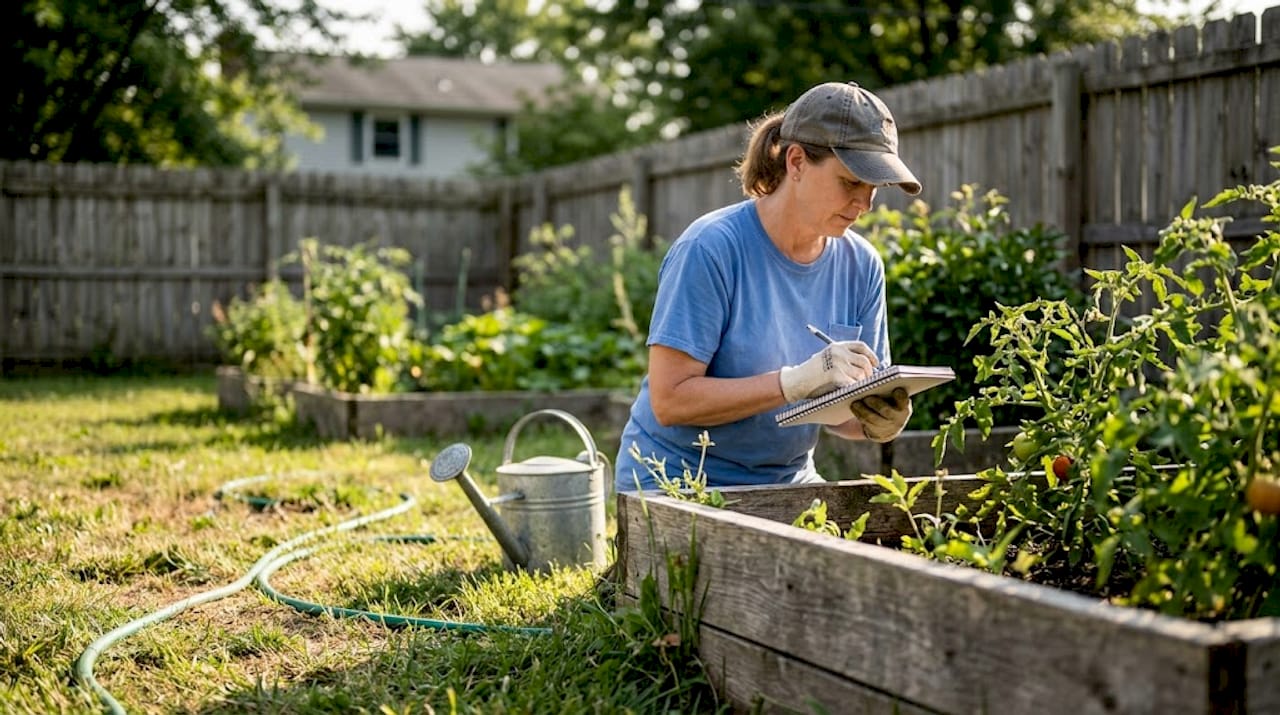
Pro Tip: If you spot a small infestation early, hand-picking caterpillars or spot-treating with Bt (Bacillus thuringiensis, a naturally occurring bacteria) is often enough to stop the problem before it spreads. Early action beats reactive spraying every time.
Exploring eco-friendly pest solutions and the specific IPM steps for Ohio homes can give you a clear roadmap for putting this into practice at your property.
Hidden pitfalls: Secondary outbreaks, resistance, and health risks
Even well-intentioned pest control can backfire. This is probably the most uncomfortable truth in the field, and it’s one that most product labels won’t tell you.
When you apply a broad-spectrum pesticide to eliminate one pest, you often wipe out its natural predators too. With those predators gone, secondary pests like spider mites can explode in population because nothing is keeping them in check. It’s a cycle that leads homeowners to spray more, not less.
Mixing products compounds the risk further. Pesticide mixtures may be more hazardous in combination than each product is individually, even when each one is considered non-carcinogenic on its own. This isn’t a fringe finding. It’s a documented pattern that researchers are now taking seriously.
The soil biodiversity data reinforces the concern. A significant drop in invertebrate abundance and species richness means your soil becomes less resilient over time, requiring more fertilizer and more intervention to maintain a healthy yard.
“Treating for pests without understanding the ecosystem is like treating symptoms without understanding the disease.”
Ohio’s humidity adds pressure here too. Moisture-rich environments speed up pesticide breakdown in some cases, but they also create conditions where pests rebound faster and resistance develops more readily.
Here are three hidden pitfalls to watch for:
- Secondary mite outbreaks: Killing off pest predators with broad-spectrum sprays creates conditions for mite populations to boom
- Pesticide resistance: Repeated use of the same product or class of product selects for resistant pest populations, making control harder over time
- Combination toxicity: Using multiple products, even ones labeled as safe, can produce unexpected health and ecological risks
Following pest control safety tips and taking time to reduce pest risk factors before reaching for a product can prevent many of these problems from developing in the first place.
Practical steps: Reducing pest impact at your property
Knowing the risks is half the battle. The other half is knowing what to actually do. Here’s a clear, actionable plan you can start this week.
Ohio homeowners and property managers should scout regularly, choose resistant plants, hand-pick small infestations, and use targeted biological controls like Bt and Spinosad to minimize environmental harm.
- Scout weekly: Walk your property with a notepad. Check plants, entry points, and damp areas. Look for eggs, damage patterns, and pest activity.
- Choose pest-resistant plants: Native Ohio plants and disease-resistant cultivars are naturally more durable. Less stress on a plant means fewer pest problems.
- Hand-pick early infestations: For caterpillars, beetles, or slugs, physical removal works well when numbers are low. Wear gloves and drop pests into soapy water.
- Spot-treat with biological controls: Bt works on caterpillars. Spinosad is effective for thrips and certain beetles. Both break down quickly and pose low risk to non-target species.
- Eliminate entry points and moisture: Fix leaky gutters, seal foundation cracks, and clear debris from around the home. Most pest problems start with conditions, not luck.
- Use OSU Extension resources: The OSU IPM home guide offers Ohio-specific guidance on pest identification and management thresholds.
Pro Tip: The single most effective thing you can do is start a monitoring log. Note the date, location, pest type, and severity. After two or three seasons, you’ll know your property’s patterns and can act earlier, with less product, every time.
For more detailed guidance, the residential pest control tips we’ve put together cover Ohio-specific scenarios. And if you want to go further, learning how to pest proof your Ohio home creates a structural foundation that reduces your need for any chemical response.
When a pest situation goes beyond what monitoring and biological controls can handle, that’s when calling a licensed professional makes sense. The goal isn’t to avoid all pest control. It’s to reserve the heavier tools for situations where they’re actually needed.
Our take: Why pest control success means thinking beyond chemicals
After more than 55 years working in Ohio homes and commercial properties, here’s what we’ve learned: the homeowners who struggle the most with recurring pest problems are almost always the ones who only react. They spray when they see something, feel reassured, and then deal with the same problem three months later.
The ones who get real, lasting results think in systems. They ask why the pests are showing up, what conditions are drawing them in, and what they can change structurally to break the cycle. That’s exactly what IPM examples for safer homes illustrate so well.
Chemicals have a role. We’re not pretending otherwise. But using them as the default, without considering their downstream effects on Ohio’s pollinators, soil health, and natural pest control ecosystem, is a short-term fix that creates long-term costs. Genuine safety means thinking about the whole picture, not just the pest in front of you.
Need smarter pest solutions? Get expert help in Ohio
If you’ve read this far, you’re already thinking about pest control the right way. The next step is finding solutions that match your property, your pest situation, and your values around environmental responsibility. Apex Pest Control has been serving Ohio homeowners and businesses since 1969, and our approach is built on the same IPM principles outlined in this article.
You can browse a residential pest solutions compared breakdown to see which approach fits your home best. For property managers handling larger spaces, our best commercial pest control services are tailored to Ohio’s commercial environments. Ready to take the first step? Get a free pest control quote and talk to a local expert who knows Ohio pest behavior inside and out.
Frequently asked questions
What is environmental pest impact?
Environmental pest impact refers to the effects that pest control methods have on the surrounding ecosystem, including beneficial insects, soil biology, and local water quality. Pesticides reduce beneficial invertebrate populations and can significantly disturb soil ecology over time.
How does Integrated Pest Management reduce environmental harm?
IPM relies on prevention, monitoring, and targeted actions, which greatly reduces the need for broad-spectrum pesticide use and limits ecosystem damage. IPM is the primary methodology recommended for minimizing environmental impact in Ohio homes.
Are all pesticides safe for the environment if used correctly?
No. Even modern pesticides can harm non-target species and pollinators, and certain combinations create risks that single products don’t. Mixtures of non-carcinogenic pesticides may synergistically cause cancer or unexpected ecological harm.
What Ohio-specific environmental factors affect pest control?
Ohio’s high humidity increases certain pest and disease risks and influences how quickly pesticide residues move through soil and water. These factors make targeted, low-impact methods especially important here.
How can I reduce pest impact without heavy pesticide use?
Start with regular scouting, choose pest-resistant plants, hand-pick small infestations, and apply targeted biological controls like Bt or Spinosad only when needed. Adopt IPM practices to keep your approach proactive and your chemical use to a minimum.