



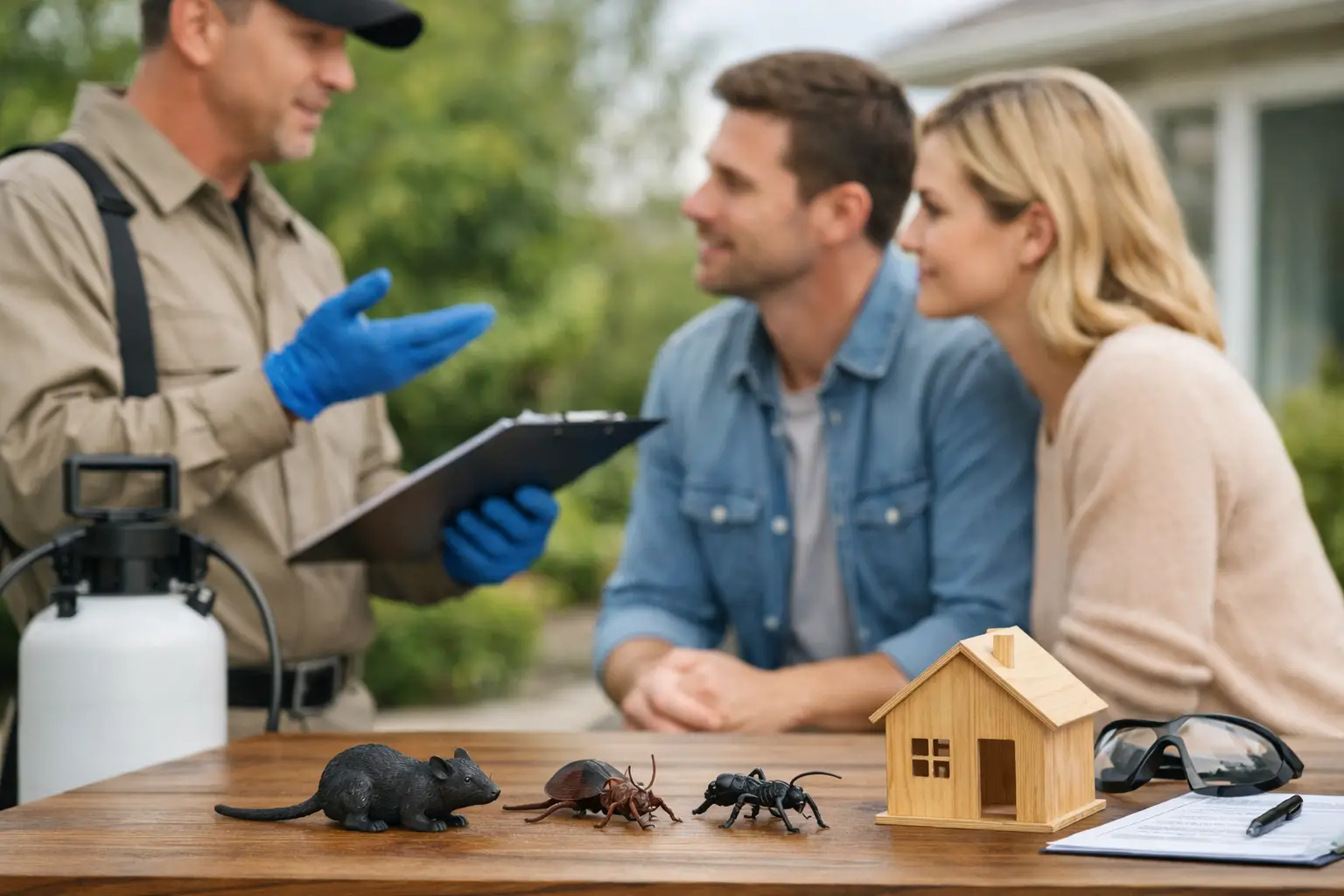
A single ant trail across the kitchen counter can be irritating. Scratching sounds in the attic, a wasp nest near the entry, or rodent evidence in a pantry calls for a more urgent response. The best pest control plan options are not always the biggest package or the fastest spray. They are the plans that match the pest, the property, the level of activity, and the protection your family, tenants, employees, or customers need.
For Ohio homes and commercial facilities, pest pressure changes with the season. Ants and stinging insects become active in warmer months. Mice and rats seek shelter as temperatures drop. Bed bugs, cockroaches, stored product pests, and termites do not wait for a convenient season. A dependable plan should provide immediate control when a problem is active while addressing the conditions that allow pests to return.
Start With the Problem, Not the Plan Name
Pest control should begin with an inspection and a clear assessment. A technician needs to identify the pest, locate likely entry points, determine where it is nesting or feeding, and evaluate the risk to the building. Treating visible insects without addressing a moisture issue, food source, gap around a utility line, or damaged screen can produce short-lived results.
This is why a customized recommendation matters. A homeowner with a few occasional ants may need a targeted exterior treatment and practical prevention guidance. A restaurant with cockroach activity requires a much more detailed program involving sanitation review, focused treatment, monitoring, documentation, and scheduled follow-up. The right scope depends on the evidence, not assumptions.
Best Pest Control Plan Options for Homes
Residential service usually falls into three useful categories: one-time treatment, seasonal prevention, and year-round pest management. Each has a place, and the best choice depends on whether you are solving a current infestation or preventing the next one.
One-time treatment for a specific pest problem
A one-time service is often appropriate when the issue is isolated and clearly identified. Examples include a newly discovered yellow jacket nest, a single mouse sighting, an ant invasion after heavy rain, or a spider problem around the exterior of the home. The service should include inspection, treatment tailored to the pest, and recommendations for reducing the chance of repeat activity.
One-time treatment can be a practical choice for homeowners who rarely experience pest issues. However, it may not be enough for pests with hidden nests, multiple life stages, or ongoing access to the structure. Rodents, bed bugs, German cockroaches, termites, and persistent ant species frequently require follow-up visits. A professional should be direct about that expectation before treatment begins.
Seasonal prevention for predictable pests
A seasonal plan focuses on the pests most likely to become active during particular times of year. In Ohio, that may include perimeter protection for ants and spiders in spring, mosquito reduction during warm weather, and stinging insect management around outdoor living areas.
This option works well for homeowners who want fewer surprises without committing to service for every pest category. A technician can apply targeted exterior treatments, inspect common entry areas, and identify conditions such as standing water, vegetation touching the structure, or cracks around doors and windows. Seasonal plans are especially valuable before graduation parties, outdoor gatherings, or the summer months when patios and yards see more use.
Year-round pest management for ongoing peace of mind
A year-round plan is built for homes that need consistent protection. Scheduled visits allow the technician to respond to seasonal shifts, monitor recurring trouble areas, and keep exclusion and prevention work moving forward. Many plans include coverage for common household pests, with specialty pests handled through separate treatment protocols when needed.
The strongest value of ongoing service is not simply routine treatment. It is the ability to detect changes early. Fresh rodent droppings in a garage, a gap developing around siding, or a new ant trail can be addressed before activity becomes a larger infestation. For families with children and pets, discuss treatment locations, product choices, re-entry guidance, and lower-impact or organic options with the provider. Safety should be planned, not treated as an afterthought.
Specialty Plans Need Pest-Specific Methods
Some pests should never be handled with a generic approach. Bed bugs require careful inspection, targeted treatment, preparation instructions, and follow-up verification. Termite protection may involve monitoring, baiting, soil treatment, or a combination of methods based on construction and infestation findings. Wildlife, bats, and birds require humane exclusion practices and attention to applicable regulations.
Mosquito plans also deserve realistic expectations. Yard treatments can reduce mosquito activity around a property, but they work best alongside source reduction. Removing containers that hold water, maintaining gutters, and correcting drainage problems help limit breeding sites. No legitimate provider should promise that an outdoor treatment will eliminate every mosquito from a neighborhood.
Rodent service should combine trapping or removal with exclusion. If mice can enter through an opening near a foundation, roofline, garage door, or utility penetration, treatment without sealing that route leaves the home vulnerable. Effective service identifies the access point and provides a path to correcting it.
Commercial Pest Management Is a Different Standard
Commercial properties need more than a response when someone spots a pest. Food facilities, health care environments, warehouses, multifamily properties, offices, retail locations, and manufacturing operations all have different pressures, regulations, and reputational risks. The right commercial plan is structured around prevention, documentation, rapid communication, and audit readiness.
A commercial program should establish a service schedule based on the facility and its risk level. A warehouse handling food products may require regular inspection of docks, storage areas, receiving zones, and exterior perimeters. A property management company may need a coordinated approach that addresses individual units, common areas, waste handling, landscaping, and resident communication.
Look for a provider that can deliver clear service reports, trend information, sanitation and exclusion recommendations, and responsive escalation when activity is found. For multi-location organizations, consistent procedures and account oversight become essential. Apex Pest Control supports commercial programs with trained field technicians, account management, quality assurance, and the reporting structure businesses need to protect operations.
What to Compare Before You Choose a Plan
Price matters, but the lowest initial quote can become expensive if it excludes follow-up service, does not address the true pest, or leaves structural access points untouched. Compare what the plan actually includes and how the provider will measure success.
Ask whether the service begins with a thorough inspection, what pests are covered, how often visits occur, and what happens if activity returns between scheduled services. Confirm whether specialty pests such as termites, bed bugs, mosquitoes, wildlife, or stinging insects require separate plans. You should also understand any preparation steps you must complete and whether exclusion repairs are included, recommended, or quoted separately.
For commercial clients, ask about documentation, emergency response, service consistency across locations, compliance support, and the experience of the technicians assigned to the account. A good pest management partner will explain the program in plain language and make recommendations that fit the facility instead of forcing every location into the same template.
When a Preventive Plan Is Worth It
Prevention is most valuable when the cost and disruption of an infestation are high. That can mean a homeowner who has dealt with recurring mice every fall, a family that regularly finds ants in the kitchen, or a property near wooded areas where stinging insects and wildlife are common. It also applies to businesses where one pest sighting can lead to lost customer confidence, failed inspections, product damage, or operational delays.
A preventive plan is not a substitute for good property maintenance. Keep food properly stored, repair leaks, manage clutter, maintain exterior landscaping, and close gaps that give pests easy access. Professional service is most effective when it is paired with these practical steps.
The right pest control plan should leave you with more than a treated surface. It should give you a clear answer about what was found, what will be done, what you can do next, and who will respond if the problem changes. That is the kind of protection that makes a home or facility easier to manage and far less inviting to pests.