


Over one third of American homes will face a pest problem this year, putting Ohio families and pets at unnecessary risk. Every Ohio homeowner wants a safe haven, but traditional treatments often introduce harsh chemicals harmful to people and the ecosystem. Discover how eco-friendly pest prevention provides lasting peace of mind by prioritizing your family’s well-being and keeping homes resistant to common pests like ants, spiders, and rodents.
Table of Contents
- Preventative Pest Treatment Defined
- Types of Residential Treatments Explained
- Eco-Friendly Pest Control For Families
- How Ongoing Protection Works
- Costs And Risks Homeowners Should Know
Key Takeaways
| Point | Details |
|---|---|
| Preventative Pest Treatment | A proactive method that stops pest problems before they start by creating an inhospitable environment. |
| Types of Treatments | Four main strategies—Physical, Biological, Chemical, and Cultural—offer comprehensive pest management tailored to specific challenges. |
| Eco-Friendly Approaches | Focus on minimizing health risks and environmental impacts while effectively managing pest populations using natural methods. |
| Cost Considerations | Understand both direct and indirect costs associated with pest control to make informed decisions about treatment options. |
Preventative Pest Treatment Defined
Preventative pest treatment represents a proactive strategy designed to stop pest problems before they gain a foothold in Ohio homes. Unlike reactive approaches that respond after an infestation occurs, this method focuses on creating an environment that naturally discourages pest populations from establishing themselves. Preventive strategies emphasize ecosystem health and resilience by targeting potential entry points, eliminating attractive conditions, and implementing systematic monitoring techniques.
The core principles of preventative pest treatment involve several strategic components. These include comprehensive sanitation practices, physical exclusion methods, careful landscape management, and consistent environmental modifications that make residential spaces less hospitable to unwanted insects and wildlife. By understanding pest behavior and identifying potential vulnerabilities in a home’s structure, Ohio homeowners can create robust defense systems that significantly reduce the likelihood of substantial pest invasions.
Effective preventative treatment requires a multifaceted approach that goes beyond simple surface-level interventions. Accurate pest identification and ongoing monitoring are fundamental to catching potential outbreaks early, allowing homeowners to address emerging risks before they become significant problems. This means regularly inspecting potential entry points, maintaining clean and organized spaces, managing moisture levels, and understanding the specific pest pressures unique to Ohio’s residential environments.
Pro Tip: Home Defense Preparation: Conduct a comprehensive perimeter inspection of your home twice annually, focusing on sealing potential entry points, trimming vegetation near your foundation, and removing moisture-prone areas that could attract pests.
Types of Residential Treatments Explained
Residential pest treatments represent a comprehensive approach to managing and preventing unwanted pest populations in Ohio homes. Comprehensive residential pest management includes multiple strategic intervention methods designed to address specific pest challenges while minimizing environmental impact. These treatments range from preventative strategies to targeted interventions that address immediate pest concerns.
The primary types of residential treatments can be categorized into four distinct approaches. Physical strategies involve sealing potential entry points, eliminating food and water sources, and creating physical barriers that prevent pest access. Biological controls leverage natural predators or microbial solutions to manage pest populations without chemical interventions. Chemical treatments are carefully applied targeted solutions used when other methods prove insufficient. Cultural practices focus on modifying home environments to make them less attractive to pests through sanitation and strategic landscape management.
Integrated pest management (IPM) combines these approaches to create a holistic pest control strategy, emphasizing prevention and minimal chemical intervention. This method prioritizes understanding pest behaviors, identifying specific vulnerabilities in residential environments, and implementing the most appropriate and least invasive treatment techniques. For Ohio homeowners, this means developing a nuanced approach that adapts to specific pest pressures, home structures, and environmental conditions.
Pro Tip: Treatment Selection Strategy: Consult with professional pest control experts who can conduct a comprehensive home assessment and recommend a customized treatment plan tailored to your specific residential environment and pest challenges.
Here’s a comparison of residential pest treatment strategies and their core benefits:
| Strategy Type | Main Method | Effectiveness Level | Impact on Environment |
|---|---|---|---|
| Physical | Entry sealing, barriers | High | Minimal |
| Biological | Natural predators | Moderate | Low |
| Chemical | Targeted pesticides | Very High | Moderate to High |
| Cultural | Sanitation, landscape | Moderate | Minimal |
Eco-Friendly Pest Control for Families
Science-based eco-friendly pest control strategies prioritize protecting Ohio families by minimizing health risks and environmental impacts while effectively managing pest populations. These approaches focus on prevention, using intelligent and sustainable methods that go beyond traditional chemical treatments. By understanding pest behaviors and ecosystem interactions, homeowners can develop comprehensive strategies that safeguard both their living spaces and their family’s well-being.
Eco-friendly pest management involves several key principles. Physical prevention includes sealing potential entry points, removing attractive food sources, and creating barriers that discourage pest intrusion. Biological controls leverage natural predators and beneficial organisms to manage pest populations without harsh chemicals. Natural repellents utilize plant-based solutions and environmentally conscious techniques that disrupt pest habitats while maintaining a safe household environment. These methods prioritize long-term pest management over quick but potentially harmful chemical interventions.
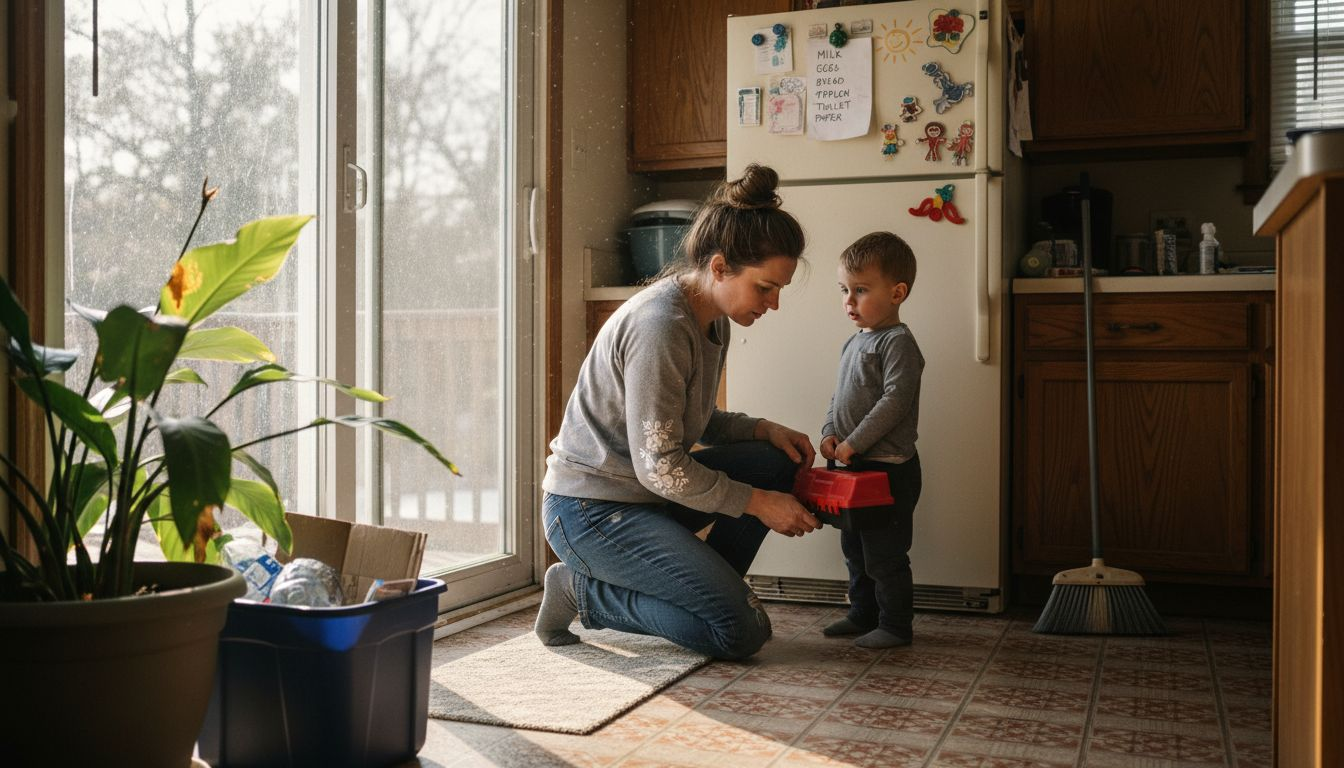
The most effective eco-friendly approaches combine multiple strategies tailored to specific household needs. Research-backed guides recommend minimizing human and environmental exposure through systematic prevention, mechanical interventions, and carefully selected treatments. Ohio families can implement these strategies by maintaining clean environments, reducing moisture, sealing potential entry points, and working with professional pest management experts who understand local ecological conditions and sustainable control methods.
Pro Tip: Natural Defense Planning: Create a seasonal home maintenance checklist that includes inspecting potential pest entry points, managing landscape vegetation, and implementing natural deterrent strategies before pest problems become established.
How Ongoing Protection Works
Integrated pest management (IPM) provides a comprehensive approach to long-term home protection that goes far beyond traditional pest control methods. This strategic system focuses on continuous monitoring, prevention, and adaptive interventions designed to create a sustained barrier against pest invasions. Unlike reactive treatments that address problems after they emerge, ongoing protection proactively manages potential risks before they become significant challenges for Ohio homeowners.
The core of ongoing pest protection involves several critical components. Seasonal inspections help identify potential vulnerabilities in home environments, tracking pest activity patterns and potential entry points. Environmental management includes removing attractive nuisance areas, maintaining proper landscaping, and creating conditions that naturally discourage pest populations. Threshold-based interventions ensure that treatments are applied only when pest populations reach specific trigger points, minimizing unnecessary chemical applications and focusing resources on genuine threats.
Ongoing pest management requires regular vigilance and strategic ecosystem management that adapts to changing environmental conditions. This means developing a dynamic approach that combines physical barriers, biological controls, and targeted treatments. For Ohio residents, this translates to a year-round strategy that considers local climate, seasonal pest behaviors, and specific home characteristics. Professional pest control experts can develop customized protection plans that evolve with changing household needs and environmental conditions.
Pro Tip: Protection Tracking Strategy: Maintain a detailed home pest management log that records seasonal inspections, identified vulnerabilities, and treatment interventions to help track patterns and refine your long-term pest prevention approach.
Costs and Risks Homeowners Should Know
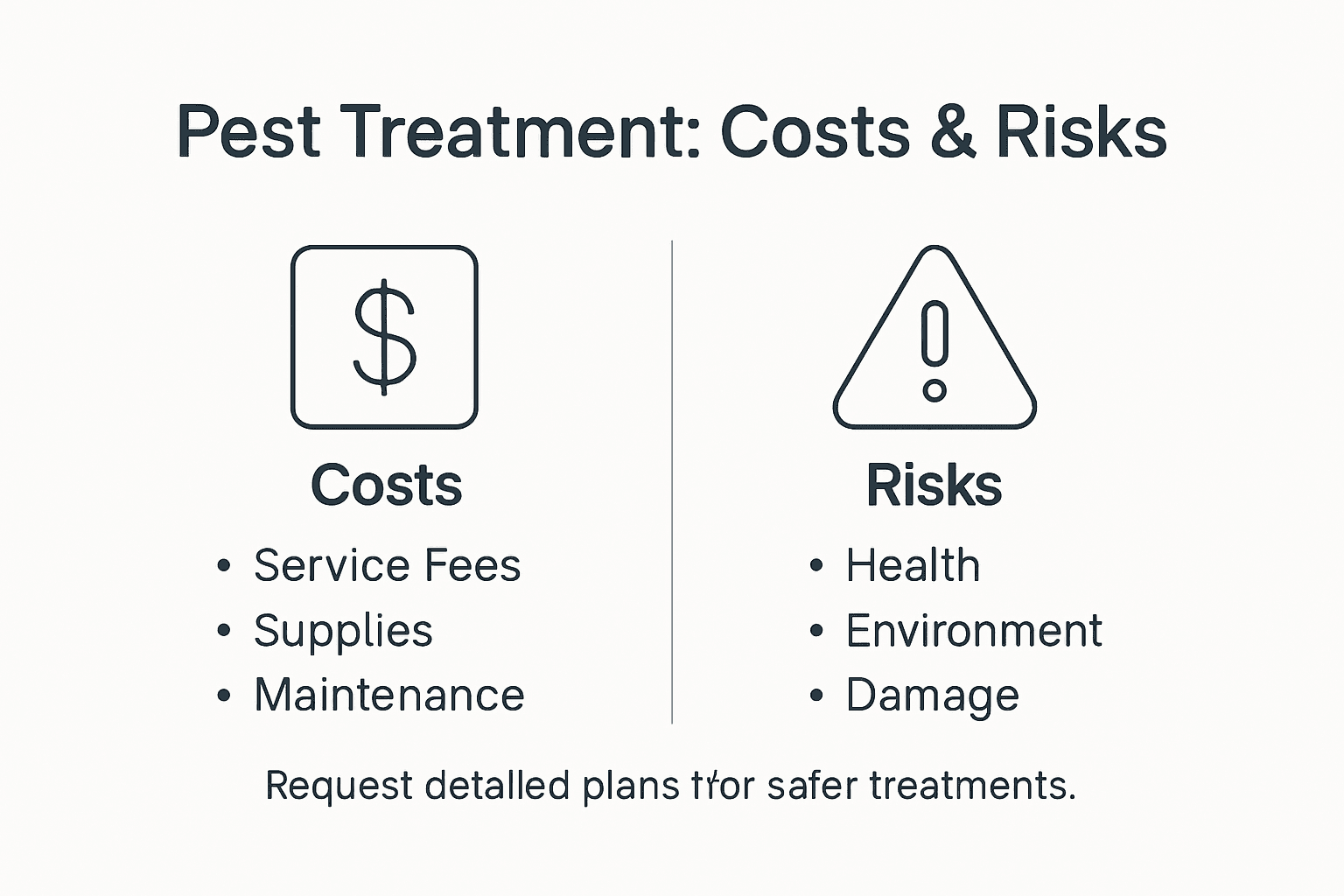
Residential pest control costs vary significantly based on treatment complexity and pest challenges, presenting Ohio homeowners with critical financial and safety considerations. Understanding the nuanced landscape of pest management expenses involves more than simply comparing service prices. Comprehensive protection requires evaluating long-term prevention strategies, potential property damage risks, and the potential health implications of different treatment approaches.
The financial dimensions of pest control extend beyond immediate treatment costs. Direct expenses include professional service fees, product purchases, and potential structural repairs. Indirect costs involve potential health risks, property damage from untreated infestations, and repeated treatments necessitated by incomplete intervention strategies. Professional pest management services often prove more economical in the long term, as they provide targeted, systematic approaches that prevent recurring pest problems and minimize potential structural damages.
Pest control treatments present inherent health and environmental risks that demand careful consideration. Chemical treatments, particularly those applied without professional guidance, can expose families to potential toxins and long-term health complications. Professional pest control services utilize precise application protocols, safety measures, and targeted interventions that minimize human and environmental exposure. Ohio homeowners should prioritize integrated pest management approaches that balance effectiveness, safety, and cost-efficiency.
Pro Tip: Risk Mitigation Strategy: Request comprehensive treatment plans from pest control professionals that include detailed safety protocols, targeted intervention approaches, and clear documentation of applied methods and potential environmental impacts.
A summary of key factors influencing pest control costs and risks:
| Factor | Description | Homeowner Impact |
|---|---|---|
| Direct Expenses | Service fees and product costs | Immediate budget needs |
| Indirect Costs | Health risks, property damage | Long-term financial risk |
| Professional Value | Customized, targeted intervention | Reduced recurrence |
| Safety Protocols | Measures to protect people, pets | Minimizes hazards |
Proactive Pest Protection Starts with Apex Pest Control
Preventative pest treatment is all about stopping pests before they invade your Ohio home. If you want to reduce costly damages and protect your family from health risks associated with infestations, then targeted actions like sealing entry points, managing moisture, and ongoing monitoring are essential. At Apex Pest Control, we understand these challenges and provide customized, eco-friendly solutions designed to create lasting defenses.
Don’t wait until pests take over. Explore our Uncategorized Archives – Apex Pest Control to learn about various tailored treatments including Mosquito Prevention, Flea & Tick Services, and more. Ready to safeguard your home with a professional and courteous service that prioritizes your family and the environment? Get your free assessment today at Apex Pest Control Free Quote and begin your home’s defense plan now.
Frequently Asked Questions
What is preventative pest treatment?
Preventative pest treatment is a proactive strategy aimed at preventing pest infestations before they occur, focusing on creating an environment that discourages pests from becoming established in the home.
How can I identify potential entry points for pests?
You can identify potential entry points by conducting a comprehensive perimeter inspection of your home, looking for cracks, gaps, or openings in the foundation, windows, and doors that could allow pests to enter.
What are the main components of a preventative pest treatment strategy?
The main components include comprehensive sanitation practices, physical exclusion methods, landscape management, and ongoing monitoring to create hostile conditions for pests.
How often should I perform home inspections for pest prevention?
It is advisable to conduct home inspections at least twice annually to identify vulnerabilities, seal entry points, and maintain a pest-resistant environment.