



TL;DR:
- Bed bugs are nocturnal hitchhikers that feed on humans and hide in various household cracks.
- Early detection, professional treatment, and preventive measures are essential for effective control.
- DIY methods may help small infestations but professional services are more reliable for severe cases.
Bed bugs have made a quiet and relentless comeback across Ohio, and Oakwood is no exception. What surprises most residents is that these insects couldn’t care less about how clean your home is. They don’t feed on crumbs or dirt. They feed on you. That means a spotless bedroom is just as vulnerable as any other space, which is exactly why so many Oakwood homeowners are caught off guard when they find the telltale signs on their mattresses and baseboards. This guide walks you through everything you need to know: how to identify an infestation, what control methods actually work, and how to prevent them from coming back.
Table of Contents
- Understanding bed bugs: The basics Oakwood residents need
- Early signs of a bed bug infestation and how to spot them
- Bed bug control methods: DIY vs. professional help in Oakwood
- Preventing future bed bug outbreaks in Oakwood homes
- Our take: What most Oakwood homeowners get wrong about bed bug control
- Get professional bed bug control help in Oakwood today
- Frequently asked questions
Key Takeaways
| Point | Details |
|---|---|
| Early detection is critical | Spotting the first signs of bed bugs makes removal much easier and less costly. |
| DIY has limits | Home methods can help small infestations, but bigger ones need professional intervention. |
| Prevention saves money | Regular inspections and smart habits stop expensive and recurring infestations. |
| Oakwood-specific solutions work best | Local professionals know the tricks and tools that succeed in Oakwood homes. |
Understanding bed bugs: The basics Oakwood residents need
Before you can fight something, you need to know what you’re dealing with. Bed bugs are small, reddish-brown insects about the size of an apple seed when fully grown. They’re flat, oval-shaped, and become darker and more balloon-like after feeding. Their small size and preference for tight, dark spaces make them incredibly difficult to spot until an infestation is well underway.
The lifecycle of a bed bug moves in stages: egg, nymph (which has five distinct growth stages), and adult. A single female can lay one to five eggs per day, and those eggs hatch in about a week under warm conditions. Each nymph must feed at least once before molting to the next stage, and the entire cycle from egg to adult can take as little as five weeks in ideal conditions. This rapid progression is what turns a small problem into a household crisis so fast.
In Oakwood homes, bed bugs tend to hide in very specific places:
- Mattress seams and box springs
- Cracks in bed frames and headboards
- Behind baseboards and electrical outlet covers
- Inside furniture seams, especially couches and chairs
- Along carpet edges near walls
- Inside clothing and cluttered storage areas
One of the most persistent myths we hear is that only dirty or neglected homes attract bed bugs. That’s simply not true. These pests are hitchhikers. They hitch rides on luggage, furniture, and clothing, making urban transfers extremely common. A stay in a hotel, a secondhand couch from a garage sale, or even a ride in a rideshare vehicle can introduce bed bugs into an otherwise pristine Oakwood home.
Pro Tip: Before bringing any used furniture into your home, inspect every seam, joint, and crevice carefully in bright light. Even a single pregnant female can start a full infestation within weeks.
Understanding identifying bed bugs correctly is the first step, because many residents confuse them with other insects and waste time treating the wrong pest entirely. Knowing what you’re facing from the start saves you weeks of frustration.
Early signs of a bed bug infestation and how to spot them
Catching a bed bug infestation early can mean the difference between a manageable situation and a months-long ordeal. The problem is that early signs are easy to overlook or misattribute. Here’s how to do a proper check before things get out of hand.
Follow these steps to inspect your home systematically:
- Start with your bed. Pull back all bedding and examine the mattress surface, paying close attention to seams, tufts, and labels.
- Look for small, dark rust-colored stains on the mattress or sheets. These are bed bug excrement or crushed bugs.
- Check the box spring by removing the dust cover from the bottom and shining a flashlight inside.
- Move to your bed frame and headboard. Inspect every crack, screw hole, and joint.
- Examine nearby furniture including nightstands and dressers, especially the joints and drawer slides.
- Look along baseboards and behind electrical outlet covers near the bed.
- Check any luggage, bags, or clothing stored near the sleeping area.
“Common early signs include red welts on skin, small dark stains on bedding, and tiny white eggs in crevices.” This is often the first real evidence residents encounter before they even spot a live bug.
Beyond the visual clues, you may notice a faint musty or sweet odor in a heavily infested room. It’s often described as similar to coriander or overripe berries. Most people don’t notice it until the population is significant, which is yet another reason early detection matters so much.

Many Oakwood residents also mistake bed bug bites for mosquito bites, allergic reactions, or even spider bites. Understanding bed bug bite identification helps you act faster. Bed bug bites often appear in clusters or a line, called “breakfast, lunch, and dinner” patterns by pest professionals, and they tend to be intensely itchy without a visible puncture wound like a bee sting would leave.
Knowing the indicators of bed bugs gives you a clear framework for inspection rather than guessing. Early action typically keeps treatment costs lower and limits the spread to other rooms or neighboring units in apartment buildings.
Bed bug control methods: DIY vs. professional help in Oakwood
Once you’ve confirmed an infestation, you face a real decision: handle it yourself, or call in a professional. Both paths have merit, but they don’t work equally well in every situation.
Popular DIY methods include:
- High-heat washing and drying of all bedding, clothing, and soft items (dryer at high heat for at least 30 minutes)
- Thorough vacuuming of mattresses, floors, baseboards, and furniture, followed by sealing and disposing of the vacuum bag immediately
- Mattress and box spring encasements that trap bugs inside and prevent new ones from settling
- Steam cleaning surfaces, since bed bugs die at temperatures above 120°F
- Over-the-counter chemical sprays and diatomaceous earth applied to hiding areas
DIY approaches can work well for very early, localized infestations. If you catch them before they spread beyond one room and you’re disciplined about the process, you can reduce or even eliminate a small population. The challenge is that bed bugs are exceptional at hiding. Missing even a small cluster of eggs or a pocket of nymphs behind a baseboard means the infestation returns within weeks.
According to the bed bug elimination guide, professional treatments are more effective for moderate to severe infestations. Professionals use a combination of tools and techniques including whole-room heat treatments that raise temperatures uniformly throughout the space, targeted chemical applications, and integrated pest management (IPM) strategies that address the root cause rather than just the visible bugs.
| Method | Speed | Cost | Effectiveness | Risk |
|---|---|---|---|---|
| DIY vacuuming | Fast | Low | Low to moderate | High (missing eggs) |
| Over-the-counter sprays | Moderate | Low | Low to moderate | Moderate (chemical misuse) |
| Steam cleaning | Moderate | Low to medium | Moderate | Low |
| Professional heat treatment | Fast | High | Very high | Very low |
| Professional chemical treatment | Moderate | Medium to high | High | Low |
| Integrated pest management | Slow | Medium | Very high | Very low |
Pro Tip: If you’ve already tried one or two DIY rounds and bugs keep coming back, stop spending money on products and call a professional immediately. Each failed treatment cycle allows the infestation to grow and spread further, making the eventual professional treatment more complicated and expensive.
Learning about preventing bed bugs should happen alongside treatment, not after. Many homeowners focus entirely on killing existing bugs while unknowingly reintroducing them through secondhand items or travel.
Preventing future bed bug outbreaks in Oakwood homes
Beating a bed bug infestation once is a victory, but it means very little if you’re not actively working to prevent the next one. Oakwood homes and apartment complexes face ongoing risk, especially in densely populated areas where units share walls and common spaces.
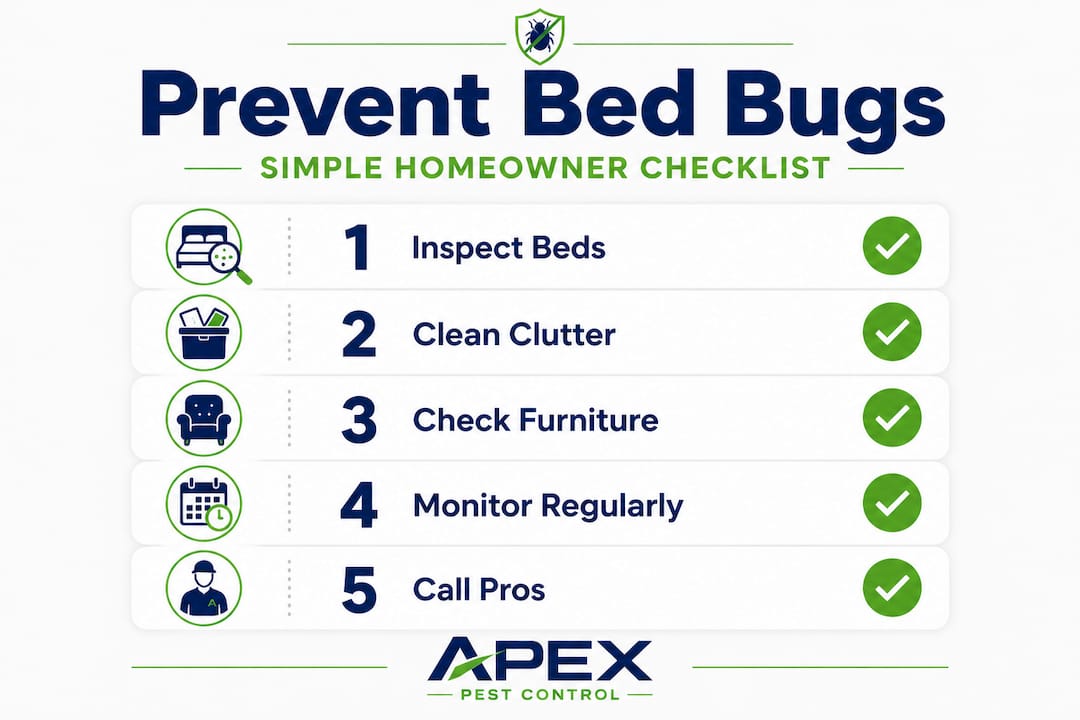
Core prevention habits for Oakwood residents:
- Inspect all secondhand furniture and clothing before bringing them inside
- Use protective encasements on mattresses and box springs permanently
- Reduce clutter throughout the home, especially in bedrooms and storage areas
- Seal cracks in walls, baseboards, and around pipes
- Install door sweeps and check weather stripping regularly
- Wash and dry travel clothing immediately after returning home
Traveling is one of the biggest risk factors for Oakwood households. When you stay in a hotel or vacation rental, inspect the mattress seams, headboard, and luggage rack before settling in. Store luggage on metal racks rather than on the floor or bed. When you get home, frequent inspections and reducing clutter lower the risk of reinfestations significantly.
Here’s a practical room-by-room prevention checklist for Oakwood homes:
| Room | Prevention action | Frequency |
|---|---|---|
| Bedroom | Inspect mattress seams and bed frame | Monthly |
| Living room | Check upholstered furniture seams | Monthly |
| Entryway | Inspect luggage and bags after travel | Every trip |
| Closets | Reduce clutter, check stored items | Quarterly |
| Laundry area | Wash travel items immediately on high heat | After every trip |
For Oakwood properties at higher risk, such as apartment buildings, rental homes with frequent tenant turnover, or homes near hospitality districts, preventative pest treatment services offer scheduled professional monitoring. This is particularly valuable because it catches problems before they become expensive emergencies.
There are genuinely compelling reasons to hire pest professionals for preventive monitoring, not just active infestations. A trained technician can spot early signs that most homeowners miss entirely, often catching a problem when it’s still limited to a single area.
Our take: What most Oakwood homeowners get wrong about bed bug control
Here’s the uncomfortable truth we’ve learned after decades of treating Oakwood homes: most people wait too long, try too many DIY solutions first, and then call us when the problem has already multiplied beyond what a simple treatment can fix quickly.
The real issue is a misunderstanding of how resilient bed bugs actually are. Many homeowners underestimate the resilience of bed bugs and over-rely on DIY methods. Bed bugs can survive for months without feeding. They can withstand many over-the-counter pesticides because populations have developed chemical resistance over generations. They hide in places that sprays and vacuums simply cannot reach. A single missed egg cluster restarts the cycle.
We’ve also seen well-meaning homeowners in Oakwood discard expensive mattresses, move furniture to other rooms, and unknowingly spread the infestation throughout the house in the process. Bed bugs follow their food source, which is you. Moving furniture to escape them just creates new infestation zones.
The most cost-effective approach, based on real experience treating Ohio homes, is a layered one: professional assessment first, targeted treatment based on actual infestation scope, and then consistent preventive monitoring. Homeowners who invest in a proper professional evaluation upfront almost always spend less money overall than those who spend months on ineffective products before calling for help.
Reviewing the best bed bug treatments available in 2026 makes it clear that professional-grade solutions, particularly whole-room heat treatments, consistently outperform consumer options in every meaningful metric. The gap in effectiveness is not small. It’s significant.
The other thing Oakwood residents often overlook is the psychological toll. A bed bug infestation disrupts sleep, causes anxiety, and strains household relationships. Resolving it quickly and thoroughly through professional intervention isn’t just about killing insects. It’s about getting your peace of mind back.
Get professional bed bug control help in Oakwood today
If you’re dealing with a bed bug problem in Oakwood or simply want to make sure you stay protected, Apex Pest Control has been helping Ohio homeowners since 1969. Our team brings decades of local experience to every inspection and treatment, which means you get solutions that actually address the scope and specifics of your situation rather than a one-size-fits-all spray. Use our elimination guide for Oakwood to understand your options, and review best local bed bug treatments to see what professional-grade service looks like in practice. Contact us today to schedule a home inspection or request a free quote. Fast, targeted, and backed by more than 55 years of trusted Ohio pest control expertise.
Frequently asked questions
Are bed bugs common in Oakwood, Ohio?
Yes, bed bug issues have become increasingly common in Oakwood and surrounding Ohio communities. Bed bugs hitch rides on luggage or used furniture, making any home a potential target regardless of cleanliness.
How fast can an Oakwood bed bug infestation spread?
Bed bugs can multiply quickly, with eggs hatching in about a week and infestations worsening within a month. Bed bugs progress from eggs to adults in several weeks, compounding infestations rapidly without intervention.
Is it possible to get rid of bed bugs without professional help?
Minor infestations may be managed with careful DIY methods, but professional services deliver the most thorough results. Professional treatments are more effective for moderate and severe infestations where bugs have spread beyond one area.
What should I do after a bed bug treatment in Oakwood?
Continue vigilant cleaning, reduce clutter, and schedule routine inspections to prevent reinfestation. Reducing clutter and consistent inspections help prevent new infestations from taking hold after treatment.
Are bed bug bites dangerous?
While bed bug bites usually aren’t dangerous, they can cause allergic reactions in sensitive individuals. Bed bug bites may lead to itchy welts or allergic responses, and secondary infections can occur from scratching.