



Bold advancements in American pest monitoring now help facility managers in Ohio protect businesses before problems spiral. With regulations growing stricter and pests adapting at an alarming rate, keeping commercial spaces safe requires more than old-fashioned routines. Discover how real-time data, digital sensors, and proactive strategy work together to satisfy compliance, prevent costly infestations, and uphold a standard of health and safety trusted by American property professionals.
Table of Contents
- What Commercial Pest Monitoring Involves
- Types of Pest Monitoring Systems Used
- Integrated Pest Management for Businesses
- Legal and Compliance Standards in Ohio
- Facility Manager Responsibilities and Pitfalls
- Evaluating Costs, Risks, and Alternative Solutions
Key Takeaways
| Point | Details |
|---|---|
| Proactive Pest Management | Implement advanced pest monitoring technologies to detect and manage pest threats before they escalate. |
| Integrated Pest Management (IPM) | Adopt a holistic approach that combines biological, physical, and cultural controls for sustainable pest management. |
| Regulatory Compliance | Ensure adherence to Ohio’s stringent pest control regulations to maintain safety and environmental standards. |
| Cost-Benefit Evaluation | Regularly analyze the costs and risks associated with pest management strategies to enhance economic and environmental effectiveness. |
What Commercial Pest Monitoring Involves
Commercial pest monitoring is a sophisticated strategy designed to proactively track, identify, and manage potential pest threats in business environments. Unlike traditional reactive approaches, this method uses advanced technologies and systematic observations to detect pest populations before they become significant problems. Pest monitoring goes beyond simple extermination, focusing instead on comprehensive prevention and strategic intervention.
The core of commercial pest monitoring involves several critical components, including real-time data collection using advanced technologies like image acquisition devices and deep learning algorithms. These tools help businesses track pest movements, understand population dynamics, and predict potential outbreak risks. By integrating biological data with environmental observations, facility managers can develop precise, targeted pest management strategies that minimize potential damage and economic losses.
Key elements of a comprehensive commercial pest monitoring program typically include:
- Regular site inspections
- Strategic trap placement
- Detailed documentation of pest activity
- Analysis of environmental conditions
- Implementation of preventative measures
The ultimate goal of pest monitoring systems is to establish an early warning mechanism that allows businesses to take proactive steps before pest populations reach critical levels. This approach not only protects physical assets but also ensures compliance with health and safety regulations specific to commercial environments in Ohio.
Pro tip: Implement a quarterly comprehensive pest monitoring review to stay ahead of potential infestations and maintain a proactive pest management strategy.
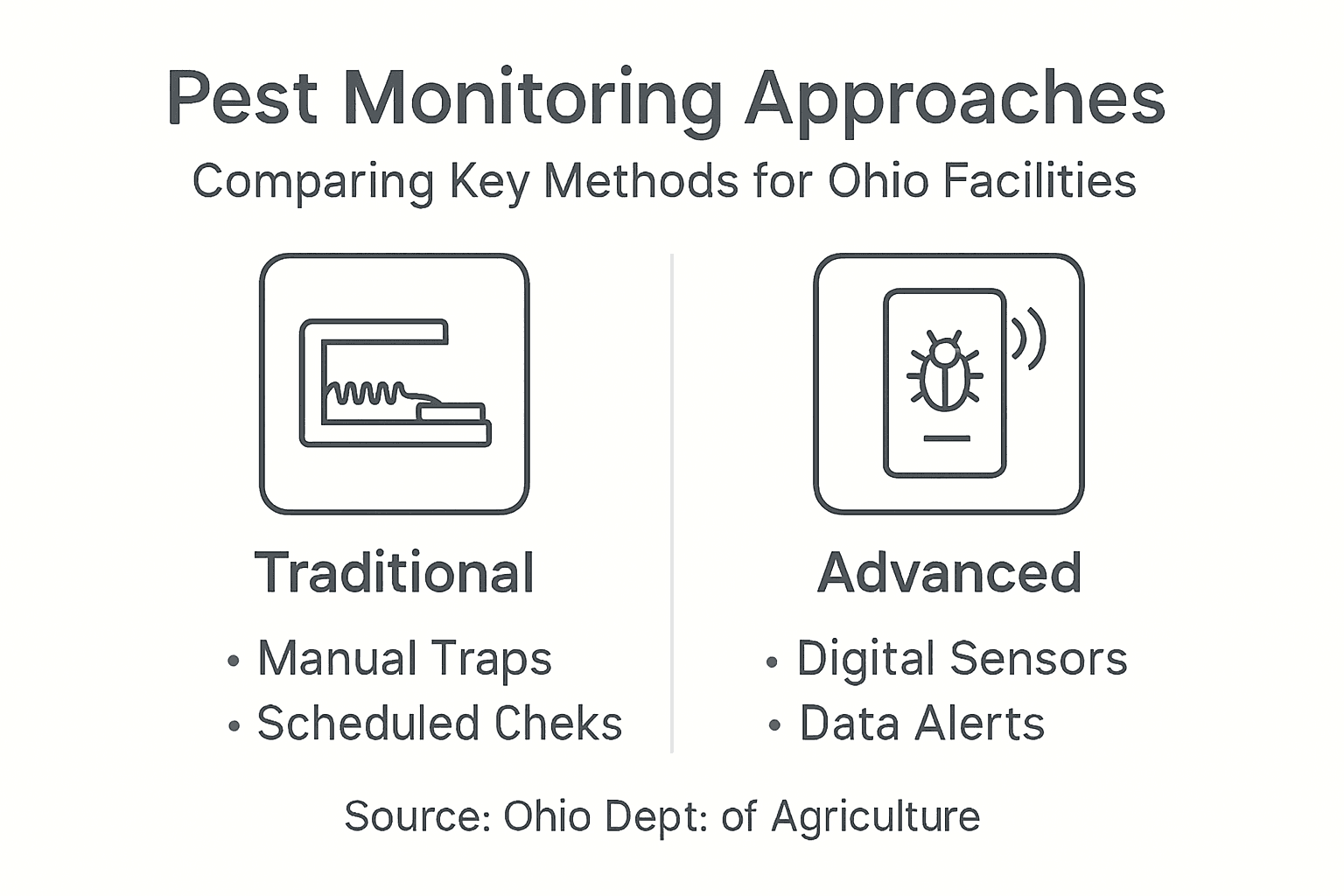
Here is a quick comparison of traditional versus advanced commercial pest monitoring approaches:
| Aspect | Traditional Methods | Advanced Monitoring |
|---|---|---|
| Detection Speed | Reactive, after infestation | Proactive, early warning system |
| Technology Use | Manual inspections only | Digital sensors, AI analysis |
| Data Accuracy | Subjective, less reliable | Quantitative, data-driven insights |
| Intervention | General pesticide application | Targeted, strategic measures |
| Cost Efficiency | Higher long-term costs | Lower costs through prevention |
| Regulatory Compliance | Basic record-keeping | Comprehensive traceability |
Types of Pest Monitoring Systems Used
Pest monitoring systems in commercial environments have evolved dramatically, incorporating sophisticated technologies that go far beyond traditional observation methods. Modern pest monitoring encompasses a range of advanced techniques designed to detect, track, and predict pest populations with unprecedented accuracy. These systems are critical for businesses seeking proactive pest management strategies that minimize potential damage and economic disruption.
Commercial facilities can leverage advanced monitoring technologies that include several key types of monitoring systems:
-
Physical Traps:
- Pheromone traps
- Sticky traps
- Water traps
- Adhesive monitoring stations
-
Digital Monitoring Tools:
- Image acquisition devices
- Deep learning identification algorithms
- Real-time pest population tracking systems
- Environmental condition sensors
The integrated pest monitoring approach adapts these systems to specific environments, considering unique factors such as facility layout, pest species prevalent in Ohio, and potential entry points. By combining multiple monitoring techniques, businesses can create a comprehensive surveillance network that provides early warning signals about potential pest threats.
Technological advancements have transformed pest monitoring from reactive interventions to predictive, data-driven strategies. Sophisticated systems now utilize machine learning algorithms that can analyze trap data, environmental conditions, and historical pest trends to forecast potential infestations before they become significant problems. This approach allows facility managers to implement targeted, efficient pest control measures that are both cost-effective and environmentally responsible.
Pro tip: Invest in a multi-layered pest monitoring system that combines physical traps with digital tracking technologies for maximum detection effectiveness.
Integrated Pest Management for Businesses
Integrated Pest Management (IPM) represents a sophisticated, holistic approach to pest control that goes far beyond traditional extermination methods. Unlike reactive strategies that simply respond to existing pest problems, IPM focuses on comprehensive prevention, environmental understanding, and strategic intervention. This approach transforms pest management from a crisis-response model to a proactive, sustainable system that protects business assets and ecological balance.
Ecosystem-based pest management strategies combine multiple control tactics to minimize pest populations effectively. These strategies typically include:
-
Biological Controls:
- Introducing natural predators
- Utilizing beneficial insects
- Promoting ecological balance
-
Physical Controls:
- Sealing entry points
- Installing barriers
- Managing facility environments
-
Cultural Controls:
- Modifying business practices
- Implementing sanitation protocols
- Training staff on prevention techniques
The long-term pest prevention approach requires deep understanding of pest biology, environmental conditions, and systematic monitoring. For Ohio businesses, this means developing customized strategies that account for regional pest patterns, facility-specific challenges, and regulatory compliance requirements. By emphasizing natural biological controls and minimizing chemical interventions, IPM offers a more sustainable and cost-effective pest management solution.
Pro tip: Develop a comprehensive IPM documentation system that tracks pest activity, intervention strategies, and environmental conditions to continuously improve your pest management approach.
Legal and Compliance Standards in Ohio
Navigating the complex landscape of pest management regulations requires a thorough understanding of Ohio’s stringent legal requirements for commercial pest control operations. Commercial pest control licensing represents a critical component of regulatory compliance, ensuring that businesses maintain the highest standards of professional practice and environmental safety.
Commercial pesticide applicator licensing in Ohio involves comprehensive requirements that businesses must carefully follow:
-
Licensing Requirements:
- Pass state-administered competency examinations
- Complete mandatory continuing education
- Maintain current certification credentials
- Submit detailed application documentation
-
Regulatory Documentation:
- Maintain comprehensive pesticide application records
- Document integrated pest management (IPM) strategies
- Track chemical usage and environmental impact
- Preserve inspection and treatment logs
The Ohio Department of Agriculture’s regulatory framework establishes strict guidelines for pesticide application and pest management practices. These regulations mandate that commercial pest control professionals demonstrate technical knowledge, follow precise application protocols, and prioritize safety for both human environments and ecological systems. Businesses must ensure that all personnel applying pesticides are properly licensed and trained, with ongoing education requirements to maintain certification.
Compliance extends beyond simple licensing, requiring a comprehensive approach to pest management that balances effective control with environmental responsibility. Ohio’s regulations emphasize prevention, minimal chemical intervention, and systematic monitoring to protect public health and business interests.
Pro tip: Schedule quarterly compliance audits to ensure your pest management practices consistently meet Ohio’s evolving regulatory standards.
Facility Manager Responsibilities and Pitfalls
Managing pest control in commercial facilities requires a strategic and comprehensive approach that goes well beyond simple reactive treatments. Facility managers play a critical role in preventing, monitoring, and addressing pest-related challenges, with responsibilities that demand meticulous attention to detail and proactive planning.
Pest control program implementation encompasses several key responsibilities:
-
Environmental Maintenance:
- Prevent pest entry points
- Maintain structural integrity
- Control moisture and sanitation
- Eliminate potential pest habitats
-
Documentation Requirements:
- Track pest sightings
- Record treatment interventions
- Document environmental conditions
- Maintain comprehensive inspection logs
The most significant pitfalls for facility managers often stem from reactive rather than preventative approaches. Systematic record-keeping becomes crucial in identifying potential risk areas, understanding pest movement patterns, and developing targeted intervention strategies. Managers must coordinate closely with pest control professionals, ensuring timely communication and swift action when potential infestations are detected.
Successful pest management requires a holistic approach that integrates environmental control, documentation, staff training, and continuous monitoring. Facility managers must develop comprehensive strategies that address not just immediate pest concerns but also long-term prevention and risk mitigation.
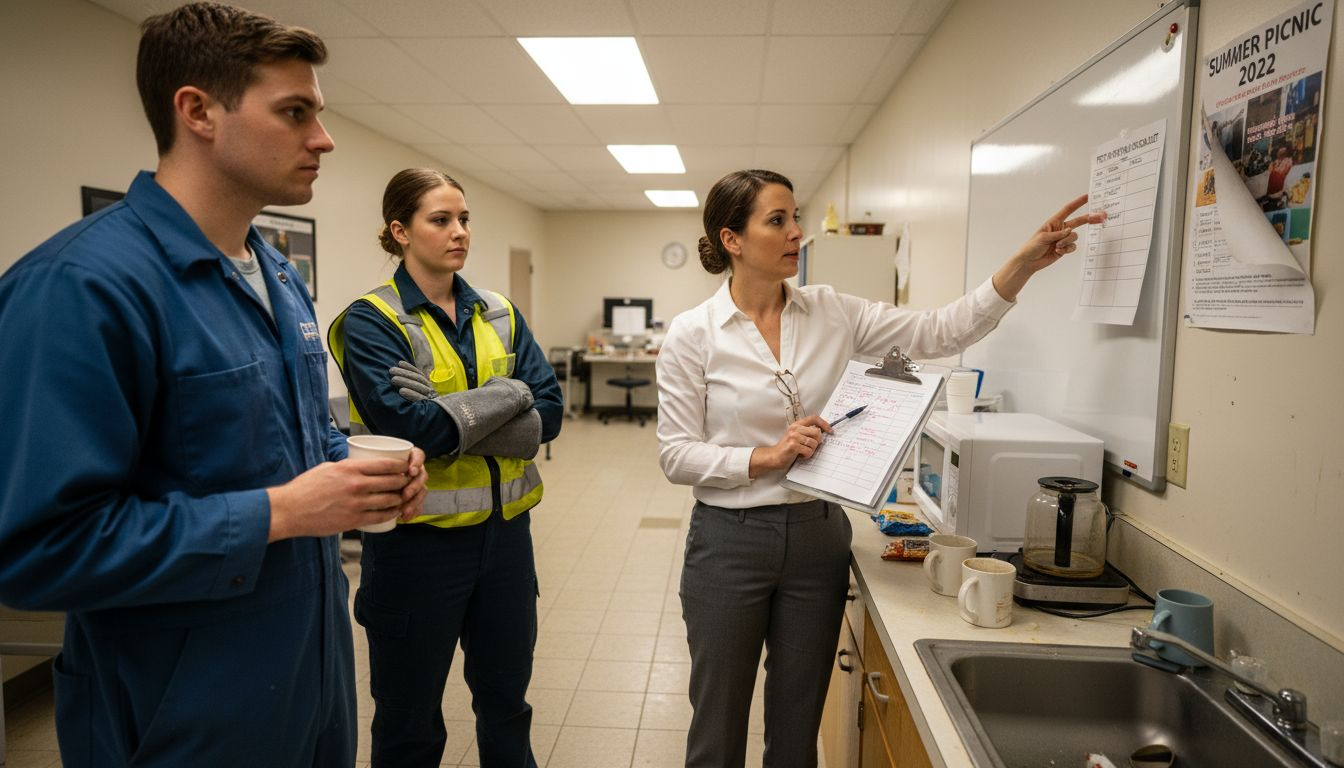
Pro tip: Create a standardized pest management reporting template to streamline documentation and ensure consistent, actionable tracking of pest-related activities.
Evaluating Costs, Risks, and Alternative Solutions
Managing pest control requires a strategic approach that balances economic considerations with comprehensive risk assessment. Cost evaluation in commercial pest management extends far beyond simple treatment expenses, encompassing long-term environmental impact, potential business disruption, and potential health risks associated with different intervention strategies.
Integrated pest management decision-making involves analyzing multiple factors:
-
Economic Considerations:
- Direct treatment costs
- Potential property damage prevention
- Long-term maintenance expenses
- Productivity preservation
-
Risk Assessment Factors:
- Health and environmental impacts
- Pesticide resistance potential
- Non-target species effects
- Regulatory compliance requirements
The comprehensive pest control evaluation demands a nuanced approach that considers multiple alternative solutions beyond traditional chemical treatments. Businesses must explore integrated strategies that combine biological controls, mechanical interventions, and targeted chemical applications to create a holistic pest management framework.
Alternative solutions often provide more sustainable and cost-effective approaches. These might include implementing pest-resistant infrastructure, introducing natural predators, modifying environmental conditions, and developing comprehensive prevention protocols that address root causes of pest populations rather than simply treating symptoms.
Pro tip: Conduct a comprehensive cost-benefit analysis of pest management strategies annually to ensure your approach remains both economically and environmentally effective.
The table below summarizes cost and risk factors when evaluating pest management solutions:
| Factor | Impact on Business | Example Consideration |
|---|---|---|
| Direct Costs | Affects budget planning | Treatment service fees |
| Health/Environment | Influences liability risks | Pesticide safety protocols |
| Prevention Value | Reduces disruption | Preserves facility uptime |
| Regulatory Risk | Ensures legal standing | Compliance with Ohio law |
| Residual Risks | May affect reputation | Recurring infestations |
Stay Ahead with Expert Commercial Pest Monitoring in Ohio
Facing the challenges of early pest detection and prevention in your commercial facility can feel overwhelming. The article highlights key goals such as real-time pest tracking, strategic intervention, and regulatory compliance that are essential for effective pest management. If you are concerned about proactive monitoring, site inspections, and implementing integrated pest management strategies tailored to Ohio’s unique environment, you are not alone.
At Apex Pest Control, we specialize in comprehensive commercial pest management that addresses these exact challenges. Our services combine advanced monitoring technologies with eco-friendly solutions that prioritize safety for people, pets, and the environment. Learn more about how our expert team supports businesses with strategic pest control by visiting our Uncategorized Archives – Apex Pest Control. Ready to protect your facility proactively and maintain compliance? Get your customized plan now by requesting a free quote at Apex Pest Control Free Quote and take the first step towards a pest-free business.
Frequently Asked Questions
What is commercial pest monitoring?
Commercial pest monitoring is a proactive strategy that involves tracking, identifying, and managing potential pest threats in business environments using advanced technologies and systematic observations.
How does pest monitoring differ from traditional pest control methods?
Pest monitoring focuses on preventive measures and early detection of pest populations, using technologies such as digital sensors and AI analysis, while traditional methods are mainly reactive and rely on manual inspections.
What are the key components of an effective commercial pest monitoring program?
An effective program typically includes regular site inspections, strategic trap placement, detailed documentation of pest activity, environmental condition analysis, and implementation of preventative measures.
Why is Integrated Pest Management (IPM) essential for businesses?
IPM is essential for businesses as it offers a comprehensive approach that combines multiple control tactics for sustainable pest management, minimizes chemical use, and enhances compliance with health and safety regulations.