



Commercial properties in Ohio face serious health and compliance challenges when rodents gain access to their facilities. Studies reveal that rodents cause over $19 billion in property damage across American businesses every year. For facility managers, maintaining rigorous rodent control is not just about preventing property loss but also about protecting health standards and meeting strict safety regulations. This guide walks you through practical steps and expert tips to help you stay ahead of these persistent threats.
Table of Contents
- Step 1: Assess Rodent Risks And Identify Entry Points
- Step 2: Develop A Targeted Rodent Control Plan
- Step 3: Implement Preventive And Active Measures
- Step 4: Monitor Treatment Effectiveness And Make Adjustments
- Step 5: Document Results And Ensure Compliance
Quick Summary
| Important Insight | Explanation |
|---|---|
| 1. Conduct Comprehensive Inspections | A thorough inspection identifies potential rodent entry points and signs of activity, essential for effective management. |
| 2. Develop a Tailored Control Plan | An Integrated Pest Management approach allows for a targeted response to specific rodent species and their dynamics. |
| 3. Implement Preventive and Active Strategies | Combining preventive measures, like sealing entry points, with active interventions ensures a robust defense against infestations. |
| 4. Monitor and Adapt Control Measures | Consistent monitoring helps evaluate effectiveness, allowing for timely adjustments to rodent control strategies as needed. |
| 5. Maintain Accurate Documentation | Detailed records of inspections, treatments, and monitoring ensure regulatory compliance and inform strategic pest management decisions. |
Step 1: Assess Rodent Risks and Identify Entry Points
Successfully managing commercial rodent control begins with a comprehensive risk assessment and strategic identification of potential entry points. Your goal is to develop a detailed understanding of how and where rodents might infiltrate your facility.
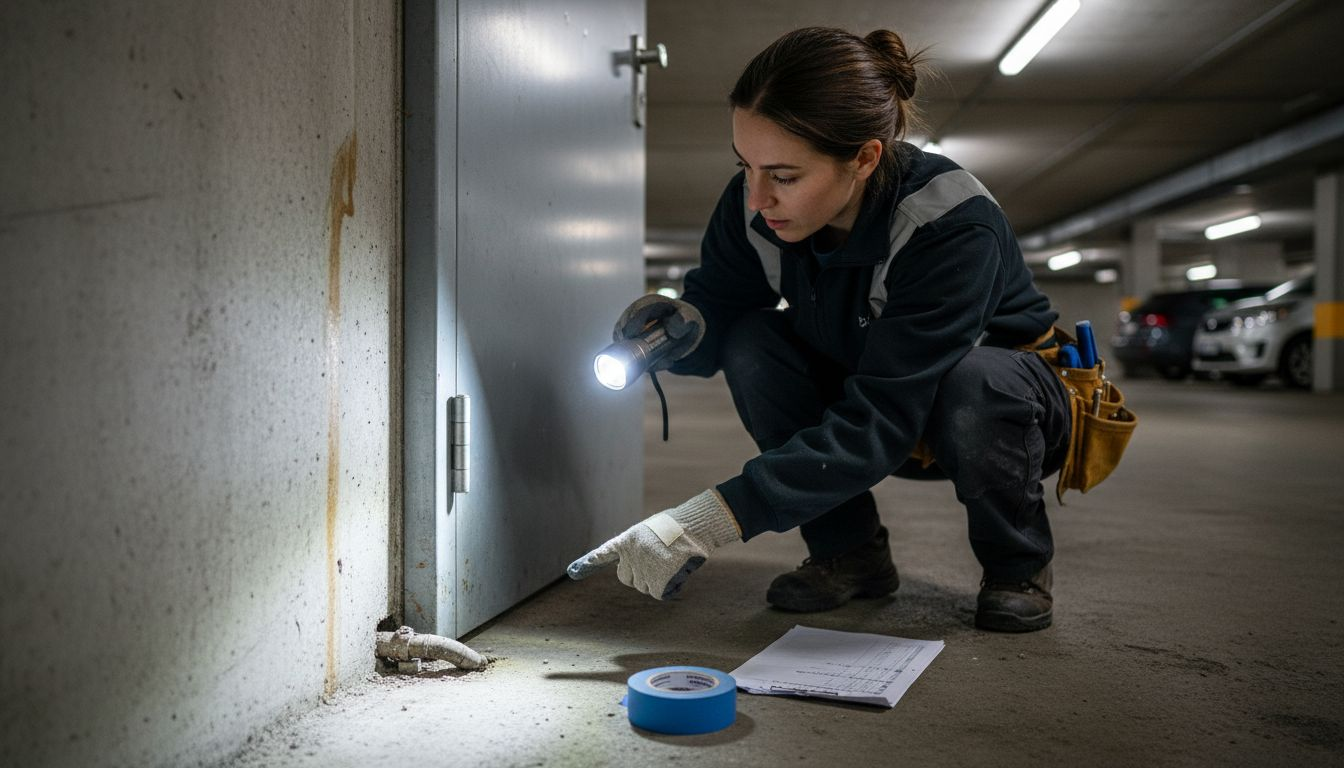
Start by conducting a thorough building inspection, examining every potential access point with meticulous attention. Systematic inspections help identify rodent pathways across your entire facility. Focus on critical areas like utility line penetrations, door frames, roof vents, and structural gaps. Pay close attention to signs of rodent activity such as droppings, gnaw marks, and sebum tracks that indicate established travel routes.
Prioritize a multi stage inspection process that includes daytime and nighttime assessments. During these inspections, evaluate environmental conditions that might attract rodents including accessible food sources, water availability, and potential shelter zones. Carefully measure and document each potential entry point, noting dimensions and material composition. This systematic approach allows you to create a comprehensive map of potential rodent infiltration risks.
Pro Tip: Use a high powered flashlight and wear protective gloves during your initial inspection to maximize safety and visibility of small entry points.
Step 2: Develop a Targeted Rodent Control Plan
Developing an effective targeted rodent control plan requires strategic thinking and comprehensive analysis of your facility’s unique pest management challenges. This critical step transforms your initial risk assessment into a actionable strategy designed to eliminate and prevent rodent infestations.
Implement an Integrated Pest Management approach that balances population control and habitat modification. Begin by precisely identifying rodent species present in your facility and their specific population dynamics. Your plan should incorporate multiple control methods including sanitation protocols, structural exclusion techniques, and targeted population reduction strategies. Focus on understanding the ecological factors that contribute to rodent attraction such as food availability, water sources, and potential nesting environments.
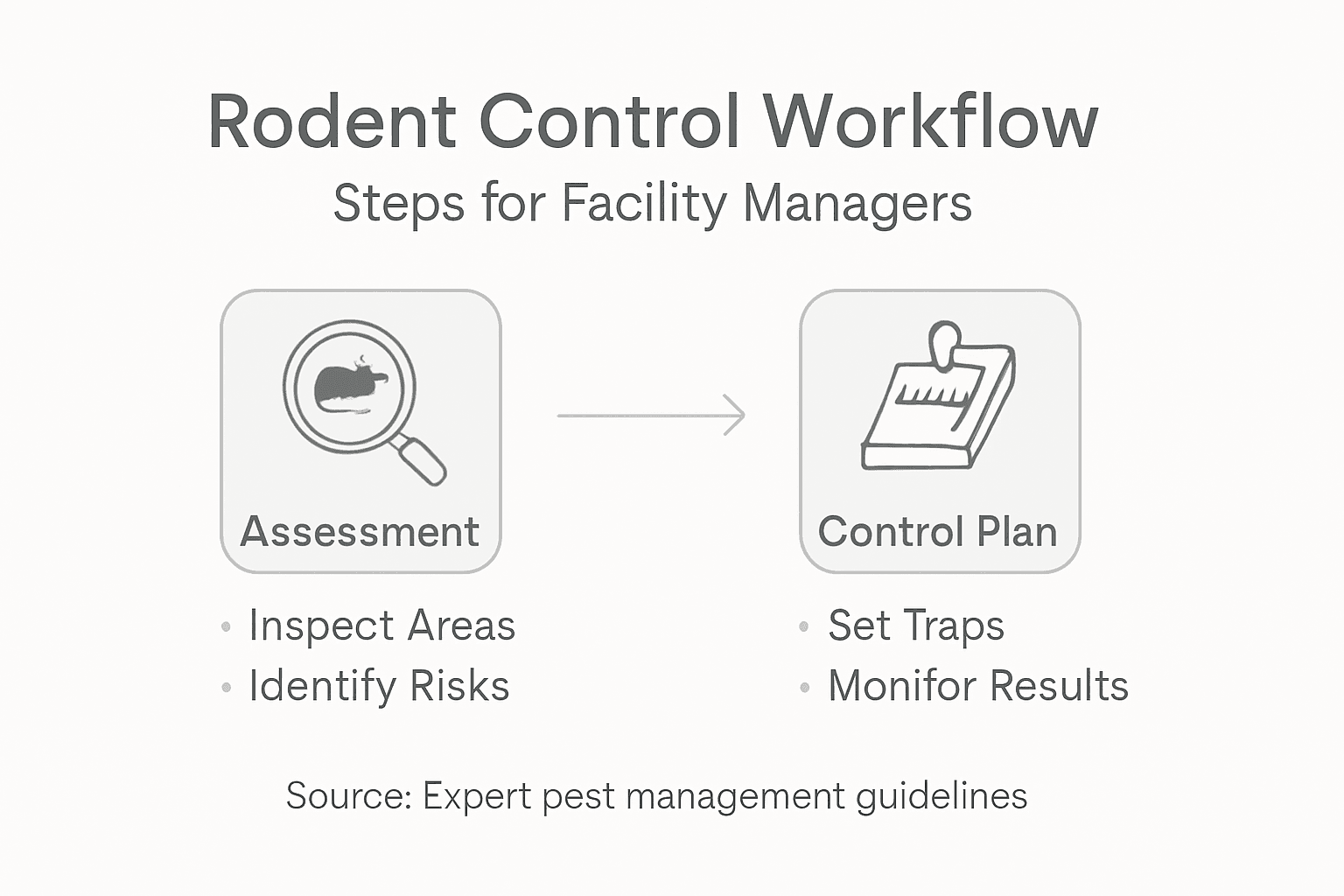
Ensure your rodent control strategy remains flexible and data driven. Regularly monitor and document the effectiveness of implemented interventions, adjusting your approach based on observed outcomes. This might involve rotating control methods, updating exclusion techniques, or modifying environmental conditions that inadvertently support rodent habitation. By maintaining a dynamic and responsive plan, you can significantly reduce long term rodent risks and protect your facility’s structural integrity.
Pro Tip: Document every intervention and its results in a detailed logbook to track the effectiveness of your rodent control strategies and identify emerging patterns.
Step 3: Implement Preventive and Active Measures
Implementing comprehensive rodent control requires a strategic approach that combines preventive techniques and active intervention methods. Your goal is to create a multilayered defense system that stops rodents before they establish a foothold in your facility.
Develop a coordinated strategy that focuses on sanitation, structural maintenance, and targeted control techniques. Begin by thoroughly eliminating potential food sources and reducing harborage areas. This means implementing rigorous cleaning protocols, securing food storage areas, managing waste effectively, and sealing potential entry points. Use durable materials like metal mesh, concrete, and specialized sealants to block potential rodent access points. Strategically place electronic monitoring traps and traditional trapping systems in high risk areas, paying close attention to locations with previous rodent activity.
Establish a continuous monitoring and response protocol that allows for rapid adjustment of your control strategies. Train your staff to recognize early signs of rodent activity and create clear communication channels for reporting potential infestations. Regularly evaluate the effectiveness of your implemented measures, being prepared to rotate control methods or intensify interventions if initial approaches prove insufficient. Your proactive approach will help minimize potential damage and health risks associated with rodent populations.
Here’s a quick comparison of preventive versus active rodent control measures and their distinct impacts:
| Approach Type | Main Focus | Example Actions | Primary Outcome |
|---|---|---|---|
| Preventive | Block access and remove attractants | Seal entry points, food waste management | Minimized risk of infestation |
| Active | Remove existing rodent populations | Trap deployment, baiting strategies | Rapid decrease in rodent numbers |
Pro Tip: Create a detailed map of your facility marking potential entry points and high risk zones to streamline your ongoing rodent control efforts.
Step 4: Monitor Treatment Effectiveness and Make Adjustments
Successful rodent control demands ongoing vigilance and a systematic approach to evaluating your intervention strategies. Your primary objective is to develop a comprehensive monitoring system that allows for real time assessment and rapid adaptation of your control methods.
Implement a comprehensive tracking methodology using multiple observation techniques to gauge treatment effectiveness. This includes visual inspections, technology driven monitoring like wildlife cameras, and careful documentation of rodent activity indicators. Pay close attention to subtle signs such as changes in dropping patterns, feeding marks, and nesting evidence. Analyze these indicators systematically to understand the current status of your rodent population and the immediate effectiveness of your control measures.
Develop a responsive framework that allows for immediate strategic adjustments based on monitoring results. Create a detailed reporting system where facility staff can quickly communicate new rodent activity observations. Schedule regular review meetings to discuss monitoring data, assess the performance of current control strategies, and implement targeted modifications. By maintaining a flexible and proactive approach, you can continuously refine your rodent management techniques to maximize effectiveness and minimize potential facility disruptions.
Pro Tip: Use digital tracking tools and standardized reporting templates to streamline your monitoring process and ensure consistent data collection across different facility zones.
Step 5: Document Results and Ensure Compliance
Documenting your rodent control efforts is a critical component of maintaining a professional and effective pest management program. Your comprehensive documentation serves multiple purposes including regulatory compliance, strategic planning, and continuous improvement of your control methods.
Create a systematic documentation approach that captures every aspect of your rodent control activities. Develop detailed records that include initial inspection findings, treatment applications, monitoring results, and follow up actions. Your documentation should be precise and include specific details such as dates, locations, treatment types, observed rodent activity, and the effectiveness of interventions. Ensure your records are organized in a manner that allows for quick retrieval and analysis during internal reviews or potential regulatory audits.
Establish clear protocols for record keeping that align with local health and safety regulations. Train your facility staff on the importance of thorough and accurate documentation, emphasizing that these records are not just administrative tasks but critical tools for ongoing pest management strategy. Implement digital tracking systems that allow for real time updates, easy data sharing, and comprehensive reporting. By maintaining meticulous and transparent documentation, you create a robust framework for accountability and continuous improvement in your rodent control efforts.
Below is a summary of essential documentation elements for regulatory rodent control compliance:
| Documentation Aspect | Example Detail | Compliance Benefit |
|---|---|---|
| Inspection Records | Entry points and risk mapping | Eases audit and track history |
| Treatment Logs | Dates, methods, products used | Demonstrates responsible management |
| Monitoring Results | Rodent sightings, trap counts | Enables quick response to issues |
Pro Tip: Develop a standardized digital template with predefined fields to streamline documentation and ensure consistent, comprehensive record keeping across all facility zones.
Take Control of Rodent Risks with Expert Commercial Solutions
Managing a rodent problem in your facility requires a detailed and flexible approach that addresses entry points, ongoing monitoring, and effective treatment adjustments. If you are facing challenges like locating hidden infestations or preventing reentry despite your best efforts, you are not alone. Rodent infestations threaten not only property but also the health of your employees and customers. Our team at Apex Pest Control understands the critical importance of comprehensive rodent control workflows tailored for commercial environments.
Partner with professionals who prioritize safety and long term effectiveness. We specialize in building targeted rodent management plans that include sanitation protocol enforcement, structural exclusion, and continuous monitoring. Explore proven strategies and expert pest management services available through our Uncategorized Archives – Apex Pest Control where we address various pest challenges faced by businesses. Don’t let rodents disrupt your facility’s operations or safety standards. Get your customized plan today with a free quote from Apex Pest Control and take the first decisive step towards a rodent-free environment.
Protect your facility now by leveraging expert support designed specifically for commercial spaces. Learn more about how our comprehensive solutions can fit your needs by visiting our main site and reading updates tailored for your pest control goals.
Frequently Asked Questions
How can I assess rodent risks in my facility?
Start by conducting a thorough inspection of your building to identify potential entry points. Look for signs of rodent activity, such as droppings or gnaw marks, and document each finding to create a comprehensive risk map within your facility.
What steps should I take to develop a rodent control plan?
To create an effective rodent control plan, begin by identifying the specific rodent species present within your facility. Implement a mix of sanitation protocols, structural modifications, and targeted control strategies to address the unique challenges of your environment.
How do I monitor the effectiveness of my rodent control measures?
Establish a comprehensive monitoring system that includes regular visual inspections and documentation of rodent activity indicators. Analyze the data periodically to adjust your strategies based on effectiveness, ideally reviewing every 30 days.
What should be included in my rodent control documentation?
Your rodent control documentation should capture all aspects of your activities, including inspection findings, treatment logs, and monitoring results. Organize this information clearly to facilitate quick retrieval and support regulatory compliance.
How can I train my team to recognize rodent activity?
Provide training sessions for your staff focusing on identifying early signs of rodent activity, such as droppings or damage. Use practical examples and encourage consistent reporting to enhance awareness and response times within your facility.
What are some effective preventive measures against rodent infestations?
Implement preventive techniques like sealing entry points, maintaining sanitation, and managing waste effectively. A proactive approach can reduce the risk of infestations by approximately 30% over time.