


Nearly 80 percent of American homeowners report frustration with recurring pest issues, yet many overlook cultural pest control as a safer, smarter alternative. For those concerned about the downsides of chemical treatments, this approach offers real hope. Discover how cultural pest control empowers both American residents and property managers to create healthier environments by using practical, environmentally friendly strategies to prevent unwanted pests.
Table of Contents
- Cultural Pest Control Defined and Debunked
- Key Methods of Cultural Pest Control in Ohio
- How Cultural Practices Impact Pest Populations
- Legal and Environmental Considerations in Ohio
- Common Mistakes and When to Seek Professional Help
Key Takeaways
| Point | Details |
|---|---|
| Cultural Pest Control Definition | A strategic approach to managing pests by modifying environments to prevent pest proliferation without chemicals. |
| Primary Techniques | Methods include crop rotation, managing moisture, and maintaining cleanliness to create inhospitable conditions for pests. |
| Legal Considerations | Ohio regulations emphasize sustainable methods, requiring documentation and adherence to environmental standards. |
| Seeking Professional Help | Homeowners should consult professionals for accurate pest identification and when issues persist despite DIY efforts. |
Cultural Pest Control Defined and Debunked
Cultural pest control represents a sophisticated and environmentally conscious approach to managing unwanted pest populations without relying exclusively on chemical interventions. This strategic method focuses on modifying agricultural and residential environments to create conditions that naturally discourage pest proliferation. By understanding the underlying principles, homeowners and property managers can implement targeted strategies that minimize pest challenges while protecting ecosystem balance.
At its core, cultural pest control involves deliberately altering environmental conditions to make spaces less hospitable for pest survival. Techniques include modifying growing environments to reduce unwanted pest populations through strategic adjustments like managing soil pH, controlling fertility levels, adjusting irrigation practices, and managing sunlight exposure. These approaches aim to prevent pest population build-up without relying on chemical treatments, creating a more sustainable pest management framework.
The primary techniques in cultural pest control span multiple domains. Agricultural practices can be modified to reduce pest populations and minimize potential crop damage through methods such as crop rotation, implementing strict sanitation protocols, and maintaining appropriate plant spacing. In residential settings, this might translate to removing standing water, sealing entry points, managing vegetation near structures, and maintaining clean surrounding environments that naturally discourage pest habitation.
Pro Tip for Pest Prevention: Conduct a quarterly property assessment to identify and eliminate potential pest breeding grounds, focusing on moisture sources, food accessibility, and structural vulnerabilities that could attract unwanted visitors.
Here’s how cultural pest control compares to chemical pest control:
| Aspect | Cultural Pest Control | Chemical Pest Control |
|---|---|---|
| Environmental Impact | Supports ecosystem health | May harm beneficial species |
| Long-Term Effectiveness | Builds natural resistance | Pests may develop resistance |
| Cost Over Time | Reduces with prevention | Can increase with repeated use |
| Regulatory Requirements | Often fewer restrictions | Heavily regulated substances |
Key Methods of Cultural Pest Control in Ohio
Cultural pest control in Ohio demands a comprehensive and strategic approach tailored to the state’s unique environmental conditions. By understanding local ecological dynamics, homeowners and property managers can implement targeted techniques that naturally discourage pest populations without relying on harsh chemical interventions. These methods focus on creating an ecosystem that minimizes pest attraction and survival potential.
Ohio’s integrated pest management strategies emphasize proactive environmental modifications such as selecting appropriate plant species, conducting regular soil testing, and maintaining optimal landscape conditions. Key techniques include:
- Selecting native grass and plant species resistant to local pest populations
- Enhancing soil quality through organic compost applications
- Implementing precise aeration and maintenance schedules
- Managing vegetation density and plant spacing
- Controlling moisture levels around structures
- Maintaining proper lawn and landscape hygiene
Residential and commercial properties in Ohio can significantly reduce pest challenges by adopting sustainable biological pest control methods that work in harmony with the local ecosystem. These approaches not only minimize pest populations but also promote overall environmental health by reducing chemical interventions and supporting natural predator-prey relationships.
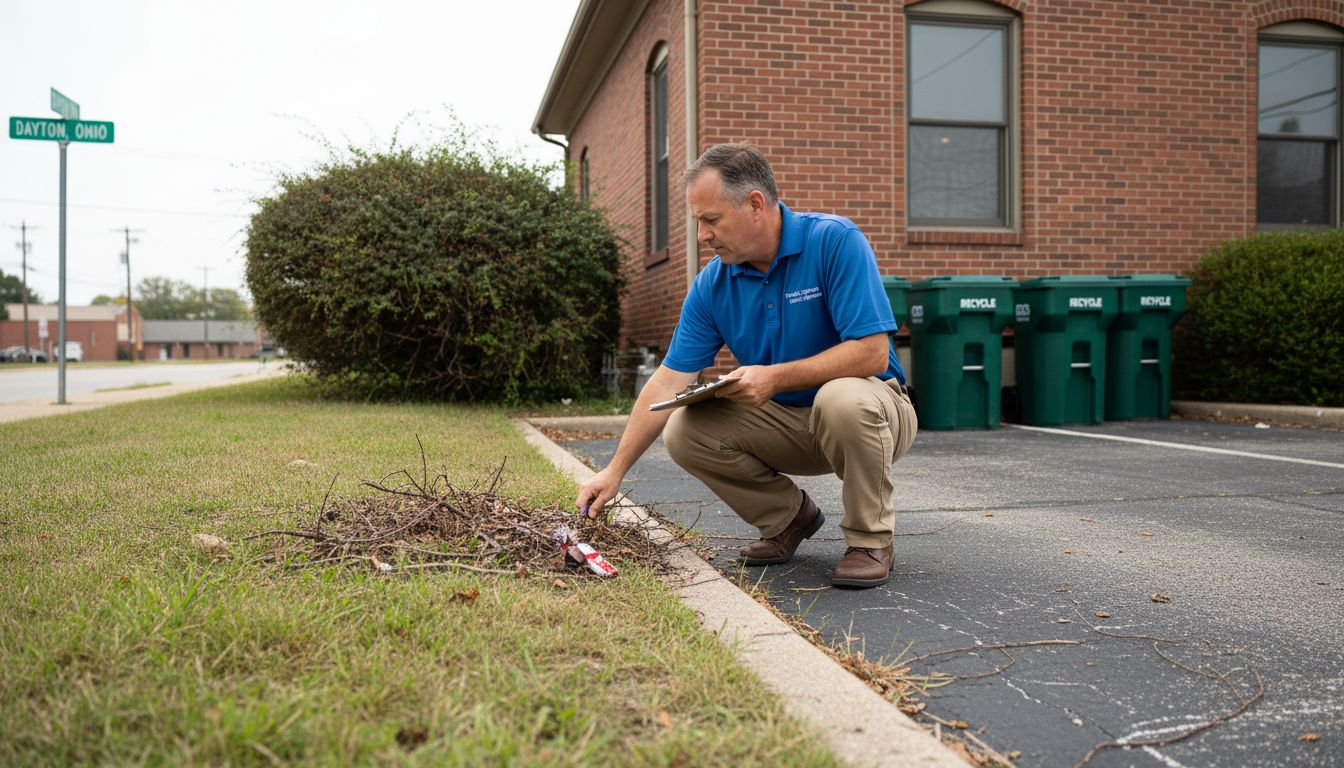
Pro Tip for Pest Management: Develop a seasonal landscape maintenance plan that focuses on creating an inhospitable environment for pests by addressing moisture control, vegetation management, and structural integrity before pest problems emerge.
How Cultural Practices Impact Pest Populations
Cultural pest control represents a sophisticated ecological strategy that fundamentally transforms the environment to naturally reduce pest populations. Instead of relying on direct elimination tactics, these practices create strategic barriers and disruptions that make survival challenging for unwanted organisms. By understanding and manipulating environmental conditions, property owners can develop proactive approaches that minimize pest challenges without extensive chemical interventions.
Implementing cultural control methods leads to significant ecological benefits beyond mere pest reduction. These techniques can dramatically lower chemical usage, decrease production costs, increase biodiversity, and enhance overall ecosystem resilience. Critical strategies include:
- Disrupting pest life cycles through strategic crop rotation
- Implementing intercropping techniques
- Modifying plant spacing and density
- Altering vegetation management practices
- Creating less hospitable environments for pest reproduction
Crop environment modifications serve as preventative measures that systematically reduce insect populations by interrupting their natural habitats and reproduction patterns. By carefully managing planting times, vegetation types, and landscape configurations, property owners can significantly diminish pest proliferation without resorting to aggressive chemical treatments. This approach not only protects immediate spaces but contributes to broader ecological balance.
Pro Tip for Ecological Pest Management: Develop a comprehensive landscape assessment that identifies potential pest vulnerabilities, focusing on creating diverse, resilient environments that naturally resist and discourage unwanted pest populations through strategic environmental design.
Legal and Environmental Considerations in Ohio
Environmental regulations in Ohio are increasingly focused on sustainable pest management strategies that prioritize human and ecological health. Property owners and pest management professionals must navigate a complex landscape of legal requirements that balance effective pest control with minimal environmental impact. These regulations demand innovative approaches that go beyond traditional chemical interventions.
Ohio’s integrated pest management plans emphasize minimizing chemical pesticide usage while maintaining strict compliance with state environmental protection standards. Key legal considerations include:
- Reducing chemical pesticide applications
- Protecting human health and ecosystem integrity
- Implementing environmentally conscious pest control methods
- Documenting pest management strategies
- Adhering to state and local environmental regulations
Optimizing plant health through strategic management practices represents a critical approach to meeting legal environmental standards. By focusing on proper irrigation, fertilization, and plant maintenance, property managers can naturally reduce pest susceptibility while remaining compliant with agricultural and environmental best practices. These proactive strategies not only minimize legal risks but also contribute to broader ecological preservation efforts.
Pro Tip for Regulatory Compliance: Develop a comprehensive pest management documentation system that tracks all control methods, chemical applications, and environmental impact assessments to demonstrate ongoing compliance with Ohio’s environmental protection regulations.
Common Mistakes and When to Seek Professional Help
Pest management is a nuanced field where well-intentioned homeowners often make critical errors that can exacerbate existing problems or create new challenges. Understanding the most common mistakes and recognizing when professional intervention becomes necessary can save significant time, money, and potential property damage.
Accurate pest identification represents a fundamental challenge for many property owners, with misdiagnosis potentially leading to ineffective control strategies. Common mistakes include:
- Misidentifying pest species
- Applying incorrect treatment methods
- Overlooking underlying environmental conditions
- Using inappropriate chemical treatments
- Neglecting preventative maintenance
- Inconsistent or sporadic pest management approaches
Overreliance on chemical controls can create long-term environmental and pest resistance complications, signaling the importance of professional guidance. Homeowners should consider seeking expert assistance when experiencing persistent pest issues, observing rapid population growth, detecting structural damage, or encountering unfamiliar pest behaviors that standard cultural control methods cannot effectively address.

Pro Tip for Expert Intervention: Maintain a detailed pest activity log documenting species, location, treatment attempts, and environmental conditions to provide pest management professionals with comprehensive information for accurate diagnosis and targeted solutions.
Below is a summary of professional versus DIY cultural pest management:
| Factor | Professional Services | DIY Cultural Control |
|---|---|---|
| Pest Identification Accuracy | Expert assessment | Often inconsistent |
| Response to Persistent Issues | Custom solutions and follow-up | May overlook root causes |
| Compliance with Laws | Ensures legal adherence | May miss regulatory updates |
| Required Knowledge Level | Extensive training | Basic to moderate understanding |
Embrace Sustainable Pest Control Solutions for Your Ohio Property
Managing pests while protecting your home and the environment can feel overwhelming. This article highlights cultural pest control as a natural, effective way to reduce pest populations by altering environmental conditions without heavy chemical use. If you are seeking to minimize chemical exposure and support long-term ecosystem health, it is vital to implement professional strategies tailored to Ohio’s unique climate and pest challenges.
At Apex Pest Control, we understand the importance of blending innovative cultural pest control methods with expert pest management services. Our team offers customized residential and commercial programs that focus on sustainable solutions such as moisture control and vegetation management while ensuring compliance with legal and environmental regulations. Learn more about cutting-edge pest prevention by exploring our Uncategorized Archives – Apex Pest Control and get started by requesting a personalized assessment.
Don’t wait for pests to disrupt your peace or damage your property. Take proactive control now by contacting us for a free quote. Protect your home, your family, and Ohio’s environment with professional guidance designed to deliver lasting results.
Frequently Asked Questions
What is cultural pest control?
Cultural pest control is a sustainable method of managing pest populations by modifying environmental conditions to discourage pest growth, rather than relying solely on chemical interventions.
What are some key techniques used in cultural pest control?
Key techniques include crop rotation, improving soil quality, managing plant spacing, controlling moisture levels, and maintaining clean environments to disrupt pest habitats and life cycles.
How does cultural pest control benefit the environment?
Cultural pest control supports ecosystem health by reducing chemical usage, enhancing biodiversity, and creating natural barriers against pests, which leads to increased overall ecosystem resilience.
When should I seek professional help for pest management?
You should consider professional help if you experience persistent pest issues, observe rapid population growth, detect structural damage, or encounter unfamiliar pest behaviors that your current strategies cannot effectively address.