



Persistent pest infestations like ants, rodents, and bed bugs plague many Northeast Ohio homes, often leaving homeowners frustrated and searching for solutions that won’t harm their families or the environment. You want effective control without introducing harsh chemicals into spaces where your children play and pets roam. This guide delivers eco-friendly, proven methods that combine prevention, targeted treatment, and professional insights to achieve lasting pest control while protecting what matters most.
Table of Contents
- Introduction To Eco-Friendly Pest Control In Northeast Ohio
- Prerequisites And Home Preparation Before Pest Control
- Core Step-By-Step Treatments For Ants, Rodents, And Bed Bugs
- Common Mistakes And Troubleshooting Pest Control Failures
- Expected Results And Timeline For Eco-Friendly Pest Control
- Safety Considerations When Handling Pests At Home
- When To Call A Professional Pest Control Service
- Discover Trusted Eco-Friendly Pest Solutions With Apex Pest Control
- FAQ
Key Takeaways
| Point | Details |
|---|---|
| Entry points and habitat matter | Sealing gaps, removing food and moisture sources form the foundation of pest control success. |
| Treatment timelines vary by pest | Ant control shows results in 7-14 days while bed bugs require two cycles for over 85% success. |
| Multiple methods work better | Combining physical barriers, natural products, and habitat management increases effectiveness. |
| Common mistakes undermine efforts | Ignoring food sources or incomplete inspections lead to 70% higher reinfestation rates. |
| Professional help saves time | Severe infestations and persistent bed bugs or rodents respond best to licensed expertise. |
Introduction to Eco-Friendly Pest Control in Northeast Ohio
Northeast Ohio’s humid summers and cold winters create ideal conditions for common household pests. Ants invade kitchens seeking moisture and crumbs, rodents search for warm shelter as temperatures drop, and bed bugs hitch rides into homes year-round through luggage and secondhand furniture.
Eco-friendly pest control minimizes environmental impact while protecting your family’s health. Traditional pesticides can leave toxic residues on surfaces children touch and in air pets breathe. Sustainable methods reduce these risks dramatically while delivering effective, long-lasting control.
Benefits of choosing eco-friendly pest control in Ohio include:
- Lower toxicity for family members and pets
- Reduced environmental contamination of soil and water
- Sustainable control that doesn’t create pesticide resistance
- Safe application in kitchens, bedrooms, and play areas
The region’s climate patterns affect pest activity timing. Spring moisture brings ant colonies searching for food, fall cooling drives rodents indoors, and year-round travel keeps bed bug pressure constant. Understanding these patterns helps you time interventions for maximum impact.
Prerequisites and Home Preparation Before Pest Control
Proper preparation makes the difference between wasted effort and successful elimination. Before applying any treatment, you need to create an environment where pests can’t thrive and products can work effectively.
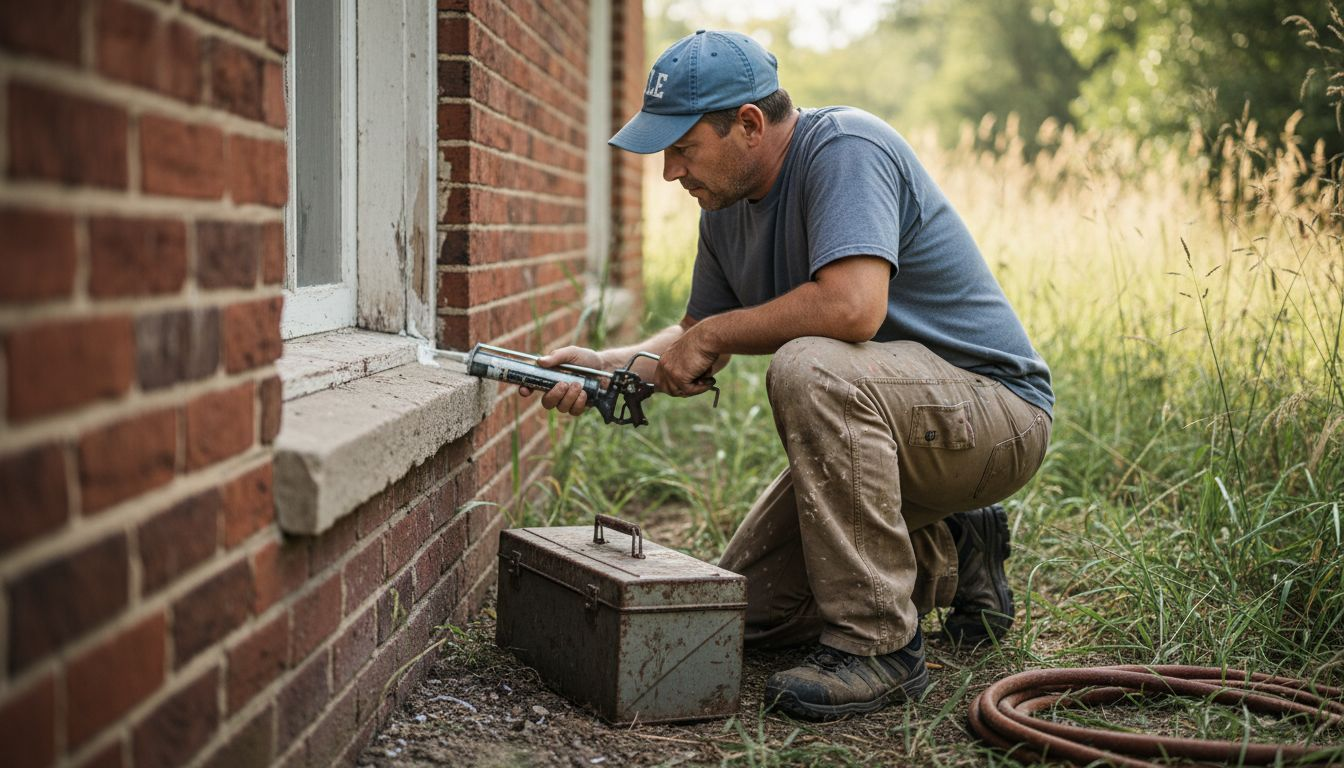
Identify and seal every potential entry point. Rodents squeeze through openings as small as 1/4 inch. Walk your home’s perimeter and inspect foundation cracks, gaps around pipes, damaged weather stripping, and torn window screens. Sealing these access points with steel wool and caulk prevents new pests from entering while you eliminate existing populations.
Remove attractants that draw pests inside. Store all food in airtight glass or metal containers, including pet food. Fix leaky faucets and pipes to eliminate standing water. Empty trash daily and keep bins sealed. These simple changes eliminate the resources pests need to survive.
Gather your eco-friendly pest control toolkit:
- Plant-based insecticides containing essential oils or botanical extracts
- Diatomaceous earth for physical pest control
- Sealed bait stations for targeted rodent control
- Protective gloves and safety glasses
- Spray bottles for applying treatments
- Flashlight for inspecting dark spaces
Preparing your home for pest treatment thoroughly before starting saves time and increases effectiveness. A pro tip: photograph problem areas before treatment so you can track progress objectively rather than relying on memory.
Core Step-by-Step Treatments for Ants, Rodents, and Bed Bugs
Each pest requires a customized approach that targets its specific biology and behavior. Following proven sequences maximizes your success while minimizing product use.
Ant Control Process
- Locate ant trails and entry points by following worker ants back to their access areas.
- Apply plant-based insecticides along trails and entry points, focusing on areas where ants congregate.
- Create physical barriers using food-grade diatomaceous earth around foundations and doorways.
- Place gel baits near trails so worker ants carry toxins back to colonies.
- Monitor daily and reapply treatments as needed until activity stops.
Rodent Control Strategy
- Set tamper-resistant bait stations along walls and in areas showing droppings or gnaw marks.
- Seal all entry points with steel wool pushed into gaps, then cover with metal flashing or concrete patch.
- Remove outdoor harborage by trimming vegetation within 3 feet of foundations and clearing debris piles.
- Keep grass mowed short and store firewood at least 20 feet from structures.
- Check and refill bait stations weekly until no new bait consumption occurs for two weeks.
Bed Bug Elimination Method
Bed bugs require Integrated Pest Management combining multiple tactics. IPM approaches target all life stages from eggs through adults for complete elimination.
- Vacuum all mattress seams, bed frames, baseboards, and furniture crevices thoroughly.
- Encase mattresses and box springs in certified bed bug-proof covers.
- Launder all bedding, curtains, and clothing in hot water (minimum 120°F) and dry on high heat for 30 minutes.
- Apply eco-friendly residual sprays containing plant-based ingredients to bed frames, furniture joints, and baseboards.
- Use steam treatments on upholstered furniture and carpet edges to kill eggs and nymphs with heat.
Outdoor environmental management reduces pest pressure. Maintain a vegetation-free zone around your foundation, repair damaged siding promptly, and ensure gutters drain away from the structure. Combining these natural ant removal methods in Ohio with indoor treatments creates comprehensive protection. A pro tip from pest control tips for Northeast Ohio professionals: treating both indoor and outdoor spaces simultaneously prevents pests from simply moving to untreated areas.
Common Mistakes and Troubleshooting Pest Control Failures
Even well-intentioned efforts fail when homeowners overlook critical details. Understanding common pitfalls helps you avoid wasted time and frustration.
Failing to remove food and moisture increases reinfestation risk by up to 70%. You can apply the best treatments available, but if crumbs remain accessible and leaks provide water, new pests will replace eliminated ones within days. Sanitation isn’t optional; it’s foundational.
Incomplete bed bug inspection causes persistent problems. These pests hide in picture frames, electrical outlets, furniture joints, and behind peeling wallpaper. Missing even one harborage area allows populations to rebuild rapidly. Inspect every potential hiding spot within 15 feet of sleeping areas.
Ignoring outdoor maintenance leaves rodent highways intact. Overgrown vegetation touching your home creates protected travel routes. Debris piles and untrimmed bushes provide nesting sites. Address outdoor conditions while treating indoors.
Other frequent mistakes include:
- Relying solely on natural deterrents like peppermint oil sprays without combining them with sanitation and exclusion
- Stopping treatment too early when visible pest activity decreases but populations haven’t been eliminated
- Using products incorrectly by applying too little, too much, or in wrong locations
- Neglecting follow-up monitoring to verify success
When treatments fail, reassess your sanitation, check for missed entry points, and ensure you’re targeting the correct pest. Sometimes what looks like ants may actually be termites, requiring completely different control methods. Following 7 steps for safe pest removal helps avoid these errors.
Expected Results and Timeline for Eco-Friendly Pest Control
Setting realistic expectations prevents premature disappointment and helps you gauge when additional action becomes necessary. Eco-friendly methods work effectively but often require more time than synthetic pesticides.
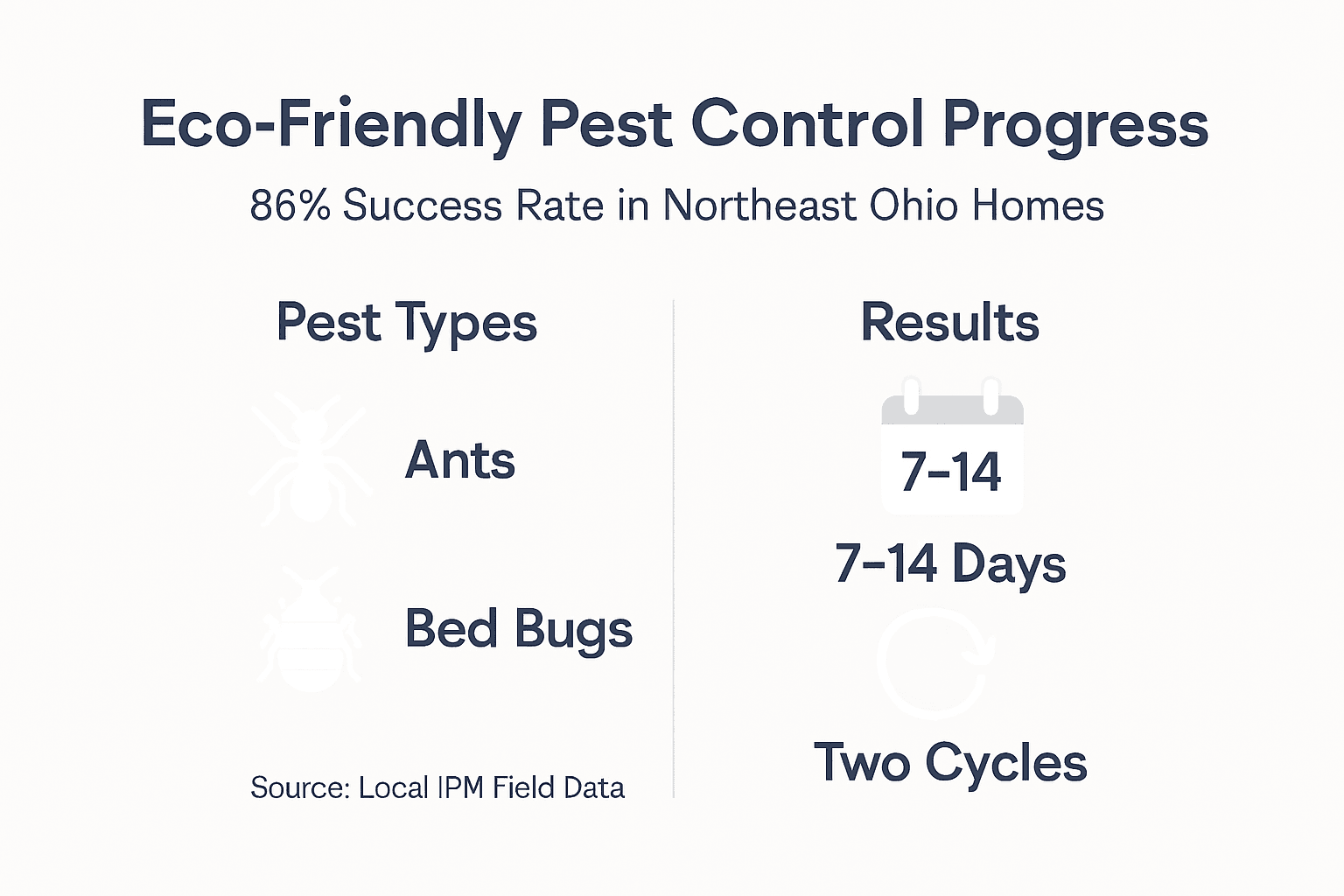
Ant control typically shows results within 7 to 14 days after initial treatment. You’ll notice decreasing trail activity first, followed by disappearance of foraging ants. Complete elimination may take three to four weeks as bait reaches entire colonies.
Bed bug control achieves over 85% success after two treatment cycles when using comprehensive IPM methods. The first treatment kills active bugs and many nymphs. A second application 10 to 14 days later targets newly hatched nymphs before they mature and reproduce.
Rodent control timelines vary based on infestation severity and how well you maintain exclusion and habitat management. Initial population reduction occurs within two to three weeks. Long-term success requires sustained vigilance because new rodents will attempt to colonize attractive properties.
| Pest Type | Initial Results | Complete Control | Success Rate |
|---|---|---|---|
| Ants | 7-14 days | 3-4 weeks | 90%+ with sanitation |
| Bed Bugs | 10-14 days | After 2 cycles | 85%+ with IPM |
| Rodents | 2-3 weeks | 4-8 weeks | 80%+ with exclusion |
Success metrics include absence of live pests, no new droppings or fecal stains, no bites or skin reactions, and no signs of active feeding or damage. Regular monitoring confirms elimination. Bed bug control timelines in Ohio homes follow similar patterns, with patience and thorough application yielding best outcomes.
Safety Considerations When Handling Pests at Home
Protecting your family and pets during pest control requires selecting appropriate products and following proper protocols. Even eco-friendly treatments demand respect and careful handling.
Use only EPA-approved products labeled safe for family and pet exposure. Read labels completely before purchasing and follow application instructions precisely. Products marked organic or natural still contain active ingredients that can irritate skin or eyes.
Key safety practices include:
- Wearing protective gloves and safety glasses during all applications
- Keeping children and pets away from treated areas until products dry completely
- Storing pest control materials in locked cabinets away from food and medications
- Disposing of dead pests and used materials in sealed bags placed in outdoor trash
- Ventilating treated rooms by opening windows for 30 minutes after application
Avoid harsh chemical exposure by choosing plant-based formulations whenever possible. These products break down more quickly in the environment and present lower risks if accidentally contacted. However, natural doesn’t mean risk-free. Some people experience allergic reactions to botanical extracts like chrysanthemum-derived pyrethrins.
“Choosing eco-friendly treatments reduces toxic risks while protecting your family’s health and maintaining environmental responsibility.”
Pest removal safety tips emphasize proper product selection and application techniques. When in doubt about product safety, especially around young children or pets with health conditions, consult with licensed professionals who can recommend the gentlest effective options.
When to Call a Professional Pest Control Service
Recognizing when DIY efforts have reached their limit saves time, money, and frustration. Some situations demand professional expertise and access to commercial-grade eco-friendly products.
Seek professional help when infestations are severe or cover multiple rooms. Large pest populations require systematic treatment plans and follow-up monitoring beyond typical homeowner capabilities. What started as a few ants can become thousands originating from multiple colony sites.
Bed bugs and rodents particularly benefit from licensed professional intervention. Bed bugs hide in dozens of locations requiring specialized inspection training to find. Rodents often nest in walls, attics, and crawl spaces where DIY access proves difficult. Professionals use thermal imaging, monitoring devices, and commercial-grade barriers unavailable to consumers.
Professional pest control services provide:
- Thorough property inspections identifying all infestation areas and entry points
- Commercial eco-friendly products with higher efficacy than consumer formulations
- Comprehensive IPM strategies combining multiple control methods
- Follow-up monitoring and retreatment guarantees
- Expert knowledge of pest biology and seasonal behavior patterns
Local services like those offered throughout Northeast Ohio understand regional pest pressures and environmental conditions affecting control success. Eco-friendly pest solutions in Cleveland and surrounding communities address specific local challenges.
Early escalation to professional help prevents small problems from becoming major infestations requiring extensive treatment. If you’ve applied treatments correctly for three weeks without improvement, contact local professional pest control rather than continuing ineffective DIY approaches.
Discover Trusted Eco-Friendly Pest Solutions with Apex Pest Control
When persistent pests threaten your Northeast Ohio home despite your best efforts, expert intervention delivers the results you need. Apex Pest Control offers comprehensive, eco-friendly solutions tailored specifically to regional pest challenges affecting Oakwood, Bedford Heights, and surrounding communities.
Our licensed technicians combine decades of experience with family-safe treatment methods that eliminate ants, rodents, and bed bugs without compromising your home environment. We understand Northeast Ohio pest behavior and use proven IPM strategies for lasting control. Compare top residential pest solutions to see how eco-friendly approaches stack up.
Locate trusted local exterminators near me who prioritize safety alongside effectiveness. Schedule your consultation today by visiting contact Apex Pest Control to protect your family with services backed by over 200 five-star reviews.
FAQ
How long does it take to see results from eco-friendly pest treatments?
Typically, ant control shows noticeable reduction within 7 to 14 days as baits reach colonies. Bed bug elimination requires two treatment cycles spaced 10 to 14 days apart for over 85% success. Rodent exclusion combined with baiting takes two to three weeks for initial population decrease, with complete control achieved through sustained habitat management over four to eight weeks.
Can I use natural essential oils alone to control ants in my home?
Natural deterrents like peppermint oil reduce ant activity by approximately 50% but rarely eliminate established colonies. Oils disrupt scent trails temporarily, causing ants to seek alternate routes rather than abandoning your home. Combining oils with thorough sanitation, entry point sealing, and targeted baiting delivers far better results than oils used alone.
What signs indicate I should hire a professional pest control service?
Severe infestations covering multiple rooms, persistent bed bugs despite two treatment cycles, and repeated rodent sightings after DIY exclusion efforts all warrant professional pest control services. Additional red flags include finding pest activity in walls or ceilings, discovering extensive damage to insulation or wiring, or experiencing allergic reactions to bites. Licensed professionals ensure thorough inspection, access commercial-grade eco-friendly products, and provide treatment guarantees unavailable with DIY approaches.
Are eco-friendly pest control methods as effective as traditional pesticides?
Eco-friendly methods achieve comparable effectiveness when applied correctly as part of comprehensive IPM programs. Success rates exceed 85% for bed bugs and 90% for ants when combining sanitation, exclusion, and targeted natural products. The key difference lies in application timeline; eco-friendly treatments often require more time and multiple applications compared to synthetic pesticides, but they accomplish elimination without toxic residue risks.
How often should I reapply eco-friendly pest control treatments?
Reapplication frequency depends on pest type and product used. Outdoor perimeter treatments using plant-based sprays require monthly application during active pest seasons. Indoor ant baits need replacement every two weeks until activity stops. Diatomaceous earth barriers remain effective until they become wet or displaced. Monitor treated areas weekly and reapply when you notice renewed pest activity or after heavy rain that washes away outdoor treatments.