



Every homeowner in Ohio wants a safe, healthy space for their loved ones, but dealing with pests often means choosing between harsh chemicals and protection. Chemicals can linger on surfaces, threaten pets, and degrade the local environment. Eco-friendly pest control offers a better way, using natural methods that solve pest problems while keeping families and pets out of harm’s way. Discover how biological control, botanical solutions, and smart prevention create a safer home for everyone in Ohio.
Table of Contents
- Eco-friendly Pest Control Explained Clearly
- Core Types And Management Methods Used
- How Integrated Pest Management (IPM) Works
- Requirements Under Ohio’s Pest Control Laws
- Risks, Costs, And Green Alternatives Compared
Key Takeaways
| Point | Details |
|---|---|
| Eco-Friendly Methods Promote Safety | Utilizing natural pest control methods protects families and pets from harmful chemicals while ensuring a healthier home environment. |
| Integrated Pest Management (IPM) is Effective | IPM emphasizes prevention and targeted treatments, significantly reducing the need for chemical applications and long-term costs. |
| Ohio-Specific Solutions Address Seasonal Challenges | Localized pest management strategies adapt to seasonal patterns, providing proactive solutions against common pests. |
| Compliance with Regulations Ensures Safety | Professional pest control providers in Ohio must adhere to strict guidelines, ensuring safer application of pest control products. |
Eco-friendly pest control explained clearly
Eco-friendly pest control simply means managing unwanted pests without relying on harsh synthetic chemicals that harm your family, pets, or the Ohio environment. Instead of reaching for conventional pesticides that leave toxic residue on surfaces and in soil, eco-friendly approaches use natural methods and products that eliminate pests while keeping your home safe. Think of it as pest management that works with nature rather than against it. The goal isn’t just to kill bugs—it’s to solve your pest problem in a way that protects everything living in and around your home, from your kids and dogs to the beneficial insects that pollinate your garden.
These methods fall into several main categories. Biological control uses natural predators and parasitic insects to manage pest populations. For example, introducing ladybugs controls aphids without any chemicals at all. Botanical pesticides come from plant sources like neem oil or citrus extracts, which disrupt pest life cycles without synthetic toxins. Biopesticides leverage microorganisms or naturally occurring compounds that target specific pests while remaining harmless to humans and pets. You might also encounter pheromone-based controls that use insect mating signals to trap or confuse pests, preventing reproduction entirely. Many Ohio homeowners find that combining these approaches—what experts call integrated pest management—works better than any single method alone. The research shows that eco-friendly pest control strategies reduce pest resistance while maintaining effectiveness over time.
What makes these methods work for Ohio families specifically is that they address local seasonal patterns. Spring brings ants entering homes through foundation cracks as temperatures warm. Summer brings mosquitoes that thrive in the humid Midwest climate. Fall can trigger rodent invasions as critters seek warmth before winter. Eco-friendly pest control adapts to these cycles using timing and prevention rather than constant chemical applications. You seal entry points, remove food sources, and use targeted natural treatments only when needed. This approach costs less over time because you’re preventing problems instead of repeatedly treating infestations. Your family breathes cleaner air, your pets stay safe from toxins, and your yard remains a healthy ecosystem.
Pro tip: Start by inspecting your home’s foundation, windows, and door frames for small cracks or gaps where pests enter, then seal them with caulk or weatherstripping before introducing any pest control treatment—this single prevention step often solves half your problem without any products at all.
Core types and management methods used
Eco-friendly pest control breaks down into three main approaches that work together to keep your Ohio home pest-free without toxic chemicals. Biological control introduces natural predators and parasites into your environment. Ladybugs eat aphids by the hundreds. Parasitic wasps lay eggs inside pest insects, destroying them from within. Certain bacteria like Bacillus thuringiensis target specific pest larvae without harming anything else. These living solutions work continuously, adapting as pest populations change. Cultural controls focus on changing your environment to discourage pests in the first place. This includes removing standing water where mosquitoes breed, trimming vegetation away from your foundation so rodents can’t hide, and keeping garbage sealed. Physical controls create barriers between pests and your home—think door sweeps, window screens, and exclusion netting around vents. When you combine these three approaches, you create layers of protection that are far more effective than spraying chemicals.
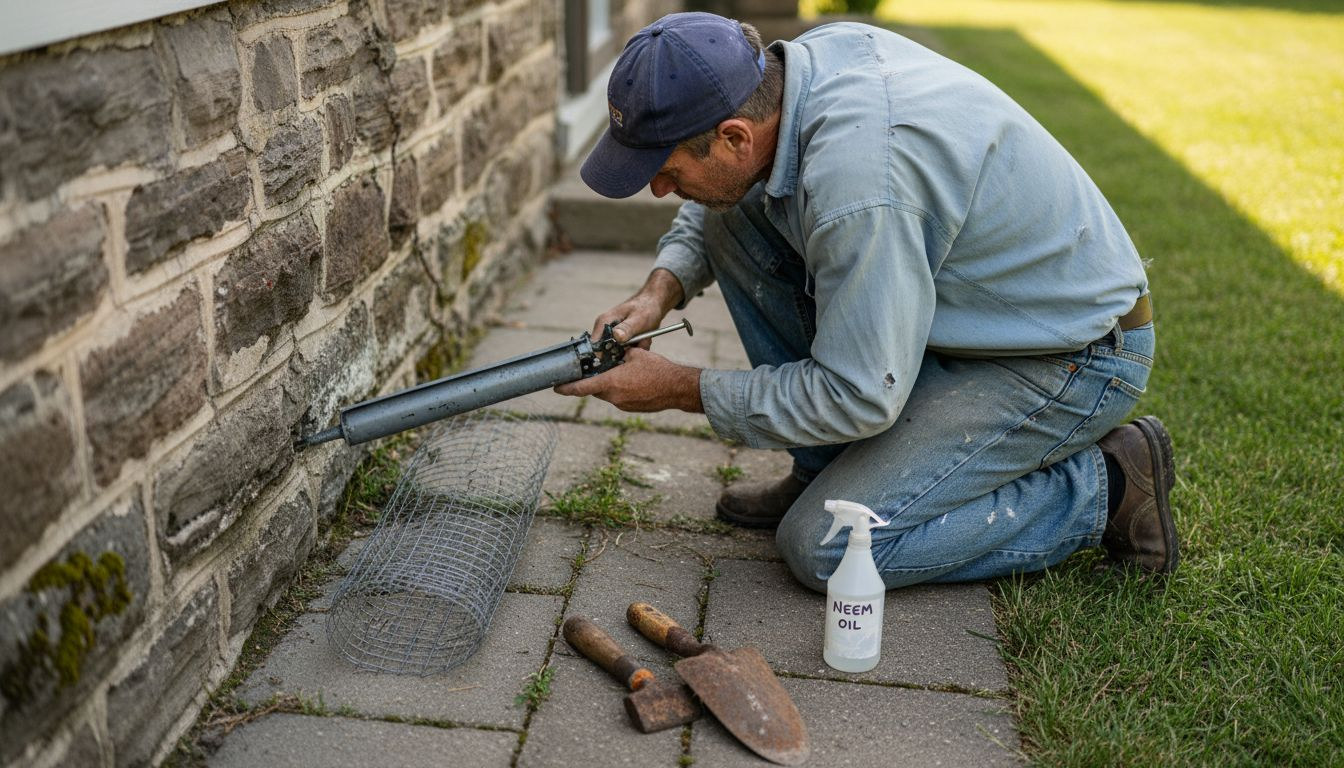
Specific management methods bring these types to life in practical ways. Pheromone traps attract pests using their own mating signals, trapping them before they can reproduce. Botanical pesticides like neem oil disrupt insect nervous systems without affecting mammals. Insect growth regulators prevent pests from maturing into reproductive adults, effectively ending their population cycle. Companion planting works for gardens—marigolds repel certain insects while benefiting tomato plants. In Ohio homes, you might use diatomaceous earth (a natural powder) around baseboards to control crawling insects, or install one-way door exclusion devices so bats can leave your attic but cannot return. The key is matching the method to your specific pest problem and your home’s layout.
Understanding ecological pest control relationships helps you see why these methods work better long-term. Traditional chemical pesticides create an endless cycle: you kill pests, they develop resistance, you spray stronger chemicals, your family gets exposed to toxins. Eco-friendly methods work with nature’s balance. You maintain pest populations below the level where they cause actual damage instead of trying to eliminate them completely. This means fewer treatments, lower costs, and a healthier home environment. Ohio’s seasonal changes actually work in your favor when using ecological methods—spring pest prevention stops summer infestations before they start.
Pro tip: Start with prevention methods like sealing entry points and removing food sources, then add one targeted biological control method at a time so you can see which works best for your specific pest problem before trying multiple treatments.
Here’s how core eco-friendly pest control methods compare on effectiveness and safety:
| Method | Primary Benefit | Typical Use Case | Safety for Families and Pets |
|---|---|---|---|
| Biological Control | Targets specific pests | Garden aphid infestations | Very high |
| Botanical Pesticides | Disrupts pest cycles | Indoor/outdoor insect issues | High |
| Physical Controls | Prevents entry | Sealing cracks, installing screens | Extremely high |
| Cultural Controls | Discourages pests | Removing standing water, landscape changes | Extremely high |
How integrated pest management (IPM) works
Integrated Pest Management, or IPM, is a practical system that treats your pest problem like a doctor treats an illness. Instead of immediately reaching for the strongest medication, a doctor runs tests, identifies the problem, considers your overall health, and then chooses the most targeted treatment. IPM works exactly the same way. You monitor your home, identify what pest you actually have, determine if it’s causing real damage, and then choose the least toxic solution that solves the problem. The EPA recognizes IPM as a multi-step approach that combines biological, cultural, physical, and chemical methods only when absolutely necessary. For Ohio homeowners, this means you might never need a single chemical spray if you catch problems early and use preventive strategies.
The IPM process follows a clear sequence that makes sense once you understand it. First, you set action thresholds. This simply means deciding how many pests constitute a real problem. One ant in your kitchen doesn’t warrant treatment. A thousand ants creating visible trails does. Second, you monitor and identify your pest accurately. Many homeowners spray for the wrong thing. Third, you implement prevention strategies like sealing cracks, removing food sources, and maintaining your yard. Fourth, you use targeted control methods only if pests exceed your action threshold. IPM principles emphasize this stepping approach because it dramatically reduces pesticide exposure while protecting beneficial insects like bees and earthworms that help your yard thrive. When you do need chemical intervention, IPM uses the lowest toxicity option that addresses the specific pest, not broad spectrum poisons that kill everything.
Why does IPM work better for Ohio families than traditional pest control? Because it focuses on long-term management rather than temporary fixes. Conventional pest control kills pests repeatedly, which actually breeds resistance. Year after year, you need stronger chemicals. IPM breaks this cycle by maintaining pest populations below the level where they cause damage. Your kids play safely on treated yards. Your pets drink from water bowls without ingesting toxic residue. Your beneficial insects survive to pollinate your garden and control pests naturally. The system saves money over time because you prevent infestations instead of treating emergencies. IPM has evolved from a niche approach to mainstream professional practice precisely because it delivers results while protecting public health and the environment.
Pro tip: Keep a simple pest log: write down what you see, where, when, and how many; this record helps professionals like Apex Pest Control understand your specific situation and create an IPM plan tailored to your home rather than applying generic treatments.
Requirements under Ohio’s pest control laws
Ohio takes pest control seriously, and the state has specific laws governing how pesticides can be applied and who can apply them professionally. If you hire someone to spray your home for pests, that person must hold a valid pesticide license issued by the Ohio Department of Agriculture. This isn’t just bureaucracy. These licensing requirements exist to protect your family from improper chemical application, contamination, and health hazards. Professional applicators must complete training, pass certification exams, and demonstrate knowledge of pesticide safety, proper dilution rates, label instructions, and environmental protection. When you call a pest control company like Apex Pest Control, you’re working with licensed professionals who understand Ohio’s specific regulations and comply with them on every single job.
Pesticide licensing in Ohio requires applicators to maintain detailed records of every pesticide application, including what was sprayed, where, when, how much, and what pests were targeted. This documentation protects you because it creates a clear record of treatments in your home. If you ever have questions about what was applied or when, those records prove what happened. Companies must also follow all EPA label instructions exactly. A label isn’t just a suggestion. It’s a legal requirement that specifies application rates, safety precautions, and re-entry times when children and pets should stay out of treated areas. Violating these instructions can result in fines, license suspension, or criminal charges. Professional pest control companies invest in training and certification specifically to avoid these violations while protecting your household.
Ohio’s regulations also cover pest control products themselves. Under Ohio Revised Code Chapter 927, all pesticides must be registered with the state and properly labeled. This means eco-friendly pest control products aren’t exempt from regulations. They must still meet safety standards and be applied by trained professionals when used commercially. The good news is that eco-friendly methods like biological controls and botanical pesticides often have fewer restrictions and lower toxicity ratings, which means shorter re-entry times and less risk to your family. When you choose professional eco-friendly pest control, you’re getting methods that comply with Ohio law while providing superior safety compared to conventional chemical treatments. Your kids can return to treated areas faster. Your pets face lower health risks. The environment experiences minimal impact.
Pro tip: Always ask your pest control provider for their Ohio license number and verify it with the Department of Agriculture before signing a contract; this single step ensures you’re working with a legitimate, trained professional who follows state regulations and carries proper insurance.
Risks, costs, and green alternatives compared
Conventional pest control carries hidden costs that most homeowners don’t see until it’s too late. Chemical pesticides leave residue on surfaces, in soil, and potentially in your home’s air. Your children crawl on treated floors. Your pets lick their paws after walking across sprayed areas. Studies show that repeated chemical exposure increases risks of neurological issues, respiratory problems, and certain cancers. Beyond health concerns, conventional pesticides create a vicious cycle. Pests develop resistance to the chemicals, forcing you to apply stronger treatments more frequently. What started as a single spring treatment becomes quarterly applications, then monthly sprays. Your costs skyrocket while effectiveness drops. The environmental impact is equally troubling. Chemical pesticides kill beneficial insects like bees and earthworms that control pests naturally and pollinate your garden. They contaminate groundwater, harming aquatic ecosystems across Ohio. The initial price tag of conventional pest control seems cheap until you factor in these long-term expenses and health risks.
Green alternatives solve these problems while actually saving money over time. Yes, eco-friendly pest control may cost slightly more upfront than a single cheap chemical treatment. But here’s the math that matters: you make fewer applications overall. Biological controls and prevention strategies reduce pest populations sustainably instead of killing them temporarily. You might need treatment once or twice yearly instead of monthly. Within two years, your total spending equals or beats conventional approaches while your family breathes cleaner air and your pets stay safer. Green pest management reduces health risks significantly because botanical pesticides and biocontrols don’t leave toxic residue. Your children play safely on treated grass within hours instead of days. Your pets can access treated areas sooner. The ecosystem in your yard remains balanced, with beneficial insects thriving alongside controlled pest populations. Over five to ten years, the cost advantage of green methods becomes dramatic.
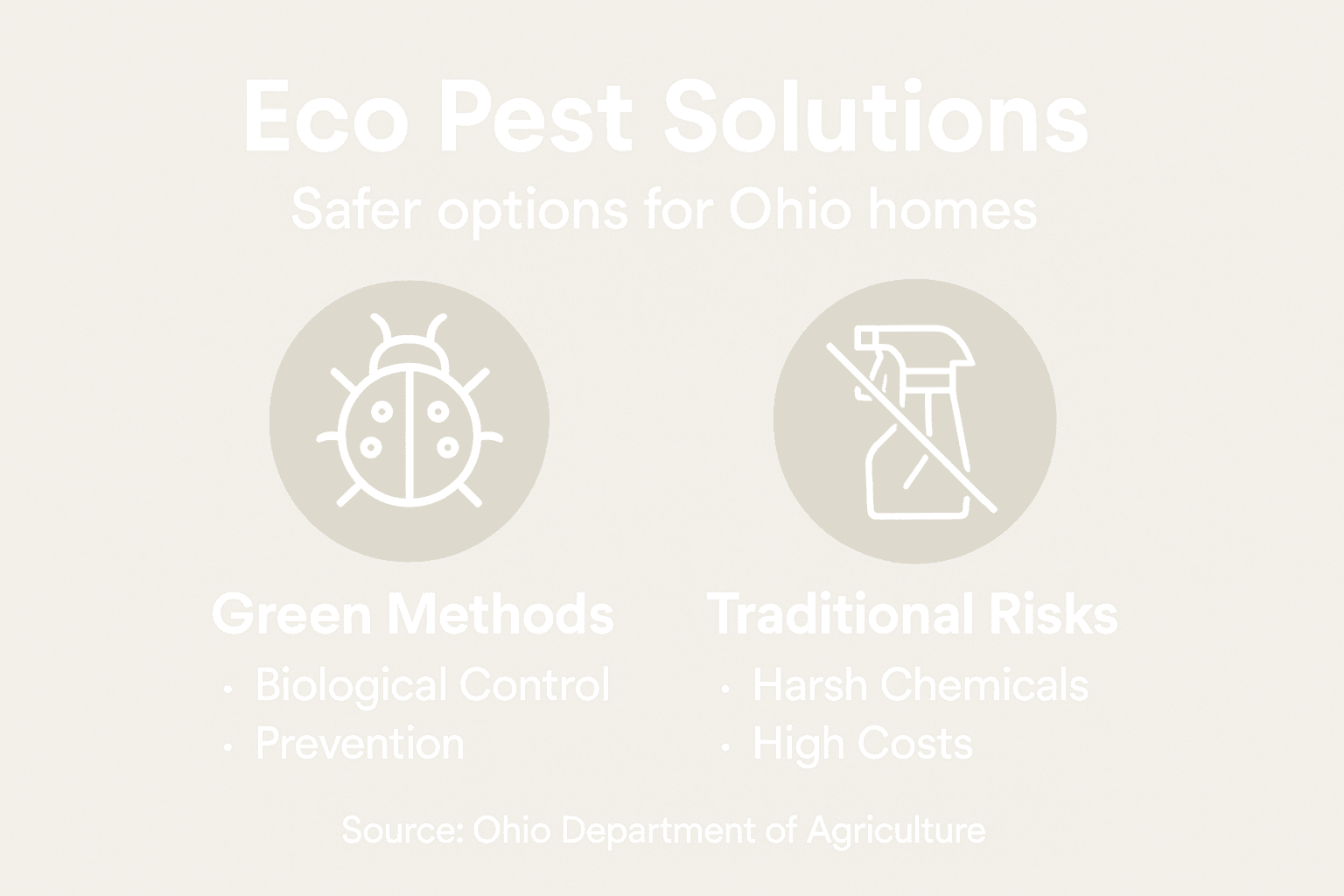
Sustainable pest management protects communities while preventing the pesticide resistance problems that plague conventional approaches. When you stop relying on chemicals and switch to integrated pest management, you avoid the resistance treadmill entirely. Your treatments remain effective year after year because pests cannot develop immunity to biological controls or physical barriers. For Ohio families, this means peace of mind. You’re not locked into an expensive chemical dependency that grows more costly and dangerous annually. You’re not exposing your household to compounds linked to health problems. You’re not poisoning the groundwater that feeds Ohio’s wells and streams. Green alternatives cost less in total lifetime expenses, protect your family better, and leave your property healthier and more balanced.
Pro tip: Request a quote from your pest control provider that breaks down costs across five years; eco-friendly methods almost always show lower total costs than conventional treatments when you calculate the full picture instead of comparing single-visit prices.
This table summarizes the long-term cost and health implications of conventional vs. green pest control:
| Approach | Long-term Cost | Impact on Health | Environmental Effect |
|---|---|---|---|
| Conventional Chemical | High (frequent retreatment) | Increased risk of exposure | Kills beneficial insects, pollutes soil |
| Eco-Friendly/Green | Lower (prevention-focused) | Minimal exposure risk | Supports healthy ecosystems |
Choose Safe and Effective Pest Control Solutions for Your Ohio Home
Protecting your family from pests while maintaining a healthy environment is a challenge that many Ohio residents face. This article highlights the importance of eco-friendly pest control methods that carefully balance pest management with safety for your loved ones, pets, and local ecosystems. At Apex Pest Control, we understand these concerns. Our approach focuses on integrated pest management (IPM) principles and eco-friendly applications that prevent infestations before they grow. We provide tailored solutions such as Mosquito Prevention, Flea & Tick Prevention, and Exterior Rodent Control designed to fit the unique seasonal patterns and environments of Ohio homes.
Don’t settle for quick fixes that expose your family to harmful chemicals or foster pest resistance. Take control now by partnering with a company that is committed to professional, courteous service that protects people and places. Learn more about our full range of services in the Uncategorized Archives – Apex Pest Control and get started with a customized plan designed just for you. To experience safer, long-lasting pest protection, request a free, no-obligation quote today by visiting Apex Pest Control Free Quote. Your family deserves pest control you can trust that respects your health and Ohio’s environment.
Frequently Asked Questions
What is eco-friendly pest control?
Eco-friendly pest control involves managing pests without harmful synthetic chemicals, utilizing natural methods and products that are safer for families, pets, and the environment.
How does integrated pest management (IPM) work?
IPM focuses on monitoring pest populations, setting action thresholds, and using a combination of biological, cultural, physical, and chemical methods only when necessary to maintain pest control without relying heavily on toxins.
What are some effective eco-friendly methods for pest control?
Effective methods include biological control (introducing natural predators), botanical pesticides (plant-based solutions), and physical controls (barriers like screens and traps) to prevent pests from entering your home.
Why is prevention important in eco-friendly pest control?
Prevention reduces the need for treatment by addressing pest entry points and food sources, ultimately saving costs and promoting a healthier environment without repetitively applying chemicals.