



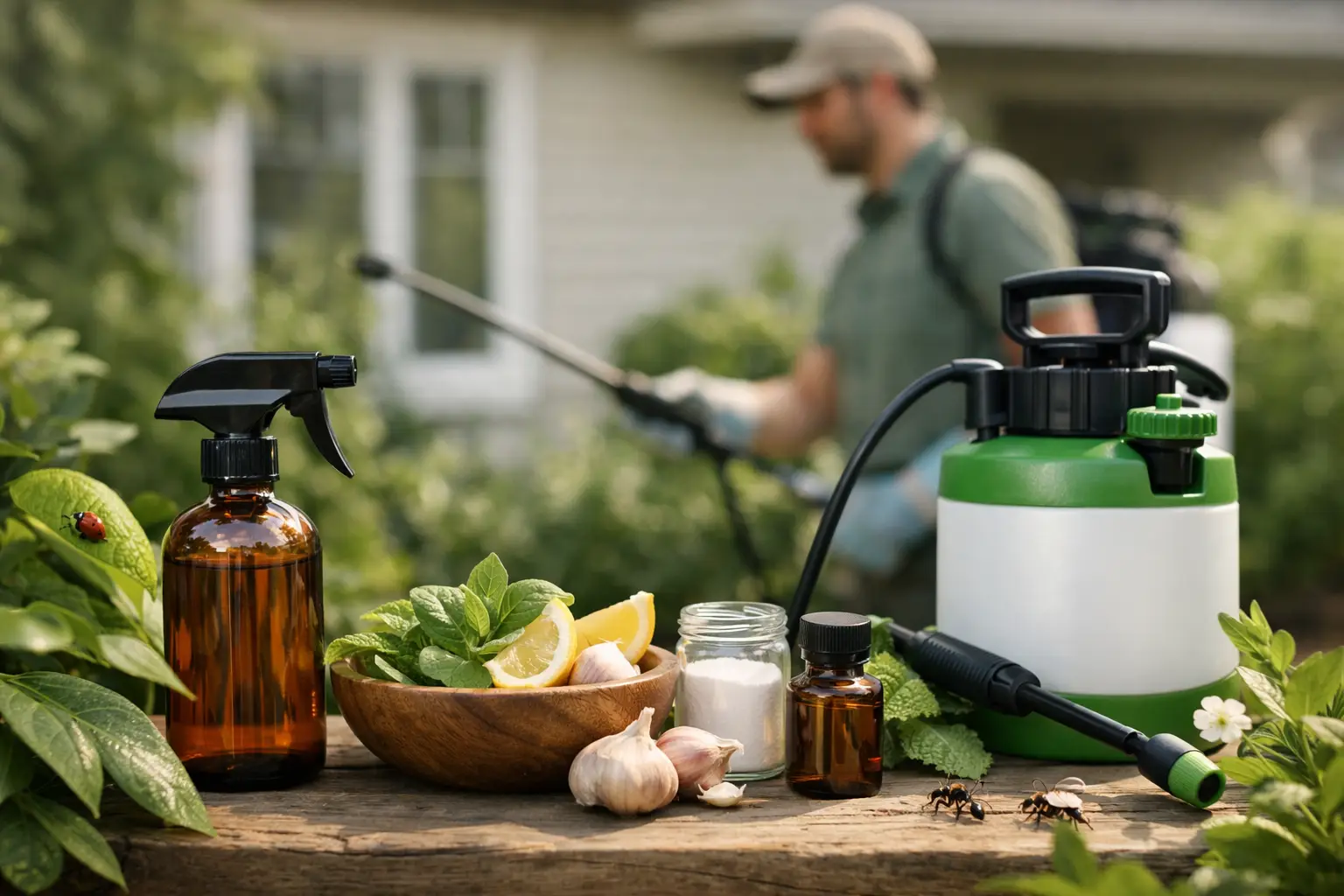
A credible eco friendly pest control review should answer more than one question: Is the treatment less disruptive to people, pets, and the environment? It should also answer the question that matters when ants reach the pantry or rodents enter the attic: Will it actually solve the problem? The best low-impact pest programs do both by targeting the source of an infestation, limiting unnecessary pesticide use, and building prevention into every visit.
“Eco-friendly” is not a promise that a property will never receive a pest control product. It is a commitment to use the most appropriate, measured solution for the pest, the property, and the level of risk. For homeowners and facility managers, that distinction is the difference between thoughtful protection and a vague marketing claim.
Eco Friendly Pest Control Review: What It Really Means
Eco-friendly pest control is usually built on integrated pest management, often called IPM. This approach starts with inspection and identification. A technician determines which pest is present, where it is entering, what is sustaining it, and how extensive the activity has become. Treatment follows that evidence rather than a one-size-fits-all spray schedule.
For example, a trail of pavement ants may be addressed by locating entry points, reducing moisture, sealing gaps, and placing a targeted bait where foraging activity is occurring. A mosquito program may combine habitat reduction with focused treatment in shaded resting areas. Rodent control can involve trapping, exclusion work, sanitation recommendations, and monitoring rather than relying on poison alone.
The environmental benefit comes from precision. Instead of applying a broad product across areas with no pest activity, a responsible program concentrates efforts where they are needed and removes the conditions that allow pests to return.
That does not mean every situation can be resolved with the same methods. A termite infestation, bed bug outbreak, or serious German cockroach problem may require more intensive intervention. In those cases, an eco-conscious plan still has value because it can use targeted placement, careful product selection, inspections, follow-up service, and exclusion to reduce overall exposure while protecting the property.
What Works Best and Where Trade-Offs Exist
Low-impact pest control is highly effective when the pest pressure is low to moderate, the property can be maintained properly, and prevention measures are completed. It is especially useful for recurring nuisance pests such as ants, spiders, occasional invaders, and mosquitoes. It also makes practical sense for homes with children and pets, as well as businesses that need to manage sensitive work areas, customer spaces, or food-related operations.
The trade-off is that prevention-based pest management requires cooperation. A technician can close a foundation gap, but new gaps can develop. A professional can place rodent traps, but food left accessible in a garage or break room will continue to attract rodents. Moisture problems, overflowing gutters, dense vegetation against the structure, and cluttered storage areas can all undermine otherwise effective service.
Some customers expect an immediate, visible result after the first treatment. That can happen with certain pests, but it is not always the sign of the best long-term plan. Baits may require time for foraging pests to carry them back to nesting areas. Rodent monitoring may take several visits to confirm activity has stopped. Bed bug and cockroach control often depends on follow-up inspections because eggs and hidden harborages can extend the treatment timeline.
A reputable provider should explain this before service begins. Clear expectations are part of safe, effective pest control.
“Natural” Does Not Automatically Mean Harmless
Products described as natural, botanical, organic, or plant-based can be useful options, but those labels should not replace professional judgment. Essential-oil-based products, for instance, may repel some insects in certain circumstances, yet they may not eliminate an established infestation. Some natural ingredients can also irritate skin or affect pets when used improperly.
The better question is not, “Is every ingredient natural?” Ask whether the treatment is appropriate for the pest, applied by a trained professional, and paired with practical prevention. A carefully targeted conventional product may be a more effective and lower-exposure choice than repeated, widespread applications of a weaker alternative.
How to Evaluate an Eco-Friendly Pest Control Company
A strong service provider will discuss your specific pest issue before recommending a treatment. Be cautious if the solution is identical for every pest, every season, and every property. Effective pest management begins with an inspection, not a sales script.
Look for a company that can clearly explain its treatment plan in plain language. You should know what pest is being addressed, where activity was found, what conditions are contributing to it, what steps the technician will take, and what you can do between visits. For commercial facilities, documentation should also support inspections, audit readiness, and corrective actions across the site.
Ask how the company handles these four parts of a low-impact program:
- Pest identification and inspection before treatment
- Exclusion, sanitation, moisture control, and habitat reduction
- Targeted use of baits, traps, and products when necessary
- Follow-up monitoring to verify the pest problem is resolved
Credentials and communication matter as much as the treatment method. Licensed, trained technicians understand pest biology, label requirements, application practices, and safety precautions. They should provide preparation instructions when needed and tell you when children, pets, employees, or customers may safely return to treated areas.
For Ohio homes, it is also worth asking about seasonal pressure. Spring moisture can increase ant activity. Summer brings mosquito and stinging-insect concerns. As temperatures drop, mice and other rodents seek indoor shelter. A prevention program should adapt to those changing conditions rather than wait until the infestation is already established.
The Right Approach for Common Pest Problems
Ant control often responds well to an eco-conscious strategy because entry-point sealing, moisture management, baiting, and outdoor habitat adjustments can reduce activity significantly. Spraying visible ants without locating the colony may provide only short-term relief.
Rodent control is another area where prevention is essential. Trapping can remove active rodents, but exclusion is what protects the building over time. Open utility penetrations, damaged vents, loose garage seals, and gaps along foundations should be identified and corrected. In commercial environments, this work may also require coordinated sanitation and receiving-area procedures.
Mosquito control benefits from source reduction. Standing water in containers, clogged gutters, tarps, and drainage areas creates breeding opportunities. Professional treatment can reduce adult mosquito activity in vegetation and resting zones, but removing breeding sites gives the program staying power.
Bed bugs are less forgiving of do-it-yourself or purely repellent approaches. They hide in furniture seams, wall voids, baseboards, and luggage, and they can spread quickly. Effective low-impact options may include detailed inspection, vacuuming, encasements, heat-based methods where appropriate, and carefully directed treatment. The right method depends on the extent of the infestation and the structure of the property.
Termites demand the same level of seriousness. Because termite damage can remain hidden, a proper inspection and a proven treatment plan are more valuable than a generic “green” label. The goal is to stop the colony, protect the structure, and maintain conditions that make the property less attractive to termites.
A Safer Program Still Requires Professional Standards
Every pest control method has a purpose, limitations, and safety requirements. The safest program is one that uses the least intrusive effective method, follows product labels exactly, and does not ignore a growing infestation in the name of being natural.
Apex Pest Control builds customized programs around inspection, targeted treatment, exclusion, and ongoing prevention. That approach helps homeowners protect their living spaces and helps commercial operators maintain dependable, documented pest control without sacrificing the standards their facilities require.
When comparing options, choose the company willing to be specific. A provider that can explain what is happening, why it is happening, and how it will prevent a repeat issue offers more than temporary relief. It offers the peace of mind that comes from a pest problem being handled properly.