



Many homeowners believe sealing obvious holes stops rodents, yet mice squeeze through openings as small as a dime and rats through quarter-sized gaps. Physical barriers remain your strongest defense against rodent entry when properly installed and maintained. This guide explains proven barrier materials, installation techniques, and integration strategies that protect Northeast Ohio homes year-round. You’ll learn how copper mesh, strategic sealing, and layered defenses create lasting protection against persistent rodent pressure.
Table of Contents
- Understanding How Barriers Prevent Rodent Entry
- Types Of Effective Barriers And Their Pros And Cons
- Integrating Barriers With Sanitation And Monitoring For Sustained Control
- Practical Tips For Installing And Maintaining Rodent Barriers In Northeast Ohio Homes
- Get Expert Rodent Barrier Solutions With Apex Pest Control
- Frequently Asked Questions
Key takeaways
| Point | Details |
|---|---|
| Barriers block entry | Physical exclusion prevents rodents from accessing your home when combined with sanitation and monitoring |
| Copper mesh excels | Durable copper mesh resists gnawing better than steel wool and provides long-term protection |
| Layered approach wins | Combining exclusion with sanitation and monitoring outperforms single-method strategies |
| Field studies confirm | Research shows barriers maintain low rodent populations sustainably when integrated properly |
| Proper installation matters | Material choice and correct application determine barrier effectiveness and longevity |
Understanding how barriers prevent rodent entry
Rodents exploit structural vulnerabilities with remarkable persistence. Mice enter through gaps as narrow as one-quarter inch, while rats need only half an inch. Your foundation cracks, utility penetrations, and weathered door sweeps become highways for unwanted visitors. Field studies confirm barriers maintain low populations sustainably when integrated with complementary control methods.
Physical barriers interrupt this entry process by creating impenetrable seals at vulnerable points. Unlike chemical deterrents that rodents may habituate to, properly installed barriers provide mechanical prevention that doesn’t degrade in effectiveness. The key lies in understanding rodent behavior patterns and common infiltration routes specific to Northeast Ohio’s housing stock.
Effective barrier implementation requires more than stuffing holes with random materials. You need to identify every potential entry point, select appropriate materials for each location, and install barriers that withstand gnawing, weathering, and structural settling. Common barrier materials include:
- Copper mesh for gaps and penetrations
- Expanding foam sealants for irregular spaces
- Metal flashing for foundation gaps
- Heavy-duty door sweeps for threshold protection
- Cement mortar for larger structural openings
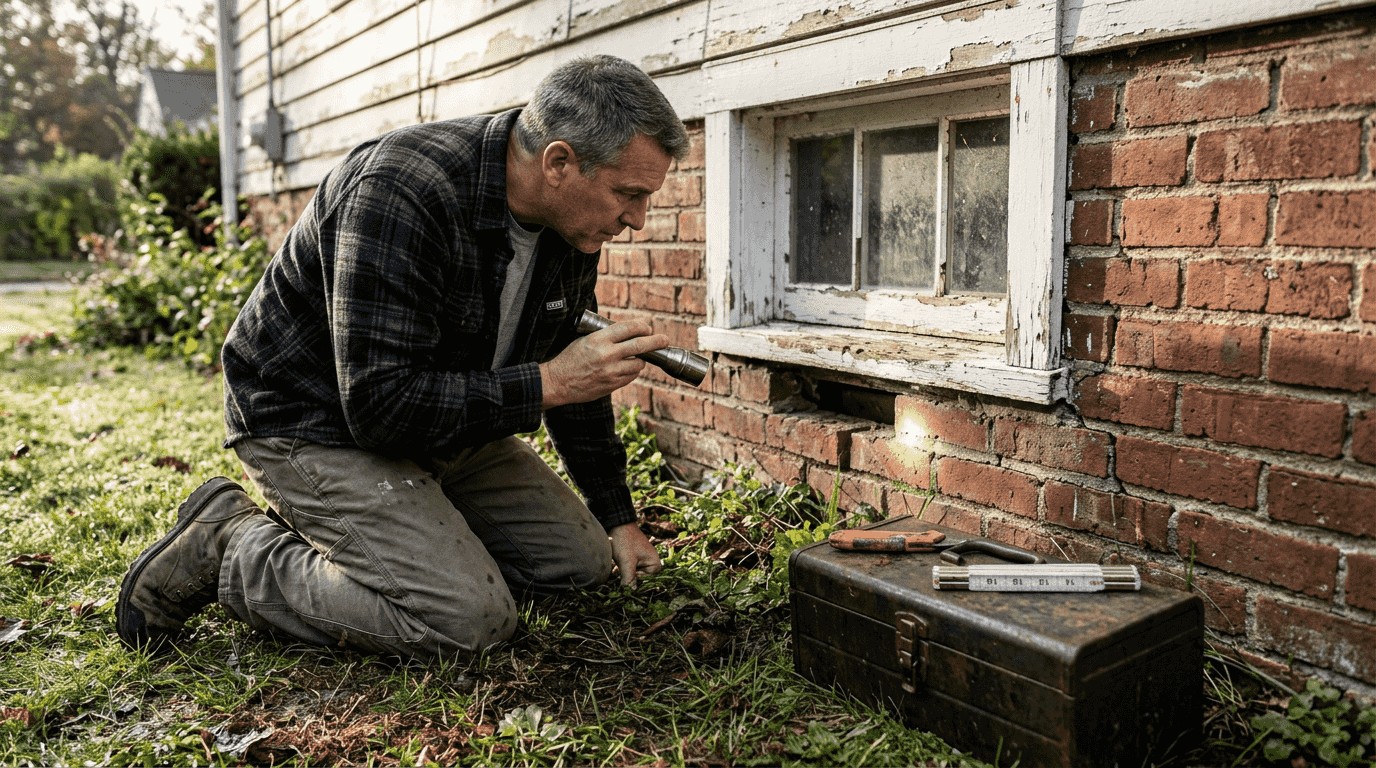
Pro Tip: Inspect your home’s exterior at ground level during daylight, then repeat the inspection at night with a flashlight from inside your basement or crawl space. Light visible through cracks indicates rodent entry points requiring immediate sealing.
Successful rodent exclusion techniques combine material science with behavioral knowledge. Rodents gnaw constantly to maintain tooth length, so barriers must resist this persistent pressure. Metal meshes and rigid materials outperform soft fillers that rodents chew through within days. Your barrier strategy should account for seasonal expansion and contraction in Northeast Ohio’s freeze-thaw cycles, which can compromise poorly installed seals.
Types of effective barriers and their pros and cons
Material selection directly impacts barrier longevity and effectiveness. Copper mesh provides superior durability and natural rodent repellency compared to alternatives. The material’s flexibility allows tight packing into irregular gaps while maintaining structural integrity against gnawing attempts.
| Material | Durability | Cost | Best Use | Limitations |
|---|---|---|---|---|
| Copper mesh | Excellent | Moderate | Permanent sealing of pipes, vents, gaps | Requires proper installation technique |
| Steel wool | Fair | Low | Temporary gaps, quick fixes | Rusts quickly, rodents eventually penetrate |
| Metal flashing | Excellent | Moderate | Foundation gaps, larger openings | Requires cutting and fitting skills |
| Expanding foam | Poor alone | Low | Irregular spaces with mesh backing | Rodents chew through easily without reinforcement |
| Cement mortar | Excellent | Low | Large structural holes, foundation cracks | Permanent, difficult to remove if access needed |
Copper mesh stands out for Northeast Ohio applications because it resists corrosion in humid conditions and maintains effectiveness through multiple seasons. Steel wool deteriorates rapidly when exposed to moisture, creating false security as rust weakens the barrier. Many homeowners discover steel wool failures only after rodents re-establish entry routes.

Metal flashing provides robust protection for foundation perimeters and larger gaps but requires proper installation tools and technique. You’ll need tin snips, measuring tools, and fasteners appropriate for your home’s exterior material. The investment pays off through decades of reliable protection when installed correctly.
Expanding foam sealants work best as gap fillers around rigid barriers rather than standalone solutions. Rodents chew through cured foam with minimal effort. However, foam combined with copper mesh creates an effective seal. The foam fills irregular spaces while the mesh provides gnaw resistance.
Pro Tip: Purchase 100% copper mesh rather than copper-coated steel alternatives. Pure copper maintains repellency properties and doesn’t rust, while coated products lose effectiveness as the coating wears through.
Some barrier materials offer additional benefits beyond physical blocking. Copper’s natural properties create an unfavorable environment for rodents, discouraging persistent gnawing attempts. This psychological deterrent complements the physical barrier, creating a more robust defense than inert materials.
Cost considerations balance upfront investment against long-term effectiveness. While copper mesh costs more initially than steel wool, its superior longevity eliminates repeated replacement expenses. Calculate total cost over five years rather than immediate purchase price when comparing DIY rodent proofing methods.
Integrating barriers with sanitation and monitoring for sustained control
Physical barriers alone cannot guarantee rodent-free conditions. Successful control requires a three-pronged approach combining exclusion, sanitation, and monitoring. Layering these defenses creates synergistic effects that outperform any single method.
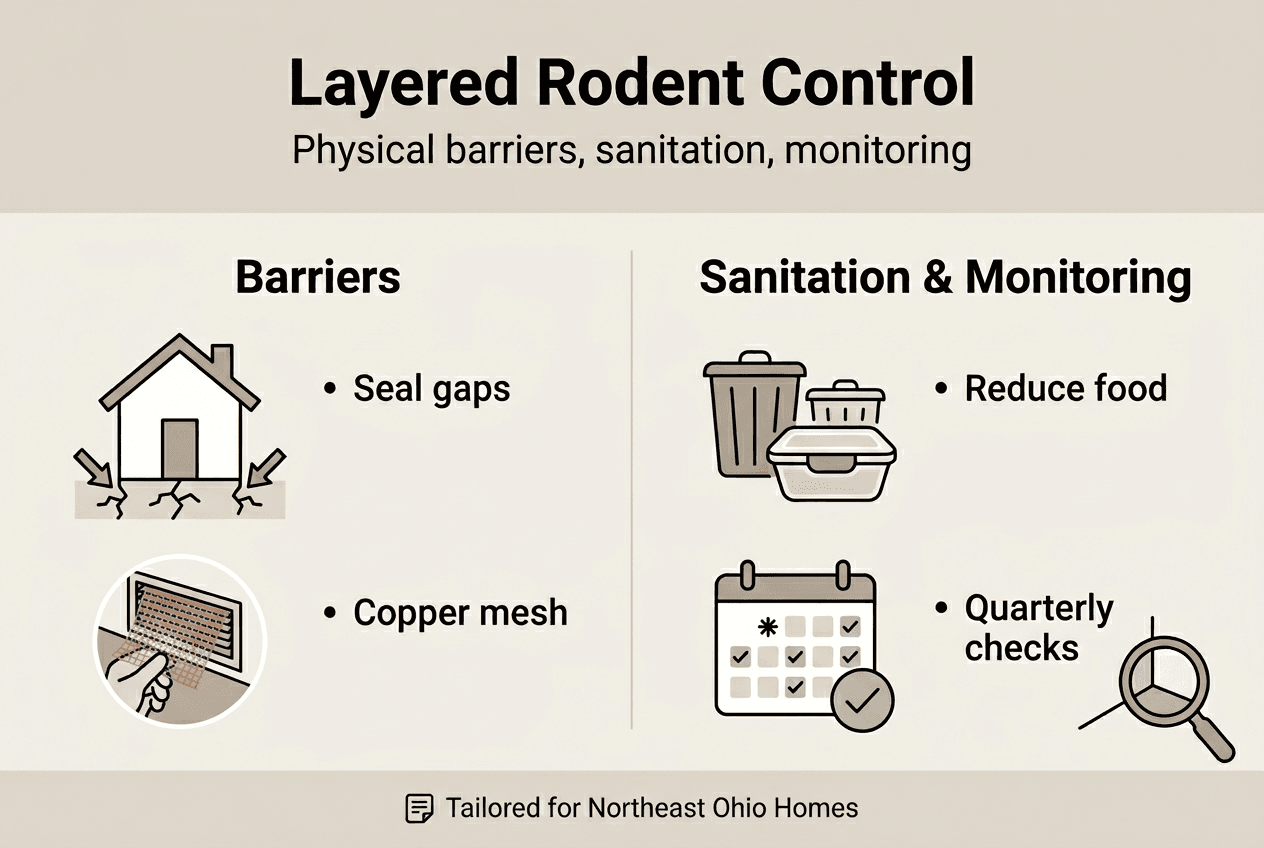
Sanitation removes the food sources and nesting materials that attract rodents to your property. Clean up fallen birdseed, secure garbage in rodent-proof containers, and eliminate clutter in storage areas. Rodents need only small amounts of food daily, so even minor sanitation lapses undermine barrier effectiveness by maintaining population pressure at entry points.
Regular monitoring detects early signs of rodent activity before populations establish. Check for droppings, gnaw marks, grease trails, and unusual pet behavior monthly. Early detection allows prompt response that prevents minor incursions from becoming major infestations. Monitoring also reveals barrier failures requiring repair.
“Integrated pest management combining exclusion, sanitation, and monitoring reduces rodent populations more effectively and sustainably than relying on any single control method.”
Implement your integrated approach following these steps:
- Conduct a thorough property inspection identifying all potential entry points and existing rodent signs
- Remove food sources, water access, and nesting materials through comprehensive sanitation
- Install physical barriers at identified entry points using appropriate materials for each location
- Establish a monitoring schedule checking key indicators monthly
- Document findings and adjust strategies based on monitoring results
- Perform seasonal barrier inspections and maintenance to address weather-related damage
This structured approach creates accountability and ensures consistent application. Many homeowners start strong but let maintenance lapse, allowing rodents to exploit new vulnerabilities. Your rodent prevention checklist 2026 should include quarterly reviews of all three control elements.
The layered defense concept recognizes that no single method achieves 100% effectiveness. Barriers may develop small gaps, sanitation occasionally lapses, and monitoring might miss subtle signs. However, when you maintain all three elements, weaknesses in one layer are compensated by strengths in others. This redundancy provides reliable protection even when individual components experience temporary failures.
Professional pest control services excel at implementing integrated approaches because they bring systematic processes and quality control. However, homeowners can achieve excellent results by following safe rodent control steps consistently and maintaining vigilance across all three control elements.
Practical tips for installing and maintaining rodent barriers in Northeast Ohio homes
Successful barrier installation begins with comprehensive inspection. Walk your home’s perimeter examining the foundation-to-siding junction, utility penetrations, vent screens, and door thresholds. Common Northeast Ohio entry points include:
- Foundation cracks widened by freeze-thaw cycles
- Gaps around air conditioning line penetrations
- Deteriorated weatherstripping on garage doors
- Damaged crawl space vent screens
- Spaces around plumbing pipes entering the structure
- Gaps beneath exterior doors lacking proper sweeps
Use copper mesh for any gap exceeding half an inch in diameter. Pack the mesh tightly using a screwdriver or similar tool to compress it into the opening. The mesh should fill the space completely without gaps that rodents might exploit. For gaps around pipes, wrap copper mesh around the pipe then pack additional mesh into the surrounding space.
Pro Tip: Take photos of each repair location and date them. This documentation helps you track barrier longevity and identify locations requiring more frequent maintenance during seasonal inspections.
Inspect barriers quarterly and after significant weather events. Northeast Ohio’s temperature swings cause structural movement that can compromise seals. Spring inspections should focus on winter damage, while fall checks prepare barriers for increased rodent pressure as outdoor populations seek indoor shelter.
| Season | Inspection Focus | Common Issues | Maintenance Priority |
|---|---|---|---|
| Spring | Winter damage assessment | Foundation cracks from frost heave | Repair structural gaps |
| Summer | Vegetation management | Overgrown plants creating rodent highways | Trim vegetation 12 inches from foundation |
| Fall | Pre-winter preparation | Deteriorated weatherstripping | Replace door sweeps and seals |
| Winter | Activity monitoring | Increased indoor pressure | Check for new droppings or signs |
Maintain a 12-inch vegetation-free zone around your foundation. Overgrown shrubs and groundcover provide rodent highways to your home’s exterior and conceal entry points during inspections. This clearance also reduces moisture against the foundation, preventing the deterioration that creates new gaps.
Field studies confirm barriers maintain effectiveness when homeowners perform regular maintenance. Set calendar reminders for quarterly inspections rather than relying on memory. Consistent maintenance catches small problems before they become expensive repairs.
Complex barrier projects benefit from professional installation. Multi-level homes, finished basements with concealed entry points, and properties with extensive foundation damage require specialized knowledge and equipment. Professional services provide warranties guaranteeing barrier effectiveness, offering peace of mind that DIY approaches cannot match.
Document your barrier locations and materials used. This record helps future maintenance by identifying which areas used copper mesh versus other materials and when installation occurred. Include notes about any challenging installations that required special techniques.
Consider hiring professionals for initial comprehensive exclusion, then maintain barriers yourself. This hybrid approach leverages expert knowledge for complex installations while keeping ongoing costs manageable. Many homeowners find this balance optimal for long-term rodent control success.
Your Ohio rodent exclusion tips should emphasize prevention over reaction. Installing barriers before rodent signs appear costs less and causes less stress than emergency exclusion during active infestations. Proactive homeowners enjoy better outcomes and lower total costs over time.
Get expert rodent barrier solutions with Apex Pest Control
Implementing comprehensive barrier protection requires expertise, quality materials, and systematic application. Apex Pest Control delivers customized rodent exclusion services throughout Northeast Ohio, using proven techniques that provide lasting results. Our licensed technicians identify every vulnerability in your home’s envelope and install durable barriers using copper mesh and professional-grade materials.
We combine thorough inspections with detailed documentation, showing you exactly where rodents might enter and how we’re preventing access. Our approach integrates barrier installation with sanitation guidance and monitoring strategies, creating the layered defense that research confirms works best. Compare our residential pest solutions to understand how professional service delivers superior value.
Schedule your comprehensive rodent inspection today. Our team will evaluate your property, recommend specific barrier solutions, and provide a detailed quote with no obligation. We guarantee our work, ensuring your investment provides the protection your family deserves. Discover why over 200 five-star reviews recognize Apex Pest Control as Northeast Ohio’s trusted rodent control partner.
Don’t wait until rodents establish themselves in your home. Our professional rodent extermination services address existing infestations while preventing future problems through comprehensive exclusion. Request your free pest control quote and take the first step toward permanent rodent protection.
Frequently asked questions
What makes physical barriers effective for rodent control?
Barriers physically block rodent access to your home by sealing entry points they cannot penetrate. Unlike chemical repellents that lose effectiveness over time, properly installed barriers using copper mesh or metal flashing provide mechanical prevention that rodents cannot overcome through habituation.
How do barriers fit into integrated pest management?
Barriers form one essential component of integrated control alongside sanitation and monitoring. This layered approach addresses rodent problems from multiple angles, with each element compensating for potential weaknesses in others. Research confirms this combination outperforms single-method strategies for sustained population control.
Why choose copper mesh over steel wool for barriers?
Copper mesh resists corrosion in humid conditions and maintains structural integrity indefinitely, while steel wool rusts and deteriorates within months. Copper also provides natural rodent repellency that discourages gnawing attempts. Though copper costs more initially, its longevity eliminates repeated replacement expenses.
How often should I inspect rodent barriers?
Inspect barriers quarterly and after significant weather events. Northeast Ohio’s freeze-thaw cycles cause structural movement that can compromise seals. Seasonal inspections catch small problems before they become major vulnerabilities, maintaining continuous protection throughout the year.
When should I hire professional rodent exclusion services?
Complex projects involving multi-level homes, finished basements with concealed entry points, or extensive foundation damage benefit from professional expertise. Professionals provide warranties, specialized equipment, and systematic approaches that ensure comprehensive protection. Consider professional rodent exclusion techniques for optimal results.
Can barriers alone eliminate rodent problems?
Barriers work best when combined with sanitation removing food sources and monitoring detecting early activity signs. This integrated approach creates redundant defenses that maintain effectiveness even when individual components experience temporary failures. Barriers alone cannot overcome strong attractants like accessible food or nesting sites.