



TL;DR:
- Weather influences pest activity in Ohio by affecting their timing, reproduction, and survival, requiring adaptive management. Monitoring local weather conditions and pest behavior helps homeowners implement targeted, timely treatments rather than relying on fixed schedules. Integrated pest management that adjusts to environmental cues is most effective in controlling infestations amid shifting climate patterns.
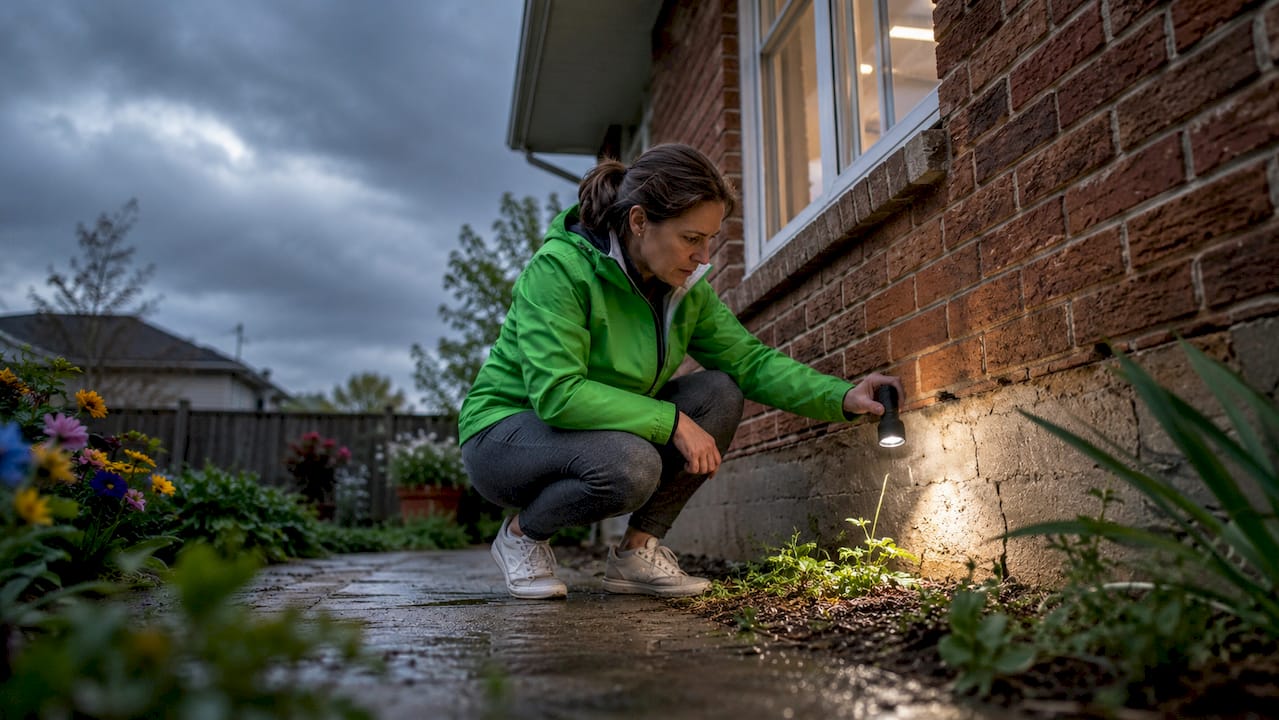
The effects of weather on pests are the single biggest driver of when and why insects and rodents invade Oakwood, Ohio homes. Temperature, humidity, and precipitation directly control pest reproduction, movement, and survival. Understanding these connections gives you a real advantage over infestations before they start. This guide covers how Ohio’s seasonal swings affect common pests like ants, what 2026 research reveals about shifting pest ranges, and what Oakwood homeowners can do right now to stay ahead of weather-driven outbreaks.
How do weather conditions and pests interact in ohio?
Weather is not just background noise for pests. It is the primary signal that tells insects and rodents when to breed, when to seek shelter, and when to go dormant. Entomologists call this relationship “phenological synchrony,” meaning pest life cycles are timed to environmental cues rather than the calendar. For Oakwood homeowners, this means a warm February or a wet June can completely reset your pest risk for the season.
Ohio sits in a climate zone where temperatures swing from below 0°F in January to above 90°F in July. That range creates multiple windows of pest vulnerability throughout the year. Ants, mosquitoes, cockroaches, and rodents each respond differently to those swings, which is why a one-size-fits-all treatment schedule rarely holds up.
The core takeaway: weather does not just affect whether pests are active. It affects how fast they reproduce, how far they spread, and how well your treatments work.
How does temperature influence pest populations in oakwood?
Temperature is the most direct lever in pest population dynamics. Most insects are cold-blooded, so their metabolism, reproduction rate, and movement speed all track with ambient temperature. When Oakwood temperatures climb above 60°F in spring, ant colonies wake up and begin foraging. When temps push past 90°F, insect populations surge rapidly, with species like leafhoppers and beetles multiplying faster than most homeowners expect.
Mosquitoes follow a tighter temperature window. Mosquito density peaks at around 21.76 per light trap per night when temperatures sit in the 60–73°F range, then drops off above that threshold. That means Oakwood’s late May and early September evenings are often the highest-risk windows, not the peak of summer.
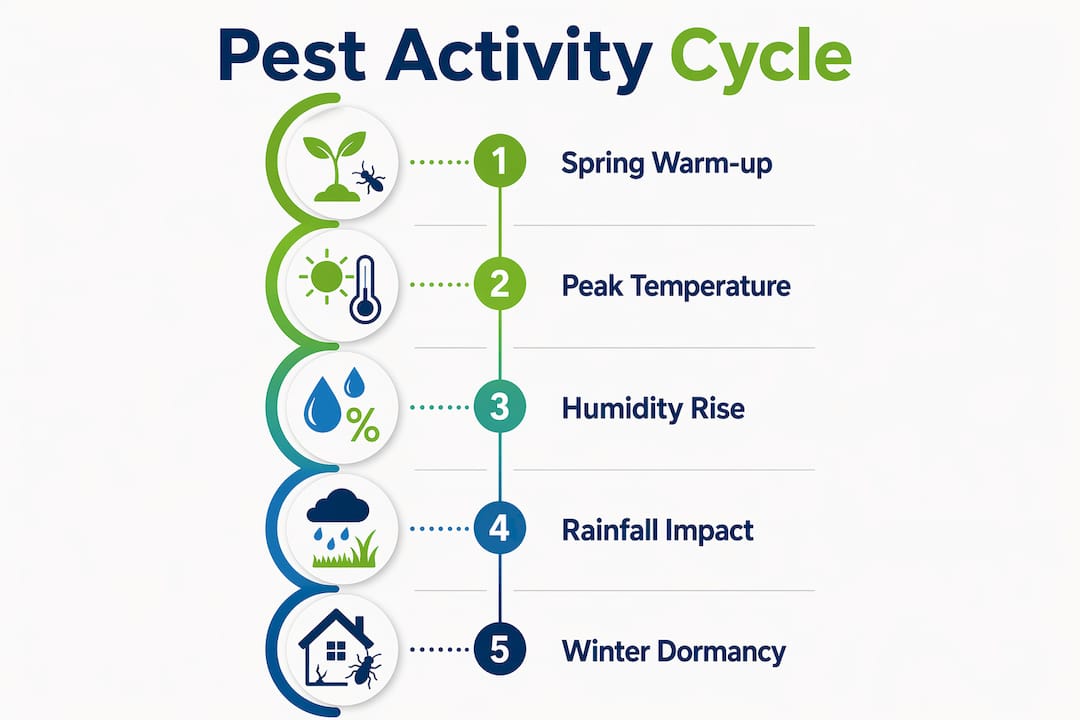
Milder Ohio winters are a growing concern. When January temperatures stay above freezing for extended stretches, more overwintering pests survive to spring. Pest suitability is projected to expand from 12% to 15–16% of suitable habitat by 2050, with economic losses from pest damage nearly doubling. For Oakwood residents in older ranch-style homes near Sharonbrook or the Oakwood Club area, that means more ants and rodents making it through winter in wall voids and crawl spaces.
Key temperature thresholds to watch in Oakwood:
- Below 40°F: Most insects go dormant; rodents actively seek indoor warmth
- 40–60°F: Ant scouts begin emerging; cockroach activity increases indoors
- 60–73°F: Peak mosquito activity; ant colonies fully active and foraging
- Above 90°F: Rapid reproduction cycles for multiple pest species
Pro Tip: Track the first week of sustained 55°F+ nights in spring. That is your signal to inspect foundation cracks, window seals, and garage door gaps before ants establish foraging trails into your home.
Does rain and humidity drive more pests into your home?
Humidity and precipitation are the second major force shaping pest behavior in Ohio. High humidity and standing water create ideal breeding conditions for mosquitoes, which lay eggs in as little as a bottle cap of stagnant water. After a heavy rain event in Oakwood, low-lying yards and clogged gutters become mosquito nurseries within 48–72 hours.
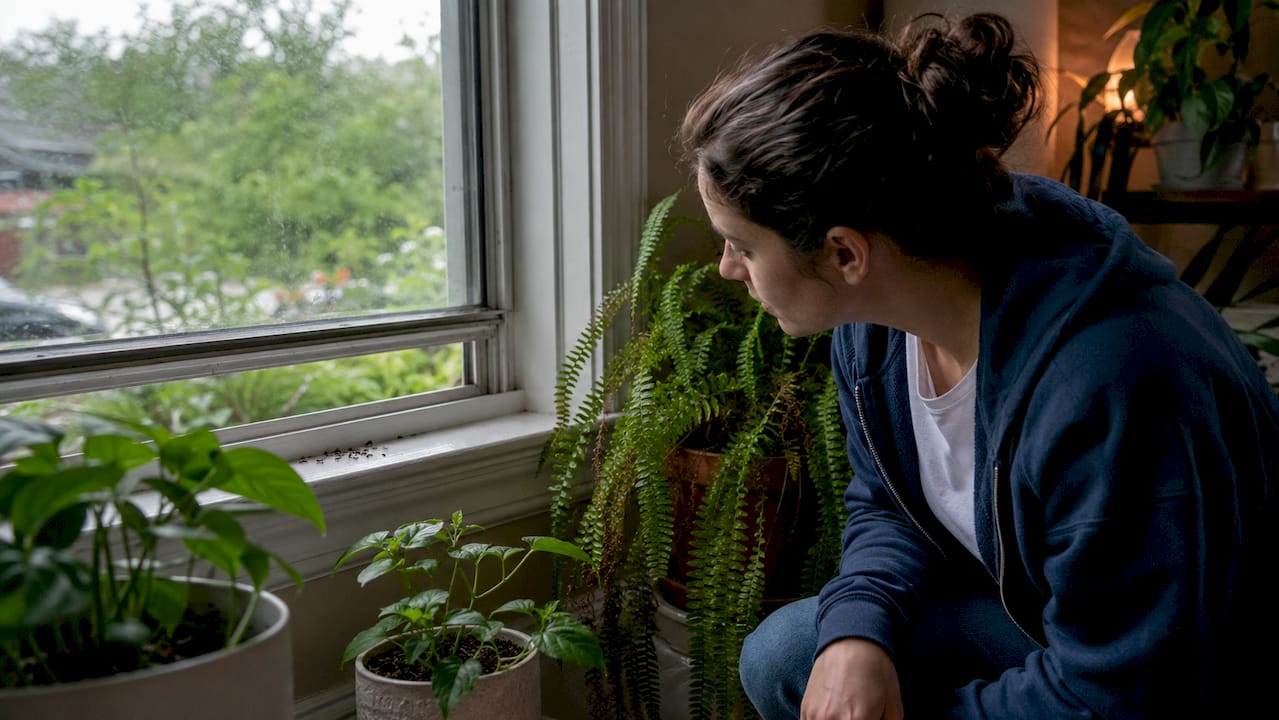
Ants respond to rain differently. Saturated soil drives carpenter ants and pavement ants out of their underground galleries and toward dry shelter. Oakwood’s mix of mature trees and older brick homes gives these ants plenty of entry points: gaps around utility lines, deteriorating mortar, and wood trim that contacts soil. A wet spring is almost always followed by a spike in ant calls to pest control companies across Cuyahoga County.
Soil moisture and air humidity also influence when overwintering pests emerge from diapause. The timing of that emergence relative to your home’s condition matters more than the total rainfall amount. A pest that wakes up two weeks early because of an unusually warm, wet March can establish a colony before most homeowners even think about spring pest control.
Steps to reduce moisture-related pest risk in your Oakwood home:
- Clean gutters every fall and after major spring storms to eliminate standing water
- Grade soil away from your foundation to prevent water pooling near entry points
- Fix leaking outdoor faucets and downspout extensions that deposit water near the house
- Store firewood at least 20 feet from the home and off the ground
- Use a dehumidifier in basements and crawl spaces to keep humidity below 50%
Pro Tip: After any rain event that drops more than an inch, walk your property within 24 hours and look for new water collection spots. Eliminating those within 48 hours breaks the mosquito breeding cycle before it starts.
How do shifting climate patterns affect pesticide effectiveness in ohio?
Unpredictable weather does not just change when pests show up. It changes how well your treatments work. Weather conditions modify pest susceptibility and shift the optimal treatment windows for pesticides. Rain immediately after an outdoor application washes residual products off surfaces before they can work. Extreme heat can cause some formulations to break down faster than expected.
Research published in 2026 confirms that pest responses to warming are highly variable. Some species increase under warmer conditions while others decline. This challenges the assumption that every warm year means more pests across the board. For Oakwood homeowners, it means a treatment plan built on a fixed seasonal calendar is increasingly unreliable.
| Approach | Calendar-Based | Observation-Based |
|---|---|---|
| Timing | Fixed dates (e.g., April 1) | Triggered by weather events and pest sightings |
| Flexibility | Low | High |
| Accuracy | Decreasing as climate shifts | Increases with local data |
| Cost efficiency | Can waste treatments | Targets active pest windows |
| Recommended for Ohio | No | Yes |
Climate-driven range expansion adds another layer of complexity. Pests that were rare in northern Ohio a decade ago are now appearing in Oakwood neighborhoods. Stink bugs and certain tick species have extended their ranges northward as winters moderate. This means your pest awareness list needs to grow alongside the changing climate.
Practical steps for weather-adaptive pest management:
- Check weather forecasts before any outdoor pesticide application and avoid treating within 24 hours of rain
- Use pheromone traps to detect pest activity before populations peak rather than treating on a fixed schedule
- Consult pest monitoring resources specific to Northeast Ohio to track local emergence patterns
- Adjust treatment frequency during unusually warm winters when overwintering survival rates are higher
What are the best pest management practices for oakwood homeowners?
Effective pest management in Oakwood starts with removing what pests need to survive, not just killing the ones already present. Sanitation and host removal are the most reliable deterrents against pest outbreaks regardless of weather conditions. That means eliminating food sources, sealing entry points, and reducing harborage areas around your property.
Integrated pest management, or IPM, is the professional standard for weather-adaptive control. IPM combines monitoring, prevention, and targeted treatment rather than blanket chemical applications. Apexpestcontrol has used IPM principles since 1969, adjusting treatment strategies based on what is actually happening in your home and yard rather than what a calendar says should be happening.
Here is a practical action sequence for Oakwood homeowners:
- Inspect in early spring (first 55°F week): Check foundation gaps, window frames, and utility entry points. Seal any opening wider than a pencil eraser.
- Set monitoring tools: Place pheromone traps in the garage, basement, and kitchen to detect ant and cockroach activity early.
- Time treatments to weather: Schedule outdoor perimeter treatments during a dry window of at least 48 hours. Avoid applications before forecasted rain.
- Follow a seasonal checklist: Use a seasonal pest control checklist built for Ohio’s specific weather patterns to stay organized across all four seasons.
- Review pest threats by season: Know which pests peak in each season by referencing Ohio-specific seasonal pest threat guides so you are never caught off guard.
- Call a professional after weather events: Significant rain, a warm winter stretch, or an early spring are all triggers to schedule a professional inspection before populations establish.
Proactive monitoring tied to local weather timing is the single most effective habit Oakwood homeowners can build. Catching a problem at two ants is far easier than addressing it at two thousand.
Key takeaways
Weather controls pest behavior in Ohio, and observation-based management tied to local conditions outperforms any fixed treatment calendar.
| Point | Details |
|---|---|
| Temperature drives pest timing | Ants and mosquitoes become most active between 55–73°F; watch for first warm weeks in spring. |
| Rain creates breeding windows | Standing water after rain produces mosquito populations within 48–72 hours; eliminate it fast. |
| Mild winters increase survival | More pests survive Ohio winters when temperatures stay above freezing, raising spring infestation risk. |
| Weather affects treatment timing | Apply pesticides during dry windows; rain within 24 hours reduces effectiveness significantly. |
| Observation beats the calendar | Pest responses to warming vary by species; monitor locally rather than treating on fixed dates. |
What i’ve learned watching oakwood homes through ohio winters
After years of observing pest patterns across Cuyahoga County, the most consistent mistake I see Oakwood homeowners make is trusting the calendar over the thermometer. People schedule their spring ant treatment for April 15 every year, regardless of whether March was 65°F or 28°F. That fixed thinking is exactly how an early-season ant colony gets a three-week head start on your defenses.
The homes that stay pest-free longest are the ones where the owner pays attention to what the weather is actually doing. A warm stretch in February is not just a nice break from winter. It is a signal that carpenter ants in your attic are already moving. A wet May is not just good for your garden. It is a mosquito and ant surge waiting to happen in your yard.
What I find most underappreciated is the lag effect. Pests do not respond to weather instantly. A wet April often shows up as an ant problem in June. A mild December shows up as a rodent problem in February. Building that mental model, connecting today’s weather to next month’s pest risk, is what separates reactive homeowners from proactive ones.
My honest recommendation: stop thinking about pest control as something you do once a year. Think of it as something you adjust every time the weather makes a significant shift. That mindset, paired with a professional inspection at least twice a year, is the most reliable system I have seen work in Oakwood’s unpredictable climate.
— Dushan
How Apexpestcontrol helps oakwood homeowners stay ahead of weather-driven pests
Apexpestcontrol has served Ohio homeowners since 1969, and weather-adaptive pest management is central to how the team operates. Rather than applying the same treatment on the same dates every year, Apexpestcontrol adjusts its approach based on current conditions, pest activity reports, and local weather patterns specific to Oakwood and the surrounding Cuyahoga County area. Whether you are dealing with ants after a wet spring or rodents following a mild winter, the team brings residential pest solutions built for Ohio’s climate. Get a free quote today by calling 1-800-684-2284 or visiting Apexpestcontrol online to schedule an inspection before the next weather shift brings the next wave of pests to your door.
FAQ
What weather conditions cause the most pest activity in ohio?
Warm, humid conditions between 60–73°F create peak activity for mosquitoes and ants in Ohio. Wet springs and mild winters compound the problem by boosting reproduction and overwintering survival rates.
Why do ants invade homes after heavy rain in oakwood?
Rain saturates soil and floods underground ant galleries, forcing colonies to seek dry shelter. Oakwood’s older homes with brick foundations and wood trim near soil are common entry points during and after rain events.
Does a mild ohio winter mean more pests in spring?
Yes. When winter temperatures stay above freezing for extended periods, more overwintering insects and rodents survive to spring. Research projects pest habitat suitability will expand significantly by 2050 as winters continue to moderate.
How does weather affect pesticide effectiveness?
Rain within 24 hours of application washes residual pesticides off surfaces before they work. Extreme heat can also degrade certain formulations faster than expected, reducing the active treatment window.
What is the best pest management approach for unpredictable ohio weather?
Integrated pest management tied to local weather observations outperforms calendar-based schedules. Monitor for pest activity after significant weather events and time treatments to dry, moderate-temperature windows for best results.