



TL;DR:
- Pest habitat modification involves changing environmental conditions to lower resources pests need, emphasizing prevention over chemicals. It is the foundation of integrated pest management, addressing water, food, shelter, and access to prevent infestations efficiently. Regular, comprehensive habitat control combined with exclusion and sanitation provides the most sustainable protection against pests like ants in Oakwood, Ohio.
Pest habitat modification is the deliberate process of altering environmental conditions around your property to remove the resources pests need to survive, reproduce, and spread. For Oakwood, Ohio homeowners dealing with seasonal ant invasions, this approach sits at the core of Integrated Pest Management (IPM), the framework that prioritizes prevention over chemical reaction. The four key habitat drivers are water, food, shelter, and access. Reduce all four, and you reduce the infestation. This article breaks down exactly how to do that for the housing types, climate patterns, and ant species common to Oakwood and the surrounding Ohio region.
What key habitat factors attract pests to Ohio homes?
Pest infestations follow a simple logic: pests go where resources are available. The four primary attractants are moisture, food sources, shelter, and structural access points. Understanding each one is the first step toward modifying pest environments before an infestation takes hold.
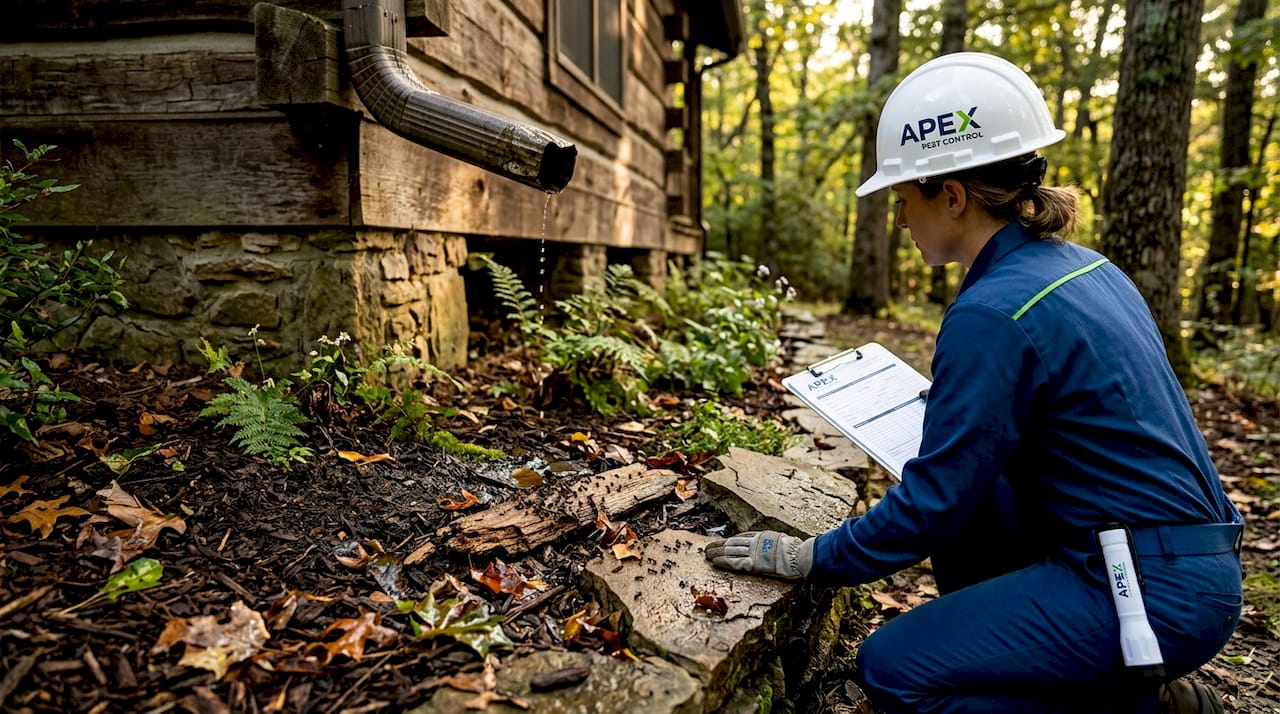
Ohio’s humid summers and wet springs create ideal conditions for ant colonies to thrive near residential foundations. Oakwood homes with slab foundations, dense garden mulch beds, and mature tree canopies are particularly vulnerable because each feature provides at least one of the four habitat drivers. A prevention-first approach targets water, food sanitation, and entry pathways before reaching for chemical treatments. That sequence matters because it addresses root causes rather than symptoms.
Here are the specific habitat conditions that most commonly drive ant pressure in Oakwood properties:
- Moisture accumulation: Clogged gutters, low-lying yard areas, and leaking outdoor spigots create standing water that ants use as a water source. Ohio’s average annual rainfall of around 38 inches means drainage management is a year-round task.
- Food sources: Outdoor trash cans without tight lids, pet food left on porches, and fallen fruit from backyard trees all signal food availability to foraging ants.
- Shelter and nesting sites: Woodpiles stacked against the house, thick mulch layers deeper than three inches, and yard debris like leaf piles give ants protected nesting zones within feet of your foundation.
- Structural access: Gaps around window frames, door sweeps that no longer seal flush, and cracks near plumbing penetrations are the highways ants use to move indoors. Water accumulation in gutters and mulch buildup against foundations compound this risk significantly.
Pro Tip: Inspect your property’s perimeter every spring and fall, specifically checking gutters, mulch depth, and door seals. Oakwood’s ant activity peaks in April through June and again in September, so those are your highest-risk windows.
How does habitat modification fit into integrated pest management?
Integrated Pest Management is a structured approach to pest control that prioritizes altering the conditions pests rely on before applying any chemical intervention. Habitat modification is not a standalone tactic. It is the foundation layer of IPM, and every other control method builds on top of it.
IPM encourages altering conditions pests depend on, shifting the focus from extermination to prevention. This distinction matters practically. A homeowner who treats an ant trail with spray but leaves the mulch bed against the foundation will see the same ants return within weeks. The spray addressed the symptom. The mulch bed is the cause.
Humane pest control, a growing practice among Ohio property managers, relies heavily on habitat modification as its primary tool. Humane pest control techniques include removing yard clutter, storing food tightly, and combining exclusion with monitoring rather than defaulting to broad-spectrum pesticides. This approach protects non-target species like ground beetles and spiders that naturally suppress ant populations.
The contrast with reactive pesticide use is stark in terms of long-term results:
- Reactive chemical treatment addresses visible pests but leaves habitat conditions unchanged, guaranteeing reinfestation.
- Habitat modification removes the reason pests are present, reducing the frequency and severity of future infestations.
- Combining habitat modification with exclusion, meaning physically sealing entry points, improves control effectiveness far beyond either tactic used alone.
- Habitat modification works best preventatively when paired with sanitation and exclusion rather than applied as a reactive measure after an infestation is established.
For Oakwood homeowners, the practical takeaway is this: treat habitat modification as your first line of defense, not your last resort. Explore IPM strategies for Ohio homes to understand how each layer of the framework connects.
What habitat modification techniques reduce ant infestations in Oakwood?
Modifying pest environments around an Oakwood property requires specific, sequenced actions. Generic advice like “keep things clean” does not account for Ohio’s climate, local ant species like pavement ants and odorous house ants, or the architectural features common to Oakwood neighborhoods near Shafor Park and the Oakwood Club area. Here is a practical, ordered approach:
- Eliminate standing water. Fix leaking outdoor faucets, regrade low spots in your yard that pool after rain, and clean gutters at least twice a year. Ants need water to survive, and removing it forces colonies to relocate away from your foundation.
- Secure all food sources. Use sealed containers for outdoor trash and compost. Bring pet food bowls inside after feeding. Remove fallen fruit from trees within 24 hours. These steps cut off the food signals that scout ants use to recruit their colonies toward your home.
- Declutter your yard. Move woodpiles at least 20 feet from the house. Remove leaf piles, old lumber, and unused garden equipment that create sheltered nesting zones. Ants establish satellite colonies in these spots before moving indoors.
- Trim vegetation away from the structure. Cut tree branches that overhang or touch the roofline. Thin shrubs and ground cover planted directly against the foundation. Vegetation touching your home acts as a bridge, giving ants a direct route to siding gaps and roofline vents.
- Manage mulch strategically. Keep mulch depth at two inches or less, and maintain a six-inch gap between mulch and your foundation wall. Deep mulch against a foundation retains moisture and warmth, creating near-perfect ant nesting conditions.
- Seal all structural entry points. Use silicone caulk around window frames, door frames, and plumbing penetrations. Replace worn door sweeps. Check vents for damaged screens. Sealing small entry points around rooflines, vents, and foundation cracks is a critical step that exclusion and habitat management must address together.
- Time your maintenance seasonally. Perform your most thorough inspection and sealing work in late March before ant colonies become active, and again in late August before fall foraging intensifies. Ohio’s freeze-thaw cycles also open new foundation cracks each winter, so a spring check is non-negotiable.
Pro Tip: Schedule a professional inspection in April or September. A trained technician will identify entry points and habitat conditions you are likely to miss, particularly around rooflines and crawl space vents where ant activity often starts.
How can beneficial insects help modify pest environments naturally?
Biological pest control is the practice of using natural enemies to suppress pest populations, and habitat modification is the tool that makes it work. By creating the right conditions in your yard, you can support predatory and parasitic insects that keep ant populations in check without any chemical input.
Planting hedgerows or leaving leaf litter provides habitat for natural enemies like ground beetles, parasitic wasps, and predatory ants that suppress pest species. For Oakwood homeowners, this means a managed leaf litter zone along a fence line or a native plant border is not just aesthetically pleasing. It is a functional pest suppression tool.
Native or naturalized perennial species with varied bloom times and colors increase beneficial insect diversity and improve pest suppression outcomes. Plants like wild bergamot, purple coneflower, and goldenrod are well-suited to Ohio’s climate and attract the parasitic wasps that target many ant species.
Maintaining these beneficial habitats requires real commitment. NC State Extension advises active multi-season maintenance for effective beneficial insect habitat, including weeding, irrigation during dry spells, and seasonal plant removal. Neglecting this maintenance allows invasive plants like garlic mustard to take over, which undermines the habitat’s pest suppression value entirely.
| Beneficial habitat element | Pest suppression benefit |
|---|---|
| Native perennial plantings | Attracts parasitic wasps that target ant colonies |
| Leaf litter zones | Shelters ground beetles that prey on ant larvae |
| Mulch refuges (managed) | Supports predatory insects without creating ant nesting sites |
| Reduced pesticide use | Preserves existing natural enemy populations on your property |
Pro Tip: Monitor your beneficial habitat zones monthly. Seeing ground beetles, hoverflies, or parasitic wasps is a reliable indicator that your habitat modification is working. Their absence signals a maintenance gap.
What challenges should Oakwood homeowners expect when modifying pest habitats?
Habitat modification is not a one-time project. It is an ongoing practice, and several real-world complications can undermine results if you are not prepared for them.
Research on how human presence affects habitat use shows that pest species respond to both landscape changes and human activity patterns in non-linear ways. In practical terms, this means that modifying one habitat factor while leaving others unchanged often produces unpredictable results. Sealing your foundation but leaving a woodpile against the house simply redirects ants rather than eliminating them.
Common pitfalls Oakwood homeowners encounter include:
- Sealing visible entry points but missing roofline gaps and soffit vents where ants commonly enter older homes.
- Removing mulch from one side of the foundation but leaving dense plantings on the other, creating an uneven barrier that ants route around.
- Performing habitat modification once in spring and assuming the work is done, when Ohio’s summer rainfall and fall leaf drop continuously reset habitat conditions.
- Relying solely on habitat modification without any exclusion or targeted treatment during an active infestation, which slows results significantly.
“Pest habitat responses can be non-linear due to interactions between human presence and landscape changes, indicating that integrated approaches are more effective than single-tactic strategies.” — Science, 2024
Ohio’s specific rainfall patterns, averaging over three inches per month from April through September, mean moisture management requires consistent attention throughout the warm season. Oakwood’s mix of older ranch-style homes and two-story colonials also means entry point locations vary widely by property, making a generic checklist insufficient without a property-specific assessment.
Pro Tip: Treat habitat modification as a layered system. Combine moisture control, vegetation management, sanitation, and exclusion simultaneously. Removing any single layer reduces the effectiveness of all the others.
Key takeaways
Pest habitat modification works because it removes the conditions pests need to survive, making your property structurally inhospitable rather than temporarily treated.
| Point | Details |
|---|---|
| Four core habitat drivers | Water, food, shelter, and access must all be addressed simultaneously for lasting results. |
| IPM foundation | Habitat modification is the first layer of Integrated Pest Management, not a supplemental tactic. |
| Seasonal timing matters | Oakwood ant activity peaks in spring and fall, making March and August the critical maintenance windows. |
| Beneficial insects help | Native plantings and managed leaf litter zones support natural enemies that suppress ant populations. |
| Layered approach required | Combining habitat modification with exclusion and sanitation outperforms any single tactic alone. |
Why I think most homeowners underestimate this approach
I have worked with Ohio properties long enough to know that most homeowners reach for a spray can before they ever look at their mulch depth or gutter drainage. That instinct is understandable. Spray gives you immediate visible results. Habitat modification takes weeks to show its full effect, and the results are measured in what does not happen rather than what does.
What I have seen work consistently in Oakwood is a two-phase approach. First, address the obvious habitat drivers in a single focused weekend: pull mulch back from the foundation, fix the dripping spigot, move the woodpile, and caulk the door frames. Second, schedule a professional inspection to catch the entry points you missed, because there are always entry points you missed. The combination of your own habitat work and a trained set of eyes on your roofline and crawl space is what actually moves the needle.
The homeowners who struggle are the ones who treat this as a one-time fix. Ohio’s climate resets your habitat conditions every season. Freeze-thaw cycles open new cracks. Spring rain creates new moisture zones. Fall leaves create new shelter sites. The properties that stay ant-free year after year are the ones where habitat management is a seasonal habit, not a panic response.
— Dushan
How Apexpestcontrol helps Oakwood homeowners take control
Apexpestcontrol has served Ohio homeowners since 1969, and habitat modification is built into every inspection and treatment plan. If you are managing ant pressure around your Oakwood property, the most effective next step is a professional assessment that identifies the specific habitat conditions driving your infestation. Apexpestcontrol’s team evaluates moisture sources, vegetation contact, structural gaps, and sanitation factors as part of a full residential pest solutions review. For properties also dealing with rodent pressure, the same habitat principles apply, and Apexpestcontrol’s rodent extermination services integrate habitat modification with targeted exclusion for lasting results. Call 1-800-684-2284 or request a free quote online to get started.
FAQ
What is pest habitat modification in simple terms?
Pest habitat modification means changing the conditions around your home, such as removing standing water, sealing entry points, and reducing clutter, to make your property less hospitable to pests. It targets the root causes of infestation rather than just the visible pests.
How does habitat modification differ from standard pest control?
Standard pest control typically treats an active infestation with chemical or mechanical methods. Habitat modification prevents infestations from establishing by removing the resources pests need, reducing the need for repeated treatments over time.
Which Ohio pests respond best to habitat modification?
Ants, including pavement ants and odorous house ants common in Oakwood, respond strongly to habitat modification because their colonies depend on consistent moisture, food, and shelter near the structure. Rodents and cockroaches also show significant population reductions when habitat drivers are addressed.
How long does it take for habitat modification to show results?
Most homeowners see a measurable reduction in ant activity within two to four weeks of addressing all four habitat drivers simultaneously. Partial modifications, such as fixing moisture but leaving entry points open, produce slower and less reliable results.
Do I need a professional for pest habitat modification?
You can handle many habitat modifications yourself, but a professional inspection is worth scheduling at least once a year. Technicians identify entry points and habitat conditions, particularly around rooflines and crawl spaces, that most homeowners miss during a self-assessment.