



Nearly two out of three american homeowners will face some form of rodent problem around their property each year. Rodents do more than chew through wires or steal a stray crumb—they can threaten health, homes, and peace of mind. Understanding modern exterior rodent control helps protect families and investments by stopping infestations before they start. This guide sheds light on proven prevention strategies and explains how the right approach can secure any american property against rodent threats.
Table of Contents
- Defining Exterior Rodent Control Methods
- Major Rodent Threats to Properties
- How Professional Treatments Work
- Legal and Safety Requirements in Ohio
- Common Mistakes and Prevention Tips
Key Takeaways
| Point | Details |
|---|---|
| Exterior rodent control focuses on prevention. | Implementing barriers, sanitation, and landscape management is essential to avert rodent infestations before they start. |
| Understanding rodent behavior is crucial. | Homeowners should proactively eliminate food sources and potential nesting sites to discourage rodent habitation. |
| Professional pest control offers tailored solutions. | Expert assessments and customized prevention plans are key to effectively managing rodent populations and mitigating risks. |
| Legal compliance is essential in rodent management. | Familiarity with Ohio’s regulations ensures safe and effective pest control practices that protect public health and the environment. |
Defining Exterior Rodent Control Methods
Exterior rodent control represents a strategic approach to preventing and managing rodent populations before they infiltrate your home. Unlike traditional indoor trapping methods, these techniques focus on creating barriers and deterrents around your property’s perimeter. As Wikipedia notes, while mousetraps are typically set indoors, effective exterior control requires a proactive and comprehensive strategy.
Effective exterior rodent control involves multiple interconnected methods designed to discourage rodent habitation and migration. These techniques typically include:
- Physical Barriers: Sealing potential entry points around foundations, gaps in siding, and utility line openings
- Landscape Management: Reducing dense vegetation, removing ground cover, and maintaining clear zones around structures
- Sanitation Strategies: Eliminating potential food sources like open garbage containers, fallen fruit, and unsecured compost areas
- Natural Deterrents: Using specific plants and substances that rodents find unpleasant
Safe Rodent Control Steps for Homes and Businesses emphasizes that successful exterior rodent management requires a holistic approach. Homeowners must understand that rodents are opportunistic creatures seeking shelter, food, and safe passage. By systematically removing these opportunities, you can significantly reduce the likelihood of rodent infestations.
Implementing a comprehensive exterior rodent control strategy means thinking like a rodent and anticipating potential entry points and attractions. Professional pest control services can provide targeted assessments that identify specific vulnerabilities unique to your property, creating customized prevention plans that go beyond generic solutions.
Major Rodent Threats to Properties
Rodents pose significant risks to Ohio properties, extending far beyond simple nuisance concerns. These small mammals can cause extensive structural damage, create serious health hazards, and compromise the safety and integrity of residential and commercial buildings. Rodent Control in Cleveland Ohio highlights the critical importance of understanding these potential threats before they escalate into costly problems.
The primary rodent threats to properties include:
- Structural Damage: Mice and rats continuously gnaw through wooden structures, electrical wiring, insulation, and drywall
- Disease Transmission: Rodents carry numerous pathogens including hantavirus, leptospirosis, and salmonella
- Contamination: Droppings, urine, and nesting materials can rapidly spread bacteria and compromise indoor air quality
- Rapid Reproduction: A single pair of rodents can produce dozens of offspring within months, quickly overwhelming a property
Ohio homeowners face particular challenges with specific rodent species like house mice, Norway rats, and roof rats. Each species presents unique behaviors and risks.
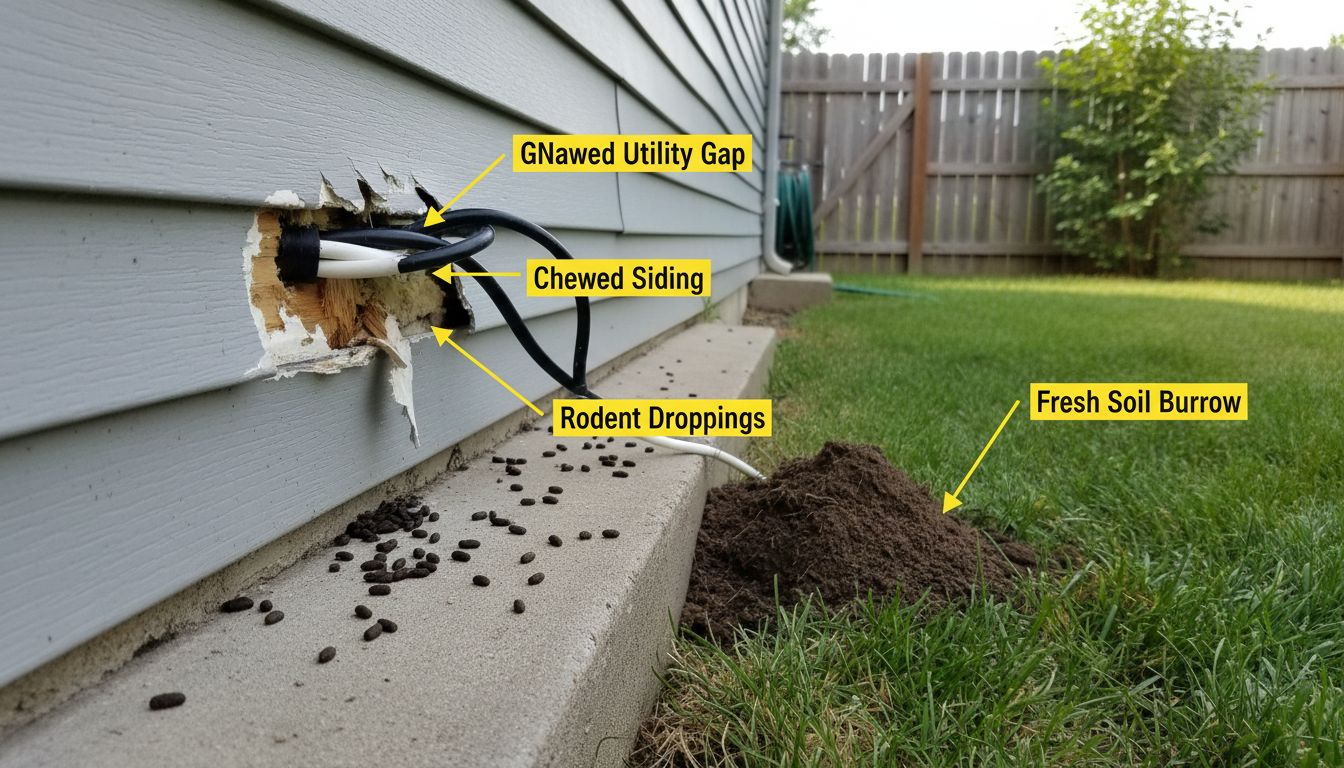 House mice, for instance, can squeeze through openings as small as a quarter inch, making them particularly challenging to prevent. Norway rats are known for extensive underground burrowing that can compromise building foundations, while roof rats excel at climbing and accessing upper-level entry points.
Professional pest control becomes crucial in managing these risks effectively. Pest Library Rodent Control emphasizes that comprehensive rodent management requires more than simple trapping—it demands a strategic approach addressing prevention, elimination, and long-term protection. Understanding these threats allows property owners to take proactive steps in safeguarding their investments against potential rodent-related damage and health risks.
How Professional Treatments Work
Professional rodent control treatments represent a sophisticated, multi-layered approach to eliminating and preventing rodent infestations. Unlike DIY methods, these strategies combine advanced technology, specialized knowledge, and comprehensive assessment techniques to address rodent problems at their root. Exterior Rodent Control – Apex Pest Control Services emphasizes the importance of a holistic approach that goes beyond simple trapping.
The professional treatment process typically involves several critical stages:
- Comprehensive Property Inspection: Detailed assessment of potential entry points, nesting areas, and environmental factors
- Customized Treatment Plan: Tailored strategies based on specific rodent species, property characteristics, and infestation severity
- Advanced Elimination Techniques: Utilizing professional-grade traps, baits, and exclusion methods
- Preventative Barrier Installation: Sealing potential entry points and creating long-term protective measures
- Ongoing Monitoring: Regular follow-up inspections to ensure complete eradication and prevent future infestations
Technicians employ a range of sophisticated tools and techniques that distinguish professional treatments from typical homeowner approaches. This includes thermal imaging to detect hidden rodent pathways, advanced tracking technologies to understand movement patterns, and eco-friendly treatment options that minimize environmental impact. Rodent Control in Cleveland Ohio highlights the importance of using targeted, scientifically-backed methods that address both immediate infestations and long-term prevention.
The ultimate goal of professional rodent control extends beyond simple elimination. Experts focus on creating an integrated pest management approach that disrupts rodent habitation cycles, removes attractants, and provides homeowners with comprehensive education about preventing future infestations. This proactive strategy ensures not just temporary relief, but a sustained, rodent-resistant environment that protects both the structural integrity and health of Ohio properties.
Legal and Safety Requirements in Ohio
Rodent control in Ohio involves a complex framework of legal and safety regulations designed to protect public health and environmental safety. Why Control Household Pests Ohio emphasizes the importance of understanding these critical guidelines before implementing any pest management strategy. According to Ohio Administrative Code, businesses and property owners must adhere to specific protocols when managing rodent populations.
Key legal requirements for rodent control in Ohio include:
- Proper Substance Handling: As mandated by Ohio Administrative Code, poisonous substances, insecticides, and rodenticides must be:
- Clearly and correctly labeled
- Stored in secure locations
- Handled to prevent potential health hazards
- Professional Certification: Pest control operators must maintain current licensing
- Environmental Compliance: Treatments must minimize ecological impact
- Safety Documentation: Maintaining detailed records of pest control interventions
Commercial facilities face additional scrutiny. The Ohio Administrative Code specifically requires designated employees to implement regularly scheduled insect and rodent control programs. For concentrated animal feeding facilities, a comprehensive insect and rodent control plan must be developed and approved by state directors, ensuring systematic and responsible pest management across various environments.
Homeowners and businesses must recognize that rodent control is not just about elimination, but about implementing safe, legally compliant strategies that protect public health. This means choosing professional services that understand Ohio’s specific regulatory landscape, use approved methods, and prioritize both effectiveness and safety in their approach to rodent management.
Common Mistakes and Prevention Tips
Homeowners often underestimate the complexity of rodent prevention, making critical errors that inadvertently attract and sustain rodent populations. Why Control Household Pests Ohio emphasizes the importance of understanding common mistakes to create an effective rodent management strategy for Ohio properties.
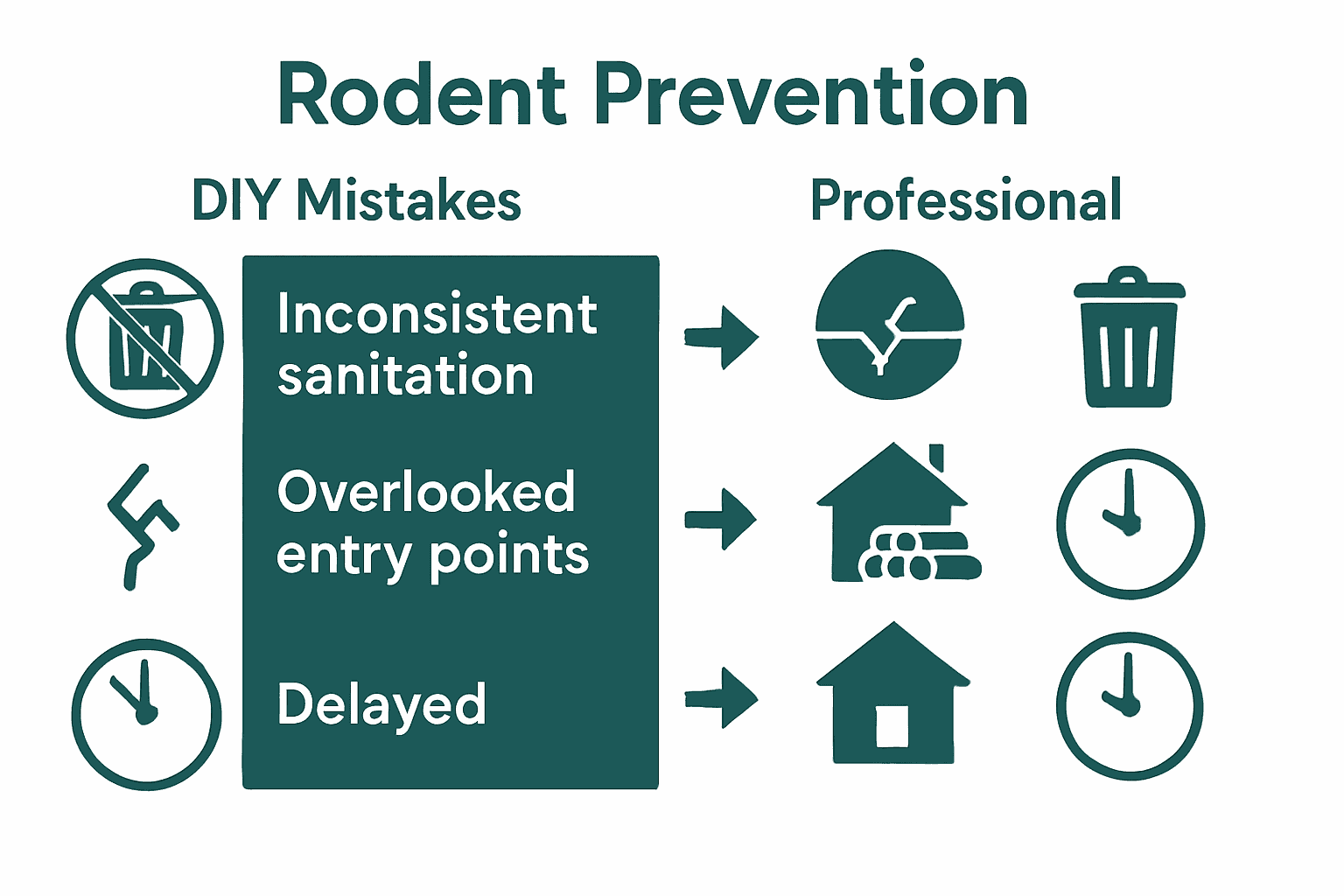
Frequent mistakes that compromise rodent prevention include:
- Inconsistent Sanitation: Leaving food exposed or garbage unsecured
- Overlooking Small Entry Points: Ignoring tiny cracks and gaps in building foundations
- Improper Storage: Keeping firewood, debris, or materials close to home exteriors
- Delayed Response: Waiting too long after spotting initial signs of rodent activity
- DIY Treatment Reliance: Using ineffective over-the-counter solutions instead of professional interventions
Prevention requires a comprehensive, proactive approach. Homeowners should conduct regular property inspections, focusing on potential entry points and eliminating attractive conditions for rodents.
 This means sealing exterior cracks, maintaining clean surroundings, storing food in sealed containers, and managing landscaping to reduce potential rodent habitats. Regular yard maintenance, such as trimming vegetation away from building foundations and removing potential nesting materials, can significantly reduce rodent attraction.
Successful rodent prevention is about creating an inhospitable environment. This means understanding rodent behavior, eliminating food and water sources, and implementing consistent barriers that make your property less appealing to these persistent creatures. Professional pest control services can provide tailored strategies that address your specific property’s unique vulnerabilities, offering a more comprehensive solution than generic prevention tactics.
Protect Your Ohio Home with Expert Exterior Rodent Control
Rodents are not just unwelcome guests but serious threats to your home’s safety and health. If you are concerned about sealing every possible entry point, eliminating hidden rodent habitats, or needing a customized prevention plan that fits your property’s unique needs you are not alone. Many Ohio homeowners face the challenges of rodent infestations that damage structures and spread disease. Apex Pest Control understands these risks and offers professional solutions designed to create a rodent-resistant environment by combining expert inspection, eco-friendly treatments, and ongoing monitoring.
Don’t wait for a small problem to turn into a costly infestation. Take proactive control today by exploring our comprehensive pest management options in the Uncategorized Archives – Apex Pest Control and secure your home with trusted exterior rodent control services. Get started now by requesting your free personalized assessment at Apex Pest Control Free Quote and experience peace of mind knowing your property is protected safely and effectively.
Frequently Asked Questions
What are the best methods for exterior rodent control?
Effective exterior rodent control methods include sealing physical barriers, managing landscapes, implementing sanitation strategies, and using natural deterrents to prevent rodent habitation.
How can I identify potential entry points for rodents in my home?
Potential entry points include gaps in foundations, holes in walls, and openings around utility lines. Inspect your property regularly to find and seal these areas.
What types of rodents are commonly found in residential areas?
Common rodent species include house mice, Norway rats, and roof rats. Each species has unique behaviors and risks, making it crucial to identify them for effective management.
Why is professional pest control recommended for rodent issues?
Professional pest control offers specialized knowledge, advanced techniques, and a comprehensive approach to not only eliminate existing infestations but also to prevent future problems effectively.