



TL;DR:
- Oakwood homeowners face a seasonal flea threat due to humid summers, mature trees, and wildlife. Effective prevention requires simultaneous pet treatment, indoor cleaning, and yard maintenance, especially during peak summer months. Persistent infestations may need professional intervention to break the flea lifecycle completely.
Oakwood, Ohio homeowners face a real flea threat every year. The local climate brings warm, humid summers that fleas love, and the neighborhood’s mature trees and green spaces attract wildlife like raccoons and opossums that carry fleas directly into your yard. A solid flea prevention checklist is not optional here. It is the difference between a minor seasonal nuisance and a full-blown infestation that takes months to clear. This guide walks you through every step, from treating your pets to managing your yard and choosing the right indoor treatments.
Table of Contents
- Key takeaways
- 1. Understanding your flea prevention checklist criteria
- 2. Pet-centered flea control tips and treatment options
- 3. Indoor cleaning and treatment steps for Oakwood homes
- 4. Yard maintenance checklist for Oakwood properties
- 5. Full flea prevention checklist with timing and recommendations
- My honest take on flea prevention in Oakwood homes
- Let Apexpestcontrol handle the heavy lifting in Oakwood
- FAQ
Key takeaways
| Point | Details |
|---|---|
| Treat pets first, always | Pet treatment is the foundation of any effective flea prevention strategy at home. |
| Combine all three fronts | Sustainable flea control requires simultaneous pet, indoor, and outdoor treatment on the same day. |
| Ohio seasonality matters | Flea activity in Oakwood peaks in summer but indoor fleas survive year-round without prevention. |
| Vacuuming is a treatment tool | Daily vacuuming during an infestation actively triggers pupae to hatch, improving treatment results. |
| Know when to call professionals | DIY works for prevention, but established infestations in Oakwood homes often need expert intervention. |
1. Understanding your flea prevention checklist criteria
Before you start buying products or scheduling treatments, you need to understand what actually drives flea control success in an Oakwood home. Not all flea problems are created equal, and the steps that work depend on your specific situation.
Your pet situation matters most. Homes with dogs and cats face a fundamentally different challenge than pet-free homes. Pets are the primary host fleas need to reproduce, so preventing fleas in pets is always step one. No amount of yard treatment or indoor spraying will hold if your dog or cat brings fleas inside every day.
Household cleanliness is a real control factor. Fleas lay eggs in carpet fibers, on upholstered furniture, and in floor cracks. The state of your floors and fabrics directly affects how fast a population grows. This is not about general tidiness. It is about targeting specific surfaces where flea eggs fall.
Outdoor conditions around your Oakwood property play a large role. Yards with leaf piles, dense shrubs near the foundation, or uncovered crawlspaces give fleas a place to thrive before they ever reach your door. Fleas prefer shaded, humid areas with tall grass, wood piles, and leaf litter, which describes plenty of Oakwood backyards in late spring.
Timing is everything in Ohio. Flea season here runs roughly April through October, but indoor flea populations can persist through winter if the cycle is not broken. Year-round monthly flea prevention is critical even in Ohio’s seasonal climate.
Pro Tip: Before you spend a dollar on products, walk your yard and identify where your pets spend the most time outdoors. Those spots are your highest-priority treatment zones.
2. Pet-centered flea control tips and treatment options
Your pets are both the most common entry point for fleas and the key to stopping the cycle. A flea prevention guide that skips thorough pet care is not worth following.
Here are the pet-focused steps every Oakwood homeowner should build into their routine:
- Use a flea comb daily during peak season. Running a fine-toothed flea comb through your pet’s coat catches adult fleas and eggs before they drop into your carpet. Do this over a white towel so you can see what you are finding.
- Apply veterinary-recommended topical or oral preventatives monthly. Products like Frontline, Bravecto, or NexGard are proven to interrupt the flea lifecycle. Talk to your vet about which format works best for your pet’s breed and weight.
- Treat all pets in the household on the same day. Pets must be treated simultaneously with home treatment. Treating one dog while leaving the cat untreated undoes everything.
- Consider natural supplements as complements, not replacements. Some Ohio homeowners add brewer’s yeast or apple cider vinegar to their pets’ routines. These are not standalone solutions, but they can reduce flea attraction when combined with proper preventatives.
- Never skip a month. Missing a single dose opens a window for reinfestation. Set a calendar reminder for the same date each month.
Pro Tip: If your pet swims regularly, topical spot treatments wash off faster. Ask your vet about oral flea prevention options, which are not affected by water exposure.
3. Indoor cleaning and treatment steps for Oakwood homes
This is where most homeowners underestimate the work involved. Fleas at different life stages, including eggs, larvae, pupae, and adults, require different tactics. Cleaning alone will not kill them all, but it changes the environment dramatically.
Step-by-step indoor flea control
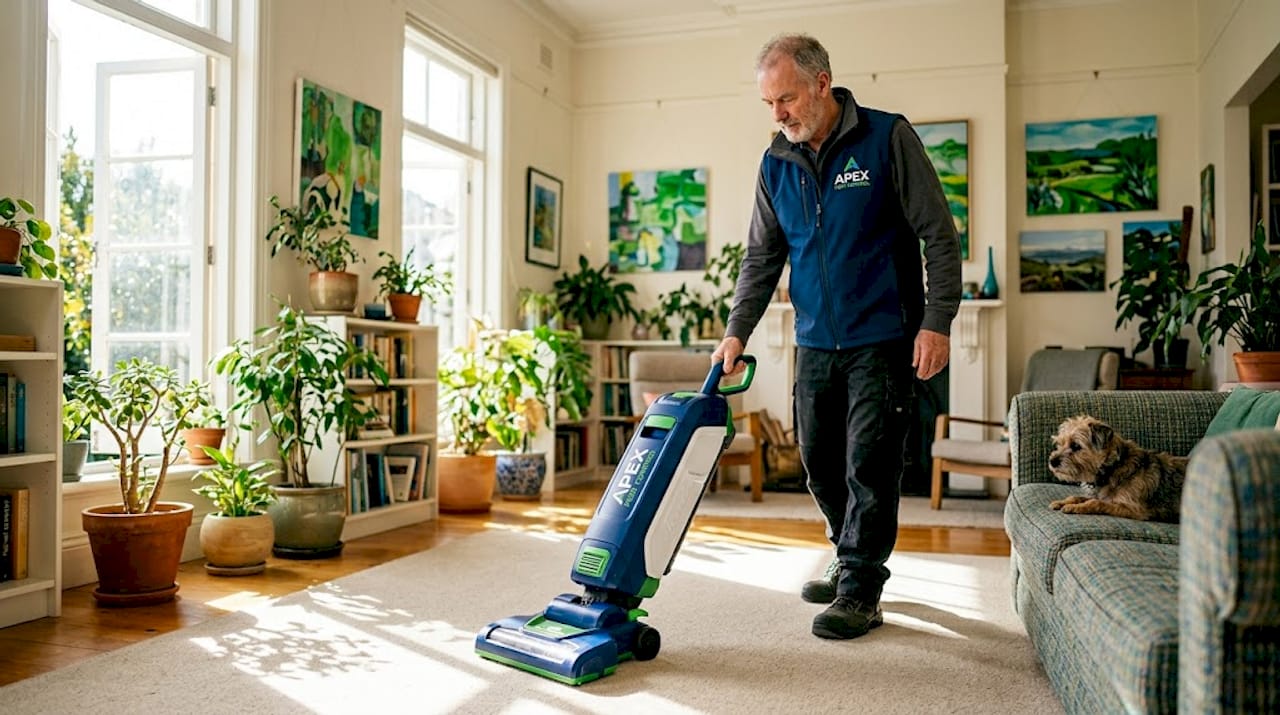
- Vacuum every floor surface daily, including edges and baseboards. Most people vacuum the middle of the room and stop there. Flea eggs and larvae concentrate along baseboards and under furniture where pets rest. Get those zones. Vacuum vibrations stimulate flea pupae to hatch, which actually increases how well your treatments work. Empty the bag or canister immediately after each session outside your home.
- Wash all pet bedding and human bedding weekly in hot water. Combined vacuuming and hot-water washing removes up to 96% of flea eggs from home environments. That number matters. Do not wash in cold water.
- Apply an indoor flea spray that contains both an adulticide and an IGR (insect growth regulator). The adulticide kills adult fleas on contact. The IGR prevents eggs and larvae from developing. Sprays combining both components provide immediate knockdown and long-term prevention, which no single-action product can match.
- Skip the flea bombs. This is a common mistake Oakwood homeowners make. Flea bombs and foggers are generally ineffective and often expose your family and pets to unnecessary toxins. They do not penetrate the spots where fleas actually hide.
- Treat hidden flea hotspots directly. Think under couch cushions, inside closets where pets nap, and along the path your pet walks most. These spots get skipped in most cleanings.
Pro Tip: After applying an IGR-based spray, avoid vacuuming for at least 14 days. Vacuuming too soon removes the IGR residue before it can work, wasting your product and resetting your progress.
Here is a quick comparison of common indoor flea treatment methods:
| Method | Effectiveness | Safety | Best for |
|---|---|---|---|
| IGR + adulticide spray | High | Good if used correctly | Active infestations |
| Flea bombs/foggers | Low | Poor (toxic residue) | Not recommended |
| Diatomaceous earth | Moderate | High (non-toxic) | Supplemental use in dry areas |
| Hot-water washing | High | Excellent | Bedding and fabrics |
| Vacuuming alone | Moderate | Excellent | Combined with other steps |
4. Yard maintenance checklist for Oakwood properties
Your yard is the primary source of new flea exposure, especially in Oakwood where mature landscaping and local wildlife create ideal flea habitat year after year.
- Mow your grass regularly and keep it below three inches. Tall grass holds moisture and shade, exactly what flea larvae need to survive. Short, dry grass is inhospitable to them.
- Remove leaf piles, brush, and wood stacks near your home’s foundation. These areas stay damp and dark, which is prime flea territory. If you have a wood pile, move it away from the house.
- Block crawlspace access points for wildlife. Raccoons, opossums, and rodents are primary flea vectors that bring fleas directly into your yard. Use hardware cloth to seal crawlspace vents and remove any pet food that sits outside overnight.
- Apply pet-safe outdoor flea treatments in targeted zones. Fleas cluster where wildlife and pets frequent, not uniformly across your yard. Treat along fence lines, under decks, and around any shaded resting spots rather than the entire lawn.
- Eliminate standing water and excess moisture. Check for drainage issues near garden beds and downspout outlets. Moist soil near the foundation creates exactly the kind of microhabitat that supports flea larvae.
Here is a seasonal guide to outdoor flea risk in Oakwood, Ohio:
| Season | Risk level | Key action |
|---|---|---|
| Spring (March to May) | Moderate | Begin yard cleanup, first outdoor spray application |
| Summer (June to August) | High | Bi-weekly lawn mowing, wildlife exclusion, regular pet checks |
| Fall (September to November) | Moderate | Remove leaf buildup, continue pet preventatives |
| Winter (December to February) | Low | Maintain indoor cleaning, do not skip pet treatments |
5. Full flea prevention checklist with timing and recommendations
Now that you understand each component, here is how to pull it all together in a way that actually works for Oakwood homes.
Coordinating all three areas on the same day is non-negotiable. Integrated flea control that combines pet treatment, home cleaning, and yard maintenance is the only approach that breaks the lifecycle. Treating one area while leaving others untouched means fleas just move back and forth.
Follow this consolidated checklist:
- Confirm all pets have received their monthly preventative on day one
- Vacuum all floors, edges, and upholstered furniture the same morning
- Wash all pet and human bedding in hot water that day
- Apply an IGR-based indoor spray to all carpeted areas, furniture edges, and baseboards
- Treat your yard’s high-traffic pet zones and wildlife entry points
- Reapply outdoor treatment every 30 days during peak season
When to call a professional. If you have followed the full checklist for three weeks and still see live fleas, you likely have a well-established population with dormant pupae that require professional-grade products to address. Flea pupae can remain dormant for weeks inside carpets and are resistant to most consumer sprays. This is a biology problem, not a failure of effort. Check the Ohio seasonal pest control guide from Apexpestcontrol for additional local timing guidance.
Budget-friendly flea management strategies. You do not need to buy every product at once. Start with pet preventatives and hot-water washing. Add vacuuming. Then invest in a quality IGR spray. Outdoor treatment can follow. This phased approach still works because you are addressing the highest-risk points first.
My honest take on flea prevention in Oakwood homes
I have seen a lot of flea situations over the years, and the single biggest mistake Oakwood homeowners make is treating this as a one-time project. They buy a product, apply it, and assume the problem is solved. Two weeks later, fleas are back and they have no idea why.
Here is what I have learned: flea pupae are the reason DIY efforts fail. You can kill every adult flea in your home, but the pupae sitting in your carpet fibers will hatch within weeks, and those newly hatched fleas will find a host almost immediately. Consistent treatment over at least 30 days is what actually breaks the cycle. One good weekend of cleaning is not enough.
I have also seen well-meaning pet owners use permethrin-based sprays indoors without realizing those products are highly toxic to cats. If you have cats in your home, check every label before you spray anything. Etofenprox-based or plant-derived options are safer in mixed-pet households.
The checklist approach is not just about organization. It is about not forgetting the step that will cause everything else to fail. Treat the pet, clean the house, and manage the yard simultaneously. Repeat monthly. That is the whole game. The homeowners I have seen succeed with flea prevention are the ones who build it into their routine rather than reacting to every outbreak.
— Dushan
Let Apexpestcontrol handle the heavy lifting in Oakwood
If your flea situation has moved past the prevention stage, or if you simply want professional backup on your checklist, Apexpestcontrol has served Ohio homeowners since 1969 with proven, safe treatment programs. Their local team understands Oakwood’s specific wildlife exposure, seasonal timing, and the kinds of homes most vulnerable to reinfestation. For a full review of your residential options, see their top residential pest solutions guide, which covers flea treatment alongside other common Ohio pest threats. If you want personalized advice on your property, you can request a free quote directly and get a professional assessment without any commitment. Do not wait until fleas are in every room to ask for help.
FAQ
What is the most important step on a flea prevention checklist?
Treating your pets with a monthly veterinary-recommended preventative is the single most critical step, because pets are the primary host fleas need to reproduce. Without addressing the pet, no other step will hold.
How often should I vacuum during a flea infestation?
Vacuum daily during an active infestation. Daily vacuuming stimulates flea pupae to hatch, which makes your spray treatments more effective. Empty the canister or bag outside immediately after each session.
Do flea bombs work for home flea prevention?
No. Flea bombs and foggers are generally ineffective against established flea populations and expose your household to unnecessary chemicals. Targeted IGR-based sprays applied to baseboards and furniture edges are far more effective.
When is flea season in Oakwood, Ohio?
Flea season peaks between June and August in Oakwood, with moderate risk from April through November. Indoor flea populations can persist year-round if monthly pet prevention is skipped during winter months.
Can I handle a flea infestation myself, or do I need a professional?
A prevention-focused approach using this checklist is manageable as a DIY effort. However, established infestations with dormant pupae often require professional-grade products and expertise to fully eliminate, especially in homes with heavy carpeting or ongoing wildlife exposure.