



A single rodent sighting can damage your reputation and bring costly fines. For restaurants and cafés in Oakwood and Warrensville Heights, staying pest free is more than good business—it is a legal requirement. Using eco-friendly pest control methods helps meet strict food safety standards, keeps your kitchen healthy, and avoids disruption. This guide shows practical steps to assess, prevent, and manage pests without harsh chemicals, building lasting protection for your Northeast Ohio food service operation.
Table of Contents
- Step 1: Assess Food Service Areas for Pest Risks
- Step 2: Implement Eco-Friendly Preventive Measures
- Step 3: Apply Targeted Pest Treatments Safely
- Step 4: Verify Elimination and Maintain Protection
Quick Summary
| Vital Insights | Detailed Description |
|---|---|
| 1. Conduct Thorough Assessments | Regularly inspect all areas for pests and conducive conditions to prevent infestations before they start. |
| 2. Prioritize Eco-Friendly Prevention | Implement sanitation and physical barriers to deter pests without relying on harsh chemicals. |
| 3. Use Targeted Treatments When Necessary | When infestation occurs, apply mechanical methods first, and involve professionals if needed to ensure safety. |
| 4. Maintain Detailed Monitoring Records | Document inspections, pest activity, and treatments to verify effectiveness and comply with safety standards. |
| 5. Reinforce Prevention Continuously | Keep sanitation practices consistent and promptly address any new pest activity to maintain a pest-free environment. |
Step 1: Assess Food Service Areas for Pest Risks
Your restaurant’s success depends on keeping pests out before they become a problem. A thorough assessment of your food service areas identifies where pests hide, enter, and thrive so you can take action now.
Start by walking every inch of your kitchen, storage areas, and dining spaces. Look for the common pests that threaten food safety: cockroaches, rodents, flying insects, stored product pests, and birds. Note where you see droppings, gnaw marks, grease smudges, or dead insects.
Check your entry points carefully. Pests slip through gaps around pipes, doors that don’t seal properly, windows with broken screens, and foundation cracks. In Oakwood and Warrensville Heights, older restaurant buildings often have foundation settling that creates openings along baseboards and under doors.
Identify conducive conditions that invite pests in. Look for moisture (leaky pipes, condensation), food debris (especially under equipment and in corners), clutter in storage areas, and standing water. Pests don’t just want food; they want water and shelter too.
Document what you find using a simple checklist or photos. Your assessment becomes the foundation for preventing pest problems. Systematic hazard analysis approaches help you stay compliant with food safety regulations while protecting your business.
Key areas to inspect:
Here’s how common restaurant pests differ in risk and required controls:
| Pest Type | Typical Risks | Most Effective Control |
|---|---|---|
| Cockroaches | Contaminate food, trigger allergies | Strict sanitation, sealing entry points |
| Rodents | Spread disease, damage property | Traps, removing clutter, professional help |
| Flying Insects | Spread bacteria, annoy customers | Screens, targeted treatments |
| Stored Product Pests | Spoil inventory, financial loss | Airtight storage containers |
| Birds | Nesting, equipment damage | Exclusion methods, professional removal |
- Behind and under all equipment
- Inside cabinets and storage shelves
- Walls and baseboards for cracks
- Ceiling corners and vent areas
- Trash and recycling zones
- Employee break rooms
During your walk-through, pay special attention to transitions between spaces. Pests travel along walls and under doors between your kitchen and storage, dining room, and entry points.
Your assessment today prevents costly infestations tomorrow. Document everything you find so you can create a real plan.
Pro tip: Schedule your assessment early in the morning before the lunch rush when you can focus completely, and bring a flashlight and notepad to catch details you’d otherwise miss in dim storage corners.
Step 2: Implement Eco-Friendly Preventive Measures
Eco-friendly pest prevention protects your restaurant, your staff, and your customers while keeping pests away naturally. This approach uses physical barriers, sanitation, and targeted methods instead of harsh chemicals.
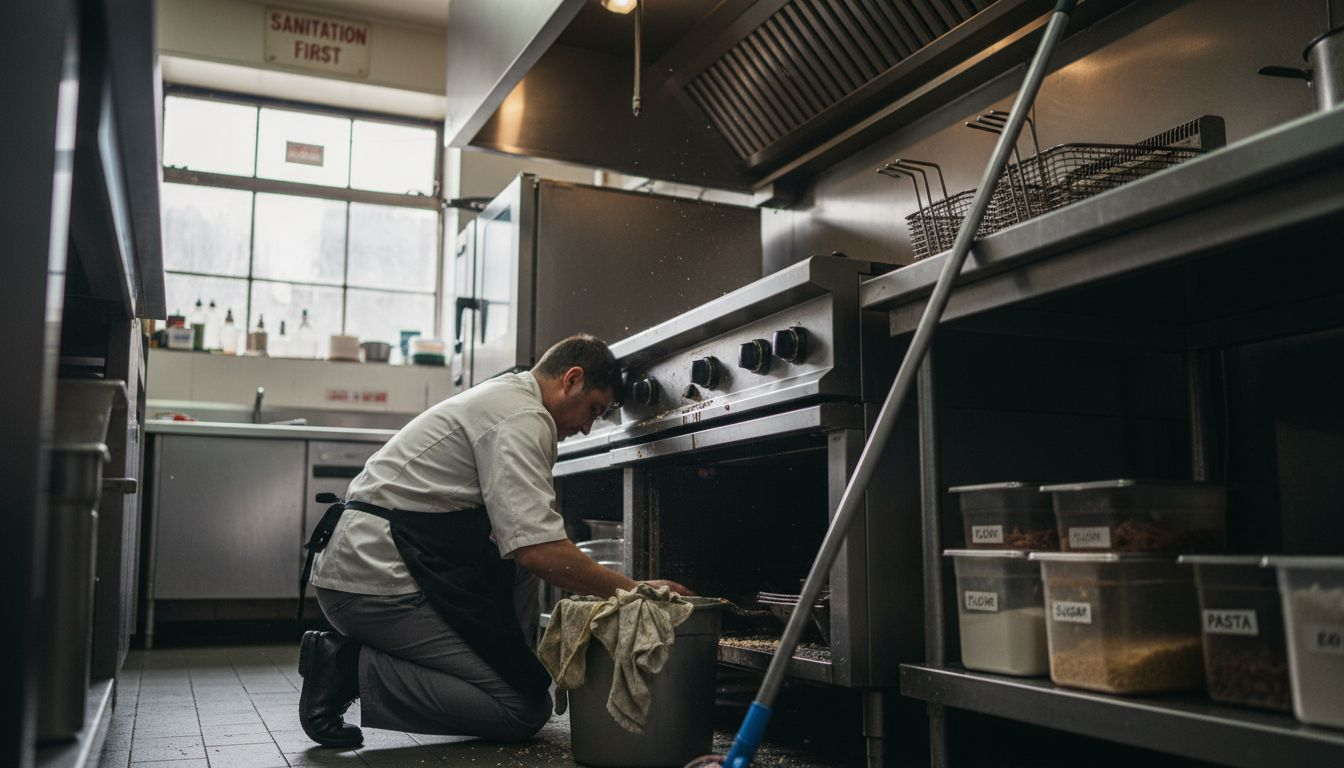
Start with sanitation as your foundation. Remove food debris daily, seal containers tightly, and clean under equipment where pests hide. Fix leaky pipes immediately because standing water attracts rodents and insects. In Warrensville Heights and Oakwood restaurants, consistent cleaning eliminates the conditions pests need to thrive.
Use physical control methods as your first line of defense. Install door sweeps and weather stripping to seal gaps where pests enter. Cover vents with screens and seal cracks in walls and baseboards. Place traps in high-risk areas to catch pests before they multiply. These mechanical approaches work without chemicals.
Remove pest-favorable conditions throughout your facility. Store food in airtight containers, eliminate clutter in storage areas, and keep trash bins sealed and away from building entries. Don’t leave standing water or moisture problems unaddressed. Integrated pest management strategies emphasize continuous monitoring and adjustment based on what you observe.
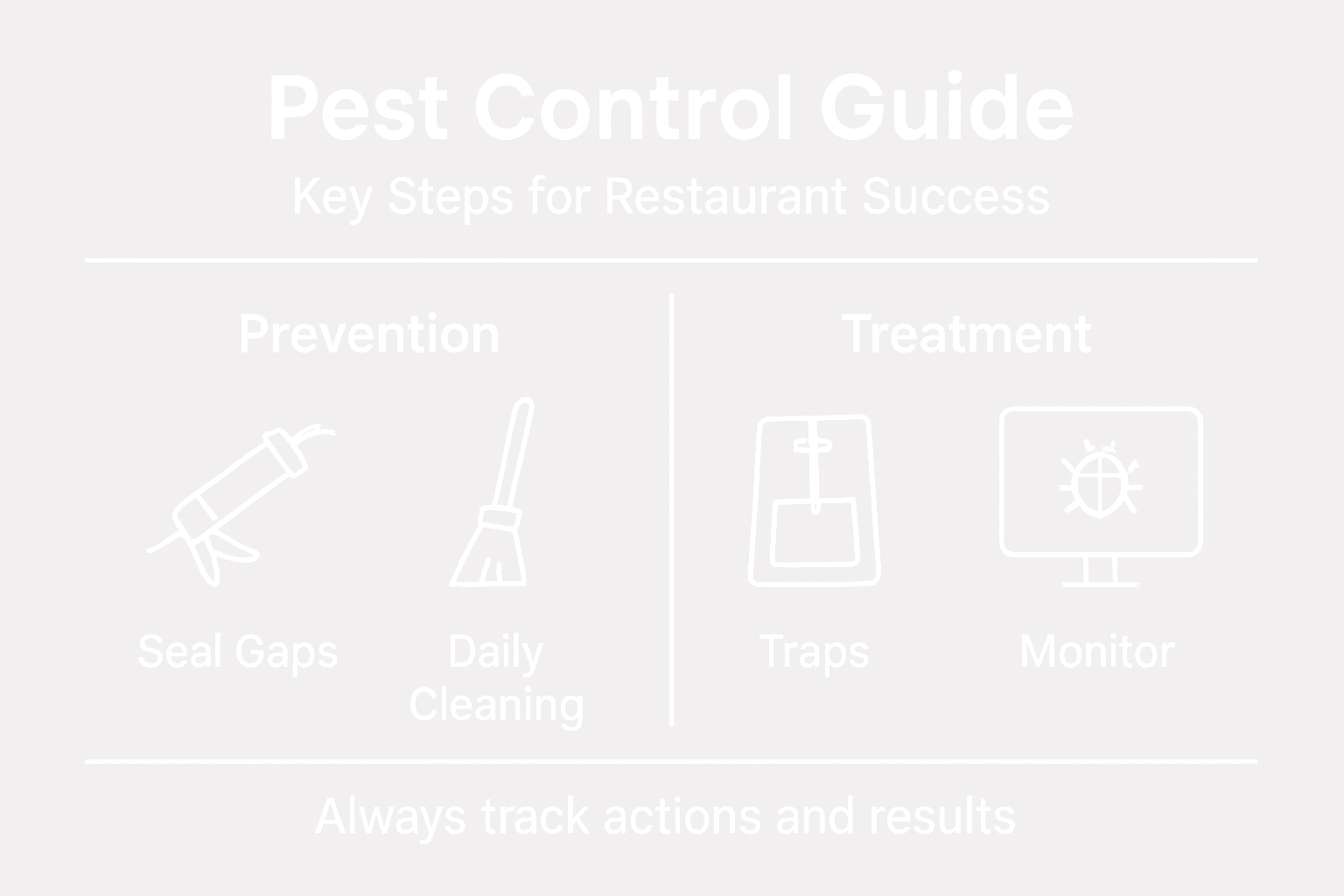
Implement a monitoring schedule to catch problems early. Walk your facility weekly and note any signs of pest activity. Keep records of what you find so you can adjust your prevention strategy as needed.
Your eco-friendly prevention toolkit includes:
- Sealed entry points and doors
- Regular deep cleaning protocols
- Airtight food storage containers
- Sealed trash and recycling areas
- Fixed moisture and water issues
- Weekly monitoring walks
When these preventive measures alone aren’t enough, that’s when professional treatment becomes necessary. The goal is prevention first, intervention second.
This overview highlights how eco-friendly prevention measures impact restaurant operations:
| Preventive Measure | Staff Effort | Operational Impact |
|---|---|---|
| Sanitation routines | Moderate daily tasks | Higher food safety, fewer infestations |
| Physical barriers | One-time installation | Reduced pest entry, improved hygiene |
| Weekly monitoring | Regular scheduled checks | Early issue detection, increased compliance |
| Professional interventions | As needed | Ensures legal standards, safest treatment |
Prevention beats treatment every time. Build your defenses now before pests become a problem.
Pro tip: Assign one staff member weekly responsibility for the pest prevention walk-through and create a simple checklist they complete every Monday morning, making accountability automatic and consistent.
Step 3: Apply Targeted Pest Treatments Safely
Targeted treatments eliminate pests that preventive measures alone cannot control. The key is applying the right solution in the right place while protecting food, staff, and customers from harm.
Start by knowing when to call professionals. If your prevention efforts haven’t eliminated pest activity after two weeks, or if you discover an active infestation, hire a licensed pest control company. Professional technicians have the training, equipment, and products to handle treatments safely in food service environments.
When treatments are necessary, prioritize mechanical methods first. Place baited traps in corners, behind equipment, and along walls where pests travel. These catch pests without chemicals near food preparation areas. Check traps daily and dispose of pests properly.
If chemical treatments become necessary, use targeted applications only. Never spray near food, food contact surfaces, or preparation areas. Proper pest management guidelines require careful application of pesticides at proper dosage and timing to avoid contamination. Licensed professionals know exactly where and how to apply treatments safely.
Coordinate treatments strategically with your team. Plan applications during closed hours so products can dry completely before customers arrive. Keep detailed treatment records noting what was applied, where, and when.
Key safety steps for any treatment:
- Use only products approved for food establishments
- Apply only during closed restaurant hours
- Ensure adequate ventilation during and after treatment
- Keep staff and customers away until products dry completely
- Document every treatment with dates and details
- Have licensed professionals handle chemical applications
Monitoring continues after treatment. Check traps daily, watch for new pest activity, and adjust your strategy based on results. Treatment works best when combined with the prevention measures you started earlier.
Professional treatments protect your business legally and effectively. Partner with licensed technicians who understand food service environments.
Pro tip: Schedule treatments for late evening after closing on a Sunday, giving the restaurant all day Monday to fully air out and verify treatment success before the week’s service begins.
Step 4: Verify Elimination and Maintain Protection
Verification proves your treatments worked and establishes ongoing protection against reinfestation. This step transforms your pest control from a one-time fix into a sustainable system that keeps your restaurant safe long-term.
Begin inspecting and monitoring within days of treatment. Check all trap placements daily for the first week to confirm pest activity has stopped. Look for new droppings, dead insects, or other signs that pests remain active. Record what you find to track progress and adjust your approach if needed.
Continue routine inspections weekly even after you’ve eliminated visible pests. Walk your facility systematically, checking the same problem areas you identified during your initial assessment. This consistency catches reinfestation early before pests establish themselves again.
Maintain detailed record keeping that documents everything. Log inspection dates, trap checks, any pest activity observed, treatments applied, and results. These records protect your business legally and help you identify patterns. Routine inspections and monitoring verify treatment efficacy and help sustain protection long-term.
Reinforce your prevention practices continuously. Don’t let sanitation slip once pests are gone. Maintain sealed entry points, keep food stored properly, and fix any new moisture issues immediately. Prevention is what keeps treatments from being needed again.
Your ongoing verification system includes:
- Daily trap checks for one week post-treatment
- Weekly facility inspections thereafter
- Detailed written records of all findings
- Immediate corrective action for any new activity
- Consistent sanitation and prevention practices
- Annual professional inspections for compliance
If you spot new pest activity, contact your pest control professional immediately rather than waiting. Early intervention prevents problems from becoming infestations. Your goal is maintaining a pest-free environment, not just responding to crises.
Verification is not optional. Records prove your restaurant meets food safety standards and protects customers.
Pro tip: Create a laminated weekly inspection checklist posted in your office with checkboxes for each area, making it simple for staff to complete and impossible to forget during busy service days.
Stay Ahead of Restaurant Pest Challenges with Apex Pest Control
Managing pest risks in your food service areas requires expert guidance and proactive solutions. From sealing entry points to regular monitoring and safe targeted treatments, your goal is to protect your customers and reputation. Apex Pest Control understands these challenges and offers trusted, eco-friendly pest management tailored specifically for restaurants in Oakwood, Warrensville Heights, and surrounding Northeast Ohio communities.
Take control of your restaurant’s pest prevention strategy today with professional support you can count on. Discover effective pest control methods backed by licensed technicians who prioritize safety, sanitation, and ongoing verification. Visit our Uncategorized Archives – Apex Pest Control to explore resources and learn more about our comprehensive services.
Don’t let pests threaten your business success. Request a free inspection and pest control quote now at https://apexpestcontrol.net/free-quote and ensure your restaurant remains pest-free, compliant, and customer-friendly.
Frequently Asked Questions
How can I assess my restaurant for pest risks?
To assess your restaurant for pest risks, thoroughly inspect all areas, including the kitchen, storage spaces, and dining areas. Look for signs of common pests, such as droppings and gnaw marks, and document your findings for targeted action.
What eco-friendly measures can I take to prevent pests in my restaurant?
You can implement eco-friendly pest prevention by maintaining strict sanitation practices, sealing entry points, and using physical barriers. For instance, clean daily to reduce food debris, and regularly monitor your facility to catch issues early.
When should I call in professional pest control services?
You should contact professional pest control if your preventive measures don’t eliminate pest activity within two weeks or if you discover an active infestation. A professional can use specialized training and equipment to handle the situation effectively and safely.
What should I do to verify that pest treatments were successful?
To verify pest treatment success, check traps daily for signs of pest activity and conduct weekly inspections of your facility. Document your findings in detail to identify any new activity and maintain a pest-free environment.
How often should I perform pest monitoring in my restaurant?
Perform pest monitoring weekly to catch any new infestations early, even after treatment. Regular inspections will help ensure that your sanitation efforts remain effective and that your restaurant stays compliant with food safety standards.
What are the key signs of pest presence in my restaurant?
Key signs of pest presence include droppings, gnaw marks, and dead insects, usually found in corners and near entry points. Regularly check these areas, and if you notice any signs, take immediate corrective action.