


Every Ohio homeowner wants a safe, comfortable home without putting loved ones at risk from harsh chemicals. As pest problems can threaten families and pets, many are turning to Integrated Pest Management (IPM) for a smarter, greener solution. This forward-thinking approach blends prevention, natural controls, and precise monitoring for results that protect both your household and the environment. Discover practical insights into how green pest management can keep your home pest-free while supporting a healthier Ohio community.
Table of Contents
- What Green Pest Management Means Today
- Core Principles and Common Techniques Used
- How Integrated Pest Management (IPM) Works
- Comparing Green Vs. Traditional Pest Control
- Choosing Green Pest Services For Ohio Homes
Key Takeaways
| Point | Details |
|---|---|
| Embrace Green Pest Management | Focus on ecological health and human safety by adopting techniques that minimize synthetic chemical use. |
| Prioritize Integrated Pest Management (IPM) | Implement a comprehensive strategy that emphasizes prevention and minimal intervention for lasting pest control. |
| Choose Providers Wisely | Select pest management services that demonstrate commitment to green methodologies and can clearly articulate their ecological approaches. |
| Utilize Advanced Techniques | Incorporate technologies such as biological controls and precision monitoring to enhance the effectiveness of pest management efforts. |
What Green Pest Management Means Today
Green pest management represents a revolutionary approach to controlling unwanted insects and wildlife while prioritizing environmental and human health. Unlike traditional pest control methods that rely heavily on synthetic chemicals, modern green strategies focus on sustainable ecological interventions that minimize ecological disruption.
Today’s green pest management integrates multiple sophisticated techniques designed to address pest challenges holistically. These approaches include biological controls, botanical pesticides, precision technologies, and strategic habitat management. By understanding pest behaviors and ecosystem interactions, professionals can develop targeted interventions that reduce chemical usage while effectively managing pest populations. Integrated Pest Management (IPM) has emerged as a cornerstone strategy, emphasizing prevention, monitoring, and minimal intervention.
The contemporary green pest management framework goes beyond simple pest elimination. It considers broader environmental impacts, human health risks, and long-term sustainability. Techniques now incorporate advanced genome editing, climate-resilient methodologies, and precision tracking technologies that allow for more nuanced and environmentally responsible pest control solutions. This approach represents a significant paradigm shift from previous chemical-intensive practices toward more intelligent, ecosystem-friendly strategies.
Pro tip: When selecting a pest management service, prioritize providers who demonstrate a commitment to green methodologies and can explain their specific ecological approaches.
Core Principles and Common Techniques Used
Green pest management fundamentally relies on a strategic, science-based approach that prioritizes ecological balance and minimal environmental disruption. Integrated Pest Management (IPM) principles form the cornerstone of modern pest control strategies, emphasizing prevention, careful monitoring, and targeted interventions.
The core techniques in green pest management involve multiple sophisticated approaches. These include biological controls such as introducing natural predators, using pest-resistant plant varieties, and implementing habitat manipulation strategies. Physical barriers, careful landscape design, and strategic crop rotation play crucial roles in preventing pest infestations before they begin. Professionals now use advanced monitoring technologies to track pest populations, enabling precise and minimal interventions that reduce unnecessary chemical applications.
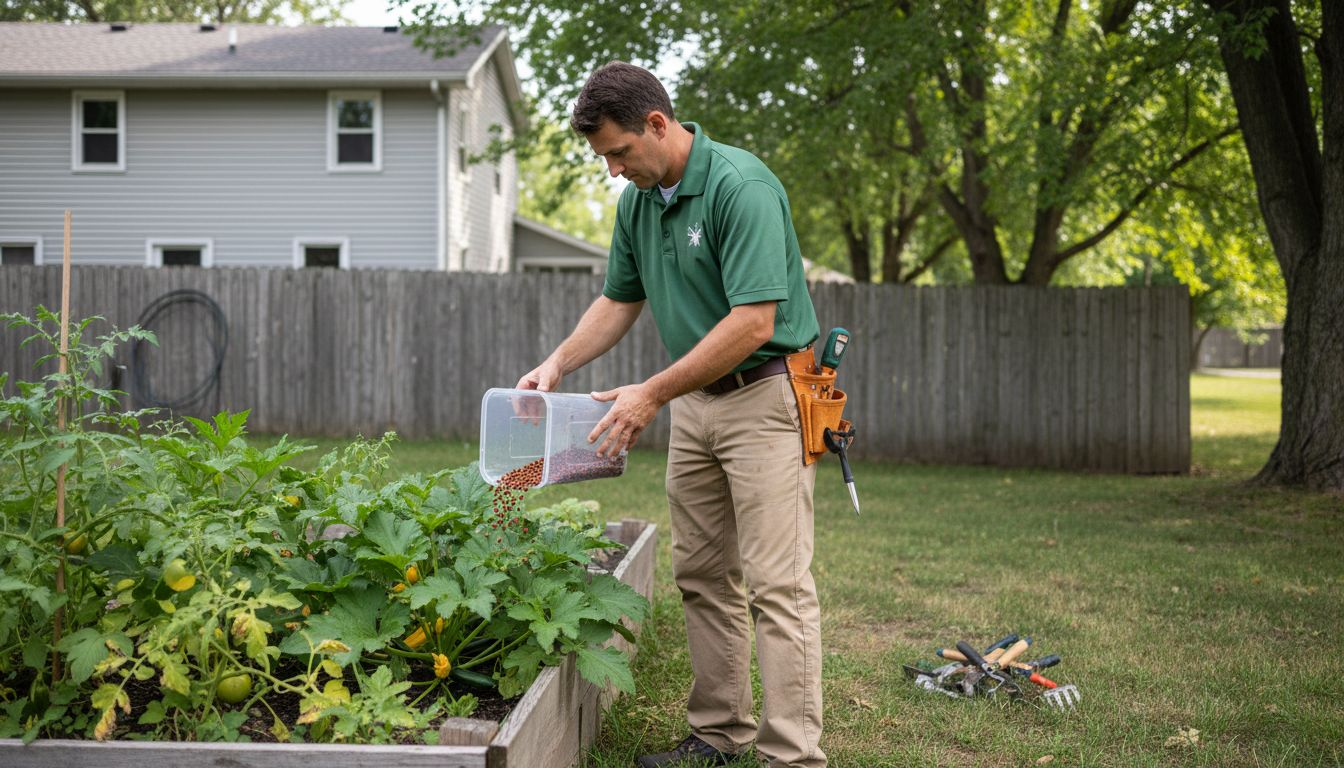
Chemical controls remain a last resort in green pest management, used only when absolutely necessary and in the most targeted manner possible. When chemical interventions are required, professionals select the least toxic options with the smallest ecological footprint. This approach involves precise identification of pest species, understanding their life cycles, and applying treatments that specifically disrupt their reproduction or survival mechanisms while minimizing broader environmental impacts.
Pro tip: Request a detailed IPM plan from your pest control provider that outlines their specific prevention and minimal-intervention strategies before agreeing to any treatment.
How Integrated Pest Management (IPM) Works
Integrated Pest Management (IPM) represents a sophisticated, systematic approach to pest control that goes far beyond traditional extermination methods. Comprehensive pest management strategies focus on understanding pest behaviors, ecosystems, and implementing targeted, minimal interventions that prioritize long-term prevention and ecological balance.
The IPM process follows a structured four-tier approach designed to minimize environmental impact and maximize effectiveness. The first critical step involves establishing precise action thresholds that determine when pest populations become economically or ecologically problematic. Next, professionals conduct thorough pest monitoring and identification, using advanced tracking technologies to understand population dynamics, migration patterns, and specific species characteristics. This detailed assessment allows for highly targeted prevention strategies that address root causes rather than simply treating symptoms.
Prevention forms the core of IPM methodology. Professionals utilize multiple complementary techniques including habitat modification, biological controls, physical barriers, and cultural practices that naturally discourage pest proliferation. Chemical interventions are considered a last resort, used sparingly and with extreme precision when other methods prove insufficient. By integrating scientific understanding, ecological principles, and advanced technologies, IPM creates a holistic approach that protects both residential environments and broader ecosystems.
Pro tip: Ask potential pest management providers to explain their specific IPM approach, focusing on prevention strategies and minimal chemical intervention.
Comparing Green vs. Traditional Pest Control
Traditional pest control and green pest management represent two fundamentally different approaches to addressing unwanted insects and wildlife. Sustainable pest management strategies prioritize ecological health and long-term prevention, contrasting sharply with conventional methods that rely heavily on chemical interventions.
Traditional pest control typically involves routine application of synthetic pesticides, which create immediate but short-term solutions. These methods often use broad-spectrum chemicals that indiscriminately eliminate both harmful and beneficial organisms, potentially causing unintended ecological disruption. The approach is reactive, focusing on rapid pest elimination without considering broader environmental consequences. In contrast, green pest management adopts a proactive, holistic strategy that emphasizes understanding pest behaviors, habitat conditions, and preventative techniques.
The key differences extend beyond mere chemical usage. Green pest control integrates multiple sophisticated techniques including biological controls, habitat modification, and precision technologies that target specific pest populations while minimizing environmental impact. Traditional methods frequently create chemical resistance in pest populations, necessitating increasingly potent treatments. Green approaches, by contrast, focus on long-term ecosystem balance, using methods that naturally discourage pest proliferation and protect beneficial organisms. This approach not only addresses immediate pest challenges but also supports broader environmental sustainability goals.
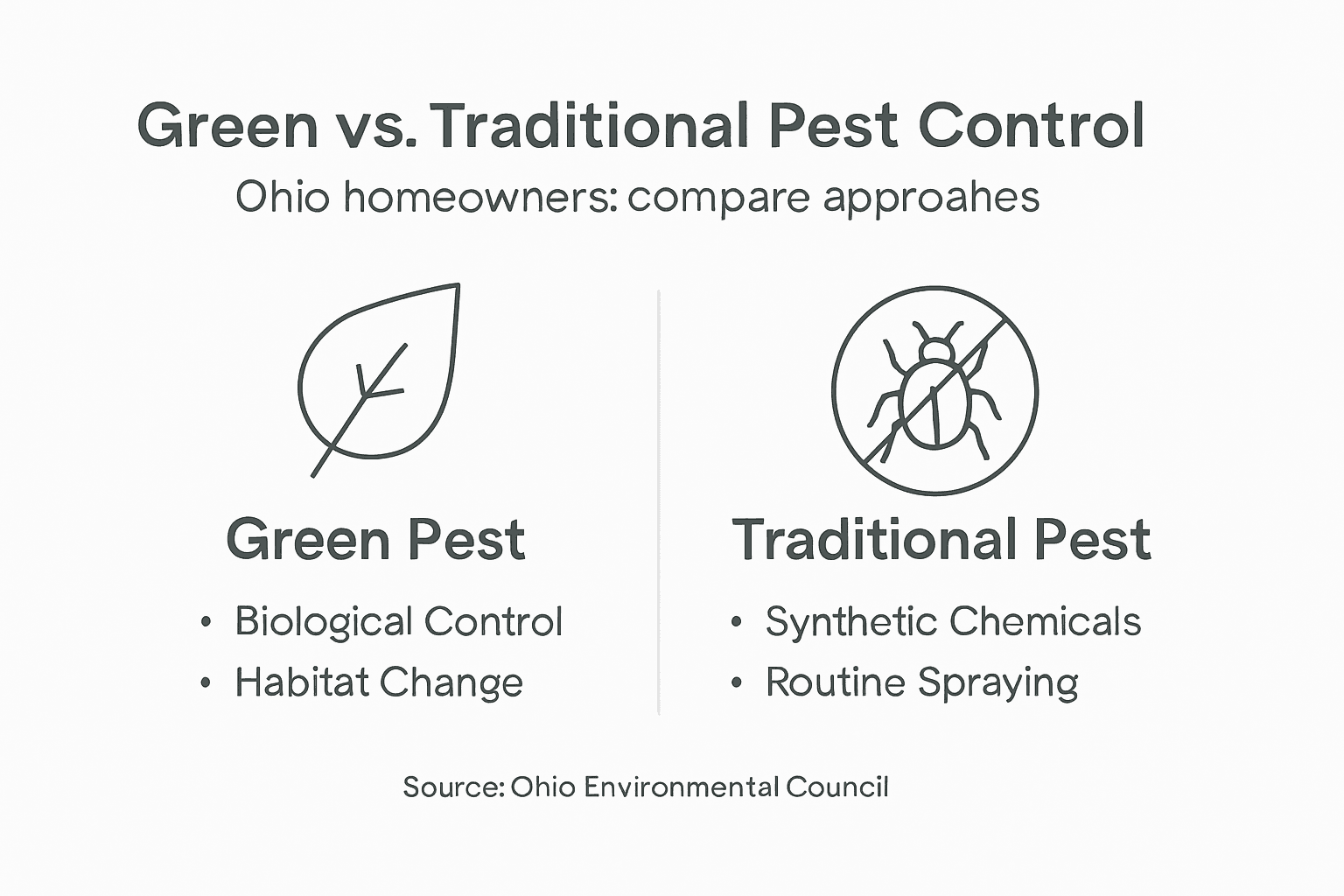
Here’s a concise comparison highlighting the major differences between green and traditional pest control methods:
| Aspect | Green Pest Management | Traditional Pest Control |
|---|---|---|
| Main Approach | Ecological, minimal chemicals | Routine synthetic chemicals |
| Focus | Prevention and ecosystem health | Rapid pest elimination |
| Impact on Beneficials | Protects helpful species | Often harms beneficial insects |
| Long-Term Effectiveness | Promotes sustainable solutions | May cause recurring infestations |
| Resistance Risk | Low, due to varied techniques | High, leads to stronger pests |
Pro tip: Request a comprehensive breakdown of prevention strategies when consulting pest management professionals, prioritizing approaches that minimize chemical interventions.
Choosing Green Pest Services for Ohio Homes
Selecting the right green pest management service requires careful consideration of multiple factors specific to Ohio’s unique environmental conditions. Ohio Home Pest Guide recommendations emphasize understanding local pest dynamics and choosing providers committed to sustainable practices.
When evaluating green pest services, homeowners should prioritize providers who demonstrate a comprehensive understanding of Integrated Pest Management (IPM) principles. Look for companies that emphasize prevention, use minimal chemical interventions, and can articulate their specific ecological approach. Key indicators include detailed inspection processes, customized treatment plans, and transparent documentation of their pest management strategies. Ohio homes face unique challenges from seasonal temperature variations, diverse urban and rural landscapes, and specific regional pest populations that require nuanced, localized expertise.
The most effective green pest services offer holistic solutions that extend beyond immediate pest elimination. These providers conduct thorough home assessments, identify potential pest entry points, recommend habitat modifications, and develop long-term prevention strategies. They utilize advanced technologies like precision tracking, biological controls, and environmentally friendly treatment methods that protect both your home and the surrounding ecosystem. Homeowners should request detailed consultations that explain the ecological impact of proposed treatments and provide clear, measurable outcomes.
The following table summarizes key green pest management techniques and their ecological advantages:
| Technique | Description | Ecological Benefit |
|---|---|---|
| Biological Controls | Use of natural predators or parasites | Reduces pesticide dependency |
| Habitat Modification | Altering environment to deter pests | Supports balanced ecosystems |
| Physical Barriers | Mechanical barriers to block pests | Minimizes chemical exposure |
| Precision Monitoring | Tech-based pest population tracking | Enables targeted interventions |
Pro tip: Request a comprehensive ecological assessment that details the provider’s specific green pest management approach, including prevention strategies and minimal chemical intervention techniques.
Protect Your Ohio Home with Expert Green Pest Management
If you are concerned about uncontrolled pests damaging your Ohio home or impacting your family’s health, understanding and applying Integrated Pest Management (IPM) is the way forward. This article highlights how green pest management addresses these challenges by focusing on prevention, habitat modification, and minimal chemical intervention to protect both your home and the environment. At Apex Pest Control, we share this commitment and bring years of local expertise to help you achieve effective pest control that respects Ohio’s unique ecological needs.
Choose a service provider who prioritizes sustainable solutions and tailored strategies designed specifically for your property. Our Uncategorized Archives – Apex Pest Control showcase how we thoughtfully implement green techniques such as biological controls and precision monitoring to reduce chemical use while delivering lasting results. Ready to safeguard your home with eco-friendly pest management? Take the next step by requesting a free personalized quote today and learn how we can protect your family, pets, and property safely and professionally.
Frequently Asked Questions
What is green pest management?
Green pest management refers to a sustainable approach to controlling pests that prioritizes environmental and human health by minimizing the use of synthetic chemicals and focusing on ecological balance.
How does Integrated Pest Management (IPM) work?
IPM involves a detailed process including setting action thresholds, monitoring pest populations, and employing a combination of prevention techniques, such as habitat modification and biological controls, before considering chemical interventions.
What are some common techniques used in green pest management?
Common techniques include biological controls, habitat modification, physical barriers, and precision monitoring technologies that aim to reduce pest populations while minimizing ecological disruption.
How can I choose a green pest management service for my home?
When choosing a green pest service, look for providers who demonstrate expertise in Integrated Pest Management principles, offer customized treatment plans, and emphasize prevention strategies while minimizing chemical use.