



Finding ants in your kitchen or hearing mice in the walls can make any Northeast Ohio homeowner uneasy. Keeping pests out matters because unwanted critters not only cause damage but also threaten your family’s sense of comfort. By focusing on secure home barriers and eco-friendly prevention, families in Oakwood and Maple Heights can protect their homes and the environment using practical, proven steps instead of harsh chemicals.
Table of Contents
- Step 1: Inspect And Secure Your Home Against Pests
- Step 2: Eliminate Sources Attracting Ants And Rodents
- Step 3: Apply Safe, Eco-Friendly Pest Deterrents
- Step 4: Monitor And Verify Pest-Free Results
Quick Summary
| Important Insights | Detailed Explanation |
|---|---|
| 1. Seal all potential entry points | Thoroughly inspect and seal gaps in your home to prevent pests from entering before they cause issues. |
| 2. Eliminate food and water sources | Store food in airtight containers and clean up spills to remove attractants that bring pests inside. |
| 3. Utilize eco-friendly pest deterrents | Employ natural methods like diatomaceous earth and peppermint oil to repel pests without harming your family or pets. |
| 4. Regularly monitor for pest activity | Set up sticky traps and inspect weekly to detect and address pest issues before they escalate into infestations. |
| 5. Document pest management efforts | Keep records of inspections and maintenance actions to verify the effectiveness of your pest prevention strategies. |
Step 1: Inspect and secure your home against pests
Your home’s exterior barriers are your first line of defense against unwanted visitors. Take time to conduct a thorough inspection of your foundation, walls, and entry points before pests find their way inside.
Start with the obvious entry points where pests naturally congregate. Check around doors, windows, and the foundation where your home meets the ground. Look for cracks in the concrete foundation, gaps around utility penetrations, and spaces where pipes or electrical lines enter the house. These openings act like welcome signs for rodents, insects, and other pests.
Sealing entry points is the most critical step because it prevents pests from entering before they cause problems.
Walk your entire perimeter on a sunny day when shadows make gaps more visible. Pay special attention to:
- Gaps around door frames and window frames
- Cracks in foundation walls or mortar joints
- Openings where utilities (water, gas, electric) enter the home
- Spaces around dryer vents and exhaust fans
- Damaged or missing door sweeps and weatherstripping
- Holes in window screens or damaged screen frames
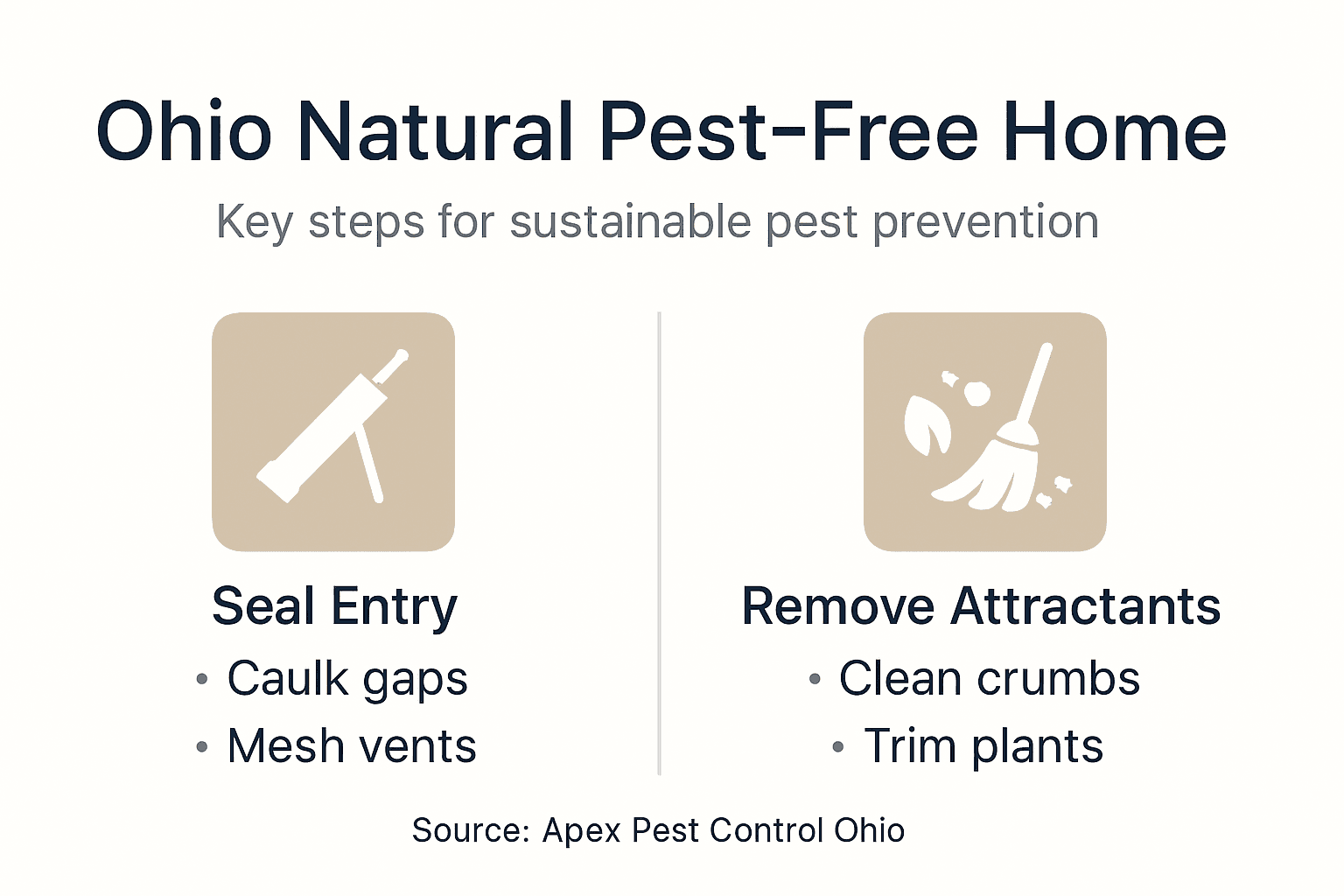
Once you identify problem areas, seal them with appropriate materials. Hardware stores carry caulk and copper mesh products specifically designed for pest exclusion. Copper mesh works particularly well for rodent prevention because mice and rats cannot chew through it. Use caulk for small cracks (under a quarter-inch) and mesh for larger openings around pipes.
Don’t overlook the roof line and upper story entry points. Check soffit vents, fascia boards, and areas where gutters attach to your home. Squirrels and raccoons exploit these high openings just as readily as ground-level gaps.
Indoors, inspect under sinks and along baseboards where pipes penetrate walls. Look at your attic for cracks or holes that need sealing. Following through with pest proofing techniques including sealing cracks around windows, doors, and pipes also improves your home’s energy efficiency by reducing air leaks.
Don’t rush this step. Spend time examining each potential entry point carefully. A thorough inspection now prevents expensive pest problems later.
Here’s a quick comparison of common pest entry points and the best sealing materials to use:
| Entry Point Location | Most Vulnerable to | Recommended Sealant |
|---|---|---|
| Door and window frames | Insects, rodents | Caulk, weatherstripping |
| Foundation cracks | Ants, mice | Caulk (small), copper mesh (large) |
| Utility penetrations | Rodents, insects | Copper mesh, exterior caulk |
| Roofline and soffits | Squirrels, raccoons | Wire mesh, construction sealant |
Pro tip: Use a flashlight and a putty knife to probe suspicious cracks and gaps. A putty knife can help you determine the actual depth of openings, guiding you toward the right sealant size and amount needed.
Step 2: Eliminate sources attracting ants and rodents
Pests don’t randomly invade your home. They follow the scent of food, water, and shelter. By removing these attractants, you eliminate the reasons they came in the first place.

Start inside your home by addressing food storage and cleanup. Ants and rodents leave pheromone trails when they discover food sources, essentially creating highways for others to follow. Store all dry goods in airtight containers rather than in original packaging. Cardboard boxes and paper bags are easy entry points for rodents chewing through to reach grain, cereal, and flour.
Clean up spills immediately and don’t let crumbs accumulate on counters or floors. Sweep daily, especially in the kitchen and dining areas. Grease splatters on stovetops and backsplashes might seem minor to you, but they’re feast-worthy to pests. Wipe surfaces with vinegar after cleaning to remove the pheromone trails that ants leave when locating food sources.
Remove water sources just as diligently as food sources because rodents and ants both need water to survive.
Address moisture problems throughout your home:
- Fix leaky pipes under sinks and around appliances
- Empty standing water from plant saucers daily
- Ensure bathroom exhaust fans vent properly to reduce humidity
- Keep gutters clean so water drains away from your foundation
- Use dehumidifiers in basements or crawl spaces
Outdoors, eliminate shelter and nesting opportunities. Keep vegetation trimmed back at least 12 inches from your home’s foundation. Dead branches, mulch piles, and leaf litter provide perfect rodent nesting material. Remove or secure outdoor trash cans with tight-fitting lids. Don’t leave pet food outside overnight, and clean up fallen fruit or nuts from trees.
When controlling rodent populations, removing clutter and sealing entry points with steel wool or metal mesh prevents them from establishing nests in the first place. Start with sanitation before considering traps or other interventions.
The goal is simple: make your home less hospitable than the outdoors.
Pro tip: Keep a food diary in your head for one week—notice where you eat and leave crumbs, where spills happen, and where water collects. These are your pest hotspots that need the most attention.
Step 3: Apply safe, eco-friendly pest deterrents
Natural deterrents work because they target pest behavior without harming your family, pets, or the environment. These methods prevent infestations rather than just reacting after pests arrive.
Start with diatomaceous earth, a powder made from fossilized algae that damages pest exoskeletons. Food-grade diatomaceous earth is safe for pets and children. Sprinkle it along baseboards, under appliances, and in attic corners where insects travel. Reapply after vacuuming or sweeping, especially in humid areas where moisture reduces effectiveness.
Essential oils create natural repellent barriers that pests avoid. Peppermint oil is particularly effective against rodents and ants. Mix a few drops with water in a spray bottle and apply around entry points, windowsills, and areas where you’ve noticed pest activity. Cotton balls saturated with peppermint oil placed in corners and under sinks work well too.
Natural pest control methods protect beneficial insects while eliminating harmful pests that threaten your home.
Outdoors, use companion planting and encouraging beneficial insects to create natural pest resistance. Plant marigolds, lavender, and rosemary near your home’s foundation. These plants repel insects naturally and make your landscaping more attractive.
Consider these additional approaches:
- Deploy physical barriers like fine mesh over garden beds and entry points
- Install bat boxes or bird feeders to encourage natural predators
- Use sticky traps to monitor pest activity without chemicals
- Apply neem oil spray on plants where insects congregate
- Maintain healthy soil with compost to support plant vigor
Implementing ecological pest management through habitat management and cultural practices creates an environment where pests struggle to thrive. Focus on prevention first, knowing these methods take time to show results.
The shift from chemical control to natural deterrents requires patience, but your home becomes safer and more sustainable long-term.
Here’s a summary of eco-friendly pest deterrent methods and their unique benefits:
| Method | Typical Use Area | Environmental Benefit |
|---|---|---|
| Diatomaceous earth | Indoors, baseboards | Non-toxic to pets and humans |
| Peppermint oil spray | Entry points, kitchens | Repels rodents and ants, pleasant scent |
| Companion planting | Foundation, garden | Supports pollinators, deters insects |
| Sticky traps | Monitoring zones | No chemical residue, tracks infestations |
Pro tip: Combine methods for better results. Use diatomaceous earth indoors while simultaneously planting lavender around your foundation and deploying sticky traps near kitchen entry points—this multi-layered approach overwhelms pest invasions.
Step 4: Monitor and verify pest-free results
You’ve sealed entry points, removed attractants, and applied natural deterrents. Now comes the verification phase that confirms your efforts actually worked. Ongoing monitoring catches problems early before they become infestations.
Set up a simple monitoring system using sticky traps strategically placed around your home. These traps catch insects without chemicals and show you exactly where pest activity occurs. Place them along baseboards in kitchens and bathrooms, under sinks, near entry points, and in corners where you’ve noticed previous activity. Check traps weekly and record what you find.
Implementing surveillance systems through regular inspections and monitoring helps you verify that pests remain absent from your home. Document everything in a simple notebook or digital file. Write down dates, locations, types of pests caught (if any), and what you observed.
Consistent monitoring reveals trends before pests become problems and proves your prevention methods work.
Conduct these checks regularly:
- Inspect under appliances for droppings or pest evidence weekly
- Check sticky traps every 7-10 days and replace as needed
- Walk your perimeter monthly looking for new cracks or damaged seals
- Examine attic and basement spaces seasonally for signs of activity
- Maintain records of all findings and actions taken
Based on surveillance protocols and maintaining records through regular audits, you establish proof that your home remains pest-free. If you notice any activity, act immediately by resealing entry points or applying deterrents in affected areas.
The goal isn’t zero effort forever. It’s creating a system where you spend 15 minutes monthly checking traps rather than dealing with infestations. Your documentation becomes valuable if you ever need professional help or want to prove your home’s pest-free status to inspectors or buyers.
Pro tip: Take photos of your sealed entry points and initial trap locations. If months pass without finding anything, your photo evidence combined with your monitoring log proves the effectiveness of your natural pest prevention approach.
Protect Your Ohio Home with Expert Natural Pest Solutions
Maintaining a pest free home naturally in Ohio requires dedication to sealing entry points and removing attractants just like the article outlines. However, persistent pest threats like ants, rodents, and even wasps can challenge your efforts despite your best prevention practices. You deserve professional help that respects your eco-friendly goals while providing fast, reliable results.
Apex Pest Control understands the unique pest challenges faced by homeowners in Oakwood, Bedford Heights, Bedford, and nearby communities. With our focus on family-safe, environmentally conscious methods, our licensed technicians specialize in ant control, mouse removal, and natural pest management strategies that align with your prevention efforts. Don’t let pests take over after all your hard work.
Start your journey toward a pest free home today by exploring trusted tips in our Uncategorized Archives. Ready for personalized support tailored to your property? Get your free quote now at Apex Pest Control and experience the peace of mind that comes with expert eco-friendly pest control from a local Ohio company you can trust.
Frequently Asked Questions
How can I seal entry points to keep pests out of my home?
Sealing entry points is essential for preventing pests from entering. Inspect areas around doors, windows, and the foundation for cracks or gaps, then use caulk or copper mesh to seal them effectively.
What are effective natural ways to eliminate attractants for pests in my home?
To eliminate attractants, focus on proper food storage and cleaning. Store dry goods in airtight containers, clean up spills immediately, and ensure there are no standing water sources, like leaky pipes, inside your home.
How do I apply natural deterrents to protect my home from pests?
Apply natural deterrents like diatomaceous earth and essential oils around entry points and areas of activity. For example, sprinkle food-grade diatomaceous earth along baseboards or use a peppermint oil spray around windowsills for effective pest repulsion.
What should I monitor to ensure my home remains pest-free?
Regularly check sticky traps placed in your home and inspect areas under appliances for droppings or signs of activity. Monitoring every week and documenting your observations will help catch any pest issues early on before they escalate.
How can I improve the effectiveness of my pest prevention methods?
Combine multiple prevention methods for better results. For example, use diatomaceous earth indoors while also planting pest-repelling plants around your home’s foundation to create a barrier against pest entry.