



A basement can look clean, dry, and unused while still giving pests exactly what they need: quiet shelter, hidden entry points, steady moisture, and undisturbed storage. Knowing how to pest proof basement areas means looking beyond the occasional spider or house centipede and addressing the conditions that allow rodents, ants, cockroaches, termites, and other pests to settle in.
For Ohio homeowners, this work is especially valuable before colder weather drives mice and other pests indoors. A few targeted repairs and better storage habits can make your basement far less inviting. If you already see droppings, gnaw marks, insect activity, or musty odors, prevention should be paired with professional inspection and treatment.
How to Pest Proof Basement Entry Points
Pests rarely need an open door to get inside. Mice can squeeze through gaps about the width of a pencil, and insects can enter through cracks that are easy to miss during an ordinary walk-through. Start on the outside of the foundation, then work your way indoors.
Inspect where utility lines, cable wires, plumbing, and dryer vents pass through foundation walls. Seal small cracks and gaps with an appropriate exterior-grade sealant. Larger openings may require durable materials such as metal flashing, copper mesh, or cement patching before they are sealed. Foam alone is not a dependable rodent barrier because mice can chew through it.
Pay close attention to basement windows. Repair torn screens, replace worn weatherstripping, and make sure window frames close tightly. If you have window wells, keep them clear of leaves and standing water. Properly fitted covers can reduce debris, moisture, and insect access, but they should still allow safe drainage.
Inside, check the rim joist – the area where the foundation meets the wood framing above it. This is a common route for ants, spiders, and rodents. Also inspect the basement door threshold, floor drains, sump pump openings, and gaps around plumbing under sinks or near laundry equipment.
Control Moisture Before It Attracts Pests
A damp basement supports more than mildew. Moisture attracts pests that need humid conditions, including silverfish, centipedes, cockroaches, and certain ants. It can also soften wood and create conditions that increase the risk of termite activity or other moisture-related damage.
Begin by correcting obvious water problems. Repair leaking pipes, insulate cold-water lines that sweat, and have HVAC condensate lines checked if they drain near the foundation or leave water on the floor. A dehumidifier can help keep a finished or unfinished basement drier, particularly during Ohio’s humid months. Empty and clean the collection reservoir regularly, or use a properly installed drain line.
Outside drainage matters just as much. Gutters should be clean, downspouts should move water away from the home, and the ground should slope away from the foundation. If water repeatedly enters through walls or floors, pest-proofing will not hold until the drainage or structural issue is corrected.
Sump pump pits deserve special attention. A working sump pump protects the basement from water, but an uncovered pit may also provide access for insects and create excess humidity. A properly fitted lid can help reduce exposure while preserving the system’s function. Never block drainage systems or make changes that interfere with pump operation.
Remove Food Sources and Hidden Harborage
Basements often become long-term storage zones. Cardboard boxes, paper bags, old furniture, pet food, holiday decorations, and clutter give pests places to hide and nest. Rodents can shred paper, insulation, and fabric for nesting material. Cockroaches and ants may feed on crumbs, pantry items, pet food, and residue around recycling bins.
Replace cardboard where practical with sealed plastic storage totes. Keep items elevated on shelving rather than pressed against basement walls, leaving enough space to inspect behind them. This simple change makes it harder for pests to nest unnoticed and easier to spot early warning signs.
Do not store open bags of birdseed, grass seed, pet food, or dry goods in the basement. Transfer them to tightly sealed containers. If your basement includes a bar, kitchenette, or laundry area, wipe up spills promptly and avoid leaving pet bowls out overnight. Recycling should be rinsed before it goes downstairs, especially cans and bottles that held sweet drinks.
Firewood should stay outdoors and away from the foundation. It can harbor ants, spiders, beetles, and other insects, and stacked wood near the home creates protected pathways toward the structure. The same principle applies to piles of leaves, mulch pushed too high against siding, and dense vegetation near basement windows.
Inspect Common Basement Pest Hot Spots
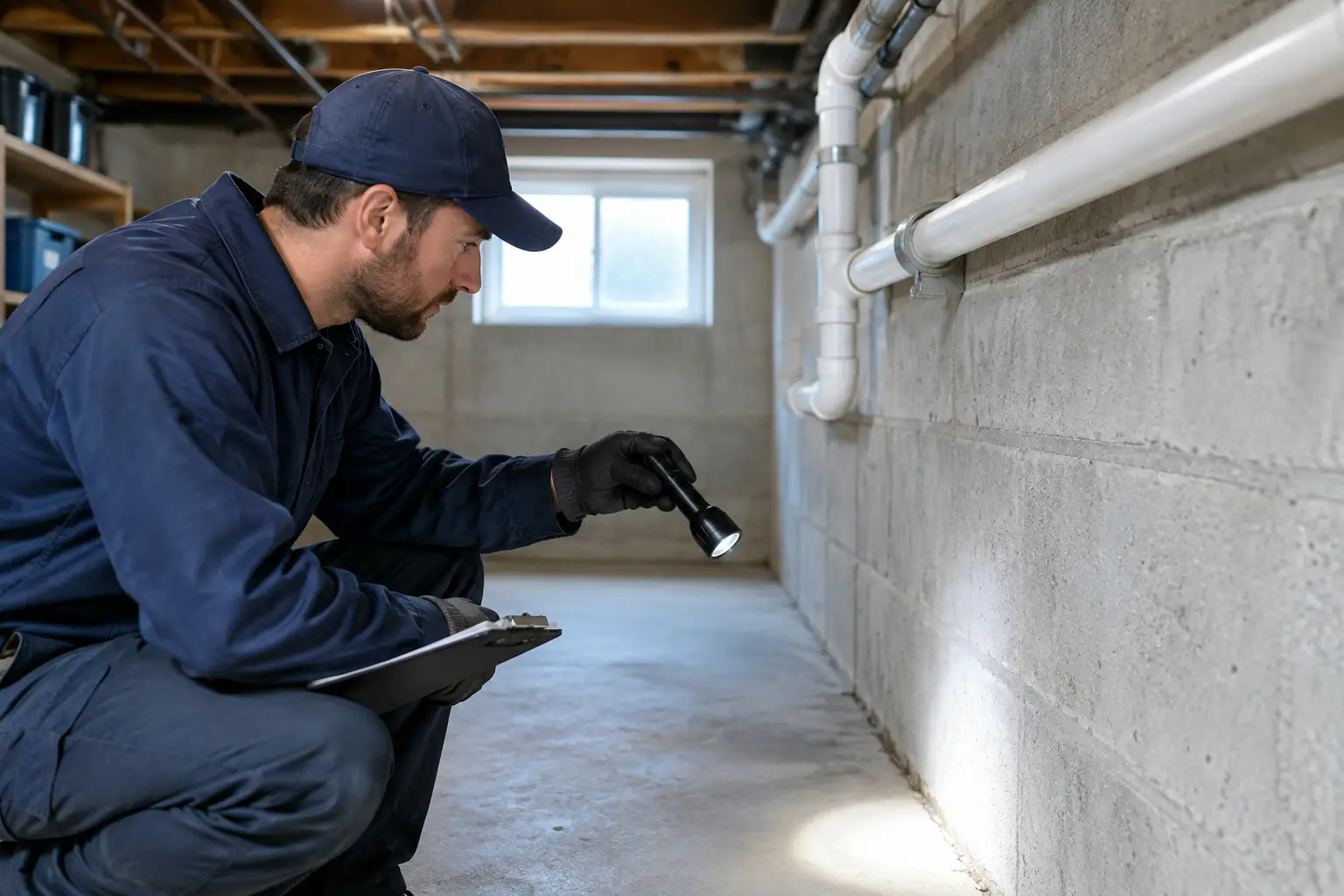
Regular inspection is the difference between a small concern and a costly infestation. Once a month, use a flashlight to check corners, utility rooms, storage areas, and the spaces behind appliances. Look for fresh rodent droppings, chewed materials, greasy rub marks along walls, shed insect skins, webbing, or small piles of sawdust-like material.
Some signs call for faster action. Mud tubes on foundation walls can indicate termite activity. Tiny holes and powder below wood may point to wood-boring insects. A strong, stale odor in a secluded area can suggest rodent nesting. Repeated sightings of cockroaches, especially during the day, may mean the population is larger than it appears.
Basement pests do not always stay in the basement. Mice can travel through wall voids and duct openings to kitchens, attics, and bedrooms. Ant colonies may forage throughout the house while nesting near a damp foundation. Addressing the source early protects the rest of the home.
Use Traps and Treatments Carefully
Traps can help confirm rodent activity and reduce a small mouse problem, but placement matters. Set snap traps along walls, behind stored items, and near suspected travel routes, with the trigger end facing the wall. Check them frequently and keep traps inaccessible to children and pets.
Avoid relying on loose poison bait in a basement. Rodenticides can create safety concerns if they are accessible to children, pets, or wildlife, and rodents may die in inaccessible wall voids, creating odor problems. A professional can determine whether tamper-resistant bait stations, trapping, exclusion, or a combination of methods is the appropriate response.
Over-the-counter sprays may kill insects you see without addressing the nest, breeding area, entry point, or moisture condition behind the activity. This is especially true for ants, cockroaches, and termites. Treatment should be based on accurate identification. Using the wrong product or applying it in the wrong location can scatter pests, reduce effectiveness, and add unnecessary pesticide exposure.
Know When Professional Pest Control Is Needed
DIY prevention is valuable, but it has limits. Call a pest control professional when you have recurring rodent activity, signs of termites, cockroach sightings, unexplained insect damage, bats or wildlife in structural spaces, or a pest issue that continues after you have sealed and cleaned the area.
A trained technician can inspect the basement along with the exterior, attic, crawl spaces, plumbing penetrations, and other connected areas. That matters because the visible activity is often not the true source. An individualized plan may include exclusion work, targeted treatment, monitoring, follow-up service, and recommendations to correct moisture or sanitation conditions.
At Apex Pest Control, our approach focuses on proven pest management that protects your home, family, pets, and property. For active infestations, rapid response and a complete inspection can prevent a basement problem from becoming a whole-home problem.
A pest-proof basement is not created by one product or one weekend project. Keep it dry, sealed, organized, and easy to inspect, then act quickly when you find evidence of activity. That steady, layered approach gives pests fewer places to enter, feed, and hide – and gives your household greater peace of mind.