



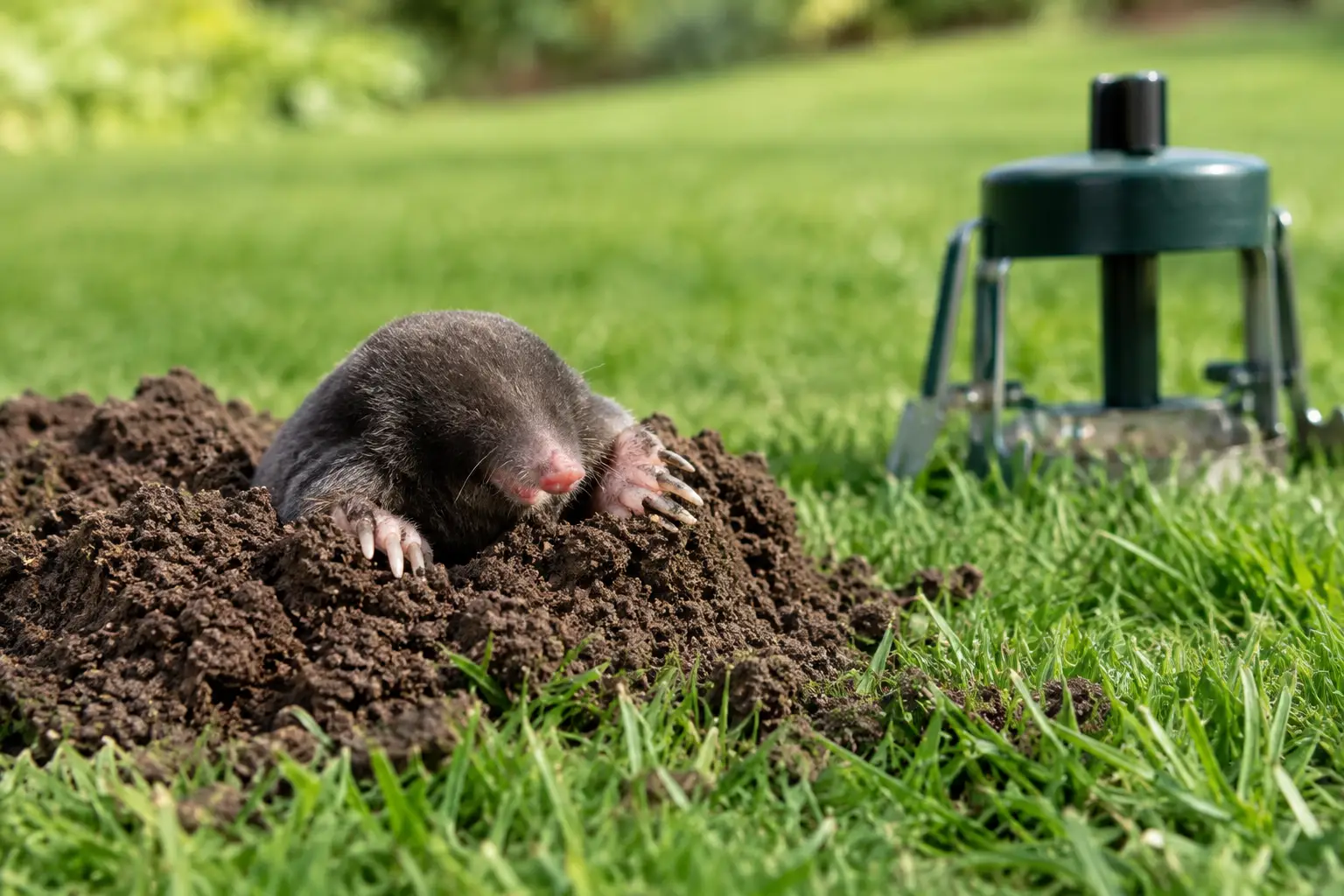
A soft ridge running across a healthy lawn can turn into a collapsed walkway, damaged turf, and a frustrating weekend project fast. Effective mole control starts by confirming what is under the ground, locating active tunnels, and using a treatment plan built to stop current damage without creating unnecessary risk for children, pets, or the landscape.
Moles are not simply a nuisance when they leave a few dirt piles behind. Their tunneling can separate grass roots from the soil, weaken turf, disturb flower beds, and create uneven ground. For homeowners, that means an expensive lawn can deteriorate quickly. For commercial properties, mole activity can affect curb appeal, grounds maintenance costs, and safe walking conditions for visitors and employees.
Why Moles Are Damaging Your Lawn
Moles are small, insect-eating mammals that spend nearly all their time underground. They are not rodents, and they do not eat grass roots in the way voles do. Instead, moles tunnel through soil in search of earthworms, grubs, and other soil-dwelling insects.
That diet is why a property with moist, healthy soil can be especially attractive. Well-watered lawns often have abundant earthworm activity. Lawns with significant grub populations can offer another dependable food source. The problem is not that a mole wants your grass. The problem is that it tears through the root zone while hunting beneath it.
In Northeast Ohio, mole damage often becomes most visible in spring and fall. Soil moisture, changing temperatures, and active insect populations can bring moles closer to the surface, where their tunnels leave raised ridges through turf. Activity can continue throughout the year, however, especially during milder weather.
Identify Mole Activity Before Choosing Treatment
Accurate identification matters. A treatment designed for moles will not solve a vole problem, and vice versa. Moles typically leave two signs: raised surface tunnels and volcano-shaped mounds of loose soil. Surface tunnels are shallow ridges that may feel soft or collapse when stepped on. The deeper mounds are created when moles push excavated soil upward from their tunnel systems.
Voles generally create small runways at the soil surface, often under mulch, dense vegetation, or snow cover. They may chew bark, roots, bulbs, and stems. Groundhogs create much larger burrow openings, while chipmunks often leave cleaner holes with less visible soil displacement.
A simple way to check for active mole tunnels is to flatten a short section of a raised ridge and inspect it again after 24 to 48 hours. If the tunnel is rebuilt, it may be active. This is useful information, but it does not reveal the full tunnel network or guarantee where a mole will travel next. Moles can use extensive systems containing both active feeding tunnels and less frequently used routes.
Why Store-Bought Repellents Often Disappoint
Castor-oil products, sonic stakes, vibrating devices, and strongly scented repellents are widely marketed for mole problems. Some may cause temporary movement in a limited area, particularly when combined with changes in soil moisture. They rarely provide dependable property-wide results when a lawn has an established food source and active tunnel network.
The same is true of many improvised remedies. Flooding tunnels can damage the lawn, waste water, and fail to reach the animal. Poisoning is a poor choice because products may be ineffective, misapplied, or pose unacceptable risks to pets, wildlife, and people. A reliable plan should focus on proven methods, careful placement, and conditions that support long-term prevention.
Professional Mole Control Targets Active Tunnels
The most dependable mole control approach is based on inspection and targeted removal. A trained technician evaluates visible tunnel patterns, soil conditions, landscaping features, and likely areas of activity. The goal is not to treat every ridge indiscriminately. It is to find active travel routes and apply the right control method where it will be effective.
Trapping is often the primary solution for an active mole issue. When correctly selected, positioned, and monitored, professional-grade traps can provide direct results without broad pesticide applications across the lawn. Proper placement is the difference between an active treatment and a trap that sits untouched. It requires an understanding of tunnel depth, travel patterns, and the difference between fresh feeding tunnels and older passages.
A professional may also recommend addressing excessive grub populations when inspection supports that conclusion. Grub management can reduce one available food source, but it is not a stand-alone guarantee against moles. Earthworms remain a major food source for moles, and a healthy lawn naturally supports soil life. The practical objective is to reduce conditions that make recurring activity more likely while removing the moles currently causing damage.
At Apex Pest Control, individualized treatment plans are built around the specific property, level of activity, and safety needs of the customer. That matters for families with pets, properties with extensive landscaping, and commercial grounds that need a polished, safe appearance.
Protect Your Lawn Between Service Visits
Homeowners can support effective treatment by avoiding unnecessary disturbance of identified active areas. Repeatedly stomping, flooding, or digging up tunnels may make it harder to determine where moles are traveling and can create additional turf damage.
After activity has been resolved, repair damaged areas promptly. Press down minor surface ridges, add soil where deeper mounds have settled, reseed thin areas when weather permits, and keep newly repaired turf properly watered. If the lawn has widespread tunneling, a landscaping professional may be helpful for leveling and restoration.
Long-term lawn care also plays a role. Avoid overwatering, particularly in areas that stay wet naturally. Improve drainage where practical, manage thatch, and follow a seasonally appropriate turf program. These steps will not make a lawn completely mole-proof, but they can reduce the favorable conditions that support frequent activity.
Mole Problems at Commercial Properties
For property managers and facility operators, moles can become more than a landscaping complaint. Raised turf and soil mounds can create trip hazards near sidewalks, entryways, recreational areas, and managed grounds. Visible damage also sends the wrong message at apartment communities, healthcare campuses, office parks, schools, hotels, and retail locations.
Commercial mole service should account for the full property rather than responding only to the most noticeable mound. A technician should document activity, identify priority areas, coordinate access with site operations, and provide clear service records. This is particularly valuable for multi-site organizations that need consistent standards and dependable communication across locations.
Treatment timing may need to account for customer traffic, lawn maintenance schedules, irrigation, outdoor events, and sensitive areas. The best plan balances fast action with responsible treatment practices and minimal disruption to daily operations.
When to Call for Mole Treatment
Call for professional service when new ridges or mounds continue appearing, when damaged turf is spreading across multiple areas, or when DIY methods have not stopped activity. Early action is usually less disruptive than waiting until a tunnel network expands through a large portion of the lawn.
A technician can also help when the signs are unclear. Homeowners often assume every mound is caused by a mole, but correct identification prevents wasted time and money. If the issue is voles, groundhogs, or another wildlife pest, the treatment strategy changes.
A well-kept lawn should not require constant repairs from underground damage. Prompt inspection, targeted removal, and practical prevention give homeowners and property managers a clear path back to stable turf and peace of mind.