



Finding pests in your Ohio home can feel unsettling, especially when you realize that Cincinnati, Cleveland, and Columbus are among america’s cities facing some of the toughest bed bug infestations. These unwelcome visitors threaten your health and peace of mind, turning simple routines into daily worries. Understanding the unique pest challenges in your region helps you take control, safeguard your home, and create a safer environment for everyone living there.
Table of Contents
- Step 1: Assess Common Ohio Pests And Infestations
- Step 2: Prepare Your Property For Effective Pest Treatment
- Step 3: Apply Professional Pest Control Solutions Safely
- Step 4: Verify Pest Elimination And Prevent Recurrence
- Step 5: Customize Ongoing Protection For Long-Term Safety
Quick Summary
| Key Point | Explanation |
|---|---|
| 1. Identify common Ohio pests | Understand local pest threats specific to Ohio, such as bed bugs and destructive insects. Regularly assess your home for vulnerabilities. |
| 2. Prepare for pest treatment | Clear clutter, seal entry points, and eliminate food sources to create an optimal environment for effective pest control. |
| 3. Ensure professional safety protocols | Work with certified pest control technicians who follow safety guidelines and use proper protective equipment during treatment. |
| 4. Verify pest elimination outcomes | Conduct follow-up inspections to check for signs of remaining pest activity after treatment and take corrective actions if necessary. |
| 5. Customize long-term pest management | Develop a tailored prevention plan involving regular inspections and continual maintenance to protect your home from future infestations. |
Step 1: Assess Common Ohio Pests and Infestations
Effectively managing pests in Ohio starts with understanding the specific challenges your home might face. This guide will help you systematically identify and evaluate potential pest threats across your residential property.
Ohio presents a unique ecosystem that attracts several problematic pest species. Ohioline highlights that major urban centers like Cincinnati, Cleveland, and Columbus experience significant bed bug challenges, which can create serious health risks including respiratory complications and psychological stress. Similarly, the USDA warns about destructive insects like the Asian Longhorned Beetle and Spongy Moth, which can devastate hardwood trees and landscape vegetation.
To conduct a thorough pest assessment, start by examining key areas of vulnerability: dark corners, moisture prone spaces, wooden structures, and potential entry points around windows and foundations. Look for telltale signs such as droppings, gnaw marks, unusual sounds, or structural damage. Pay special attention to basements, attics, crawl spaces, and exterior perimeters where pests frequently establish initial colonies. Exterior Rodent Control: Complete Guide for Ohio Homes can provide additional insights into preventing rodent invasions that might compromise your home’s integrity.
Remember that early detection is your strongest defense. Professional inspections can catch potential infestations before they become extensive and costly to manage.
Step 2: Prepare Your Property for Effective Pest Treatment
Preparing your property for professional pest treatment is a critical step in ensuring comprehensive and successful pest management. The process requires strategic planning and specific actions to maximize treatment effectiveness and protect your living environment.
According to PestEd, Integrated Pest Management (IPM) standards emphasize the importance of thorough preparation before pest control interventions. Start by conducting a comprehensive property assessment. Clear clutter from potential problem areas like basements, attics, and storage spaces. Remove food sources by sealing containers, cleaning kitchen surfaces, and managing garbage efficiently. Identify and seal potential entry points such as small cracks around windows, doors, and foundations where pests might infiltrate. The Essential Guide to Exterior Pest Maintenance can provide additional insights into securing your property’s perimeter.
The Ohio Administrative Code requires designated oversight of pest control programs, highlighting the importance of systematic preparation. Prioritize areas with moisture buildup, as these environments attract many pest species. Move furniture away from walls, cover aquariums and terrariums, and temporarily relocate pets during treatment. By taking these proactive steps, you create an optimal environment for targeted pest control interventions and minimize potential reinfestation risks.
Step 3: Apply Professional Pest Control Solutions Safely
Professional pest control requires careful planning and precise execution to ensure maximum effectiveness while protecting your home environment. This step focuses on implementing pest control solutions with the utmost safety and precision.
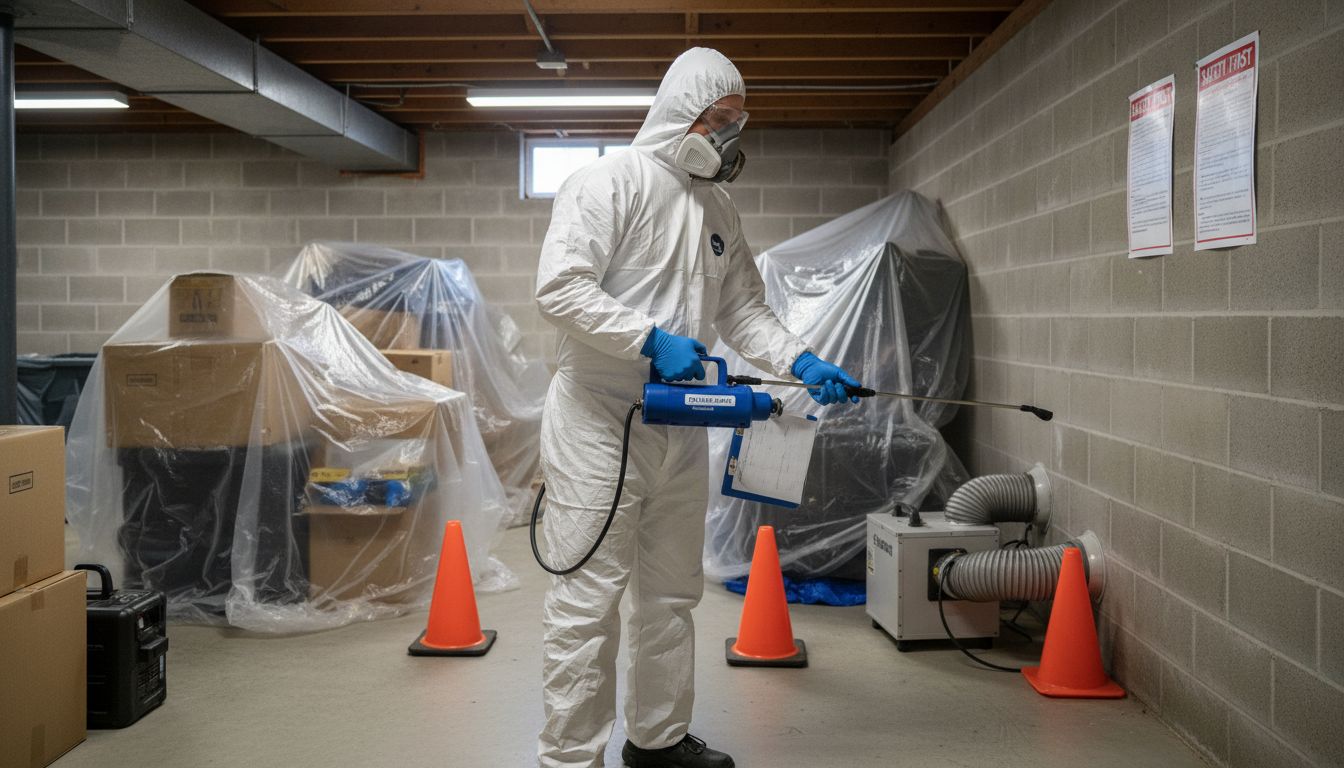
According to Extension Pubs, comprehensive safety guidelines are crucial when applying pest control solutions. When working with professional technicians, ensure they follow strict protocols. Complete Guide to Pet-Safe Pest Control Methods highlights the importance of selecting treatments that minimize risks to pets and family members. Remove sensitive items like children’s toys, pet bedding, and uncovered food before treatment. Cover aquariums, disconnect electrical devices near treatment areas, and temporarily relocate pets and plants to prevent accidental exposure.
The Ohio Administrative Code provides specific regulations governing pesticide applications, emphasizing safety in residential settings. Professional technicians should wear appropriate protective equipment, use calibrated application tools, and follow precise treatment protocols. After treatment, ventilate the area thoroughly, wait the recommended time before re-entering, and carefully clean surfaces to remove any residual chemicals. By following these guidelines, you ensure a safe, effective pest control process that protects both your property and your family’s health.
Step 4: Verify Pest Elimination and Prevent Recurrence
Confirming the complete elimination of pests and establishing long term prevention strategies is the final critical phase of comprehensive pest management. This step ensures your property remains protected and minimizes the potential for future infestations.
According to PestEd, Integrated Pest Management standards emphasize systematic monitoring and evaluation after treatment. Schedule a follow up inspection within two weeks of initial treatment to verify pest elimination. Look for signs of continued activity such as droppings, damage, or live insects. Home Pest Prevention Ohio recommends maintaining detailed documentation of treatment results and any observed changes in pest activity.
The Ohio Administrative Code requires ongoing pest control oversight, which means implementing preventive measures is crucial. Seal potential entry points, maintain proper sanitation, reduce moisture sources, and trim vegetation near your home’s exterior. Regular cleaning, proper food storage, and addressing potential nesting areas will significantly reduce the likelihood of future pest problems. By creating an environment that is consistently inhospitable to pests, you can protect your property and maintain a healthy living space.
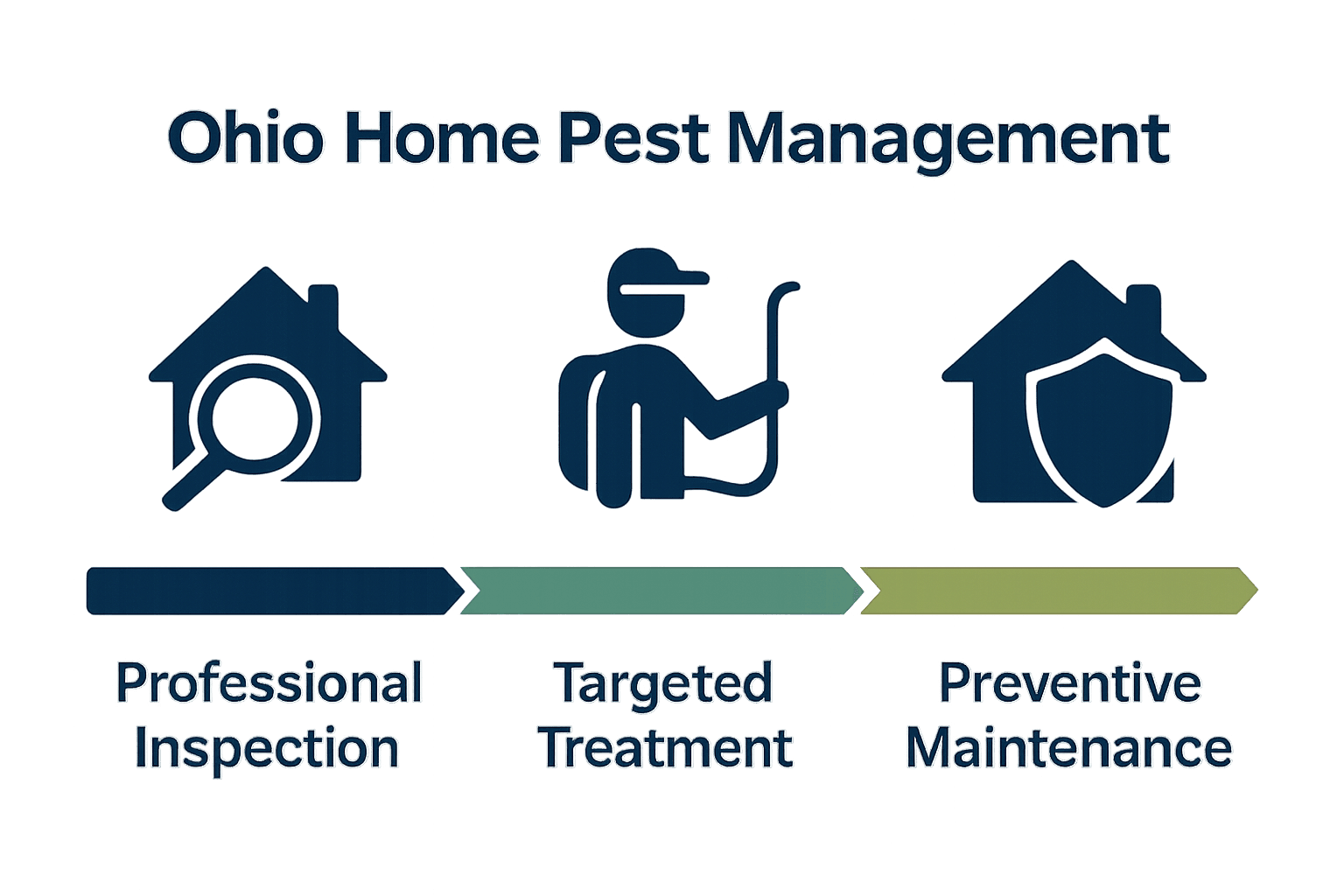
Step 5: Customize Ongoing Protection for Long-Term Safety
Developing a personalized pest management strategy is essential for maintaining a pest free environment and protecting your property from potential future invasions. This final step focuses on creating a comprehensive and adaptable protection plan tailored to your specific residential needs.
According to PestEd, Integrated Pest Management standards recommend developing customized protection plans that address unique property characteristics. Work with professional pest control experts to assess your home’s specific vulnerabilities. Consider factors such as local climate, surrounding landscape, home construction, and previous pest history to design a targeted prevention strategy. 7 Key Benefits of Pest Control for Ohio Homes and Businesses highlights the importance of comprehensive evaluations that go beyond generic treatment approaches.
The Ohio Administrative Code mandates regular scheduled inspections and maintenance to ensure continuous pest control effectiveness. Implement a quarterly or semi annual professional inspection program to proactively identify and address potential pest risks. Supplement professional services with consistent home maintenance practices like sealing entry points, managing moisture levels, and maintaining clean storage areas. By combining professional expertise with proactive homeowner strategies, you can create a robust defense system that minimizes the potential for future pest infestations and protects your property year round.
Take Control of Ohio Home Pests with Expert Solutions
Ohio homes face unique challenges from pests like bed bugs, rodents, and invasive insects that threaten your health and property. If you’ve noticed early signs such as droppings, damage, or strange noises in your basement or attic you understand how stressful and overwhelming managing infestations can become. The Ohio Home Pest Guide 2025 highlights the importance of thorough inspections, tailored preparations, and professional treatment to achieve lasting pest elimination and prevent costly reinfestations.
Do not let pests take over your home. Apex Pest Control offers customized residential pest management programs designed specifically for Ohio homes. From one-time treatments to ongoing protection plans including mosquito prevention and eco-friendly options you receive comprehensive care that prioritizes safety for your family and pets. Learn more about how our services address common problems in Ohio by visiting our Uncategorized Archives – Apex Pest Control. Get started today and secure your home by requesting a free quote at Apex Pest Control Free Quote. Prevent future pest stress with trusted expertise you can count on.
Frequently Asked Questions
How can I identify common pests in my Ohio home?
To identify common pests, inspect areas prone to infestations, such as basements and attics, for signs like droppings or gnawed materials. Conduct a thorough examination of dark corners and entry points to assess potential threats. Look for these signs at least once a month for effective monitoring.
What preparation steps should I take before pest treatment?
Before treatment, clear clutter from potential problem areas and seal food containers to eliminate food sources. Ensure you seal small entry points around windows and doors, and temporarily relocate pets and sensitive items to create a safe environment for effective pest control.
How can I ensure the safety of my family during pest control treatments?
Keep your family safe by removing sensitive items from treatment areas and covering aquariums. Additionally, make sure professional technicians wear protective gear, and ventilate treated spaces thoroughly before re-entering after treatment.
When should I follow up after pest treatment?
Schedule a follow-up inspection within two weeks of the initial treatment to verify that pests have been eliminated. During this inspection, look for any lingering signs of activity, such as droppings or unusual sounds, to reassess your pest management strategy.
What actions can I take to prevent future pest infestations?
To prevent future infestations, seal any potential entry points, maintain cleanliness in storage areas, and address moisture issues around your home. Regularly inspect your property every season and take proactive measures to create an environment less hospitable to pests.
How do I create a customized pest protection plan for my home?
Work with pest control experts to evaluate your home’s unique vulnerabilities and develop a tailored prevention strategy. Consider factors such as your local environment and previous pest issues, and implement a scheduled inspection program to proactively manage risks.