



Most homeowners think pest control ends when the exterminator leaves. That assumption costs Ohio families thousands each year in repeat treatments and structural damage. The truth is preventative pest treatment works best when you understand what attracts pests, how they enter your home, and which control methods protect your family long term. This guide reveals why ongoing pest education transforms reactive homeowners into proactive protectors of their property, health, and budget.
Table of Contents
- Key takeaways
- Why ongoing pest education matters for Ohio homeowners
- Pest education methods: How homeowners can stay informed
- Comparing pest control approaches with ongoing education
- Applying ongoing pest education for effective and safe pest control
- Explore expert pest control solutions for Ohio homeowners
- Frequently asked questions about ongoing pest education
Key Takeaways
| Point | Details |
|---|---|
| Ongoing pest education | Understanding pest behavior and seasonal patterns helps you catch problems early before costly infestations develop. |
| Safer eco friendly solutions | Choose safer, eco friendly solutions that protect family health and reduce environmental impact. |
| DIY versus professional help | Know when do it yourself methods are sufficient and when professional help is necessary. |
| Seasonal prevention plan | Set quarterly reminders to review Ohio specific pests and update prevention strategies. |
Why ongoing pest education matters for Ohio homeowners
Pest education isn’t a one-time event. It’s an ongoing process that directly impacts how well you protect your home from invaders. When you understand pest behavior, seasonal patterns, and early warning signs, you catch problems before they escalate into full-blown infestations requiring expensive interventions.
Ohio’s climate creates unique pest challenges. Cold winters drive rodents indoors seeking warmth. Humid summers attract mosquitoes, ants, and termites. Without continuous learning about these patterns, you miss critical prevention windows. Educated homeowners recognize mouse droppings in the garage during October, not February when the colony has multiplied.
Knowledge also prevents dangerous mistakes. Many homeowners reach for harsh chemicals at the first sign of pests, creating health risks for children and pets. Understanding integrated pest management examples shows you safer alternatives that work better long term. You learn when to seal entry points instead of spraying, when to adjust moisture levels instead of setting traps.
The financial impact is substantial. A single termite inspection costs $75 to $150. Repairing termite damage averages $3,000 to $8,000. Educated homeowners spot swarmers in spring and call professionals immediately, preventing structural damage entirely. They understand which DIY methods work for minor ant problems and when professional help becomes necessary.
Pro Tip: Set calendar reminders for seasonal pest education reviews. Spend 30 minutes each quarter reading about pests active during that season in Ohio. This simple habit catches problems early and keeps prevention strategies fresh in your mind.
Continuous pest education empowers better decisions:
- Recognize early infestation signs before visible damage appears
- Choose eco-friendly solutions that protect family health
- Understand when DIY methods suffice versus requiring professional help
- Implement prevention strategies tailored to Ohio’s seasonal pest patterns
- Avoid wasting money on ineffective products marketed to desperate homeowners
Pest education methods: How homeowners can stay informed
Staying educated doesn’t require a biology degree. Multiple accessible resources help Ohio homeowners build pest knowledge gradually without overwhelming their schedules.
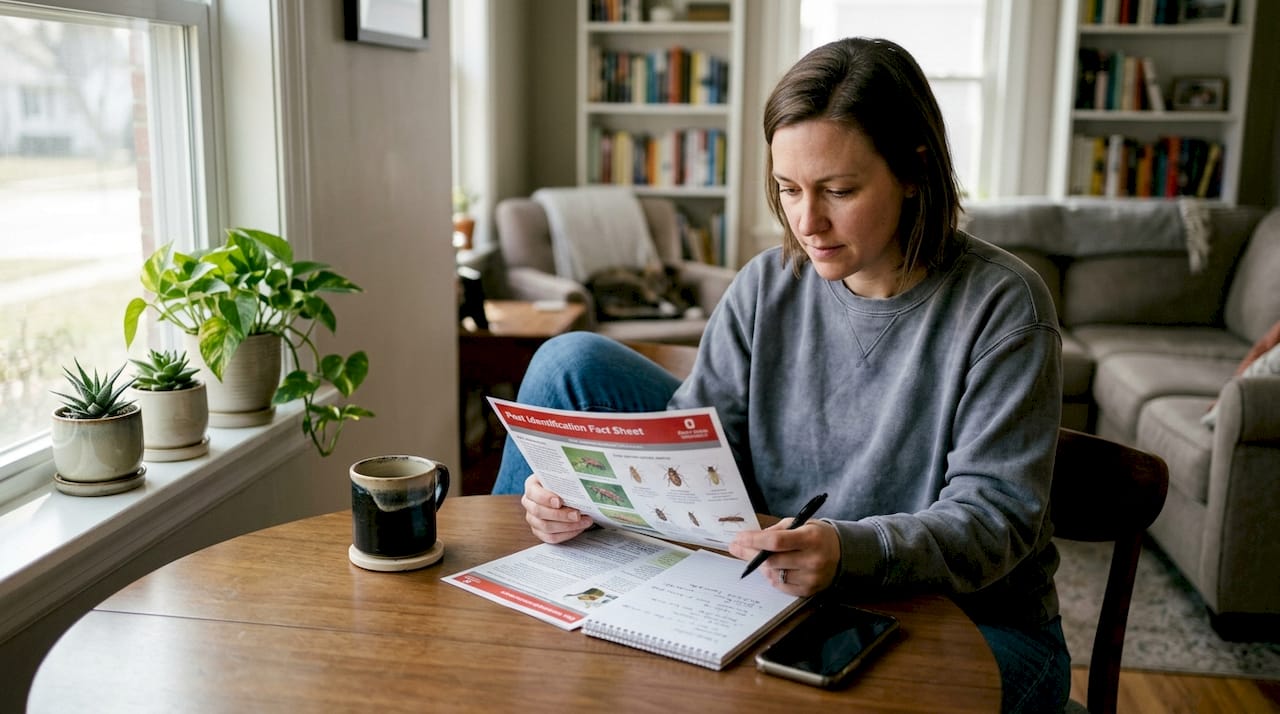
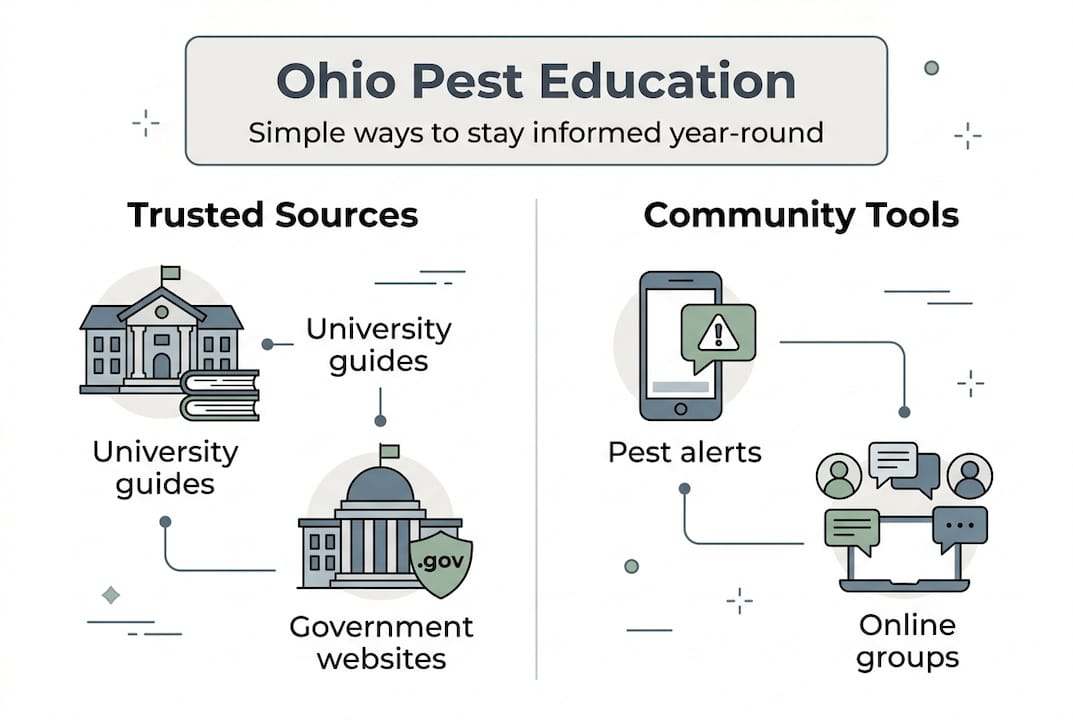
Government resources provide reliable, science-based information. The Ohio State University Extension offers free fact sheets on common pests, identification guides, and prevention strategies specific to Northeast Ohio. County extension offices host occasional workshops covering seasonal pest concerns. These sources avoid commercial bias and focus purely on effective, safe control methods.
Local pest control companies that prioritize education make excellent partners. Reputable providers share seasonal pest alerts, identification tips, and prevention checklists through email newsletters and blog posts. They explain why certain treatments work and help you understand the pest lifecycle, not just sell services. This transparency builds trust and improves your ability to maintain pest-free conditions between professional visits.
Online communities offer real-time pest alerts and neighborhood-specific insights. Local Facebook groups and Nextdoor forums let homeowners share recent pest sightings, successful prevention tactics, and service provider recommendations. When three neighbors report carpenter ants in April, you know to inspect your property immediately.
Pro Tip: Create a pest education folder in your email or browser bookmarks. Save helpful articles, identification guides, and seasonal checklists in one place for quick reference when you spot something unusual around your home.
Follow these steps to build ongoing pest knowledge:
- Subscribe to one trusted pest control blog or newsletter focused on Ohio
- Join your neighborhood’s online community group for local pest alerts
- Bookmark the Ohio State University Extension pest resources page
- Schedule quarterly reviews of seasonal pest information relevant to upcoming months
- Attend one workshop or webinar annually on integrated pest management
- Create a simple pest log noting any sightings, even minor ones, to track patterns
Diverse education sources keep you updated on evolving pest trends and control innovations. New eco-friendly products emerge regularly. Pest behavior changes with climate patterns. Staying connected to multiple information streams ensures you never fall behind on effective protection strategies.
Comparing pest control approaches with ongoing education
Education fundamentally changes how you approach pest problems. The contrast between informed and uninformed pest control reveals why continuous learning matters so much for Ohio homeowners.
Conventional chemical treatments rely on reactive responses. You see pests, you spray pesticides, you hope they die. This approach creates several problems. Pests develop resistance to overused chemicals. Harsh products harm beneficial insects that naturally control pest populations. Families breathe toxic residues. The root cause, like moisture problems or entry gaps, remains unaddressed so pests return quickly.
Sustainable pest management takes a smarter approach informed by education. You identify the pest species first, research its behavior and lifecycle, then select targeted interventions that address root causes. This might mean fixing a leaky pipe attracting ants rather than spraying the trail. Sealing foundation cracks instead of setting endless mouse traps. The results last longer, cost less, and protect your family’s health.
| Approach | Education level | Method | Results | Safety |
|---|---|---|---|---|
| Reactive chemical | Low | Spray pesticides when pests appear | Temporary relief, pests return | Health risks from chemical exposure |
| DIY without knowledge | Low | Random treatments, guesswork | Inconsistent, often ineffective | Potential misuse of products |
| Integrated pest management | High | Identify pest, address root causes, targeted treatment | Long-term prevention, fewer chemicals | Family and pet safe methods |
| Educated prevention | High | Seasonal inspections, exclusion, monitoring | Stops infestations before they start | Minimal chemical use |
Education shifts you from reactive to proactive control. Instead of fighting established infestations, you prevent them entirely. You understand that sealing gaps in October stops mice from entering during winter cold snaps. Removing standing water in May prevents mosquito breeding through summer. Trimming vegetation away from your foundation in spring eliminates ant highways into your kitchen.
Without education, homeowners make costly mistakes:
- Misidentifying pests and using wrong treatments that waste money
- Applying excessive pesticides that harm beneficial insects and family health
- Ignoring early warning signs until damage becomes expensive to repair
- Choosing pest control services based only on price, not expertise or methods
- Failing to implement prevention, creating endless cycles of treatment and reinfestation
Educated homeowners recognize that sustainable methods require understanding pest biology. Termites need moisture and wood contact. Eliminate those conditions and termites cannot establish colonies regardless of how many exist in your neighborhood. Ants follow scent trails to food sources. Disrupt the trail and remove the food, and the colony redirects elsewhere. Knowledge transforms pest control from mysterious chemical warfare into logical problem solving.
Applying ongoing pest education for effective and safe pest control
Knowledge becomes valuable only when applied consistently. These practical strategies help Ohio homeowners translate pest education into effective, ongoing protection for their properties.
Conduct routine home inspections guided by seasonal checklists. Spring inspections focus on termite swarmers, ant activity, and foundation gaps exposed by snowmelt. Summer checks look for wasp nests forming under eaves, mosquito breeding sites, and increased spider activity. Fall inspections identify rodent entry points before cold weather drives mice indoors. Winter reviews check attics and basements for signs of pests seeking warmth. Regular pest inspections catch problems when they’re easiest and cheapest to resolve.
Implement prevention strategies based on pest lifecycle knowledge. Understanding that carpenter ants swarm in spring tells you to inspect wood structures in April and May. Knowing bed bugs hitchhike on luggage means inspecting suitcases immediately after travel. Education reveals these critical timing windows when prevention efforts deliver maximum impact.
Choose pest control services that prioritize education and transparency. Ask potential providers how they identify pests, what methods they recommend, and why those methods work. Companies that take time explaining their approach and educating you about prevention typically deliver better long-term results than those offering only spray-and-go service.
Pro Tip: Create a simple pest activity log in a notebook or smartphone app. Note every pest sighting with date, location, and weather conditions. Patterns emerge over time revealing which areas need attention and when problems typically start each year.
Track your pest control efforts to refine strategies:
- Document which prevention methods work best for your specific property
- Record when seasonal pests typically appear in your neighborhood
- Note which entry points require repeated sealing or monitoring
- Track costs of different approaches to identify most cost-effective solutions
- Monitor family health impacts from various control methods used
| Season | Common Ohio pests | Education focus | Key prevention actions |
|---|---|---|---|
| Spring | Termites, ants, wasps | Identify swarmers, locate nests | Inspect wood, seal cracks, remove standing water |
| Summer | Mosquitoes, flies, spiders | Breeding sites, entry points | Eliminate water sources, repair screens, reduce clutter |
| Fall | Rodents, stink bugs, spiders | Entry point identification | Seal foundation gaps, install door sweeps, trim vegetation |
| Winter | Mice, rats, occasional invaders | Indoor inspection, exclusion | Check attics and basements, monitor traps, maintain seals |
Applying education means adjusting strategies based on results. If mice still enter despite sealing obvious gaps, you research less obvious entry points like utility line penetrations or damaged roof vents. When ants return after treatment, you investigate moisture sources or food storage practices attracting them. Continuous learning creates continuous improvement in your pest control effectiveness.
Educated homeowners also recognize when professional help becomes necessary. You understand that small ant problems respond well to DIY methods, but carpenter ant colonies require professional treatment to locate and eliminate the parent colony. Bed bug infestations need specialized heat treatments or pesticides beyond homeowner capabilities. Education helps you make smart decisions about which battles to fight yourself and when to call experts.
Explore expert pest control solutions for Ohio homeowners
Your pest education journey doesn’t end with reading articles. It continues through partnership with professionals who share your commitment to safe, effective, sustainable pest control. Comparing service providers helps you find the right match for your needs and values.
Review top residential pest solutions comparison to understand different service models, treatment approaches, and pricing structures available in Northeast Ohio. This knowledge helps you ask informed questions and evaluate proposals from multiple providers.
When you’re ready for professional assistance, explore top local exterminators 2026 to find licensed, experienced technicians serving your specific community. Local expertise matters because pest pressures vary significantly across Ohio regions.
Apex Pest Control combines decades of experience with ongoing education for both our technicians and our clients. We explain what we find, why specific treatments work, and how you can prevent future problems. Contact pest control Apex Ohio to discuss your specific pest concerns and learn how our family-safe, eco-friendly methods protect Northeast Ohio homes effectively.
Frequently asked questions about ongoing pest education
Why does ongoing pest education improve pest control effectiveness?
Continuous learning helps you recognize early warning signs before infestations become severe and expensive to treat. Education reveals seasonal pest patterns specific to Ohio, allowing you to implement prevention strategies at optimal times. Understanding pest biology helps you address root causes rather than just treating symptoms, creating longer-lasting protection for your home.
How does pest education help homeowners use pesticides more safely?
Educated homeowners understand which pests require chemical treatment and which respond better to non-chemical methods like exclusion or habitat modification. You learn proper application techniques, appropriate product selection for specific pests, and safety precautions protecting family and pets. Knowledge prevents common mistakes like overapplication, using wrong products, or applying treatments in dangerous locations near food or water sources.
What are the easiest ways for busy homeowners to stay educated about pests?
Subscribe to one quality pest control newsletter focused on Ohio for monthly updates delivered to your inbox. Join your neighborhood’s online community group where neighbors share real-time pest alerts. Bookmark reliable resources like Ohio State University Extension for quick reference when you spot something unusual. These three simple steps provide ongoing education without overwhelming your schedule.
Can pest education really save money compared to just calling exterminators?
Absolutely. Education helps you prevent many pest problems entirely through proper exclusion, sanitation, and habitat modification, eliminating treatment costs. When problems do occur, knowledge helps you identify them early when treatment is simpler and cheaper. You also avoid wasting money on ineffective DIY products or unnecessary professional services by understanding which situations genuinely require expert intervention.
How often should homeowners review pest education materials?
Quarterly reviews work well for most Ohio homeowners, aligning with seasonal pest pattern changes. Spend 20 to 30 minutes before each season reading about pests that become active during upcoming months. This timing helps you implement prevention strategies before problems start rather than reacting after infestations establish. Additional research becomes valuable when you encounter unfamiliar pests or notice unusual activity around your property.