


Nearly one in three American families in Ohio face seasonal pest invasions that threaten health and home integrity. For parents and property managers, keeping homes free from termites and mosquitoes while protecting children and pets is a constant challenge. Eco-friendly pest control is gaining ground, offering safe solutions that minimize chemical exposure. This guide explores practical strategies, expert insights, and proven techniques for sustainable pest management tailored to Ohio’s unique environment.
Table of Contents
- Defining Pest Control Best Practices Today
- Common Pests in Ohio Residences
- Eco-Friendly and Safe Treatment Options
- Residential and Commercial Pest Management Strategies
- Legal Compliance and Safety Standards
- Mistakes to Avoid in Pest Control
Key Takeaways
| Point | Details |
|---|---|
| Integrated Pest Management (IPM) | IPM combines biological, cultural, mechanical, and chemical strategies to control pests while minimizing environmental impact. Professionals assess specific environments to create customized solutions. |
| Prevention and Maintenance | Regular inspections and sealing entry points are crucial to preventing pest infestations before they escalate. Implementing long-term strategies reduces the need for chemical treatments. |
| Eco-Friendly Approaches | Modern pest control emphasizes low-impact solutions, utilizing biological controls and mechanical methods to ensure safety for people and pets. |
| Importance of Accurate Identification | Correct pest identification is essential for effective management; misidentifying pests can lead to improper treatment and greater infestations. |
Defining Pest Control Best Practices Today
Pest control has evolved dramatically in recent years, shifting from traditional chemical-heavy approaches to more sophisticated, environmentally conscious strategies. Modern pest management now emphasizes integrated pest management (IPM), a holistic approach that combines multiple techniques to control pest populations safely and effectively. This comprehensive method focuses on understanding pest behavior, minimizing environmental impact, and protecting human health.
The core of contemporary pest control revolves around integrated pest management strategies, which blend biological, cultural, mechanical, and chemical interventions. Unlike previous approaches that relied heavily on indiscriminate chemical treatments, today’s best practices prioritize targeted, strategic interventions. Professionals now assess each unique environment, identifying specific pest challenges and developing customized solutions that address root causes rather than merely treating symptoms.
Current best practices also emphasize prevention and sustainable management. This includes thorough property inspections, identifying potential entry points, removing attractants, and implementing long-term strategies that reduce pest populations without causing ecological disruption. By understanding pest biology and ecosystem interactions, homeowners and pest control professionals can create environments that naturally discourage pest infestations.
Quick Tip: Conduct quarterly property inspections to identify and seal potential pest entry points before they become significant problems.
Common Pests in Ohio Residences
Ohio homeowners face a diverse range of pest challenges that can compromise home comfort and safety. The state’s varied climate and landscape create ideal conditions for numerous invasive species that seek shelter in residential spaces. Common pest species in Ohio include a mix of seasonal and year-round invaders that require strategic management and prevention.
Among the most prevalent pests in Ohio residences are carpenter ants, termites, and rodents. Carpenter ants can cause significant structural damage by tunneling through wooden structures, while termites pose an even more serious threat to home foundations. Rodents like mice and rats not only damage property but also carry potential health risks through disease transmission and contamination. These pests are particularly active during seasonal transitions, seeking warm indoor environments during colder months.
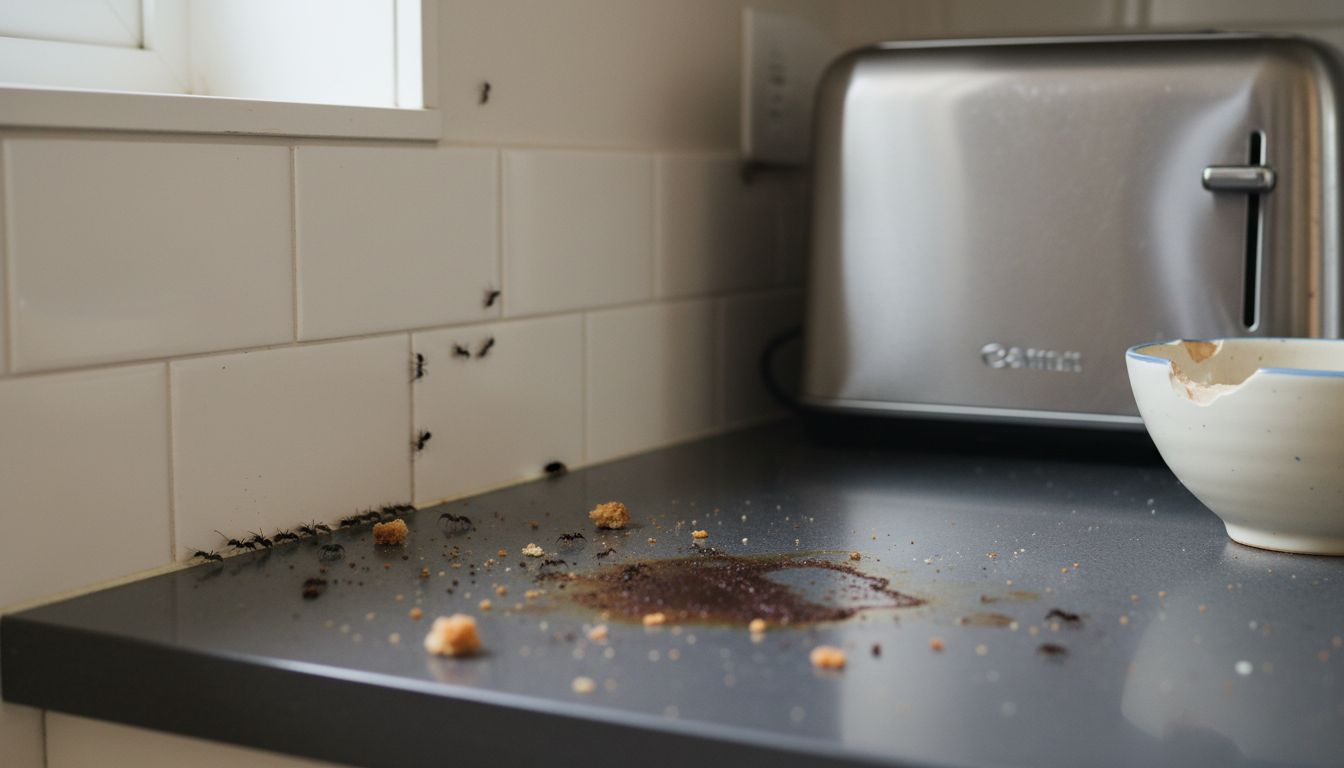
Other common household pests in Ohio include stink bugs, bed bugs, and various spider species. Stink bugs become especially problematic during fall and winter, often infiltrating homes through tiny cracks and openings. Bed bugs can spread rapidly through multi-unit housing and require professional intervention for complete eradication. Ohio’s diverse ecosystem also supports multiple spider species, some of which can pose potential health risks to residents.
Here’s a quick summary of common Ohio household pests and their associated risks:
| Pest Type | Main Risk to Homes | Typical Active Season |
|---|---|---|
| Carpenter Ants | Structural wood damage | Spring–Summer |
| Termites | Foundation compromise | Spring–Fall |
| Rodents | Disease, property damage | Year-round (indoors) |
| Stink Bugs | Indoor nuisance, odor | Fall–Winter |
| Bed Bugs | Rapid population growth | Year-round |
| Spiders | Possible health effects | Varies by species |
Pro Tip: Seal exterior cracks and maintain a 12-inch barrier between landscaping and your home’s foundation to significantly reduce pest entry points and minimize potential infestations.
Eco-Friendly and Safe Treatment Options
Modern pest control strategies have dramatically shifted towards environmentally responsible approaches that prioritize human and ecological safety. Integrated pest management techniques represent a sophisticated method of pest control that minimizes chemical intervention while effectively managing pest populations. These approaches focus on understanding pest behavior, ecosystem interactions, and implementing targeted, low-impact solutions.
The core of eco-friendly pest management involves a multi-dimensional approach that integrates biological, cultural, and mechanical control methods. Biological controls leverage natural predators and beneficial organisms to manage pest populations, reducing the need for synthetic chemicals. Cultural controls involve modifying environmental conditions to make spaces less attractive to pests, such as improving sanitation, removing potential food sources, and sealing entry points. Mechanical controls include physical barriers, traps, and manual removal techniques that prevent pest establishment without chemical interventions.
Advanced eco-friendly treatment options now include innovative strategies like pheromone disruption, targeted baiting systems, and microorganism-based treatments. These methods specifically target pest species while minimizing collateral impact on beneficial insects, pets, and human inhabitants. Professional pest control services now employ precision techniques that can eliminate pest populations with minimal environmental footprint, using carefully selected, low-toxicity solutions that break down quickly and do not accumulate in the ecosystem.
The following table compares eco-friendly pest control methods by their process and impact on safety:
| Method | How It Works | Safety for People & Pets |
|---|---|---|
| Biological Controls | Uses natural predators | Highly safe, minimal toxicity |
| Cultural Controls | Environmental modification | Safe, focuses on prevention |
| Mechanical Controls | Traps and barriers | Safe if used correctly |
| Microbial Treatments | Microbe-based solutions | Low risk, targeted application |
| Pheromone Disruption | Alters pest behavior | Safe, non-toxic for humans & pets |
Pro Tip: Implement a comprehensive inspection and prevention strategy that focuses on eliminating pest attractants and sealing potential entry points before considering chemical treatments.
Residential and Commercial Pest Management Strategies
Pest management strategies for residential and commercial spaces require nuanced approaches that recognize the unique challenges of different environments. Integrated pest management principles provide a comprehensive framework for addressing pest control across diverse settings, emphasizing prevention, targeted interventions, and minimal environmental disruption. While residential and commercial spaces share fundamental pest control goals, their specific implementation strategies differ significantly.
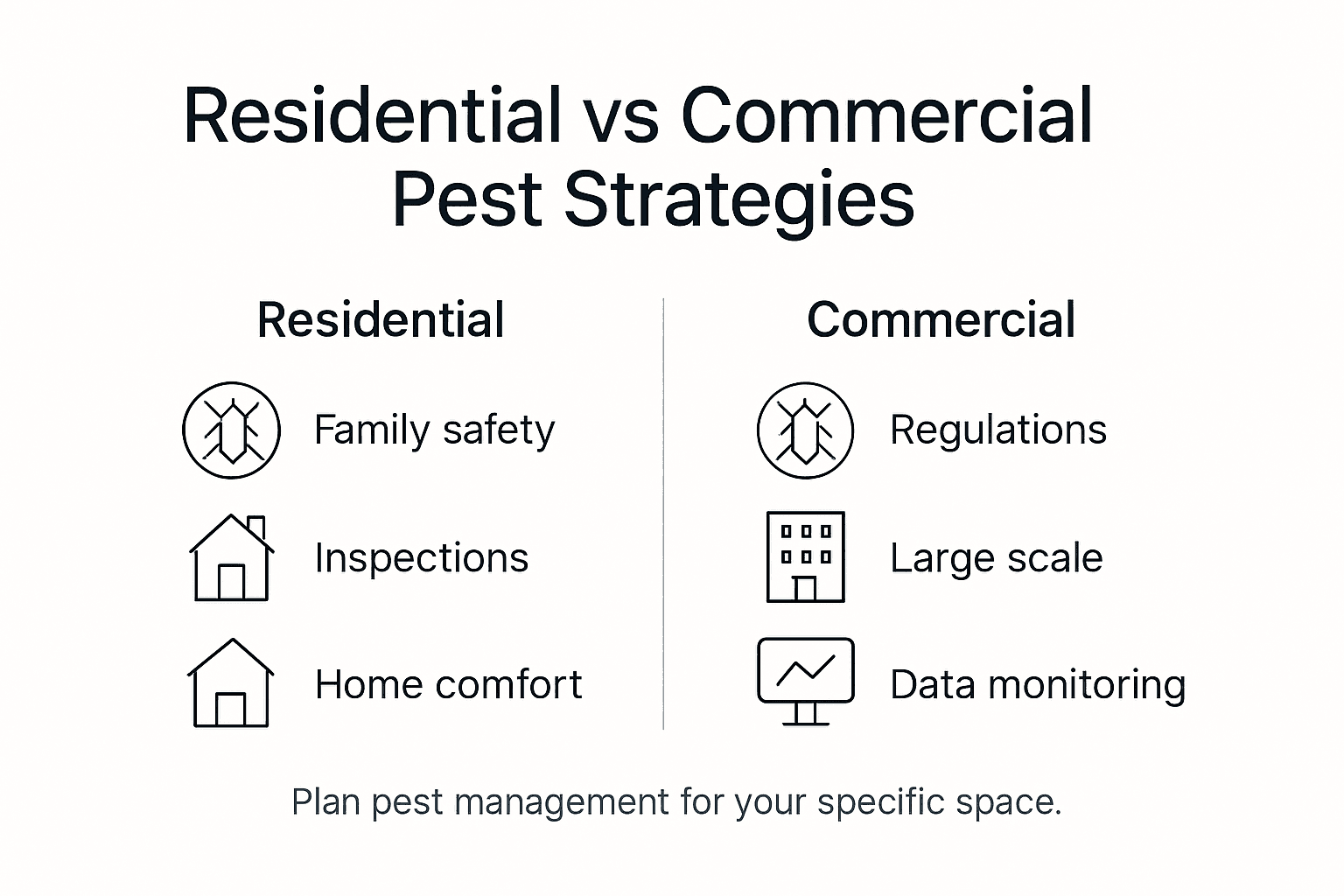
Residential pest management focuses on protecting living spaces, prioritizing family safety and home comfort. This approach typically involves detailed home inspections, identifying potential entry points, and implementing family and pet-friendly control methods. Techniques include sealing structural vulnerabilities, removing attractive pest habitats, and using precision treatments that minimize exposure to residents. Commercial pest management, by contrast, requires more complex strategies that address industry-specific regulations, larger square footage, and potential economic implications of pest infestations.
The most effective pest management strategies now incorporate advanced technological solutions and data-driven approaches. Professional services utilize sophisticated monitoring systems, predictive analytics, and targeted treatment protocols that can be customized for specific residential or commercial environments. These methods go beyond traditional extermination, focusing on long-term prevention, ecosystem understanding, and sustainable control measures that protect both human health and environmental integrity.
Pro Tip: Develop a comprehensive pest management plan that includes regular professional inspections, immediate addressing of potential entry points, and maintaining consistent preventative maintenance protocols.
Legal Compliance and Safety Standards
Pest control professionals must navigate a complex landscape of professional standards and regulatory requirements that ensure safe and responsible pest management practices. These standards encompass multiple dimensions, including environmental protection, human health safety, pesticide application protocols, and worker training regulations. The intricate web of legal compliance demands comprehensive understanding and meticulous implementation across residential and commercial pest control environments.
Federal and state regulations govern pest control practices with increasing scrutiny, focusing on minimizing potential risks to human health and ecological systems. Key compliance areas include proper pesticide handling, application techniques, worker safety training, protective equipment standards, and documentation requirements. Professional pest control services must maintain current certifications, undergo regular inspections, and demonstrate adherence to evolving environmental and safety guidelines. This includes maintaining detailed records of chemical usage, disposal methods, and treatment protocols that meet or exceed governmental standards.
Modern pest management compliance extends beyond traditional regulatory frameworks, incorporating advanced technological monitoring, data tracking, and transparent reporting mechanisms. Companies must now demonstrate not just legal adherence but a commitment to sustainable practices that protect communities and ecosystems. This approach requires continuous education, investment in safer technologies, and proactive engagement with emerging environmental and safety standards. Professional pest control services increasingly view compliance as a fundamental aspect of their operational excellence, not merely a regulatory requirement.
Pro Tip: Develop a comprehensive compliance documentation system that tracks all treatment protocols, chemical inventories, and safety certifications to ensure seamless regulatory adherence.
Mistakes to Avoid in Pest Control
One of the most critical errors homeowners make in pest management is incorrect pest identification, which can lead to ineffective and wasteful treatment approaches. Misidentifying a specific pest species can result in applying inappropriate control methods, potentially exacerbating the infestation and wasting valuable time and resources. Professional pest control experts emphasize the importance of precise species recognition as the foundational step in developing an effective pest management strategy.
Common mistakes in pest control often stem from reactive rather than proactive approaches. Homeowners frequently make errors such as ignoring early warning signs, failing to seal potential entry points, and relying exclusively on chemical treatments. Over-dependence on pesticides without addressing underlying environmental factors can create recurring pest problems. These approaches not only prove ineffective but can also pose unnecessary risks to human health and surrounding ecosystems. Successful pest management requires a comprehensive strategy that combines prevention, targeted interventions, and ongoing monitoring.
Professional pest control services highlight several critical pitfalls that homeowners should avoid. These include neglecting regular property inspections, overlooking potential pest attractants like standing water or food sources, and failing to maintain consistent preventative measures. Many individuals underestimate the complexity of pest control, assuming that a single treatment will resolve long-term infestations. In reality, effective pest management demands a holistic approach that considers environmental conditions, structural vulnerabilities, and ongoing maintenance strategies.
Pro Tip: Conduct thorough property assessments every six months, focusing on identifying and eliminating potential pest entry points and environmental conditions that might attract unwanted visitors.
Protect Your Home with Expert Pest Control Solutions Today
The article highlights the importance of adopting safe, effective pest control best practices that prioritize prevention, precise identification, and eco-friendly treatments. If you are concerned about common Ohio pests like carpenter ants, termites, or rodents damaging your home or want to avoid costly mistakes such as incorrect pest identification or overusing chemicals, Apex Pest Control is here to help. Our services align perfectly with integrated pest management principles and legal safety standards emphasized in the article.
Discover how our customized residential and commercial pest management programs provide targeted treatments that protect your family, pets, and property while minimizing environmental impact. From Mosquito Prevention and Rodent Control to specialized eco-friendly applications, we offer solutions designed to address the root causes of pest problems with a strong focus on safety and sustainability.
Don’t wait for pests to compromise your home comfort or business reputation. Begin your journey to a pest-free environment by requesting your personalized plan. Get started now with a Free Quote or explore our full range of services in the Uncategorized Archives – Apex Pest Control. Take control of your safe home today before small infestations turn into big problems.
Frequently Asked Questions
What are integrated pest management (IPM) strategies?
Integrated pest management (IPM) strategies are a holistic approach that combines biological, cultural, mechanical, and chemical techniques to control pest populations effectively and with minimal environmental impact.
How can I prevent pest infestations in my home?
Preventing pest infestations involves regular property inspections, sealing potential entry points, removing attractants like food and standing water, and maintaining a clean environment around your home.
What are some eco-friendly pest control methods?
Eco-friendly pest control methods include biological controls using natural predators, cultural controls to modify the environment, mechanical traps and barriers, microbial treatments, and pheromone disruption techniques.
Why is identifying pests correctly important for effective pest control?
Correctly identifying pests is crucial because misidentification can lead to ineffective treatment methods that might exacerbate infestations and waste resources. Accurate identification helps in developing a targeted and effective pest management strategy.