



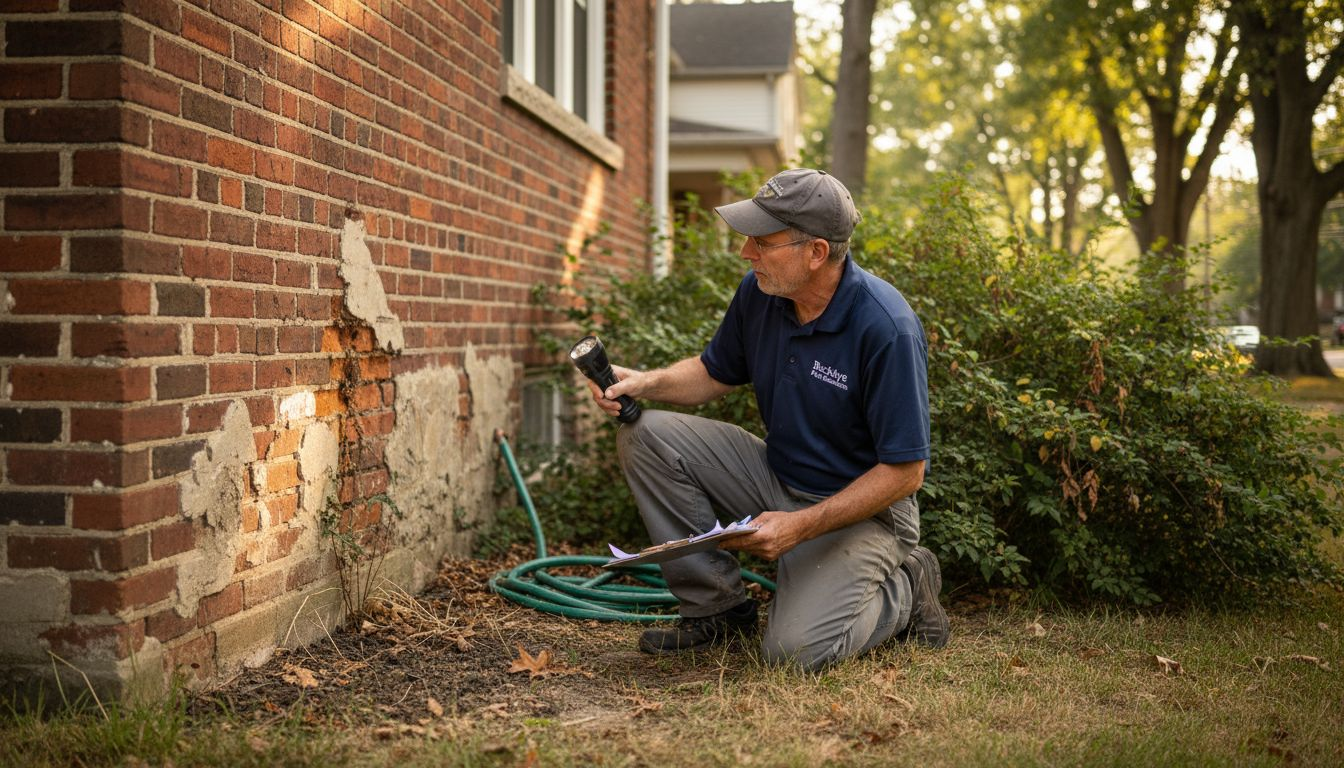
Northeast Ohio homeowners face surprisingly high pest infestation risks that many underestimate until damage occurs. Cleveland and Akron-Canton rank among the highest U.S. cities for bed bug infestations, while termites silently threaten structural integrity across the region. Regular pest inspections provide early detection and targeted solutions that protect your property investment and family health. Understanding local pest behavior and inspection benefits helps you make informed decisions about safeguarding your home.
Table of Contents
- Understanding The Pest Risks Unique To Northeast Ohio
- How Regular Inspections Enable Early Pest Detection And Targeted Treatment
- The Economic And Structural Benefits Of Preventing Termite Damage
- Tailoring Inspection Frequency And Integrating Pest Management For Lasting Results
- Explore Expert Pest Inspection And Control Services
Key takeaways
| Point | Details |
|---|---|
| Early detection saves money | Regular inspections catch pest problems before they escalate into expensive treatments and repairs. |
| Northeast Ohio faces unique risks | The region ranks nationally high for bed bug and termite infestations requiring proactive monitoring. |
| Moisture control prevents termites | Inspections identify moisture issues that attract termites and other destructive pests. |
| Seasonal timing matters | Aligning inspection schedules with local pest activity patterns maximizes protection. |
| Targeted treatment reduces chemicals | Proper pest identification during inspections minimizes pesticide use while improving effectiveness. |
Understanding the pest risks unique to Northeast Ohio
Northeast Ohio homeowners confront pest challenges that exceed national averages. The Cleveland-Akron-Canton area ranks third among U.S. cities with the most bed bugs according to Terminix, creating significant concerns for residential properties. These tiny invaders hitchhike into homes through luggage, used furniture, and even visitors, establishing populations that spread rapidly without professional intervention.
Termites pose an equally serious threat to local structures. Subterranean termites thrive in Ohio’s climate, particularly in areas with moisture accumulation around foundations and crawl spaces. They consume wood silently for months or years before homeowners notice visible damage. The financial impact can be devastating, with treatment and repairs costing thousands when infestations reach advanced stages.
“Termite damage often goes undetected until structural problems emerge, making regular inspections essential for Northeast Ohio properties.”
Understanding seasonal pest risks Northeast Ohio homes face helps you anticipate when specific threats intensify:
- Spring brings carpenter ants and termite swarmers searching for new nesting sites
- Summer heat drives rodents indoors seeking cooler environments and water sources
- Fall triggers stink bugs, boxelder bugs, and Asian lady beetles invading homes for winter shelter
- Winter forces mice and rats to seek warmth inside wall voids and attics
Local pest activity fluctuates with temperature changes and precipitation patterns. Warm, humid conditions accelerate termite activity and breeding cycles. Heavy rainfall saturates soil around foundations, creating ideal moisture conditions that attract subterranean termites and other moisture-dependent pests. Cold snaps push rodents aggressively toward heated structures.
Recognizing these regional patterns explains why year-round vigilance matters more in Northeast Ohio than in drier or more temperate climates. Your home faces persistent pressure from multiple pest species adapted to local conditions. Regular inspections account for this reality by monitoring vulnerable areas during peak activity periods and identifying early warning signs before populations explode.
How regular inspections enable early pest detection and targeted treatment
Professional pest inspections deliver value through accurate identification and timely intervention. Misidentification of pests leads to ineffective treatments and increased costs, wasting money on products that don’t address the actual problem. Trained technicians distinguish between similar-looking species that require different control strategies, ensuring you invest in solutions that work.
Early detection transforms pest management from reactive crisis response to proactive prevention. Early detection of pests allows targeted treatments, minimizing pesticide use and environmental impact. Finding a small ant colony near a foundation crack takes minutes to treat. Waiting until thousands of ants trail through your kitchen requires extensive interior applications and follow-up visits.
Pest monitoring Northeast Ohio homes provides ongoing surveillance between scheduled treatments:
- Inspectors check common entry points where pests infiltrate structures
- Monitoring stations reveal pest activity levels and movement patterns
- Visual examinations identify conducive conditions attracting pests
- Documentation tracks changes over time to measure control effectiveness
Targeted treatments focus applications exactly where pests live and travel rather than blanket spraying entire properties. This precision reduces chemical exposure for your family and pets while improving control outcomes. Treating a localized termite infestation in one section of foundation requires far less product than fumigating an entire structure.
Pro Tip: Schedule inspections 4-6 weeks before spring and fall to catch seasonal pest migrations early, giving you time to address problems before populations peak.
Comparing outcomes with and without regular inspections reveals the financial and practical advantages:
| Factor | With Regular Inspections | Without Regular Inspections |
|---|---|---|
| Detection timing | Early stage, small populations | Advanced infestations |
| Treatment complexity | Simple, localized applications | Extensive, whole-structure treatments |
| Chemical use | Minimal, targeted products | Heavy applications, multiple visits |
| Cost range | $200-$500 annually | $1,000-$5,000+ per incident |
| Property damage | Prevented or minimal | Moderate to severe |
Implementing pest control tips between professional visits extends protection and reduces reliance on chemical treatments. Simple actions like sealing cracks, eliminating standing water, and storing food properly create unfavorable conditions that discourage pest establishment. Combining homeowner diligence with expert inspections builds a comprehensive defense system.
The economic and structural benefits of preventing termite damage
Termite damage represents one of the costliest pest problems facing Northeast Ohio homeowners. These insects consume structural wood continuously, weakening floor joists, wall studs, and support beams. Repairs often require removing drywall, replacing damaged lumber, and addressing moisture issues that attracted termites initially. Early termite detection can reduce treatment costs by up to 75% compared to treating advanced infestations.

The financial impact extends beyond immediate treatment expenses. Termite damage lowers property values and complicates home sales since buyers typically require termite inspections and clearance letters before closing. Sellers discovering active infestations during pre-sale inspections face rushed treatment decisions and potential price reductions. Proactive monitoring protects your investment by maintaining structural integrity and marketability.
Moisture control plays a critical role in termite prevention. Homes with high crawl space moisture are 3 times more likely to have termites because subterranean species require humid conditions to survive above ground. Inspections identify moisture sources like leaking pipes, poor drainage, and inadequate ventilation that create termite-friendly environments.
Cost comparison data demonstrates inspection value:
| Scenario | Annual Inspection Cost | Treatment Cost | Total 5-Year Cost |
|---|---|---|---|
| Regular inspections with early detection | $300 | $800 | $2,300 |
| No inspections, moderate infestation | $0 | $3,200 | $3,200 |
| No inspections, severe damage | $0 | $5,500+ | $5,500+ |
Understanding the termite threat Ohio businesses face illustrates how commercial properties apply similar prevention principles. Business owners protect assets through regular monitoring because replacement costs and operational disruptions from termite damage far exceed inspection expenses. Homeowners benefit from adopting this proactive mindset.
Pro Tip: Ask inspectors to check crawl spaces, basement walls, and areas where wood contacts soil during every visit, as these locations show the earliest termite activity signs.
Recognizing the difference between ants and termites prevents misidentification that delays proper treatment. Carpenter ants excavate wood but don’t consume it, leaving different damage patterns than termites. Winged reproductive ants and termite swarmers appear similar to untrained observers but require completely different control approaches. Professional inspections eliminate this confusion through expert identification.
Structural benefits extend beyond avoiding repair costs. Maintaining wood integrity preserves load-bearing capacity and prevents safety hazards like sagging floors or collapsing supports. Early intervention stops damage progression before it compromises your home’s structural soundness. Insurance policies typically exclude termite damage, making prevention your only financial protection.
Tailoring inspection frequency and integrating pest management for lasting results
Customizing inspection schedules to match your property’s specific risk factors optimizes protection while managing costs. Inspection frequency should consider property location, construction, and pest history rather than following generic recommendations. Homes near wooded areas face different pressures than urban properties surrounded by pavement.
Property characteristics influencing inspection timing include construction age, foundation type, and previous pest activity. Older homes with crawl spaces and wood foundations need more frequent monitoring than newer construction with concrete slabs and modern moisture barriers. Properties with past termite treatments warrant ongoing surveillance to verify control success and catch any reinfestation early.
Integrated Pest Management (IPM) combines multiple strategies for sustainable, long-term control. Integrated Pest Management emphasizes prevention and targeted treatment, reducing pesticides through habitat modification and exclusion techniques. This approach addresses root causes rather than repeatedly treating symptoms with chemicals.
Developing a personalized inspection schedule:
- Assess your property’s construction type, age, and surrounding environment to identify vulnerability factors.
- Review any past pest problems and treatments to understand recurring issues and seasonal patterns.
- Schedule initial comprehensive inspection covering interior, exterior, and structural components.
- Establish baseline monitoring frequency, typically twice yearly for most Northeast Ohio homes.
- Adjust timing based on inspection findings, seasonal pest activity, and any changes to property conditions.
- Document all inspections and treatments to track trends and measure prevention effectiveness over time.
Implementing routine pest inspections Ohio safety protocols protects both property and health. Some pests carry diseases or trigger allergies, making early removal important for family wellbeing. Rodent droppings spread hantavirus and salmonella. Cockroach allergens worsen asthma symptoms, particularly in children.
IPM reduces chemical dependency through multiple control tactics working together. Sealing entry points eliminates access routes. Removing food sources and harborage areas makes your property less attractive. Targeted treatments address active infestations with minimal product use. Monitoring verifies control success and catches new activity quickly.
Understanding pest infestation basics Ohio homes experience helps you recognize warning signs between professional visits. Droppings, gnaw marks, unusual odors, and live pest sightings indicate problems requiring immediate attention. Reporting these observations to your pest control provider enables faster response and prevents population growth.
Seasonal adjustments keep protection aligned with pest behavior cycles. Spring inspections before termite swarming season allow preventive treatments. Fall inspections before rodents seek winter shelter identify and seal entry points. Summer checks monitor moisture levels and conditions favoring various insects. This rhythmic approach anticipates problems rather than reacting after pests establish themselves.
Explore expert pest inspection and control services
Protecting your Northeast Ohio home from persistent pest threats requires expertise and local knowledge. Apex Pest Control delivers comprehensive solutions tailored to regional challenges through top residential pest solutions comparison that match treatments to your specific needs. Our licensed technicians understand local pest behavior patterns and apply proven methods that work in Ohio’s unique climate.
Bed bug infestations demand specialized knowledge and equipment for effective elimination. Our bed bug control guide Ohio homes outlines treatment options and prevention strategies based on decades of local experience. We combine inspection expertise with family-safe treatments that eliminate infestations while protecting your household.
Taking action starts with understanding your property’s current pest status. Contact pest control Apex Ohio to schedule a comprehensive inspection and receive a free quote. Our team provides honest assessments and transparent pricing, helping you make informed decisions about protecting your most valuable investment.
FAQ
How often should I schedule pest inspections in Northeast Ohio?
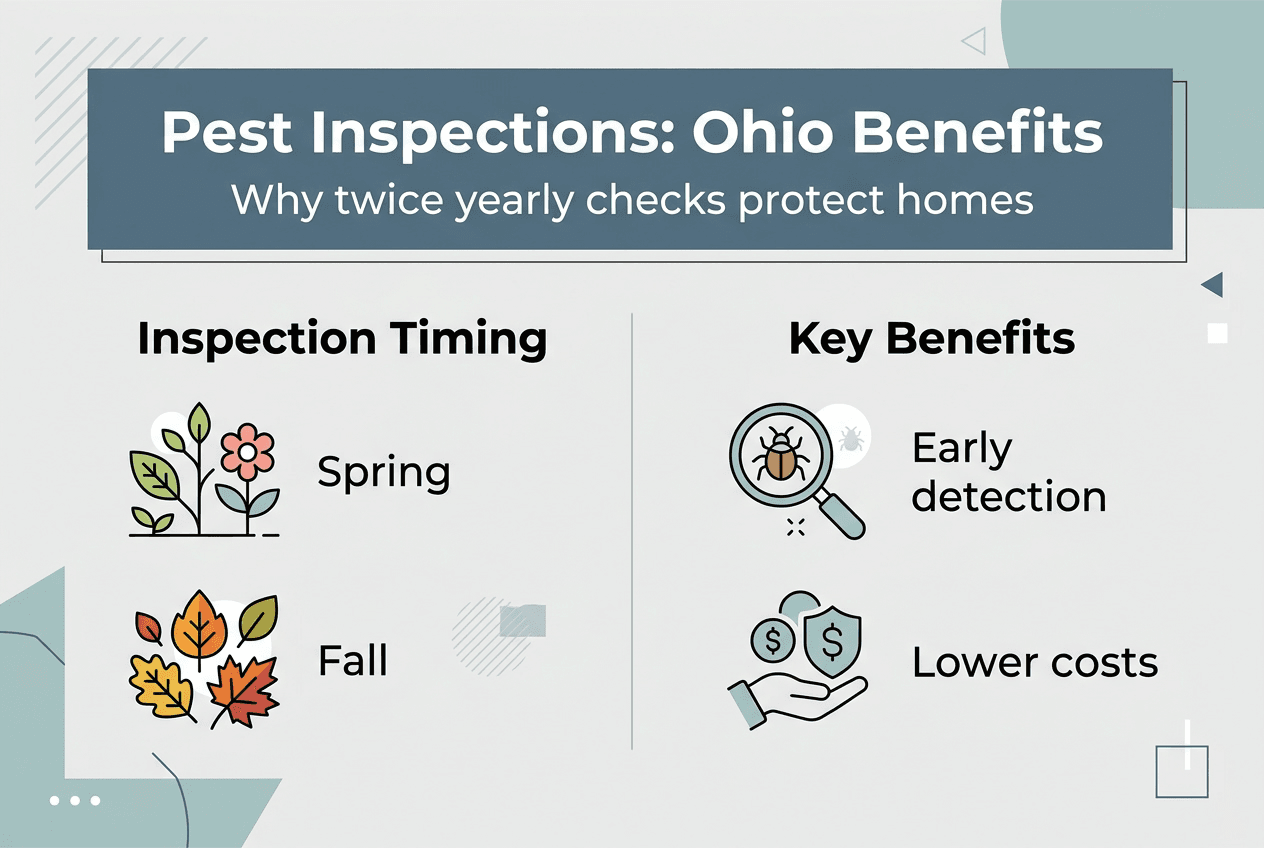
Most Northeast Ohio homeowners benefit from routine pest inspections Ohio safety twice annually, typically in spring and fall when pest activity peaks. However, inspection frequency should be tailored to location, construction, and pest history for optimal protection. Properties with past infestations, crawl spaces, or wooded surroundings may need quarterly monitoring to catch problems early.
What pests are most common in Northeast Ohio homes?
Bed bugs and termites are among the most significant pest problems in Northeast Ohio, with the region ranking nationally high for both. Ants, mice, and seasonal invaders like stink bugs also cause frequent issues. Understanding pest infestation basics Ohio homes face helps you recognize warning signs and respond quickly to emerging problems.
Can regular inspections reduce pest treatment costs?
Yes, significantly. Early termite detection can reduce treatment costs by up to 75% compared to addressing advanced infestations requiring extensive repairs. Regular monitoring catches problems when populations are small and localized, allowing simple treatments instead of whole-structure applications. The termite threat Ohio businesses demonstrates how proactive inspection programs save money long-term.
What is integrated pest management (IPM) and why is it important?
IPM emphasizes prevention, monitoring, and targeted treatment to reduce pesticides while maintaining effective control. This approach combines exclusion, sanitation, and habitat modification with minimal chemical use only where needed. IPM creates healthier indoor environments and sustainable pest management that doesn’t rely on repeated pesticide applications. Implementing pest control tips between professional visits supports IPM principles and extends protection.