



Rodents in the attic, bed bugs in your mattress, or unexplained trails of ants across the kitchen floor can push any Ohio homeowner from annoyance to concern. Pest problems in Oakwood neighborhoods often sneak in through tiny cracks, especially after long freeze-thaw cycles, affecting peace of mind and family safety. Integrated pest management strategies combine careful assessment, safety-centered planning, and eco-friendly treatments so you can tackle recurring infestations with confidence and protect your home year-round.
Table of Contents
- Step 1: Assess Pest Issues And Risks
- Step 2: Prepare Home And Choose Solutions
- Step 3: Apply Safe, Targeted Treatments
- Step 4: Monitor Effects And Adjust Methods
- Step 5: Verify Success And Maintain Prevention
Quick Summary
| Key Point | Explanation |
|---|---|
| 1. Identify Pest Evidence | Document droppings and damage to help professionals understand the infestation’s scope and nature for effective solutions. |
| 2. Eliminate Food and Hiding Spots | Remove food sources and clutter to make your home less attractive to pests, aiding in effective pest control. |
| 3. Monitor Progress Post-Treatment | Keep a log of pest activity after treatment to assess effectiveness and determine if further action is needed. |
| 4. Schedule Regular Maintenance | Establish a seasonal pest control plan to prevent future infestations and reduce overall treatment costs. |
| 5. Maintain Entry Point Sealing | Continuously seal gaps and cracks to prevent pests from re-entering your home, ensuring long-term protection. |
Step 1: Assess Pest Issues and Risks
Before you call a pest control professional, you need to understand what you’re actually dealing with. This first step is about gathering real information about the pests invading your Oakwood home, where they’re coming from, and how much damage they might cause if left unchecked. When you can clearly describe the problem, professionals can provide faster, more targeted solutions that protect your family and pets while addressing the root cause.
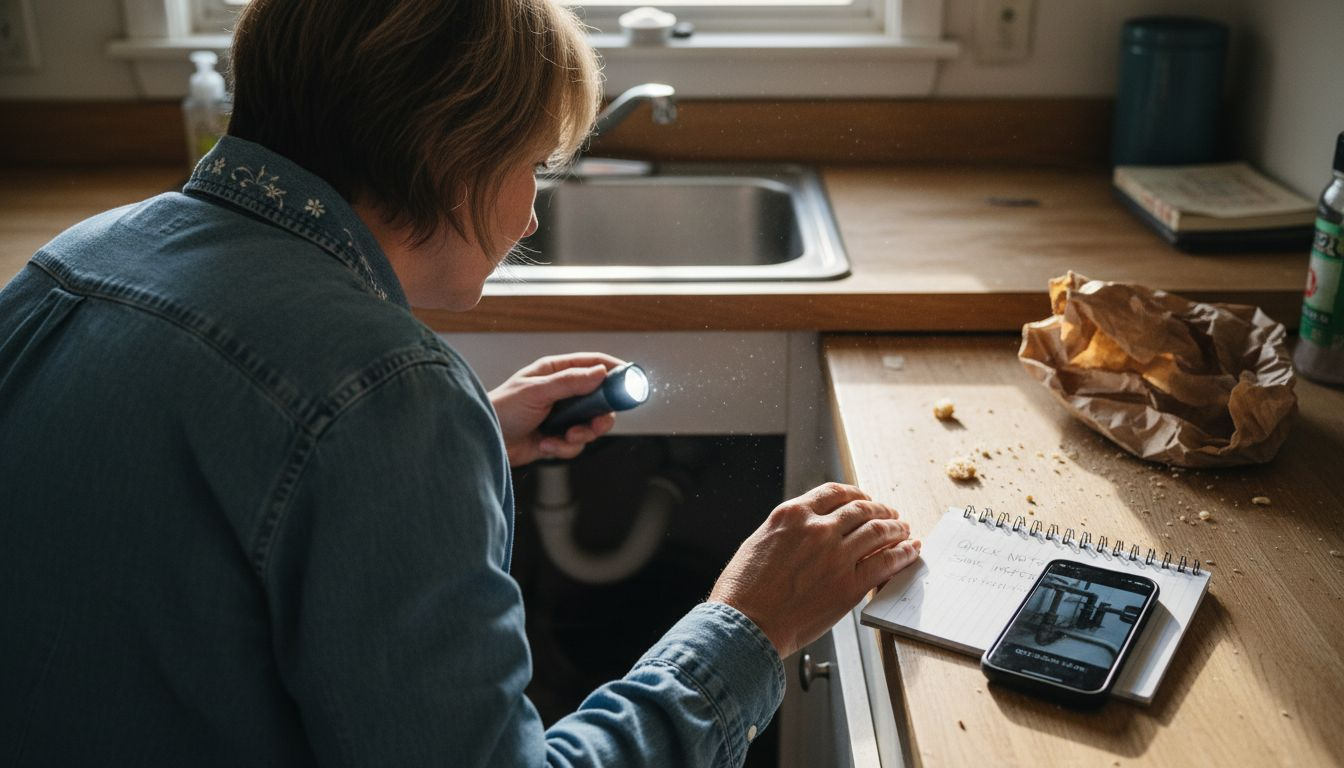
Start by identifying the pest itself. Walk through your home with a notepad and look for physical evidence. Are you seeing droppings? Look at their size, color, and shape. Mouse droppings are small and dark, roughly the size of a grain of rice, while rat droppings are larger and more oval. Do you see dead insects, damaged food packaging, or sticky residue? Check your attic, basement, kitchen cabinets, and around pipes where pests often hide. If you’re uncertain about what you’ve found, take a clear photo. Many pest control companies can help identify what you’re dealing with based on images alone. Look for entry points too. Rodents can squeeze through gaps smaller than you’d think, and insects exploit cracks in foundation walls, gaps around door frames, and openings where utility lines enter your home. Ohio’s freeze-thaw cycles mean that many Oakwood basements and crawl spaces develop new cracks each winter, creating perfect entry routes for unwanted visitors.
Next, evaluate the scope of the infestation. Is this a single bug you spotted last week, or are you finding evidence everywhere? Frequency matters. If you’re seeing one cockroach per month, that’s different from seeing three per night. Check multiple areas and document what you find in each location. This helps professionals understand whether you’re dealing with an active infestation or occasional wanderers. Consider also when you’re noticing the problem. Many Ohio homes experience seasonal pest surges. Rodents move indoors as temperatures drop in October and November. Bed bugs show up year-round but become more apparent when people travel or move furniture. Ants increase their activity in spring and early summer. Understanding your pest’s risk factors and seasonal patterns will help you anticipate problems before they explode.
Now assess the potential damage. What are these pests capable of doing to your home and family? Rodents chew through electrical wiring, creating fire hazards, and contaminate surfaces with urine that spreads disease. Termites silently destroy structural wood for months before you notice. Bed bugs cause sleepless nights and psychological stress. Understanding pest risk analysis methods used by professionals shows that risk isn’t just about numbers—it’s about the specific threat. A single termite found in your Oakwood basement could indicate an established colony in your walls. One bed bug could mean dozens more hiding in your mattress seams. Your goal here is honest assessment, not panic. Document what health or safety concerns exist. Do you have young children or pets? Do family members have allergies or respiratory sensitivities? Are you concerned about property damage? This information becomes critical when discussing treatment options with pest control experts, especially if you’re interested in how residential pest management choices affect your family’s safety.
Here’s how common Oakwood household pests compare in terms of evidence, risk, and seasonality:
| Pest Type | Typical Evidence Found | Main Risks | Peak Season |
|---|---|---|---|
| Rodents | Droppings, gnaw marks | Fire hazard, disease | Fall, winter |
| Termites | Winged insects, frass | Structural wood damage | Spring, summer |
| Bed Bugs | Dark stains, live bugs | Bites, stress, lost sleep | Year-round |
| Ants | Trails, small piles | Food contamination | Spring, summer |
| Cockroaches | Oily smell, egg casings | Allergy, illness | Year-round |
Pro tip: Take timestamped photos of pest evidence and droppings from multiple angles, then organize them by room and date—this visual record helps professionals pinpoint activity patterns and design a treatment plan that actually works for your specific situation rather than a generic approach.
Step 2: Prepare Home and Choose Solutions
With a clear understanding of your pest problem, you’re ready to prepare your Oakwood home for treatment and select the right solution. This step involves removing the conditions that attracted pests in the first place and then deciding which pest control approach makes sense for your situation, your family’s safety, and your budget. Preparation often matters as much as the treatment itself because pests thrive in certain environments, and changing those conditions can dramatically improve results.
Start by eliminating food sources and hiding places. This sounds basic, but it’s where many homeowners stumble. Rodents will ignore traps if they can find easier meals in your pantry or under appliances. Store food in sealed containers, not just closed boxes. Clean up crumbs and grease immediately after cooking. Take out garbage regularly and use sealed bins if possible. For bed bugs, wash all bedding in hot water, vacuum thoroughly around mattresses and furniture, and declutter areas where they hide. For ants, wipe down counters and sweep regularly to remove the scent trails they follow. If you have a basement or crawl space, remove stored items that create hiding spots and reduce moisture that attracts many pests. Seal cracks and gaps where pests enter. You don’t need to wait for professionals to do this part. Caulk small cracks in foundation walls, seal gaps around pipes and utility lines, and weatherstrip doors. In Ohio’s climate, where freeze-thaw cycles create new entry points each winter, these preventive steps can save you money long-term.
Now comes the important decision about which solution approach fits your needs. Understanding emergency preparedness principles teaches us that readiness requires planning for different scenarios. The same applies here. You have several paths forward. One option is a one-time professional treatment for immediate relief. This works well if you’ve caught the problem early and want to eliminate it quickly. Another option is an ongoing preventive program where technicians visit regularly to stop problems before they start. This approach typically costs less over time and reduces your stress about surprise infestations. Some homeowners prefer eco-friendly treatments if they have young children, pets, or environmental concerns. Apex Pest Control offers specialized eco-friendly applications for those situations.
When evaluating your options, think about generating and selecting solutions systematically. Consider feasibility, effectiveness, and safety for your household. Can you commit to the preparation work required? Will the treatment disrupt your family’s routine significantly? Is cost a primary concern, or is getting fast results more important? Be honest about your timeline too. If you’re leaving for a family trip next week, you need a faster solution than if you have a month to work with. Ask potential pest control companies about their approach. Do they use integrated pest management, combining multiple strategies rather than just spraying chemicals? Will they help you identify and seal entry points, or just treat the visible problem? The best pest control company treats your home as a system, addressing root causes alongside immediate pest elimination.
Before you schedule service, prepare your home physically. Remove pets from treated areas if required by the treatment plan. Clear clutter from baseboards and under furniture so technicians can access problem areas. Take photos of the treatment date and areas treated for your records. If you have young children, discuss where they’ll be during treatment and when they can safely return. This preparation stage is where you transform from feeling helpless to taking control of the situation.
Here is a summary comparison of one-time, ongoing, and eco-friendly pest control solutions:
| Approach | When to Choose | Typical Cost Range | Key Advantage |
|---|---|---|---|
| One-time Treatment | Quick fix, minor infestations | Moderate ($150-$400) | Immediate relief |
| Ongoing Prevention | Prevent recurring issues | Lower long-term ($35/mo) | Reduced stress, proactive |
| Eco-friendly Solutions | Homes with pets, kids, allergies | Similar or slightly more | Gentler, safer for household |
Pro tip: Ask your pest control provider about their post-treatment follow-up schedule and what warning signs you should watch for that indicate the treatment worked—this knowledge helps you decide if you need a second treatment or if prevention measures are sufficient going forward.
Step 3: Apply Safe, Targeted Treatments
This is where your preparation meets action. Safe, targeted treatments eliminate pests while protecting your family, pets, and home. The key word here is targeted. Spraying everything with broad spectrum chemicals is outdated thinking. Modern pest control focuses on using the right tool for the right pest in the right places, which means better results and lower risks for everyone in your Oakwood home.
Understand what treatment your pest control professional is using and why. Before service day, ask detailed questions about the products they’ll apply. What pest does it target specifically? Is it a liquid, gel, dust, or trap based approach? How long does it take to work? Professional technicians should explain their strategy clearly because you deserve to know what’s happening in your home. An integrated approach works better than chemicals alone. This means combining multiple strategies like sealing entry points, removing food sources, using targeted baits or traps, applying treatments only to problem areas, and then monitoring results. The Food and Agriculture Organization emphasizes that integrated pest management principles focus on reducing pest populations while minimizing environmental and health risks. Rather than bombing your entire home with pesticides, professionals might use rodent bait stations in your basement and attic where mice actually travel, ant baits where colonies are active, or perimeter treatments where pests enter. This targeted approach is more effective because pests encounter treatment where they live and feed, not randomly throughout your home.
On treatment day, follow your pest control company’s instructions precisely. This matters more than you might think. If they say to vacate the home for four hours, do it. If they ask you to remove pets and cover fish tanks, do that too. These aren’t unnecessary precautions. They protect your family from exposure to treatment materials while they’re most active. Keep children and pets away from treated areas for the time period recommended. Some treatments dry quickly and become safe once cured, while others need more time. Ask your technician for written instructions about when each room is safe to reenter. If you have concerns about chemical sensitivity or respiratory issues in your family, discuss this before treatment begins. Many professionals can adjust their approach or offer alternative solutions. For example, eco-friendly treatments use different chemistry that’s gentler while still being effective for many pest problems.
After treatment, resist the urge to clean immediately. This is counterintuitive but important. If your technician applied bait stations, those baits need to remain undisturbed so pests find and consume them. If they treated baseboards with a residual product, wiping it away removes the protection. The UC Statewide IPM program advises that safe and effective pesticide use requires understanding proper application techniques and following product instructions. Wait at least 48 to 72 hours before vacuuming treated areas or wiping down surfaces. Your technician will specify exactly how long to wait. During this waiting period, you’ll often see increased pest activity as remaining pests contact treated areas. Don’t panic. This is actually a sign the treatment is working. Pests are dying, and you’re seeing their final activity before they disappear.
Monitor your home carefully over the next two to four weeks. This is your feedback period. Are you still seeing droppings? Finding more dead insects? Noticing new entry evidence? Document what you observe and communicate with your pest control company. If you’re not seeing improvement, a follow-up treatment might be necessary. Most pest problems require at least two treatments spaced 10 to 14 days apart because some pests have life cycles where eggs hatch after the first treatment. Your professional should have discussed this timeline with you upfront.
Pro tip: Keep the receipt and service report from your pest control treatment in a folder with photos of problem areas and dates—this documentation helps you track what worked, when follow-up treatments are due, and provides proof of service if you ever need to make an insurance claim for pest-related damage.
Step 4: Monitor Effects and Adjust Methods
Treatment day was just the beginning. The real work happens now as you monitor what’s working and what needs adjustment. Your home isn’t static, and neither should your pest control strategy. Monitoring tells you whether your investment is paying off and whether you need to fine-tune your approach. This step separates successful pest elimination from recurring infestations that drain your wallet and sanity.
Start tracking pest activity immediately after treatment. Keep a simple log noting the date, what you observed, and where you found evidence. Did you see dead insects or rodent droppings in specific locations? Are you noticing fewer pests than before, or are they still showing up regularly? Take photos of problem areas each week. This visual record helps you and your pest control company understand whether treatment is progressing as expected. In the first week after treatment, you might actually see more pest activity as remaining insects contact treated areas and die off. This temporary increase is normal and frustrating, but it proves the treatment is working. By week two or three, activity should decline noticeably. If you’re not seeing improvement by week three, something needs to change. Understanding effective pest monitoring strategies helps you recognize action thresholds and determine whether adjustments are necessary. Action thresholds are simply the point at which pest populations warrant intervention. For rodents, one sighting per week might trigger a second treatment. For ants, discovering a new active trail means you need to adjust bait placement or switch bait types. For bed bugs, finding even one live insect after treatment indicates incomplete elimination and requires follow-up action.
Pay attention to where pests are concentrated. If your technician treated your entire basement but you’re only seeing droppings in one corner, that’s a clue about pest highway patterns. They’re entering from that location. Share this observation with your pest control company because it might mean sealing a specific gap or moving bait stations to intercept pests at their entry point. If ants are appearing in new locations each week, they might be coming from multiple entry points that need treatment. Environmental conditions matter too. Increased moisture in your basement or crawl space attracts many pests. If you notice your pest problem worsens during wet weather, addressing that moisture becomes just as important as chemical treatment. Reducing humidity, fixing leaks, and improving drainage might prevent future infestations better than any pesticide.
Communicate your observations to your pest control company without waiting for their next scheduled visit. Most professionals want this feedback. Tell them what you’re seeing. Are baited areas being consumed quickly? Are you finding dead insects near treated perimeters? Is a specific room still active when others have improved? This information helps them refine the strategy. If the first treatment used a particular bait type and pests are still feeding elsewhere, they might switch baits or move stations. Advances in pest identification and monitoring technologies allow professionals to track populations more accurately and adjust strategies faster than ever. Your detailed observations contribute valuable real-time data that improves your outcomes.
After two to four weeks, you should see dramatic improvement. Droppings should stop appearing, dead insects should be gone, and new activity should cease. If results are excellent, discuss a maintenance plan. Most pest problems don’t resolve with one treatment and never return. They require ongoing prevention. This might mean quarterly visits where your technician inspects for new activity, refreshes treatments if needed, and seals any new entry points that develop. For Oakwood homes facing harsh winters, seasonal treatments make sense. Rodents intensify their push indoors as temperatures drop, so a preventive treatment in September or October stops problems before they start. If results are less than expected after two treatments, honestly reassess the situation with your pest control company. Sometimes a different treatment approach works better than repeating the same method. Sometimes the infestation is more severe than initially apparent and requires more aggressive intervention. Whatever the situation, you now have enough data to make informed decisions rather than guessing.
Pro tip: Set phone reminders for weekly monitoring checks and photograph the same areas on the same day each week, creating a visual timeline that makes progress obvious and helps your pest control company see exactly what’s working without you having to describe it verbally.
Step 5: Verify Success and Maintain Prevention
You’ve treated the problem, monitored progress, and now you’re seeing real improvement. But this isn’t the finish line. Verifying that your pest problem is actually solved and then maintaining that success is what separates a temporary fix from a permanent solution. This final step transforms your Oakwood home from a pest battleground into a genuinely protected space where infestations don’t return year after year.
First, confirm that treatment worked by looking for the absence of activity rather than just fewer pests. Stop seeing droppings? That’s good. But verify it stays that way. Continue your monitoring log for at least four weeks after treatment ends, even if you’re seeing nothing. The goal is a consecutive period of zero activity in all problem areas. One week clean means nothing. Four weeks clean means success. Pay special attention to areas where pests were most active previously. If you were seeing rodent droppings in your basement corner, that corner should remain completely clear for a full month. If ant trails were running along your kitchen baseboards, those routes should show no activity. Walk through your home systematically each week using the same path, checking the same locations, and documenting what you find or don’t find. When you reach four weeks of zero activity, you can confidently say treatment worked. At this point, shift from intensive monitoring to routine checking. Walk through problem areas monthly instead of weekly. You’re now looking for early warning signs of new activity rather than managing active infestations.
Maintaining prevention involves understanding that most pest problems have seasonal patterns. In Oakwood, rodent pressure peaks from September through March as outdoor populations seek warm shelter. Implementing continued prevention tactics and environmental management sustains the success you’ve achieved. Your pest control company should recommend a seasonal treatment schedule. A preventive rodent treatment in September, before the cold rush, costs far less than treating an active infestation in December. Quarterly ant treatments during spring and summer prevent colonies from establishing. Preventive bed bug treatments aren’t necessary for most homes, but travelers or those in high-risk situations benefit from regular inspections and preventive applications. Beyond seasonal treatments, maintain the behaviors that prevented infestation in the first place. Store food in sealed containers. Take out trash regularly. Don’t leave pet food sitting overnight. Seal entry points promptly if you discover new cracks or gaps. Reduce moisture in basements and crawl spaces. These practices cost nothing but consistency, and they make your home inhospitable to pests.
Create a pest control record that you actually keep and update. This sounds tedious but transforms your approach from reactive panic to proactive management. Record the date of each professional treatment, what pest was targeted, which products were used, and the results you observed. Keep receipts and service reports. Document any problems you notice between treatments. Note seasonal patterns you observe. Over time, this record reveals exactly which months require preventive treatments and which approaches work best for your situation. Purdue University research shows that detailed record keeping evaluates treatment effectiveness over time and informs future strategy adjustments. Your records become invaluable when you switch pest control companies, make insurance claims, or discuss recurring problems with your technician. They prove what treatments you’ve tried, how long results lasted, and what patterns exist. Without records, you’re starting fresh each time and repeating failed approaches.
Talk with your pest control company about establishing an ongoing maintenance program rather than just calling when problems arise. Most professionals offer service packages designed around seasonal needs and your home’s specific vulnerabilities. A home with a basement prone to rodent entry benefits from quarterly rodent preventive treatments. A home surrounded by wooded areas experiences heavier insect pressure and needs more frequent treatments. A home that’s sealed well and kept dry might need only annual inspections and spring treatments. These customized programs cost less than emergency treatments because they stop problems before they become infestations. They also reduce the stress of wondering when the next pest problem will hit. You know exactly when your technician is coming and what they’ll address.
Finally, understand that zero pests forever isn’t realistic. Pests exist in nature, and some will always try to enter your home. The goal isn’t to achieve a pest-free environment that requires constant vigilance. The goal is to maintain a prevention system that prevents infestations from establishing. An occasional ant or fly means your prevention is working. Regular infestations mean your prevention approach needs adjustment. Use your monitoring data and records to identify patterns. If problems always start in spring, spring treatments matter most. If specific entry points keep attracting pests, sealing them becomes a priority. If your basement moisture keeps rising, addressing that prevents multiple pest problems simultaneously. Prevention is a system, not a single action.
Pro tip: Schedule your quarterly or seasonal pest control treatments at the same time every year by setting them on your calendar now, then request email reminders from your pest control company—this prevents gaps in prevention coverage that allow infestations to restart while you’re distracted with other life demands.
Take Control of Your Home with Expert Pest Management Solutions
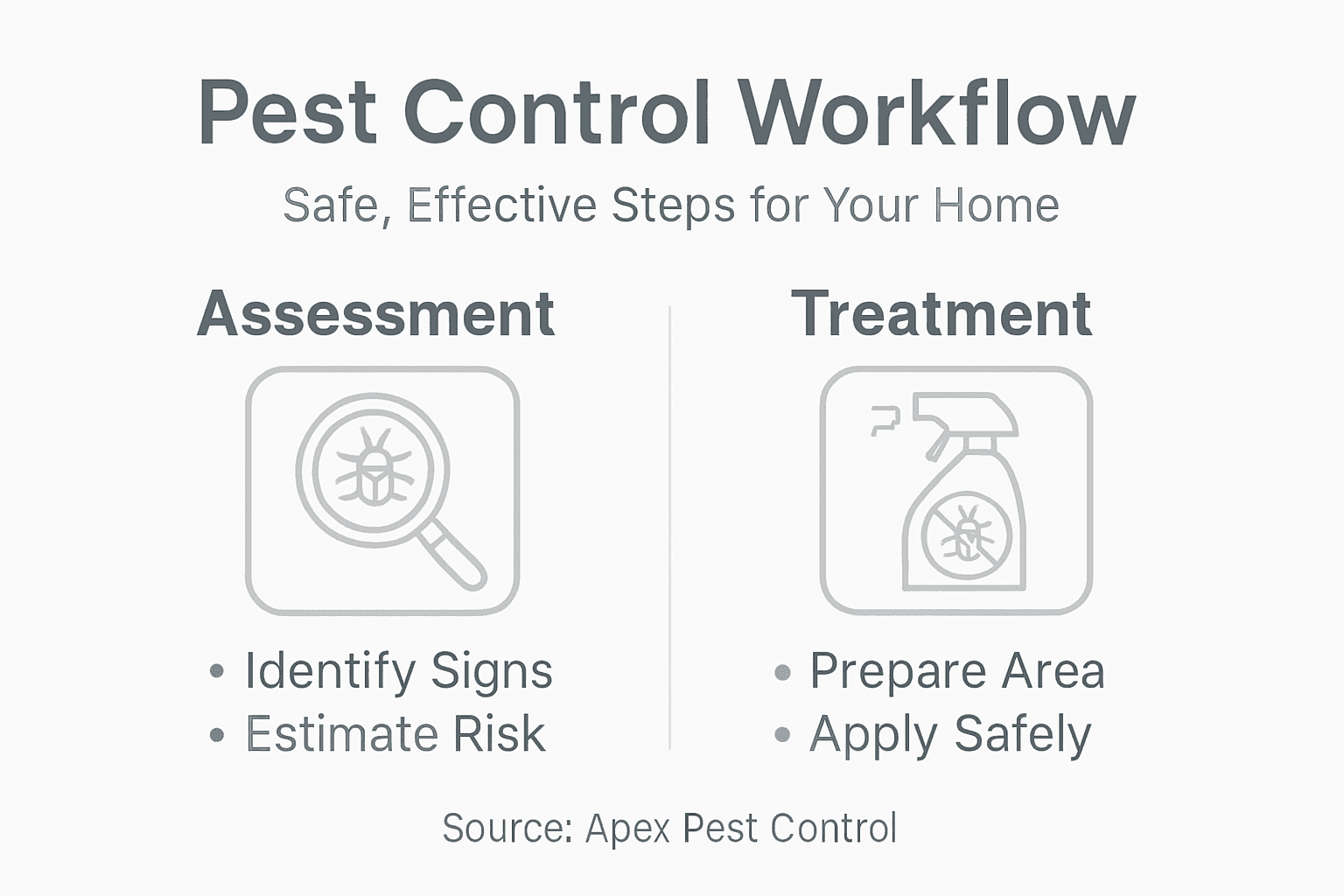
Dealing with persistent pests in your Oakwood home requires more than quick fixes. This article highlights the importance of a thorough pest control workflow that includes assessment, preparation, targeted treatment, and ongoing monitoring. You want solutions that protect your family and pets while addressing the root causes safely and effectively. If you have concerns about rodent gnaw marks or recurring ant trails, or if you want to prevent seasonal pest surges, your goal is clear: lasting relief through customizable and integrated pest management strategies.
Apex Pest Control understands these challenges and offers tailored residential services designed to meet your specific needs. Whether you need a one-time treatment or ongoing prevention programs that include eco-friendly options, our expert technicians use targeted approaches that reduce risks and maximize results. Ready to move beyond frustration and take action now? Visit Uncategorized Archives – Apex Pest Control to explore insights and learn how to maintain a pest-free home year-round. Then, take the first step towards your safer, pest-free environment by requesting your personalized service at Get a Free Quote. Your home deserves professional care that works—contact Apex Pest Control today and protect your family with confidence.
Frequently Asked Questions
How can I assess pest issues in my home?
To assess pest issues, carefully inspect your home for evidence like droppings, damaged items, or physical signs of infestation. Document what you find in different areas, and take photos to help professionals identify the problem more easily.
What preparation should I do before pest control treatment?
Before pest control treatment, eliminate food sources and hiding places for pests. This includes storing food in sealed containers and cleaning up crumbs regularly to deny pests access to easy meals.
How do I choose the right pest control solution for my situation?
Choose a pest control solution based on your specific needs, budget, and the type of pest you’re dealing with. Consider options like one-time treatments for quick relief or ongoing prevention programs to reduce the chance of future infestations.
How can I monitor the effectiveness of pest treatments?
Monitor the effectiveness of pest treatments by keeping a log of pest activity, noting any signs such as droppings or dead insects. Regularly check the same locations for at least four weeks after treatment to confirm that pest activity has ceased.
What should I do after pest treatment is completed?
After pest treatment, avoid immediately cleaning treated areas to ensure that treatments remain effective. Keep an eye on the monitored areas over the following weeks to verify that no new pest activity emerges and to help inform any necessary follow-up actions.
How can I maintain a pest-free home after treatment?
To maintain a pest-free home, establish a regular inspection and treatment schedule based on seasonal pest activity. Implement preventive measures like sealing entry points and keeping the environment clean to create unfavorable conditions for pests.