



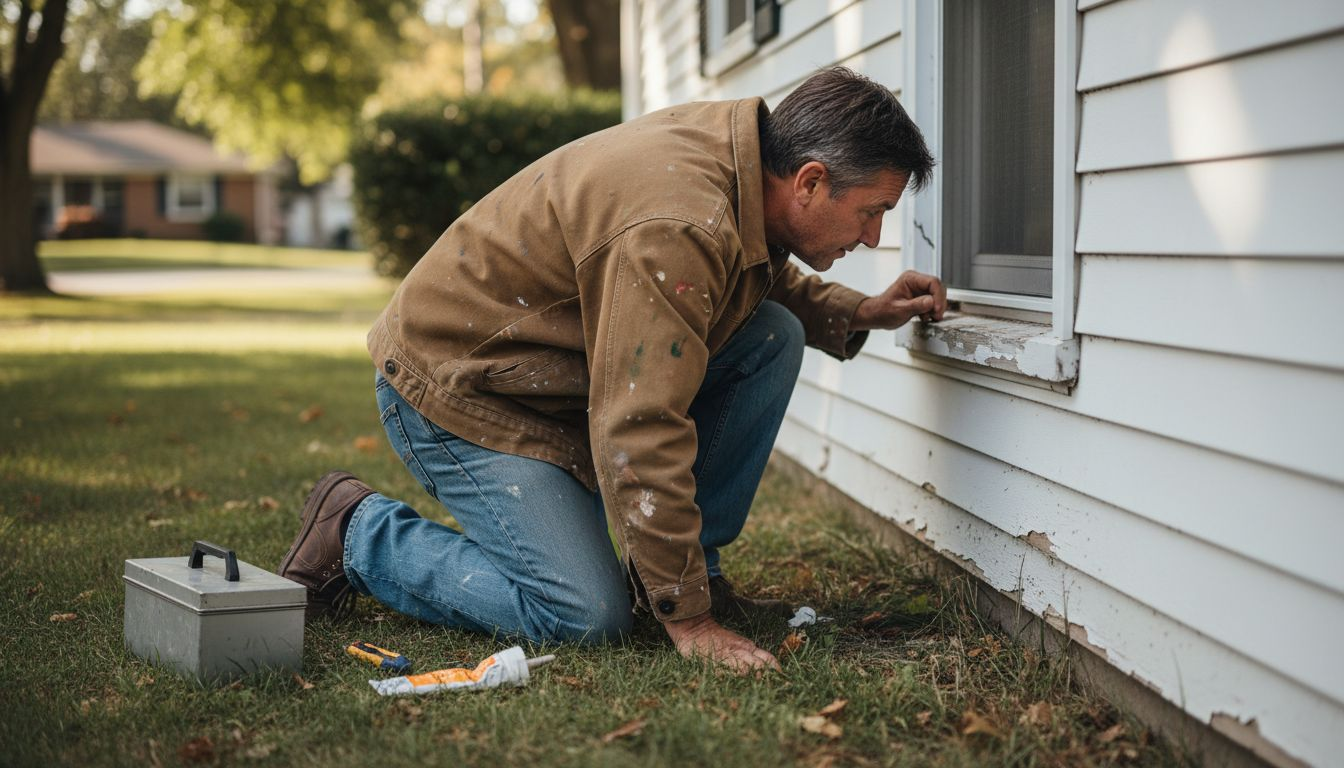
Most homeowners believe killing visible pests solves infestations, but this reactive approach fails to address the real problem: open entry points inviting repeated invasions. Pest exclusion prevents pests from entering your Brunswick home by sealing vulnerabilities before infestations occur, offering sustainable protection without constant chemical treatments. This guide reveals practical exclusion techniques and eco-friendly strategies to keep your Northeast Ohio home pest-free year-round.
Table of Contents
- Introduction To Pest Exclusion
- Integrated Pest Management And Pest Exclusion Fundamentals
- Key Home Vulnerabilities For Pest Entry
- Eco-Friendly Pest Control Approaches
- Common Misconceptions About Pest Exclusion
- Step-By-Step Home Pest Exclusion Techniques
- Ongoing Maintenance And Monitoring
- Protect Your Brunswick Home With Expert Pest Exclusion Services
- Frequently Asked Questions
Key takeaways
| Point | Details |
|---|---|
| Pest exclusion seals entry points | Blocking access prevents infestations sustainably without relying on repeated chemical applications. |
| IPM prioritizes prevention | Integrated Pest Management reduces pesticide use through monitoring, exclusion, and targeted control. |
| Common entry points include gaps | Doors, vents, utility lines, and cracks as small as 1/4 inch allow rodents and insects inside. |
| Eco-friendly methods complement exclusion | Biological controls, habitat modification, and mechanical barriers enhance prevention naturally. |
| Regular maintenance sustains effectiveness | Quarterly inspections and prompt repairs prevent seal degradation and new pest access. |
Introduction to pest exclusion
Pest exclusion represents a proactive defense strategy that blocks pests from entering homes rather than treating infestations after they occur. This preventive approach reduces reliance on chemical pesticides while delivering long-term protection for Brunswick families. Northeast Ohio homes face persistent challenges from rodents seeking winter shelter, ants colonizing foundations, and wasps nesting in attic vents.
Sustainable benefits distinguish exclusion from reactive chemical treatments. By addressing structural vulnerabilities, you eliminate the conditions that allow pests to thrive indoors. This method protects your family’s health by minimizing exposure to pesticides while reducing environmental impact.
Common pests in Brunswick include:
- House mice and Norway rats entering through foundation gaps
- Carpenter ants exploiting moisture-damaged wood
- Wasps and hornets accessing attic spaces through roof vents
- Stink bugs infiltrating through window frames during fall
- Spiders establishing webs in undisturbed corners and basements
Excluding pests early improves indoor air quality and prevents property damage from gnawing, nesting, and waste accumulation. Homeowners who implement fall pest prevention steps before temperatures drop experience fewer winter rodent problems. The initial investment in sealing entry points delivers ongoing protection, reducing annual pest control costs while creating healthier living environments for your family.
Integrated pest management and pest exclusion fundamentals
Integrated Pest Management provides the scientific framework that makes exclusion effective. The four key IPM steps include setting action thresholds, monitoring pest activity, preventing access, and controlling selectively when necessary. These coordinated tactics work together to manage pests with minimal environmental disruption.
Exclusion functions as the primary prevention method within IPM because physical barriers remain effective indefinitely without developing resistance. Unlike pesticides that lose potency over time, properly sealed entry points continue blocking access for years. This layered IPM approach minimizes chemical use by addressing root causes rather than symptoms.
The IPM process follows these steps:
- Establish damage thresholds that justify intervention based on actual pest numbers rather than fear
- Monitor consistently using traps, visual inspections, and activity logs to track population trends
- Prevent access through exclusion, sanitation, and habitat modification before pests establish
- Control selectively using least-toxic methods targeted at verified pest populations
IPM’s adaptability allows customization from targeting specific pests like mice to balancing whole ecosystem health in your yard. This flexibility proves essential for Brunswick homes facing seasonal pest pressures that change throughout the year. Spring brings ant scouts searching for food sources, summer attracts wasps building nests, fall drives rodents indoors seeking warmth, and winter concentrates pest activity in heated spaces.
Following integrated pest management in Ohio benefits home health by reducing indoor air pollutants from pesticide applications. Environmental advantages include protecting beneficial insects, preventing pesticide runoff into local waterways, and maintaining ecosystem balance. Homeowners seeking IPM examples for homes discover practical applications that fit their specific pest challenges and property characteristics.
Key home vulnerabilities for pest entry
Structural gaps and penetrations create highways for pests to access your Brunswick home. Understanding these vulnerabilities allows you to prioritize sealing efforts where they deliver maximum protection. Even homes with intact exteriors contain surprising entry points that rodents and insects exploit.
Common pest entry points include utility line penetrations where cables, pipes, and wires enter walls, roof vents lacking proper screens, door thresholds with worn weather stripping, attic vents with damaged mesh, and garage doors with warped bottom seals. These openings may appear insignificant but provide ample access for determined pests.
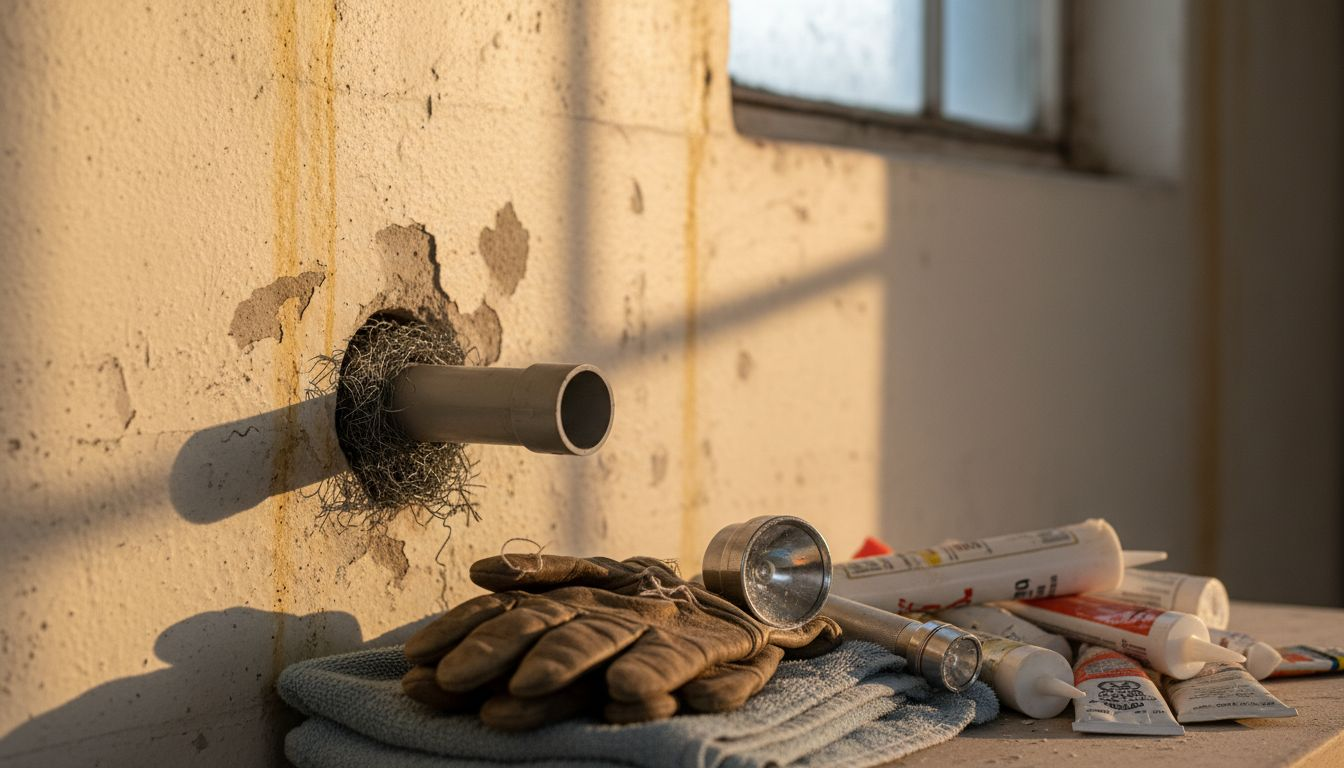
Rodents demonstrate remarkable ability to squeeze through holes 1/4 inch or larger, roughly the diameter of a pencil. This adaptability means homeowners must seal even tiny cracks to prevent mouse and rat entry. Insects require even smaller gaps, slipping through cracks you might overlook during casual inspections.
Rodent-resistant materials including steel wool, metal mesh, and specialized door sweeps provide durable barriers that resist gnawing. Standard foam sealants and wood fill work temporarily but rodents chew through these softer materials within days. Investing in quality exclusion materials prevents repeated repairs and sustained protection.
| Entry Point Type | Typical Gap Size | Recommended Sealing Material |
|---|---|---|
| Utility penetrations | 1/4 to 2 inches | Steel wool packed tight, covered with metal mesh |
| Door thresholds | 1/8 to 1/2 inch | Rodent-proof door sweeps with metal reinforcement |
| Roof vents | 1/4 to 1 inch | Hardware cloth (1/4 inch mesh) secured with screws |
| Foundation cracks | 1/8 to 3/4 inch | Mortar or concrete patch with embedded wire mesh |
| Garage door gaps | 1/2 to 2 inches | Vinyl or rubber seal with internal wire barrier |
Pro Tip: Inspect door sweeps monthly for signs of gnawing or compression, replacing them immediately when damage appears to prevent rodent entry during vulnerable periods.
Homeowners following residential pest control tips discover that combining proper materials with thorough sealing creates formidable barriers. The DIY pest prevention approach works best when you address all vulnerable points simultaneously rather than sealing them piecemeal. Mice that find one entrance blocked simply search for alternative routes, so comprehensive exclusion delivers superior results. Brunswick’s freeze-thaw cycles can crack new foundation repairs, making fall prevention steps essential before winter damage occurs.
Eco-friendly pest control approaches
Eco-friendly pest control manipulates habitats, encourages beneficial organisms, and uses mechanical barriers to manage pests without synthetic chemicals. These ecological pest management practices promote biodiversity and natural pest enemies while reducing environmental contamination. Sustainable methods complement exclusion by addressing pest populations that bypass physical barriers.
Reducing chemical pesticide use protects your family from exposure to toxic compounds that accumulate in indoor environments. Children and pets face particular vulnerability to pesticide residues on floors and surfaces. Environmental benefits extend beyond your property, preventing chemical runoff that harms beneficial insects, pollinators, and aquatic ecosystems in Brunswick’s watersheds.
Practical eco-friendly tactics include:
- Promoting beneficial insects like ladybugs and lacewings that prey on aphids and other pests
- Removing pest harborage by clearing leaf litter, trimming vegetation from foundations, and eliminating standing water
- Installing mechanical traps for rodents in areas where exclusion alone proves insufficient
- Creating physical barriers using copper tape around garden beds to deter slugs and snails
- Maintaining proper moisture levels to prevent conditions that attract moisture-loving pests like silverfish
Biological controls and cultural tactics support natural pest enemies through habitat enhancement and reduced disturbance. Preserving native plants in your landscape provides shelter and food for predatory insects that control pest populations naturally. This approach transforms your property into a balanced ecosystem where pest outbreaks face immediate natural regulation.
Homeowners exploring eco-friendly pest control in Ohio appreciate methods that protect pollinators essential for garden productivity. Sustainable pest management integrates exclusion with habitat modification, creating multiple barriers that pests must overcome to establish populations. This layered defense proves more resilient than single-tactic approaches, adapting to changing pest pressures throughout seasons.
Common misconceptions about pest exclusion
Misunderstandings about pest control undermine effective exclusion efforts and waste resources on ineffective treatments. Clearing these misconceptions helps Brunswick homeowners invest wisely in proven prevention strategies. Knowledge-based decisions deliver better results than actions driven by fear or incomplete information.
Myth 1 claims that killing visible pests solves infestations completely. Reality requires sealing entry points and modifying habitats because eliminating current populations does nothing to prevent new arrivals. Unsealed homes experience recurring infestations as replacement pests discover the same entry routes.
Myth 2 assumes only large holes matter for pest exclusion. Rodents actually enter through gaps 1/4 inch or larger, requiring attention to cracks most homeowners overlook. This misconception leaves properties vulnerable despite sealing obvious openings.
Myth 3 insists chemical pesticides provide the only reliable solution for pest problems. IPM demonstrates that prevention through exclusion and habitat modification eliminates pest access more effectively than repeated chemical applications. Pesticides treat symptoms while exclusion addresses root causes.
Key corrections include:
- Permanent solutions require preventing pest access, not just eliminating current populations
- Tiny gaps provide sufficient entry for mice, rats, and countless insects seeking shelter
- Exclusion and prevention deliver superior long-term results compared to chemical-dependent strategies
- Professional services enhance DIY efforts but homeowners can successfully implement basic exclusion
- Seasonal maintenance prevents exclusion failures from weather damage and material degradation
“Effective pest management shifts focus from killing pests to preventing their establishment through comprehensive exclusion and habitat modification. This approach delivers sustainable protection while minimizing environmental impact and health risks to occupants.”
Understanding the role of exclusion in pest management clarifies why prevention outperforms reaction. Homeowners who embrace this perspective invest resources strategically, achieving lasting pest-free environments rather than temporary relief followed by recurring problems.
Step-by-step home pest exclusion techniques
Implementing effective exclusion requires systematic inspection, proper materials, and consistent maintenance. Following proven steps ensures comprehensive protection for your Brunswick home. This methodical approach prevents overlooked vulnerabilities that undermine partial exclusion efforts.
Step 1 involves conducting thorough inspections of all potential entry points including foundation perimeters, utility penetrations, roof vents, door frames, window casings, and garage interfaces. Check both exterior and interior surfaces because pests exploit gaps from either direction. Document findings with photos and notes to track completion.
Step 2 requires selecting and applying appropriate rodent-resistant materials matched to each gap type. Use steel wool for small holes, hardware cloth for larger openings, rodent-proof door sweeps for thresholds, and metal mesh backed by mortar for foundation cracks. Proper installation matters as much as material quality.
Step 3 implements preventive IPM measures including removing outdoor harborage by trimming vegetation 12 inches from foundations, eliminating standing water in gutters and yard, storing firewood 20 feet from structures, and securing garbage in sealed containers. These habitat modifications reduce pest pressure on exclusion barriers.
Step 4 establishes regular maintenance schedules checking seals quarterly and immediately after severe weather. Repair degraded materials promptly before pests exploit new openings. Brunswick’s winter freeze-thaw cycles particularly stress foundation seals and door weather stripping.
Detailed exclusion steps:
- Inspect exterior walls from foundation to roofline using daylight from inside to spot light penetration
- Seal utility line penetrations with steel wool packed tightly then covered with metal mesh
- Install rodent-proof door sweeps on all exterior doors including garage entries
- Screen roof and attic vents with 1/4 inch hardware cloth secured with corrosion-resistant screws
- Fill foundation cracks with mortar reinforced with metal mesh for gaps exceeding 1/2 inch
- Replace worn weather stripping around windows and doors before fall temperatures drop
- Cap chimneys with metal mesh screens preventing bird and squirrel access
- Monitor sealed areas monthly for signs of pest probing or material failure
Pro Tip: Use a bright flashlight during evening hours to identify hidden gaps where interior light escapes, revealing entry points invisible during daytime inspections.
Homeowners committed to exclusion’s role in pest management achieve superior results through comprehensive implementation. Combining DIY prevention tips with professional guidance for complex areas optimizes protection while managing costs effectively.
Ongoing maintenance and monitoring
Sustaining exclusion effectiveness requires vigilant maintenance because materials degrade and structures shift over time. Inspection and maintenance prove critical as seals wear and new gaps form from settling, weather damage, and normal use. Proactive upkeep prevents exclusion failures that allow pest reinfestation.
Sealing materials experience typical wear from UV exposure, temperature extremes, moisture cycles, and physical stress. Door sweeps compress from repeated use, weather stripping hardens and cracks in cold, steel wool rusts in damp locations, and caulk separates from thermal expansion. Recognizing these failure modes helps you anticipate problems before pests exploit them.
Quarterly inspections align with seasonal changes that stress exclusion barriers differently. Spring moisture tests foundation seals, summer heat degrades exterior caulking, fall preparation addresses gaps before rodent pressure intensifies, and winter freezing reveals cracks requiring immediate repair. This seasonal rhythm keeps you ahead of pest access opportunities.
Essential maintenance tasks:
- Resealing gaps where caulk has cracked or separated from temperature cycling
- Replacing compressed or damaged door sweeps before rodents chew through weakened areas
- Fixing warped doors that no longer seal tightly against frames and thresholds
- Clearing debris from foundation drain systems that create moisture attracting pests
- Trimming vegetation that has grown to contact siding and provide pest bridges
- Inspecting attic spaces for new gaps from roof settling or animal damage
Proactive upkeep prevents pest reinfestation by maintaining continuous barriers around your home’s envelope. This vigilance reduces chemical pesticide use because exclusion remains effective indefinitely when properly maintained. Brunswick homeowners who integrate maintenance into fall prevention steps enjoy pest-free winters without emergency treatments.
Documenting maintenance activities helps you track problem areas requiring more frequent attention. Note which seals fail repeatedly, indicating underlying issues like excessive moisture or structural movement. This data guides strategic improvements that reduce maintenance frequency while enhancing overall exclusion effectiveness.
Protect your Brunswick home with expert pest exclusion services
Apex Pest Control specializes in comprehensive residential pest exclusion tailored to Brunswick’s unique pest pressures and housing characteristics. Our licensed technicians combine structural sealing expertise with eco-friendly Integrated Pest Management principles, delivering sustainable protection for your family. We identify vulnerabilities invisible to untrained eyes, recommend proven materials, and implement exclusion measures that withstand Northeast Ohio’s challenging climate.
Homeowners comparing top residential pest solutions discover our exclusion-focused approach prevents infestations more effectively than repeated chemical treatments. Our eco-friendly pest control services prioritize family safety and environmental responsibility while delivering reliable results. Request your free consultation through our contact page to discuss customized exclusion strategies that protect your Brunswick home year-round.
Frequently asked questions
How do I know if my home needs pest exclusion?
Frequent pest sightings, droppings near doors or vents, and damage around utility penetrations indicate entry point vulnerabilities. Persistent pest problems despite treatments confirm that exclusion gaps remain unsealed. Professional inspections identify hidden access points that DIY efforts commonly miss.
What materials work best for sealing pest entry points?
Steel wool, hardware cloth, rodent-proof door sweeps with metal interiors, and durable rubber weather stripping provide effective barriers. Materials must resist gnawing and maintain seals through Brunswick’s temperature extremes and moisture cycles. Avoid foam sealants and wood fill that rodents chew through easily.
Can I do pest exclusion myself or should I hire a professional?
Simple inspections and sealing small gaps suit DIY approaches for motivated homeowners with basic tools. Complex structural repairs, large infestations, or inaccessible areas like high roof vents warrant professional services for thorough exclusion. Combining DIY maintenance with periodic professional assessments optimizes cost and effectiveness.
How often should I inspect my home for new pest entry points?
Quarterly inspections align with seasonal changes that stress exclusion materials and create new vulnerabilities. Inspect immediately after severe weather events that may damage seals or create foundation cracks. Monthly checks of high-traffic areas like doors and garage entries catch problems before pests exploit them.