



More than 60 percent of American homeowners will face some form of pest infestation in their lifetime. For those living in Ohio, seasonal weather swings and local building styles give unwanted guests plenty of places to hide. Knowing exactly where pests sneak in or settle can be the key to protecting your property and family. This guide highlights the most critical inspection points so you can spot early warning signs and strengthen your home’s defenses.
Table of Contents
- Defining Pest Inspection Points For Homes
- Types Of Inspection Points By Area
- Common Ohio Pests And Warning Signs
- Inspection Tools And Professional Methods
- Risks Of Overlooked Entry Points And Mistakes
Key Takeaways
| Point | Details |
|---|---|
| Pest Inspection Areas | Homeowners should systematically inspect key zones such as foundations, attics, and basements to identify potential pest vulnerabilities. |
| Common Pests and Indicators | Recognizing warning signs like droppings and gnaw marks helps in early detection of infestations that threaten property integrity. |
| Inspection Tools | Utilizing specialized tools like moisture meters and thermal cameras enhances the effectiveness of pest inspections and identifies hidden issues. |
| Proactive Management | Conducting biannual inspections and maintaining structural integrity are critical for preventing infestations and addressing vulnerabilities. |
Defining Pest Inspection Points for Homes
Pest inspection points are systematic evaluation areas that help homeowners detect potential pest infestations before they become serious problems. In Ohio, understanding these critical points requires careful examination of specific architectural and environmental factors unique to residential structures. Integrated pest management principles emphasize comprehensive property assessment as the foundation of effective pest control.
A thorough pest inspection involves examining multiple zones within and around residential properties. Key points include foundation walls, basement areas, attic spaces, interior wall junctions, window frames, door thresholds, and exterior perimeter zones. Each area presents unique vulnerabilities where pests like rodents, insects, and wood-destroying organisms can potentially establish entry points or breeding grounds.
Homeowners should pay special attention to moisture-prone areas, structural gaps, and potential wood decay zones. Wood piles adjacent to structures, crawl spaces, roof edges, and plumbing penetration points are prime locations for pest activity. Specific warning signs include mud trails, small holes in wood, droppings, gnaw marks, or unexplained wood debris. Systematic property evaluation techniques can help identify these subtle indicators before infestations become extensive.
Pro tip: Conduct a comprehensive home pest inspection at least twice per year, preferably during seasonal transitions in spring and fall when pests are most likely to migrate or become active.
Types of Inspection Points by Area
Pest inspection points vary strategically across different areas of a residential property, requiring a systematic and comprehensive approach. Integrated pest management strategies recommend dividing property inspection into distinct zones to effectively identify potential pest vulnerabilities. These zones include interior spaces, exterior perimeters, structural elements, and environmental surroundings.
Interior inspection points concentrate on critical areas where pests commonly establish habitats. Key locations include kitchen cabinets, pantry spaces, baseboards, electrical outlets, plumbing fixtures, and hidden spaces behind appliances. Bathrooms and utility rooms demand special attention due to consistent moisture and potential organic material accumulation. Attics, crawl spaces, and basement areas represent additional complex interior zones requiring meticulous examination for signs of pest activity.
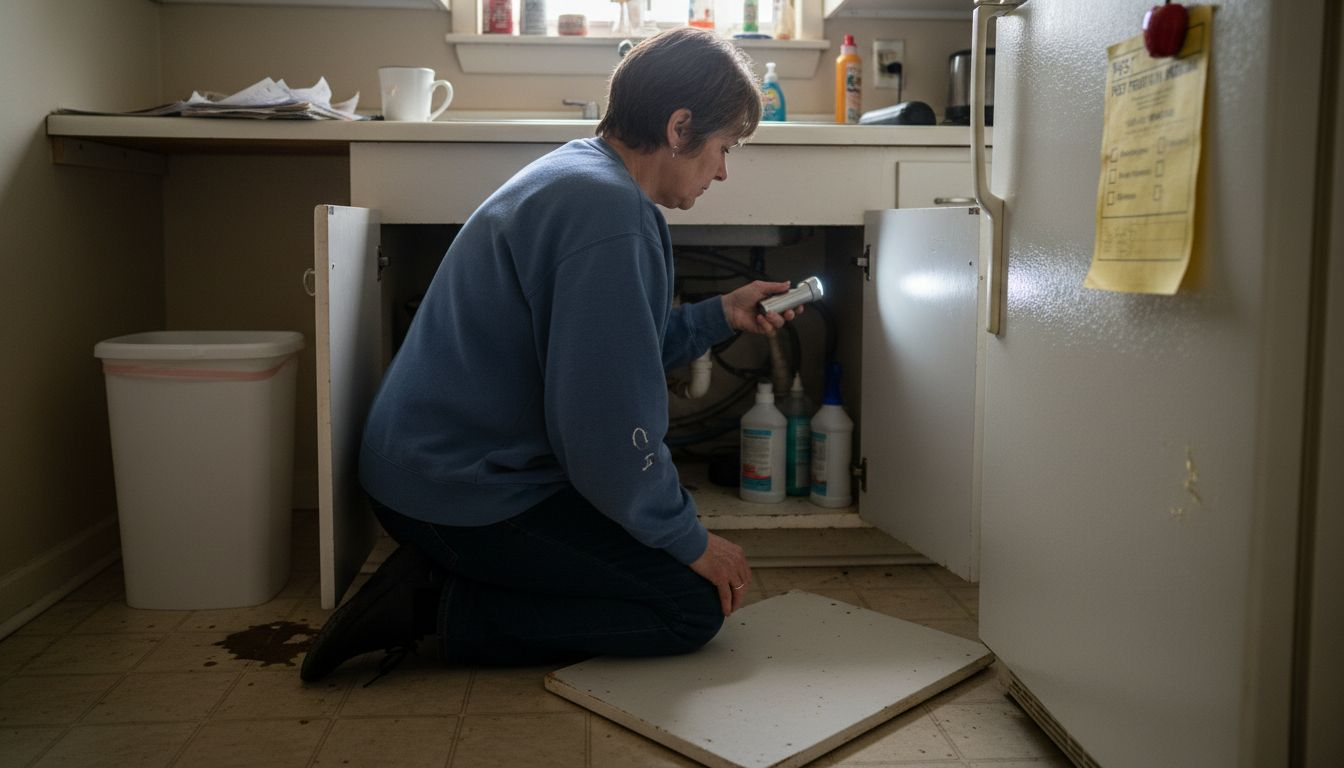
Exterior inspection points focus on potential entry pathways and environmental conditions that might attract pests. Homeowners should carefully assess foundation walls, roof edges, window frames, door thresholds, utility line penetrations, and landscaping features adjacent to the structure. Building perimeter examination techniques emphasize identifying structural gaps, moisture accumulation zones, and potential wood decay areas that could provide pest harboring opportunities.
Pro tip: Develop a standardized inspection checklist that covers each property zone systematically, ensuring no potential pest entry point or habitat area remains unexamined during your assessment.
Common Ohio Pests and Warning Signs
Ohio homeowners face a diverse range of pest challenges that can compromise property integrity and household health. Common urban pest species include ants, cockroaches, bed bugs, mice, and various seasonal invaders that thrive in the state’s varied climate conditions. Understanding these pests requires recognizing their unique behavioral patterns, habitat preferences, and potential damage indicators.
Insect pests represent a significant threat to Ohio residences. Ants commonly infiltrate kitchens and bathrooms, leaving visible trails and establishing complex colony networks within wall voids. Bed bugs create challenging infestations, with warning signs including tiny blood spots on mattresses, dark fecal matter on bedding, and unexplained skin irritations. Cockroaches indicate potential sanitation issues, with evidence including shed exoskeletons, distinctive musty odors, and small dark droppings in cabinet corners and behind appliances.
Wood-destroying pests pose substantial risks to Ohio homes, particularly termites and carpenter ants. Urban pest identification techniques emphasize recognizing structural damage indicators like wood tunneling, sawdust-like debris, discarded wings near windows, and weakened wooden structures. Rodents present additional challenges, with warning signs including gnaw marks, greasy wall smudges, scattered droppings, and unusual scratching sounds within walls or attic spaces.
Here is a summary of critical pest warning signs and their potential implications for Ohio homeowners:
| Pest Type | Typical Warning Sign | Possible Consequence |
|---|---|---|
| Ants | Visible trails, wall voids | Food contamination risk |
| Termites | Mud tubes, wood tunnels | Structural wood damage |
| Bed Bugs | Dark stains on mattresses | Skin irritation, rapid spread |
| Rodents | Gnaw marks, droppings | Wiring damage, health hazard |
| Cockroaches | Musty odor, shed exoskeletons | Trigger allergies, sanitation issues |
Pro tip: Photograph and document any pest evidence during your inspection, creating a visual record that can help professional exterminators accurately diagnose and address potential infestations.
Inspection Tools and Professional Methods
Professional pest inspections require specialized equipment and systematic approaches that go far beyond casual homeowner observations. Integrated pest management techniques employ a comprehensive suite of tools designed to detect, identify, and assess pest populations with precision. These methods combine technological instruments with expert knowledge to uncover hidden infestations and potential risk areas.
Key inspection tools include high-powered flashlights, moisture meters, thermal imaging cameras, and specialized inspection mirrors that allow professionals to examine hard-to-reach spaces. Professionals also utilize advanced trapping systems, including sticky traps, pheromone traps, and monitoring stations that capture and identify specific pest species. Digital documentation tools enable precise tracking of pest activity, including GPS-enabled mapping and detailed photographic evidence that supports comprehensive pest management strategies.
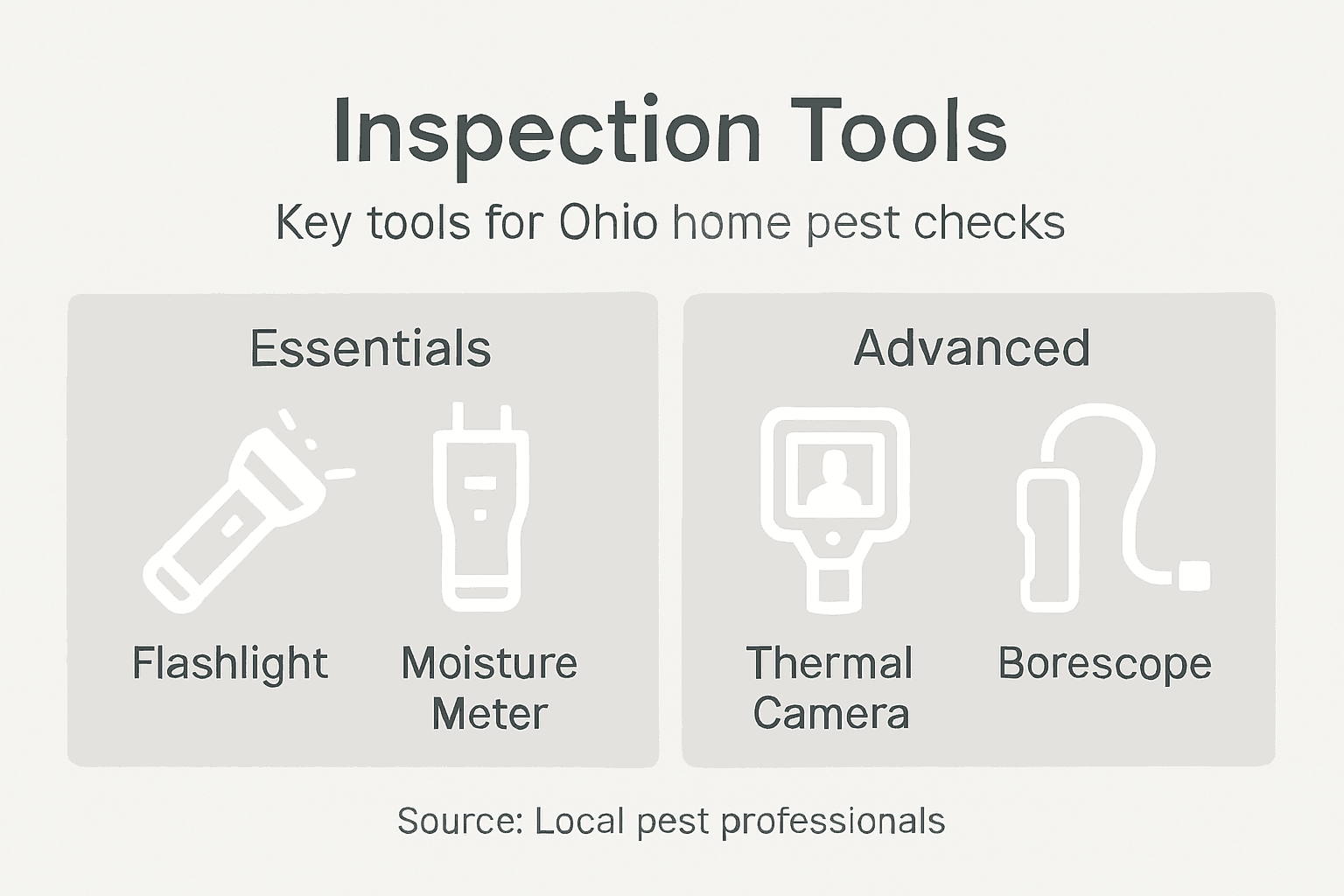
The following table compares commonly used pest inspection tools with their main function and the added value they provide in a professional home inspection:
| Tool | Primary Function | Added Value |
|---|---|---|
| Moisture Meter | Detect hidden moisture | Reveals pest-friendly damp zones |
| Thermal Imaging Camera | Spot temperature differences | Locates hidden nests or infestation hotspots |
| Inspection Mirror | View hard-to-reach places | Ensures no area is left unexamined |
| Digital Trap/Monitor | Track pest activity over time | Enables targeted and data-driven interventions |
Pest management monitoring protocols emphasize a multi-step approach that combines visual inspection, environmental assessment, and scientific data collection. Professionals employ specialized diagnostic techniques such as wood sound testing for termite damage, moisture readings to identify potential pest breeding grounds, and detailed structural assessments that reveal potential entry points and conducive conditions for pest infestations. These systematic methods transform pest inspection from a reactive process to a proactive management strategy.
Pro tip: Request a comprehensive written report from your pest inspection professional, which should include detailed findings, recommended treatment strategies, and specific recommendations for preventing future infestations.
Risks of Overlooked Entry Points and Mistakes
Structural vulnerabilities create significant opportunities for pest infiltration, with seemingly minor oversights potentially leading to extensive infestations. Pest entry point identification reveals that small, unnoticed gaps can become superhighways for insects and rodents seeking shelter and food sources. Ohio homes face unique challenges due to seasonal temperature variations and diverse architectural styles that can inadvertently provide multiple pest access routes.
Common overlooked entry points include unsealed utility line penetrations, damaged window screens, foundation cracks, and compromised roof edges. Vegetation positioned too close to the home’s exterior can create natural bridges for pests, allowing direct access from landscaping to interior spaces. Moisture-damaged wood around windows, doors, and basements represents particularly attractive entry zones for termites, carpenter ants, and other wood-destroying organisms that can compromise structural integrity.
Integrated pest management strategies emphasize the importance of comprehensive property assessment to identify potential risk areas. Homeowners frequently underestimate the significance of seemingly minor structural imperfections, such as small foundation hairline cracks, deteriorating weatherstripping, or gaps around pipe and cable entries. These inconspicuous openings can create complex pathways for pests, enabling them to establish hidden colonies within wall voids, attic spaces, and crawl areas before detection.
Pro tip: Conduct a thorough perimeter walk-around of your property every six months, using a bright flashlight to systematically inspect for any new cracks, gaps, or potential entry points that might have developed since your last assessment.
Protect Your Ohio Home with Expert Pest Inspections
Safeguarding your home against hidden pest entry points and early infestations requires action based on detailed knowledge of those vulnerable areas. This article highlights the critical need for systematic pest inspections that focus on foundation cracks, moisture-prone zones, and wood damage. If you recognize the risks of overlooked gaps or pest warning signs like droppings and damaged wood, you know the pressure to act before costly damage or health hazards develop.
Apex Pest Control offers professional, customized pest management solutions designed specifically for Ohio homeowners facing these exact challenges. With comprehensive services including termite and rodent control, eco-friendly treatments, and ongoing prevention programs, our experts use proven inspection techniques to identify and eliminate threats at the source. Don’t leave your home’s safety to chance. Learn more about pest management strategies in our Uncategorized Archives – Apex Pest Control and take the first step toward pest-free living.
Act now and protect your property before pests find their way inside. Request your free inspection and personalized treatment plan today by visiting Apex Pest Control Free Quote. Your home deserves professional care matched with expert knowledge.
Frequently Asked Questions
What are the key pest inspection points to look for in homes?
Key pest inspection points include foundation walls, basement areas, attic spaces, interior wall junctions, window frames, door thresholds, and exterior perimeter zones. These areas are common vulnerabilities for pest infestations.
How often should homeowners conduct a pest inspection?
Homeowners should conduct a comprehensive pest inspection at least twice a year, ideally during seasonal transitions in spring and fall when pests are most active.
What warning signs indicate a potential pest infestation?
Common warning signs of pest infestations include visible trails from ants, small holes in wood, droppings, gnaw marks, wood tunnels from termites, and dark stains from bed bugs on mattresses.
What tools are essential for a professional pest inspection?
Essential tools for a professional pest inspection include high-powered flashlights, moisture meters, thermal imaging cameras, and specialized inspection mirrors. These tools help detect hidden pests and assess potential risk areas.