



Finding persistent pests around your home in Oakwood or Maple Heights can feel frustrating and overwhelming. As Northeast Ohio homeowners seek safer ways to protect their families and property, eco-friendly control methods become increasingly important. Learning about precise mapping techniques empowers you to pinpoint potential trouble areas, reduce chemical use, and create a healthier, more proactive defense against infestations.
Table of Contents
- What Is Pest Mapping and Why It Matters
- Types of Pest Mapping Used in Homes
- How Pest Mapping Identifies Infestation Patterns
- Benefits of Pest Mapping for Eco-Friendly Control
- Common Mistakes to Avoid With Pest Mapping
Key Takeaways
| Point | Details |
|---|---|
| Importance of Pest Mapping | Pest mapping is essential for proactive pest management, allowing homeowners to identify and address pest problems before they escalate. |
| Techniques for Mapping | Various methods, including visual inspections and digital tracking, provide insights into pest behavior and help develop targeted prevention strategies. |
| Eco-Friendly Benefits | Utilizing pest mapping reduces unnecessary pesticide use, protects beneficial organisms, and maintains ecological balance within residential environments. |
| Common Mistakes | Homeowners should avoid misidentifying pests and ensure consistent monitoring to develop effective pest management strategies. |
What Is Pest Mapping and Why It Matters
Pest mapping is a sophisticated strategy for tracking and preventing pest populations in residential environments. By utilizing advanced tracking technologies and data collection methods, homeowners can develop a proactive approach to managing potential pest infestations before they become significant problems.
At its core, pest mapping involves collecting real-time data through imaging and identification models to monitor pest movements and population patterns. This process allows residents in Northeast Ohio to understand the specific pest risks in their local neighborhoods, helping them create targeted prevention strategies.
The key components of effective pest mapping include:
- Identifying common pest entry points specific to Ohio homes
- Tracking seasonal migration and population trends
- Documenting specific geographic zones with higher pest concentrations
- Analyzing environmental factors that contribute to pest proliferation
- Developing location-specific prevention strategies
By understanding pest distribution patterns, homeowners can implement more strategic and efficient control measures. Precise mapping allows for early detection, reducing potential property damage and minimizing the need for extensive pest control interventions.
Pro tip: Create a seasonal pest tracking journal to document potential entry points and pest sightings around your property, helping you anticipate and prevent future infestations.
Types of Pest Mapping Used in Homes
Pest mapping in residential environments involves multiple sophisticated techniques designed to track and prevent potential infestations. Homeowners have several strategic approaches available to monitor and understand pest populations within their living spaces.
One primary method of pest mapping is systematic urban pest management through integrated tracking, which relies on comprehensive inspection and monitoring techniques. This approach helps residents identify specific areas of vulnerability and potential pest activity across different rooms and building zones.
The most common types of pest mapping techniques include:
- Visual Inspection Mapping: Systematically examining each room and potential entry point
- Trapping Location Mapping: Placing monitoring traps in strategic areas to track pest movements
- Digital Tracking: Using technology to record and analyze pest activity patterns
- Seasonal Migration Mapping: Documenting pest population shifts throughout different seasons
- Environmental Condition Mapping: Analyzing how specific home conditions contribute to pest presence
Precise mapping techniques enable homeowners to develop targeted prevention strategies tailored to their specific residential environment. By understanding exact pest movement patterns and potential entry points, residents can create more effective and proactive pest control plans.
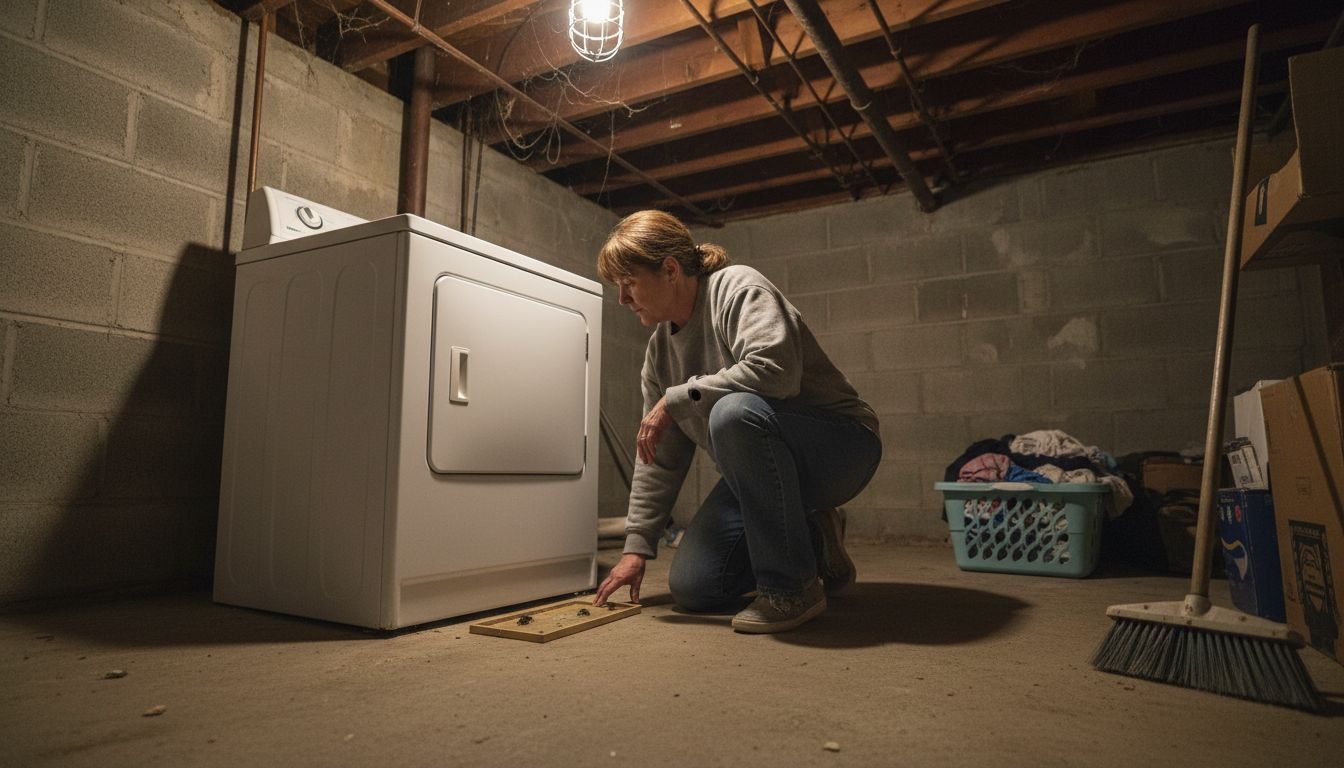
Each mapping technique provides unique insights into pest behavior. Physical traps can reveal rodent pathways, while visual inspections help identify potential insect nesting areas. These methods work together to create a comprehensive understanding of pest populations within a home.
Here’s a quick comparison of common pest mapping techniques and the unique insights they provide:
| Technique | Unique Insight | Typical Use Case |
|---|---|---|
| Visual Inspection | Reveals hidden pest nests | Locating insect colonies in attics |
| Trapping Location | Tracks rodent movement paths | Identifying mouse entryways in basements |
| Digital Tracking | Analyzes activity patterns | Monitoring recurring pest hotspots |
| Environmental Mapping | Explains pest attraction | Assessing moisture’s impact on infestations |
Effective pest mapping is not about elimination, but strategic prevention and management of potential infestations.
Pro tip: Create a detailed home layout sketch and mark potential pest entry points and previous sighting locations to develop a personalized pest tracking system.
How Pest Mapping Identifies Infestation Patterns
Pest mapping represents a sophisticated approach to understanding and predicting pest behavior within residential environments. By utilizing advanced technological methods, homeowners can gain critical insights into potential pest activities before they become significant problems.
Modern pest mapping techniques leverage advanced image processing and deep learning algorithms to collect and analyze real-time data about pest populations. These innovative approaches transform raw information into actionable intelligence, helping residents anticipate and prevent potential infestations.
The primary methods for identifying infestation patterns include:
- Spatial Distribution Analysis: Tracking precise locations of pest sightings
- Population Density Mapping: Measuring concentration of pests in specific areas
- Movement Pattern Tracking: Understanding how pests migrate through living spaces
- Environmental Correlation: Linking pest presence to specific home conditions
- Seasonal Activity Monitoring: Documenting changes in pest behavior throughout different times of year
Technological tracking methods enable homeowners to develop a comprehensive understanding of pest dynamics. By documenting exact movement patterns, residents can identify potential vulnerabilities in their home’s structural integrity and environmental conditions that might attract pests.
Successful pest mapping transforms reactive pest control into a proactive prevention strategy.
Pro tip: Photograph and document any pest sightings with precise location details to build a comprehensive personal pest activity map for your home.
Benefits of Pest Mapping for Eco-Friendly Control
Eco-friendly pest control has revolutionized how Northeast Ohio homeowners approach pest management, transforming traditional reactive strategies into intelligent, sustainable solutions. By leveraging precise data collection and analysis, residents can now minimize environmental impact while effectively protecting their living spaces.
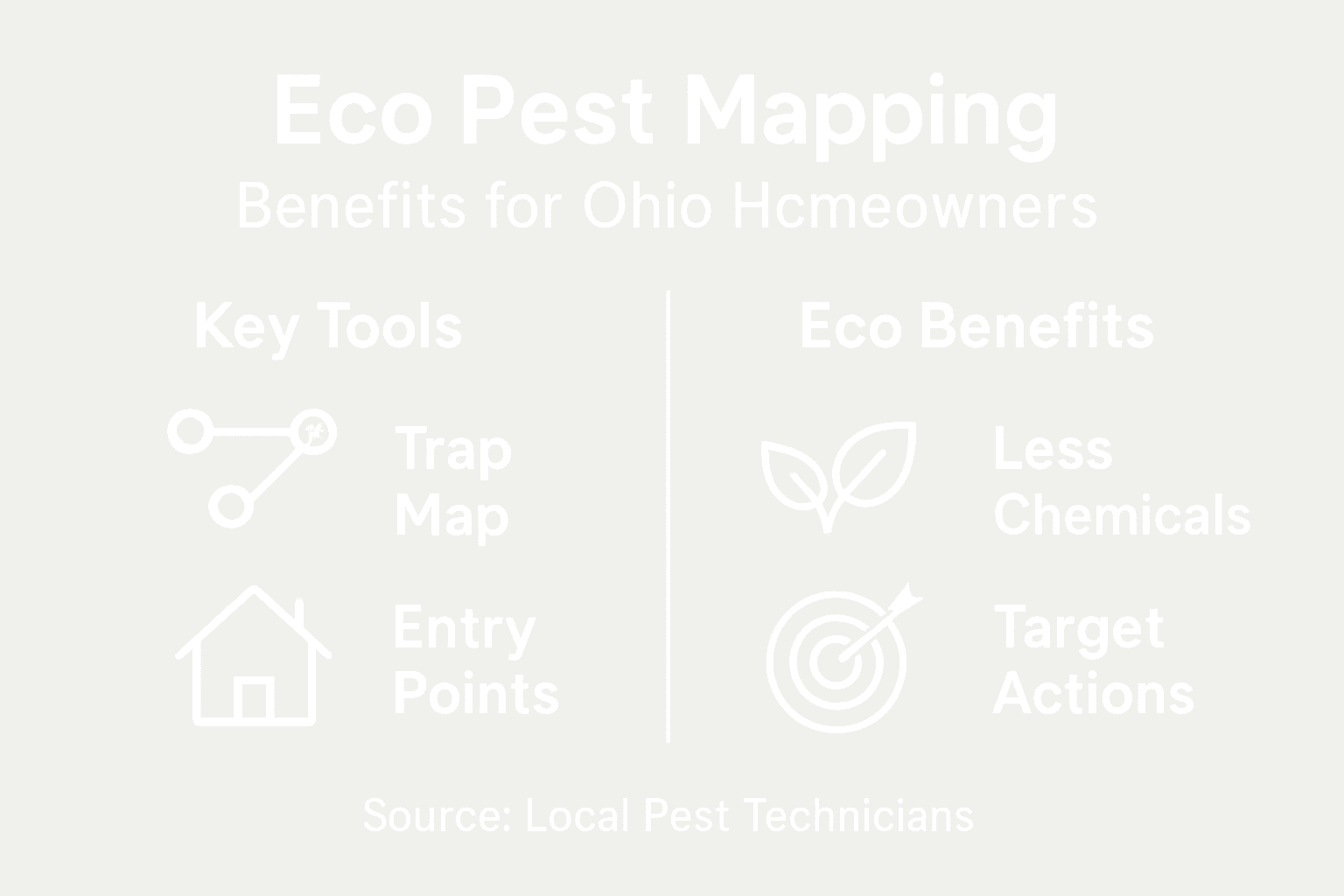
Pest mapping supports integrated pest management strategies that reduce chemical usage by targeting interventions only where absolutely necessary. This approach significantly decreases unnecessary pesticide application, preserving the delicate ecological balance of residential environments.
The primary benefits of eco-friendly pest mapping include:
- Targeted Chemical Application: Reducing overall pesticide exposure
- Preservation of Beneficial Organisms: Protecting pollinators and natural predators
- Cost-Effective Intervention: Minimizing unnecessary treatment expenses
- Environmental Protection: Maintaining local ecosystem health
- Data-Driven Decision Making: Using precise population tracking for smarter control
Precision tracking technologies enable homeowners to understand pest behaviors without resorting to widespread chemical treatments. By identifying specific infestation patterns, residents can implement surgical, environmentally conscious interventions that protect both their homes and local biodiversity.
Here’s a summary of how eco-friendly pest mapping reduces environmental impact:
| Benefit | How It Protects Environment | Example Application |
|---|---|---|
| Targeted Chemical Use | Lowers pesticide runoff | Spot-treating only affected areas |
| Biodiversity Preservation | Maintains pollinator populations | Avoiding sprays near gardens |
| Precise Decision Making | Prevents needless interventions | Using pest data to guide action |
| Cost Efficiency | Reduces wasteful treatments | Focusing resources on hotspots |
Sustainable pest control is not about elimination, but about creating balanced, harmonious living environments.
Pro tip: Maintain a seasonal pest tracking journal documenting locations, times, and conditions of pest sightings to develop a personalized, eco-friendly management strategy.
Common Mistakes to Avoid With Pest Mapping
Pest mapping requires precision and careful attention to detail, as even small errors can compromise the entire pest management strategy for Northeast Ohio homes. Understanding potential pitfalls helps homeowners develop more effective and reliable tracking methods.
One of the most critical errors involves inaccurate pest identification techniques that lead to inappropriate control measures. Misidentifying a pest can result in ineffective treatments, wasted resources, and potential property damage.
The most common mistakes homeowners make during pest mapping include:
- Misidentifying Pest Species: Confusing different types of insects or rodents
- Inconsistent Monitoring: Failing to track pest activities regularly
- Ignoring Environmental Factors: Overlooking conditions that attract pests
- Relying on Single Control Method: Not using integrated pest management approaches
- Poor Documentation: Neglecting to record precise location and frequency of sightings
Systematic tracking methods require homeowners to be meticulous and objective. By avoiding these common errors, residents can develop more accurate and effective pest prevention strategies that protect their living spaces.
Successful pest mapping is about consistent observation, accurate documentation, and adaptive strategies.
Pro tip: Take clear, dated photographs of pest sightings with specific location details to build a comprehensive and reliable tracking record.
Take Control with Expert Pest Mapping and Eco-Friendly Solutions
Pest mapping offers an intelligent way to track and prevent infestations before they cause damage in your Northeast Ohio home. If you are concerned about pinpointing pest activity and creating tailored, eco-friendly prevention plans, you deserve a local partner who understands precise pest movement patterns and sustainable control methods. Apex Pest Control specializes in helping homeowners like you identify entry points and seasonal trends so you can protect your property proactively.
Don’t let pests gain the upper hand through guesswork or inconsistent monitoring. Discover how our licensed technicians use data-driven strategies to deliver safe and effective pest control near you. To start your personalized pest management plan and safeguard your home with trusted local service, request your free quote today. Learn more about our approach in the Uncategorized Archives – Apex Pest Control and take the first step towards smarter, eco-friendly pest prevention.
Frequently Asked Questions
What is pest mapping?
Pest mapping is a strategy for tracking and managing pest populations in homes. It involves collecting real-time data on pest movements and population patterns to develop targeted prevention strategies.
How does pest mapping help in pest control?
Pest mapping allows homeowners to identify specific pest entry points, track population trends, and analyze environmental factors that contribute to pest presence, leading to more effective pest control methods.
What are the different techniques used in pest mapping?
Techniques include visual inspection mapping, trapping location mapping, digital tracking, seasonal migration mapping, and environmental condition mapping, each offering unique insights into pest behavior and movement.
Why is eco-friendly pest mapping important?
Eco-friendly pest mapping reduces the need for chemical pesticides by targeting interventions only where necessary. This approach preserves beneficial organisms and helps maintain local ecosystems while providing effective pest management.