



Nearly one in five American households reports encountering pest issues each year, a reminder that unwanted critters are a constant challenge. Pests can threaten your health, damage property, and disrupt your peace of mind long before you even spot the first signs. Learning how to assess pest activity, identify culprits, and protect your home equips you to handle infestations quickly and confidently.
Table of Contents
- Step 1: Assess Signs of Pest Activity
- Step 2: Identify Your Target Pest
- Step 3: Prepare Your Home for Treatment
- Step 4: Apply Safe Pest Control Solutions
- Step 5: Monitor Results and Ensure Prevention
Quick Summary
| Key Insight | Explanation |
|---|---|
| 1. Inspect for Pest Signs | Regularly check for droppings, nests, and entry points to catch infestations early. |
| 2. Identify the Specific Pest | Accurate pest identification helps tailor effective control methods for ongoing issues. |
| 3. Prepare Home for Treatment | Seal gaps and eliminate food sources to enhance pest control effectiveness. |
| 4. Apply Safe Solutions | Use targeted treatments while prioritizing safety for people and pets during application. |
| 5. Monitor and Prevent | Conduct regular inspections and maintain cleanliness to prevent future infestations. |
Step 1: Assess Signs of Pest Activity
Identifying potential pest problems early can save you significant time and money in residential pest management. This crucial first step involves carefully examining your home for subtle and obvious indicators of unwanted visitors.
Start by conducting a thorough visual inspection of key areas where pests typically hide or enter. Examine areas around pipes, cables, and utility lines for small gaps or potential entry points. Look closely at your doors, window frames, and foundation for tiny cracks or openings that insects or rodents might use to access your living space. Pay special attention to dark, warm spaces like basements, attics, and storage areas where pests often establish nests.
Watch for telltale signs such as droppings near food packages, shredded nesting materials, or unexplained chew marks on packaging and walls. Rodent droppings near food storage areas are significant warning indicators that suggest an active infestation. Strange odors in hidden spaces or unusual scratching sounds within walls can also signal pest presence. When in doubt, document your findings with clear photographs to help professionals accurately assess the situation.
Quick warning: Do not disturb potential nest sites without proper protection. Some pests can carry diseases or become aggressive when threatened. If you discover extensive signs of infestation, contact a professional pest control service immediately for a comprehensive assessment and safe management strategy.
Step 2: Identify Your Target Pest
Successful pest management begins with accurate identification of the specific pest invading your home. Understanding the unique characteristics and behaviors of different pests will help you develop a targeted and effective control strategy.
Comprehensive pest identification resources offer detailed insights into over 90 different species, providing critical information about their habits and potential risks. Look closely at physical characteristics such as body shape, color, size, and distinctive markings. Pay attention to where you find the pest most frequently, as location can provide significant clues about its species and potential nesting areas. For instance, small dark droppings near kitchen cabinets might indicate different pests compared to webbing found in dark corner spaces.
Collecting specimens carefully can help with precise identification if you are uncertain about the specific type of pest. Use clear photographs or capture a specimen in a sealed clear container for closer examination. Consider using a magnifying glass to observe minute details that can help distinguish between similar looking species. When in doubt, consult professional pest control experts who can provide definitive identification and recommend appropriate treatment strategies.
Warning: Some pests can be dangerous or carry diseases, so always use caution when collecting or examining specimens. If you are unsure about the pest or feel uncomfortable handling it, contact a professional pest control service for safe and accurate identification.
Step 3: Prepare Your Home for Treatment
Preparing your home for pest control treatment is a critical step that can significantly enhance the effectiveness of your pest management strategy. Proper preparation helps ensure that treatment reaches all potential pest hiding spots and minimizes future reinfestation risks.
Seal potential entry points inside and outside your home by carefully examining your property’s exterior and interior walls. Check for small holes, cracks, or gaps around windows, doors, utility lines, and foundation areas. Repair broken window screens, ensure doors close tightly, and use appropriate caulking or weatherstripping to block potential pest access points. Pay special attention to areas where pipes and cables enter your home, as these are common entry routes for small insects and rodents.
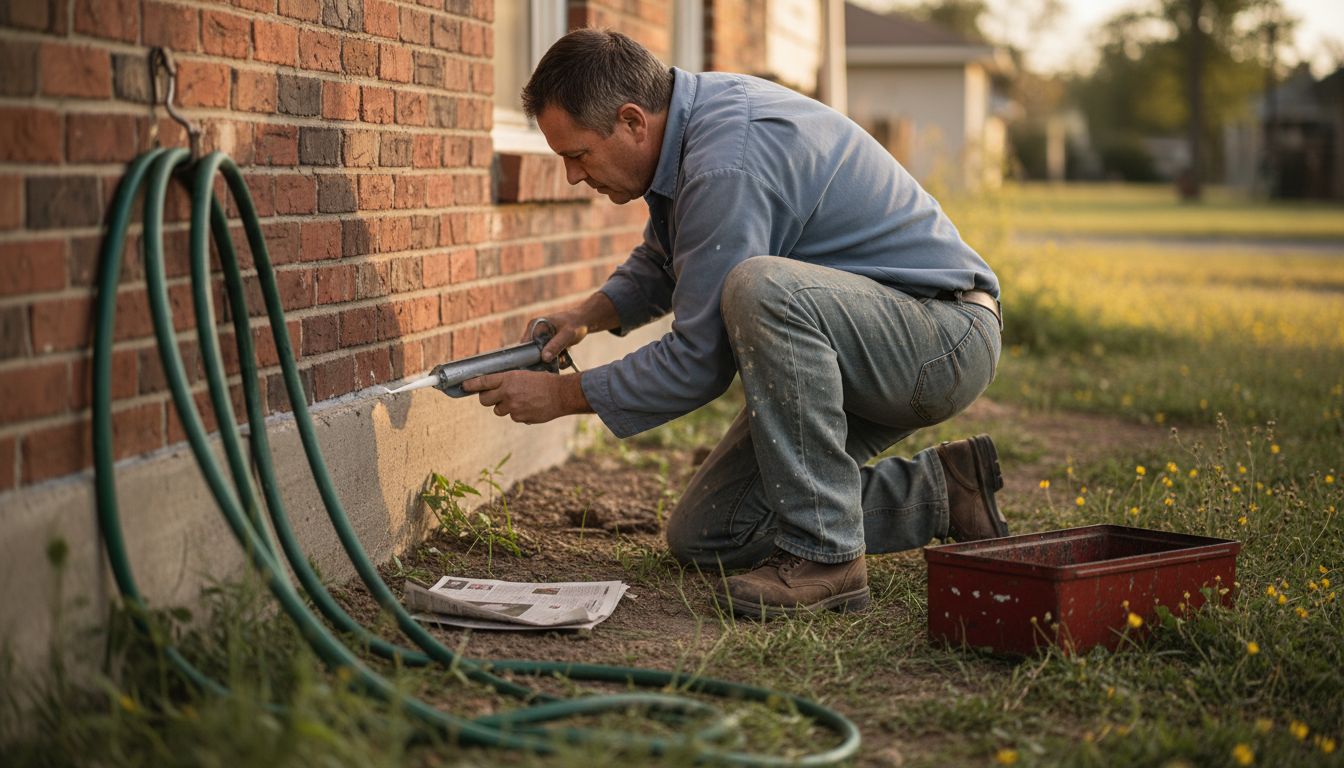
Eliminate attractive pest habitats by removing potential food and water sources. Clear away rotting fruits from counters and gardens, store firewood at least 20 feet from your house, and address any standing water around your property. Remove clutter from storage areas, clean kitchen surfaces thoroughly, and seal food in airtight containers. Move furniture and items away from walls to create clear access for pest control professionals, allowing them to treat areas where pests typically hide.
Warning: Some pest control treatments require specific preparation steps. Always follow your pest control professional’s exact instructions about cleaning, removing pets, covering food items, and vacating the premises during treatment. Improper preparation can reduce treatment effectiveness and potentially compromise your safety.
Step 4: Apply Safe Pest Control Solutions
Applying pest control solutions requires a strategic and careful approach that prioritizes safety and effectiveness. Your goal is to eliminate pests while minimizing risks to your family, pets, and the environment.
Targeted treatment methods can disrupt pest behaviors and reduce infestations. For instance, window cleaner or rubbing alcohol can effectively break ant trails, while gel baits provide precise control for cockroaches and ants. Focus on applying treatments directly to areas where pests are most active, such as kitchen counters, baseboards, and entry points. Use protective gloves and follow product instructions carefully, ensuring you apply the right amount of solution in specific targeted areas.
Proper pest identification is crucial for selecting the most appropriate control method. Different pests require unique treatment approaches, so understanding the specific species you are dealing with will help you choose the most effective solution. Consider using eco friendly options that minimize environmental impact and reduce exposure to harsh chemicals. For complex infestations, consult professional pest control services that can provide specialized treatments tailored to your specific pest problem.
Warning: Always read product labels carefully, wear appropriate protective gear, and keep pest control solutions away from children and pets. Ventilate the area during and after treatment, and follow recommended safety precautions to prevent accidental exposure.
Step 5: Monitor Results and Ensure Prevention
After implementing pest control strategies, ongoing monitoring and prevention become crucial to maintaining a pest free environment. Your ultimate goal is to create a comprehensive defense system that stops future infestations before they begin.
Conduct systematic inspections every three months to detect early signs of potential pest problems. Look carefully for telltale indicators such as droppings, damaged wood, unusual marks on surfaces, or small holes in walls and floors. Keep a detailed log of your observations, noting the location and type of evidence you discover. This documentation can help you track patterns and identify potential entry points or recurring pest issues.
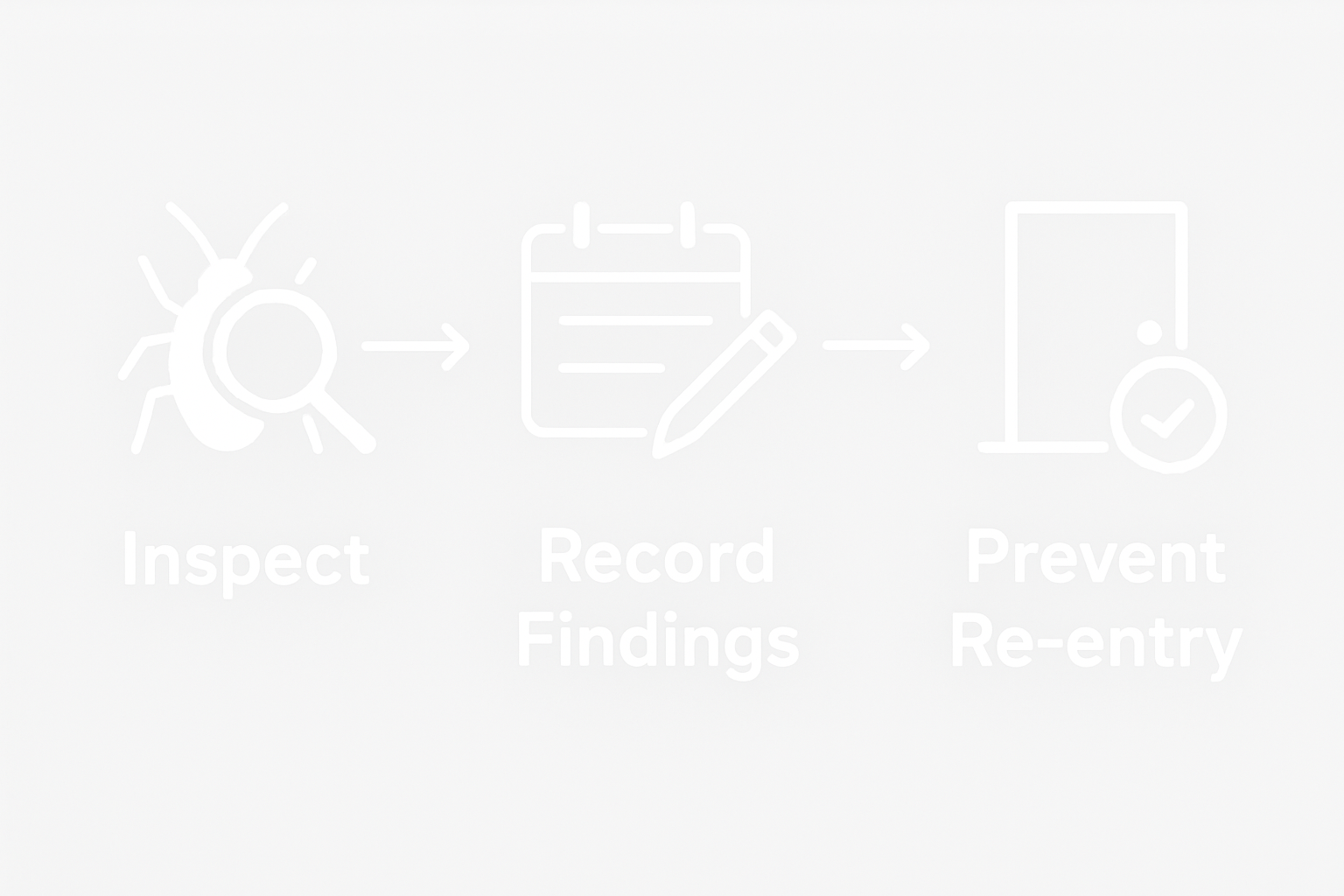
Implement an integrated pest management approach that focuses on prevention and strategic control. Close potential entry points around your home, reduce clutter that might provide hiding spaces, and eliminate food sources that attract pests. Maintain clean kitchen areas, store food in sealed containers, manage outdoor garbage effectively, and keep your living spaces organized. Regular cleaning, proper food storage, and minimizing moisture can significantly reduce the likelihood of future pest invasions.
Warning: Prevention requires consistent effort. Even after successful treatment, remain vigilant and proactive. Small lapses in maintenance can quickly lead to new infestations, so maintain your prevention strategies with discipline and attention to detail.
Take Control of Your Home’s Pest Problem Today
If you have noticed signs of pest activity or want to protect your home from future infestations, you understand how stressful and challenging residential pest management can be. From identifying pest entry points to applying safe treatments and ongoing monitoring, the process demands expertise and attention to detail. That is why relying on professionals who prioritize your family’s safety and the environment is essential.
At Apex Pest Control, we offer tailored solutions designed to address exactly the pests threatening your comfort. Whether you need one-time treatments, ongoing service programs, or specialized options like Mosquito Prevention or Eco-Friendly Applications, our expert team has you covered. Start by exploring our insights and expert advice in the Uncategorized Archives – Apex Pest Control and then take the next step toward a pest-free home by requesting your Free Quote. Don’t wait until signs of infestation become overwhelming. Protect your home by acting now with trusted professionals who understand your pest control challenges and deliver effective solutions.
Frequently Asked Questions
How can I assess signs of pest activity in my home?
Identifying signs of pest activity involves conducting a thorough inspection of your home. Look for droppings, chew marks, and entry points around windows and doors. Document your findings and consider taking photographs to assist pest control professionals.
What should I do if I identify a specific pest in my home?
If you find a specific pest, it’s important to identify it accurately to develop an effective pest management strategy. Gather details such as physical characteristics and the location of sightings. Use clear photographs for identification, or consult a pest control expert for precise advice and treatment options.
How can I prepare my home for pest control treatment?
To prepare your home for pest control treatment, seal potential entry points and remove food and water sources that attract pests. Make sure to clear away clutter from storage areas, clean surfaces, and relocate furniture, allowing pest control technicians easy access to treatment areas.
What kinds of pest control solutions should I consider?
Consider using targeted pest control solutions that are specific to the type of pest you are dealing with. For example, use gel baits for roaches and ants, and ensure you follow instructions to apply them directly where pests are most active. Opt for eco-friendly options whenever possible for a safer environment.
How often should I monitor for pest activity after treatment?
You should conduct systematic inspections every three months to check for signs of recurrent pest activity. Look for droppings and damage, and keep a log of any evidence found. This will help you track any patterns and maintain a pest-free environment.
What preventive measures can I take to ensure my home stays pest-free?
To maintain a pest-free home, close potential entry points, reduce clutter, and eliminate food sources. Regularly clean kitchen areas and store food in airtight containers. Consistent effort in these areas can significantly reduce the likelihood of future pest invasions.
Recommended
- Defining Residential Pest Control: Complete Guide – Apex Pest Control
- 7 Must-Have Steps for Your Commercial Pest Control Checklist
- Preventive Pest Services: Complete Guide for Ohio Homes
- Pest Control Process Explained: Complete Guide Ohio
- How To Handle Pest Complaints – Pest Control Van Alstyne, TX – Pestico Pest Control