




Running a restaurant in Northeast Ohio means juggling health inspections, daily operations, and customer satisfaction. Pest control sits at the intersection of all three. A single rodent sighting or cockroach can trigger mandatory follow-up inspections, damage your reputation, and even lead to closure. The good news? A structured checklist transforms pest control from a reactive scramble into a proactive system. By following Integrated Pest Management principles and documenting every step, you protect your establishment, meet Ohio regulations, and create a safer dining environment for your guests.
Table of Contents
- Understanding Pest Control Criteria For Restaurants
- Daily And Weekly Restaurant Pest Control Checklist Items
- Understanding Ohio Regulations And Documentation Requirements
- Comparing Pest Control Treatment Options And Monitoring Methods
- Get Professional Pest Control Help For Your Restaurant
- Frequently Asked Questions
Key takeaways
| Point | Details |
|---|---|
| Prevention first | Effective pest control balances prevention, monitoring, and treatment to stop infestations before they start. |
| Ohio compliance | Ohio requires thorough documentation and proactive actions, with records retained for at least two years. |
| Daily vigilance | Daily and weekly tasks target common entry points and potential pest harborage areas to minimize risks. |
| IPM advantage | Integrated Pest Management reduces chemical use and boosts long-term control effectiveness. |
| Staff training | Regular staff training and monitoring are essential to early pest detection and rapid response. |
Understanding pest control criteria for restaurants
Integrated Pest Management (IPM) forms the foundation of effective restaurant pest control. This approach layers three strategies: prevention and exclusion, monitoring, and targeted treatment. Core mechanics of restaurant pest control involve Integrated Pest Management by prioritizing non-chemical methods first and using chemicals only as a last resort. This hierarchy keeps your kitchen safer and aligns with food safety compliance in Ohio standards.
Non-chemical methods deliver better long-term results than spray-only programs. Sealing entry points, maintaining rigorous sanitation, and using pest monitoring traps reduce the need for repeated chemical applications. This matters in foodservice settings where chemical residues can contaminate surfaces and trigger health violations. IPM criteria include:
- Sealing cracks and gaps smaller than one-quarter inch around doors, windows, and utility penetrations
- Implementing daily sanitation protocols for grease traps, drains, and food prep areas
- Installing and checking pest monitoring traps weekly to track activity trends
- Applying least-toxic treatments only in targeted areas when monitoring indicates pest presence
Pro Tip: Schedule monthly reviews of your pest monitoring logs to identify patterns. If trap counts spike in a specific area, you can address the root cause before it becomes a full infestation.
The IPM framework reduces chemical exposure for your staff and customers while meeting regulatory expectations. Health inspectors favor restaurants that demonstrate proactive pest management over those relying solely on reactive treatments. By documenting each layer of your IPM program, you build a compliance record that protects your license and reputation.
Daily and weekly restaurant pest control checklist items
Consistency separates successful pest control programs from those that fail during inspections. Daily and weekly checklist items for restaurant pest control include sealing cracks and doors to gaps of one-quarter inch or less, inspecting deliveries for pests, storing food sealed six inches off the floor, cleaning grease traps nightly, and emptying trash promptly. These tasks prevent the conditions pests need to thrive.
Daily opening tasks set the tone for the entire shift:
- Inspect all exterior doors and dock areas for gaps or damage
- Check trash disposal areas and ensure dumpster lids close tightly
- Examine deliveries before accepting them, looking for droppings, gnaw marks, or live pests
- Clean grease traps and floor drains to remove organic buildup
- Verify food storage areas maintain proper sealing and elevation
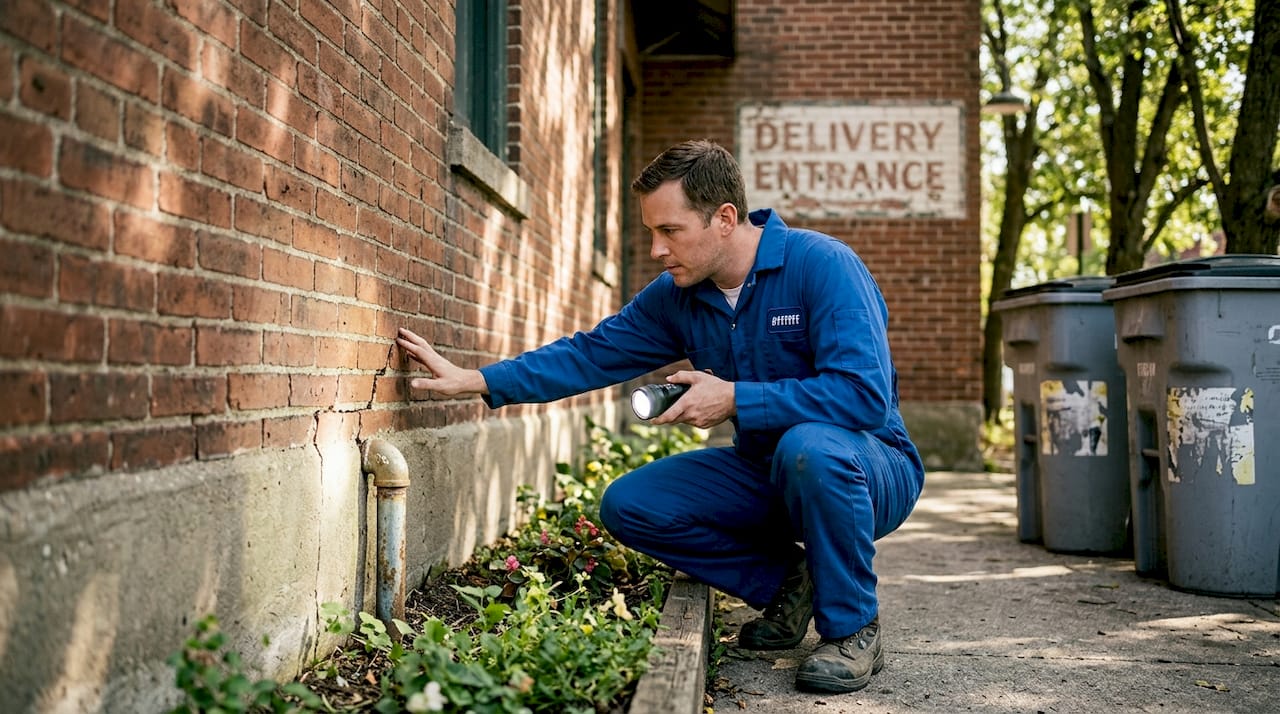
Weekly tasks dig deeper into potential problem zones. Walk the perimeter of your building to identify new cracks in foundations or gaps around utility lines. Review pest sighting logs with your team to spot trends. Check shared walls with adjacent businesses, as pests can migrate through common structures. Inspect food storage rooms for compliance, ensuring all items remain sealed and elevated.
Training employees to recognize early signs of infestation amplifies your monitoring efforts. Teach staff to identify rodent droppings, cockroach egg cases, and gnaw marks on packaging. Encourage immediate reporting through a simple log system. A dishwasher who spots a mouse at 6 AM can trigger same-day action, preventing a minor issue from becoming a major violation. Refer to the food service pest control guide for detailed staff training protocols.
Understanding Ohio regulations and documentation requirements
Ohio law treats pest control as a critical component of food safety. Ohio-specific regulations require documented pest management for restaurants, mandating proactive measures and documentation of inspections and treatments with two years retention. Ohio Revised Code 3717 and the FDA Model Food Code set baseline standards that local health departments enforce.
Detection of pests during inspections carries serious consequences. Finding three or more rodent droppings or any cockroach activity triggers an unsatisfactory rating and mandatory follow-up inspection within 14 days. Repeated violations can result in permit suspension or revocation. Your documentation becomes your defense, proving you maintained a proactive program even if a pest slipped through.
Required documentation includes:
- Monthly pest control inspection reports from licensed professionals
- Treatment invoices detailing products used, application areas, and dates
- Internal pest sighting logs maintained by staff
- Corrective action records showing how you addressed identified issues
Retain these records for at least two years in an organized system accessible during inspections. Digital systems work well, but ensure you can produce printed copies on demand. Some restaurants opt for biweekly treatments during high-risk seasons, creating more frequent documentation that demonstrates extra diligence. Review Ohio pest control compliance requirements annually as regulations evolve.
Special protocols apply to rodent sightings. If you discover evidence of rodent activity, engage a licensed pest control service immediately. Document the initial discovery, treatment plan, and follow-up results. Health inspectors expect to see rapid response and thorough remediation when reviewing your records.
Comparing pest control treatment options and monitoring methods
Choosing the right treatment methods impacts both effectiveness and compliance. Field trials show high effectiveness of fipronil bait, with reductions of 90 to 96 percent in German cockroaches within four weeks, and demonstrate IPM superiority over spray-only methods. Understanding your options helps you build a program that works.
| Treatment Method | Effectiveness | Monthly Cost | Compliance Ease | Safety Considerations |
|---|---|---|---|---|
| Gel baits | High for roaches, ants | $150 to $250 | Excellent | Minimal exposure risk |
| Perimeter sprays | Moderate, temporary | $200 to $350 | Good | Requires careful application |
| Snap/glue traps | High for rodents | $100 to $200 | Excellent | No chemical exposure |
| Targeted IPM | Very high long-term | $300 to $500 | Excellent | Lowest overall risk |
Monitoring separates guesswork from data-driven decisions. Install monitoring traps in key areas: behind equipment, near drains, along walls, and in storage rooms. Check traps weekly and record counts in a log. Rising trap counts signal emerging problems before visual infestations occur. This early warning system lets you adjust sanitation or seal new entry points proactively.
Pro Tip: Prioritize gel baits and monitoring over frequent sprays. Baits target pests at their source and leave minimal residue, while monitoring data helps you measure program effectiveness over time. This combination earns regulatory favor and delivers better long-term results.
One-time pest counts during inspections only capture a snapshot. Trend data from monitoring traps reveals whether your program controls pest populations or merely reacts to visible activity. Review your commercial pest protocols quarterly to ensure methods align with current best practices and regulatory expectations.
Get professional pest control help for your restaurant
Managing a comprehensive pest control program while running daily operations stretches even experienced restaurant teams. Regulatory requirements, documentation demands, and the need for specialized treatments create complexity that professional services handle efficiently. Apex Pest Control brings decades of experience serving Northeast Ohio restaurants, understanding the unique challenges you face from health inspections to seasonal pest pressures.
Our licensed technicians implement Integrated Pest Management programs tailored to foodservice environments. We handle documentation requirements, provide detailed inspection reports, and train your staff to maintain pest prevention between visits. Our family-safe methods protect your customers and employees while meeting Ohio compliance standards. With over 200 five-star reviews, we deliver dependable service that keeps your restaurant operating smoothly.
Ready to simplify your pest control compliance? Contact Pest Control Apex for a free consultation and quote. Our team serves Oakwood, Bedford Heights, Bedford, Maple Heights, Warrensville Heights, Solon, Avon, Sagamore Hills, and surrounding Northeast Ohio communities. Partner with local exterminators in 2026 who understand your regulatory environment and operational needs.
Frequently asked questions
What is Integrated Pest Management and why is it important for my restaurant?
Integrated Pest Management is a multi-layered approach that prioritizes prevention and minimal chemical use over reactive spraying. It combines exclusion tactics like sealing entry points, rigorous sanitation protocols, monitoring systems using traps and logs, and targeted least-toxic treatments only when monitoring data indicates pest activity. This framework reduces health risks from chemical exposure, improves compliance with Ohio regulations, and provides more effective long-term pest control than spray-only programs. Restaurants using IPM demonstrate proactive management that health inspectors favor during evaluations.
How often should pest control inspections and treatments be documented and retained?
Inspections and treatments must be documented and records retained for at least two years in Ohio. Monthly professional inspections create the baseline documentation, with treatment records detailing products used, application areas, and dates. Internal pest sighting logs maintained by staff supplement professional reports. Organize records in a system that allows quick retrieval during health inspections, as inspectors will review your documentation to verify proactive pest management.
What daily tasks can my staff do to minimize pest risks between professional treatments?
Daily tasks include sealing gaps, cleaning grease traps, inspecting deliveries, and prompt trash disposal. Staff should check exterior doors and dock areas each morning for new gaps or damage, clean grease traps and floor drains nightly to remove organic buildup, examine all deliveries before accepting them for signs of pests, and ensure trash disposal areas remain clean with tightly closed dumpster lids. Training employees to recognize and report early signs of pest activity amplifies your monitoring efforts and enables rapid response before minor issues escalate.
What should I do if I spot rodent droppings or cockroach activity in my restaurant?
Detection of three rodent droppings or roaches triggers mandatory follow-up inspections, requiring immediate action. Report the sighting through your internal log system and engage licensed pest control services the same day. Document the initial discovery with photos, location details, and time. Your pest control provider will implement targeted treatments and schedule follow-up visits. Prepare for a health department follow-up inspection within 14 days by maintaining detailed records of all remediation steps taken and monitoring results that demonstrate control.