



Rodents invade more than a third of American homes each year, making Ohio families especially vulnerable to property damage and health threats. Many homeowners believe chemical sprays are enough, but experts agree that physical barriers are the true foundation of prevention. This guide uncovers practical rodent exclusion strategies and busts popular myths, showing how a few targeted steps can protect your loved ones and keep your Ohio home secure.
Table of Contents
- Rodent Exclusion Defined And Common Myths
- Types Of Rodent Exclusion Methods
- How Rodent Exclusion Works In Homes
- Costs, Responsibilities, And Health Impact
- Mistakes To Avoid And Eco-Friendly Options
Key Takeaways
| Point | Details |
|---|---|
| Rodent Exclusion is Essential | Blocking entry points is crucial to prevent rodent invasions and is more effective than relying solely on chemical treatments. |
| Utilize Durable Materials | Employ materials like steel wool and metal flashing to seal potential entryways, as rodents can penetrate small openings. |
| Regular Inspections are Critical | Conduct annual inspections of your home’s exterior to identify and address vulnerable areas, ensuring ongoing rodent exclusion. |
| Health and Financial Risks | Rodent infestations pose significant health risks and financial burdens, making proactive exclusion an important investment for homeowners. |
Rodent exclusion defined and common myths
Rodent exclusion represents a strategic approach to preventing rodent invasions by systematically blocking potential entry points into homes and buildings. At its core, this method focuses on physical barriers that deny rodents access to interior spaces, making it a critical first line of defense for Ohio homeowners. Effective rodent control strategies demonstrate that proactively sealing potential entryways is far more efficient than reactive pest management.
Contrary to popular misconceptions, rodent exclusion is not an expensive or unnecessary process. Mice and rats can squeeze through incredibly small openings – often as tiny as a quarter-inch in diameter – which means even minor structural gaps can become superhighways for rodent intrusion. Homeowners frequently underestimate rodents’ ability to enter structures, believing that chemical treatments alone will solve their pest problems. However, professional experts emphasize that physical exclusion techniques are fundamental to comprehensive pest management.
Successful rodent exclusion requires a multifaceted approach. Key strategies include thoroughly inspecting exterior walls, sealing potential entry points with durable materials like steel wool or metal flashing, and maintaining regular property maintenance. Common entry points in Ohio homes include utility line penetrations, roof lines, foundation cracks, vents, and damaged door frames. Structural shifts and normal wear can create new vulnerabilities over time, making annual inspections crucial for long-term rodent prevention.
Pro tip: Conduct a detailed walkthrough of your home’s exterior during daylight hours, looking for any openings larger than a dime and using a bright flashlight to help identify potential rodent access points.
Types of rodent exclusion methods
Rodent exclusion methods in Ohio homes involve strategic physical barriers designed to prevent rodent access through multiple potential entry points. Comprehensive rodent exclusion techniques require a meticulous approach that addresses the unique challenges posed by mice and rats. These methods focus on blocking openings larger than a quarter to half an inch, utilizing specialized materials and construction strategies that make structure penetration nearly impossible for small mammals.
Key physical barrier methods include using heavy-gauge wire mesh, metal flashing, and concrete to seal potential entryways. Structural reinforcement plays a critical role in preventing rodent intrusion. Specific techniques involve installing rodent-resistant door sweeps, applying weather stripping, and using metal screens on vents and utility line penetrations. Effective rodent exclusion strategies recognize that rodents possess remarkable abilities to gnaw and climb, necessitating durable materials that can withstand persistent attempts to breach building defenses.
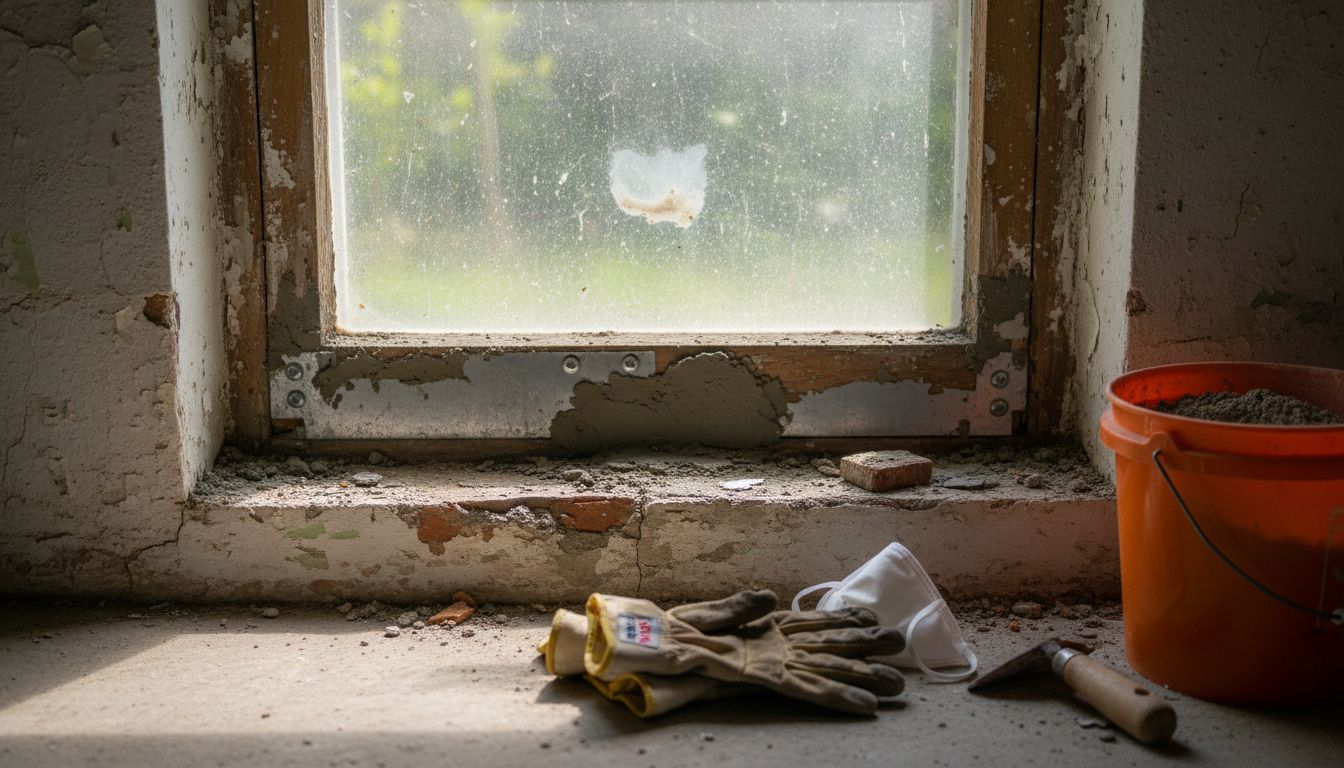
Homeowners should pay special attention to common vulnerable areas such as foundation gaps, roof lines, window frames, and utility entry points. Different materials offer varying levels of protection – steel wool, metal flashing, and concrete provide superior resistance compared to softer alternatives. Successful exclusion requires not just initial installation but ongoing maintenance, as structural shifts and environmental wear can create new potential entry points over time. Professional pest control experts recommend comprehensive inspections that identify and address even the smallest potential access routes.
Here’s a comparison of common rodent exclusion materials and their effectiveness:
| Material Type | Durability Against Rodents | Typical Use Areas | Maintenance Needs |
|---|---|---|---|
| Steel Wool | Highly resistant to gnawing | Small gaps and crevices | May rust, check annually |
| Metal Flashing | Excellent long-term barrier | Foundation cracks, roof edges | Long-lasting, inspect for damage |
| Concrete | Impenetrable when intact | Basements, foundation gaps | Rare, check for cracks |
| Caulk | Somewhat effective | Window frames, gaps | Shrinks, reseal as needed |
Pro tip: Use a bright flashlight and carefully examine your home’s exterior during daylight hours, checking for any gaps or openings wider than a dime and feeling for drafts that might indicate unnoticed entry points.
How rodent exclusion works in homes
Rodent exclusion is a comprehensive strategy that transforms homes into fortified environments resistant to small mammal invasions. Effective home protection techniques involve a systematic approach that combines physical barriers, sanitation, and strategic prevention. The process begins with a thorough inspection to identify and seal potential entry points, focusing on even the smallest gaps that rodents could exploit.
The core mechanism of rodent exclusion works through multiple interconnected strategies. Structural sealing is paramount, requiring homeowners to use gnaw-resistant materials like steel wool, sheet metal, and specialized sealants to block potential entryways. Comprehensive rodent control methods emphasize that successful exclusion extends beyond physical barriers, incorporating critical elements such as food storage management, rigorous sanitation practices, and eliminating potential shelter sources near the home’s perimeter.
Critical areas of focus include foundation gaps, utility line penetrations, roof edges, window frames, and door thresholds. Rodents can squeeze through openings as small as a quarter-inch, making meticulous inspection and sealing essential. Homeowners should systematically remove potential food sources, maintain clean storage areas, and reduce exterior vegetation that might provide cover. This multifaceted approach disrupts rodents’ ability to establish living spaces, effectively transforming homes into environments that are hostile to unwanted animal intrusions.
Pro tip: Conduct a comprehensive home perimeter walk during daylight hours, using a bright flashlight and feeling for air drafts that might indicate hidden gaps, paying special attention to areas where utility lines enter your home.
Costs, responsibilities, and health impact
Comprehensive rodent health risks reveal that rodent infestations represent more than just a nuisance – they are a significant public health concern. The financial and medical implications of rodent presence extend far beyond simple property damage, encompassing serious disease transmission and potential long-term health consequences for Ohio homeowners. Zoonotic diseases like leptospirosis and hantavirus pose substantial risks, making rodent exclusion a critical preventative strategy.
The economic burden of rodent management involves multiple components. Material and labor costs for effective exclusion can range from several hundred to thousands of dollars, depending on the home’s size and complexity of potential entry points. Rodent control and health protection strategies highlight that homeowners bear primary responsibility for maintaining exclusion barriers, conducting regular inspections, and addressing potential vulnerabilities promptly. These responsibilities include sealing potential entry points, managing food storage, and maintaining sanitary conditions that discourage rodent habitation.
Health impacts from rodent infestations extend beyond direct disease transmission. Rodents can trigger significant respiratory issues, including allergic reactions and asthma exacerbations. Their droppings, urine, and dander can contaminate living spaces, potentially causing serious health complications. Professional pest control experts emphasize that prevention is dramatically more cost-effective than treating the numerous health problems associated with prolonged rodent exposure. Ohio homeowners must view rodent exclusion not just as a property maintenance task, but as a critical investment in family health and well-being.
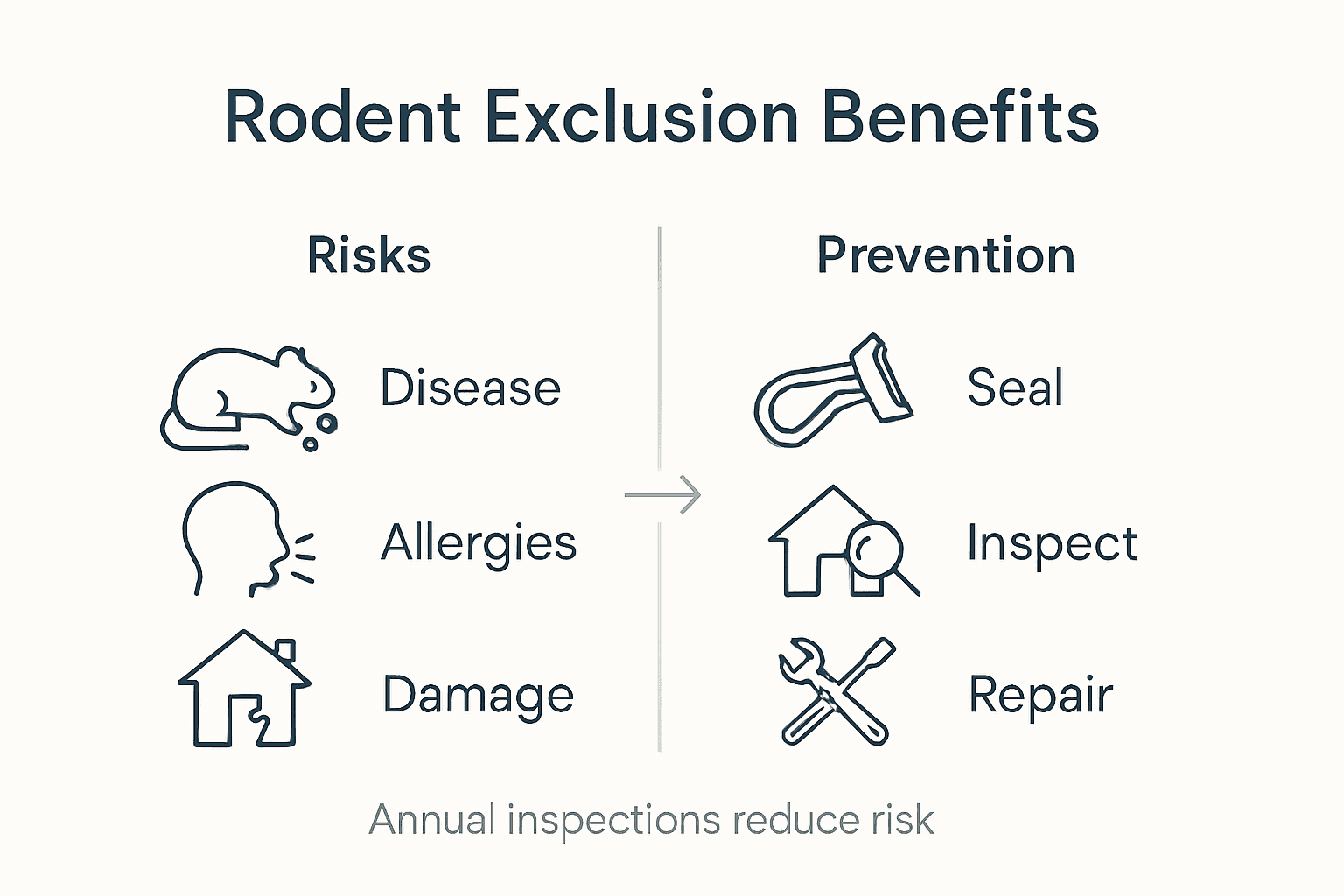
This table summarizes the main health and financial impacts of rodent infestations:
| Impact Type | Consequence for Homeowners | Prevention Benefit |
|---|---|---|
| Disease Risk | Increases exposure to hantavirus | Exclusion reduces health hazards |
| Property Damage | Chewing wires, insulation loss | Protects home structure |
| Allergic Reactions | Dander and droppings trigger asthma | Supports family well-being |
| Financial Cost | High pest treatment expenses | Lowers long-term management costs |
Pro tip: Schedule a professional home inspection annually to identify and address potential rodent entry points before they become significant health and financial risks.
Mistakes to avoid and eco-friendly options
Common rodent exclusion pitfalls reveal that homeowners often make critical errors that compromise their pest management strategies. The most significant mistake is incomplete inspection, which leaves multiple potential entry points unaddressed. Many Ohio residents mistakenly believe that sealing a few visible holes is sufficient, when in reality, rodents can exploit even the smallest structural vulnerabilities. Understanding these potential mistakes is crucial for developing a comprehensive and effective rodent prevention approach.
Eco-friendly rodent exclusion requires a holistic approach that goes beyond traditional chemical treatments. Sustainable prevention methods focus on mechanical controls and habitat modification, avoiding toxic rodenticides that can harm non-target wildlife and pets. Environmentally conscious rodent management strategies recommend using humane traps, installing physical barriers, and creating landscapes that naturally discourage rodent habitation. This might include removing potential food sources, maintaining clean outdoor spaces, and strategically managing vegetation around the home’s perimeter.
Some specific mistakes to avoid include using improper sealing materials that rodents can easily gnaw through, neglecting regular maintenance of exclusion barriers, and relying solely on poisonous baits. Homeowners should prioritize durable, rodent-resistant materials like steel wool, metal flashing, and concrete for sealing entry points. Additionally, considering natural predator encouragement – such as installing barn owl nesting boxes – can provide an eco-friendly alternative to chemical control methods. The goal is to create an environment that is fundamentally inhospitable to rodents while maintaining the ecological balance of the surrounding landscape.
Pro tip: Conduct a comprehensive property inspection during different seasons, as structural shifts and weather changes can create new rodent entry points that may have been previously undetected.
Secure Your Ohio Home with Expert Rodent Exclusion from Apex Pest Control
Rodents can exploit the tiniest gaps and cause serious health risks and property damage, as highlighted in this article on rodent exclusion. If you are concerned about sealing those vulnerable entry points while protecting your family from disease and discomfort it is critical to act with a comprehensive strategy that combines expert inspection and durable physical barriers. Apex Pest Control understands these challenges and offers tailored solutions including exterior rodent control and ongoing maintenance programs designed to keep homes rodent-free with eco-friendly methods.
Don’t wait until small cracks turn into big infestations. Take control now by scheduling a professional evaluation through our Uncategorized Archives – Apex Pest Control resource for insights into how we tackle rodent exclusion. Safeguard your property and health by requesting a personalized service plan today via our easy Free Quote page. Stop rodents before they invade—protect your Ohio home with Apex Pest Control.
Frequently Asked Questions
What is rodent exclusion?
Rodent exclusion is a method of preventing rodent invasions by blocking potential entry points into homes and buildings, using physical barriers to deny access to interior spaces.
How do I effectively seal entry points against rodents?
To effectively seal entry points, inspect your home for gaps larger than a quarter-inch, and use durable materials like steel wool, metal flashing, and concrete to block these openings.
What common areas should I inspect for rodent entry?
Common areas to inspect include utility line penetrations, roof lines, foundation cracks, vents, and damaged door frames, as these are typical access points for rodents.
What are the health risks associated with rodent infestations?
Rodent infestations can lead to serious health risks, including the transmission of diseases such as hantavirus and leptospirosis, as well as respiratory issues caused by droppings and dander.